

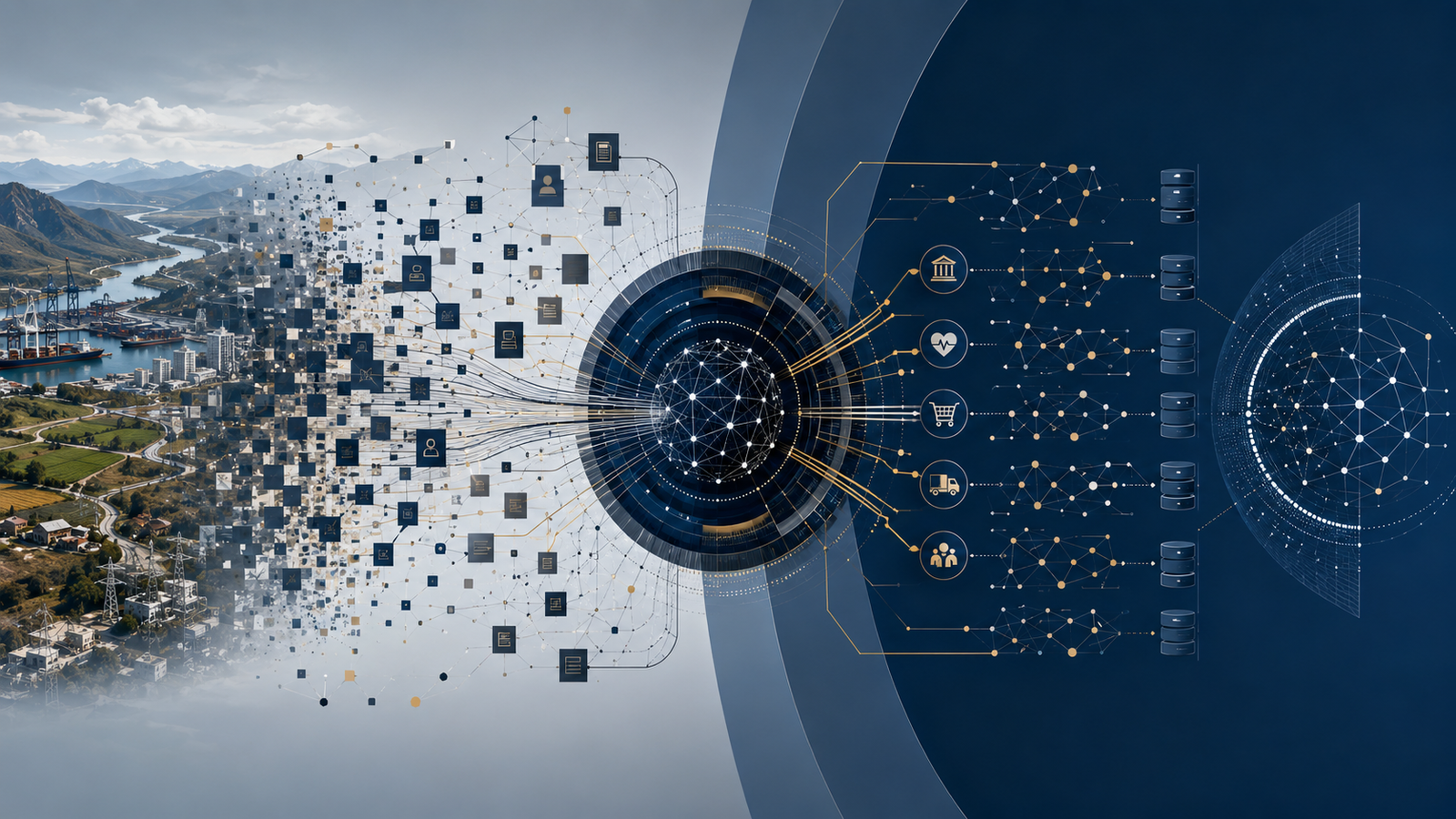
Why Intelligence Begins With Representation
The problem with AI is not that it cannot think.
It is that it cannot see.
A small farmer applies for credit.
He has worked the same land for years. People around him know he is reliable. He understands his soil, the rhythm of water, and which risks arrive early in the season. He may not speak in data, but he understands his reality.
Yet when he enters a formal system, something changes.
His records are incomplete. His land documents are partially digitized. His yield history is scattered. His risk is inferred from broad averages. His identity sits in one system, his cropping pattern in another, his repayment behavior in a third.
Some parts of his reality are recorded.
Much of it is not.
The system sees fragments.
It does not see the farmer.
So the decision is delayed, downgraded, or denied.
Now consider a supplier in a manufacturing chain.
It produces a critical component. Its quality performance sits in one file. Its delivery reliability in another. Its dispute history lives in email trails. Its true importance to the network exists mostly in the minds of a few managers.
On paper, it looks ordinary.
In reality, it is essential.
But the organization cannot represent that reality clearly enough — for machines, or even for itself — to act with confidence.
Or consider a patient moving through a healthcare system.
Symptoms are captured in one place. Test results in another. Medication history somewhere else. Context — family, stress, daily routine, environment — barely appears.
The patient exists in the system.
But not fully within it.
Across all these cases, reality is present.
But it is not present in a form the system can properly see, trust, and use.
That is where the next phase of the AI era begins.
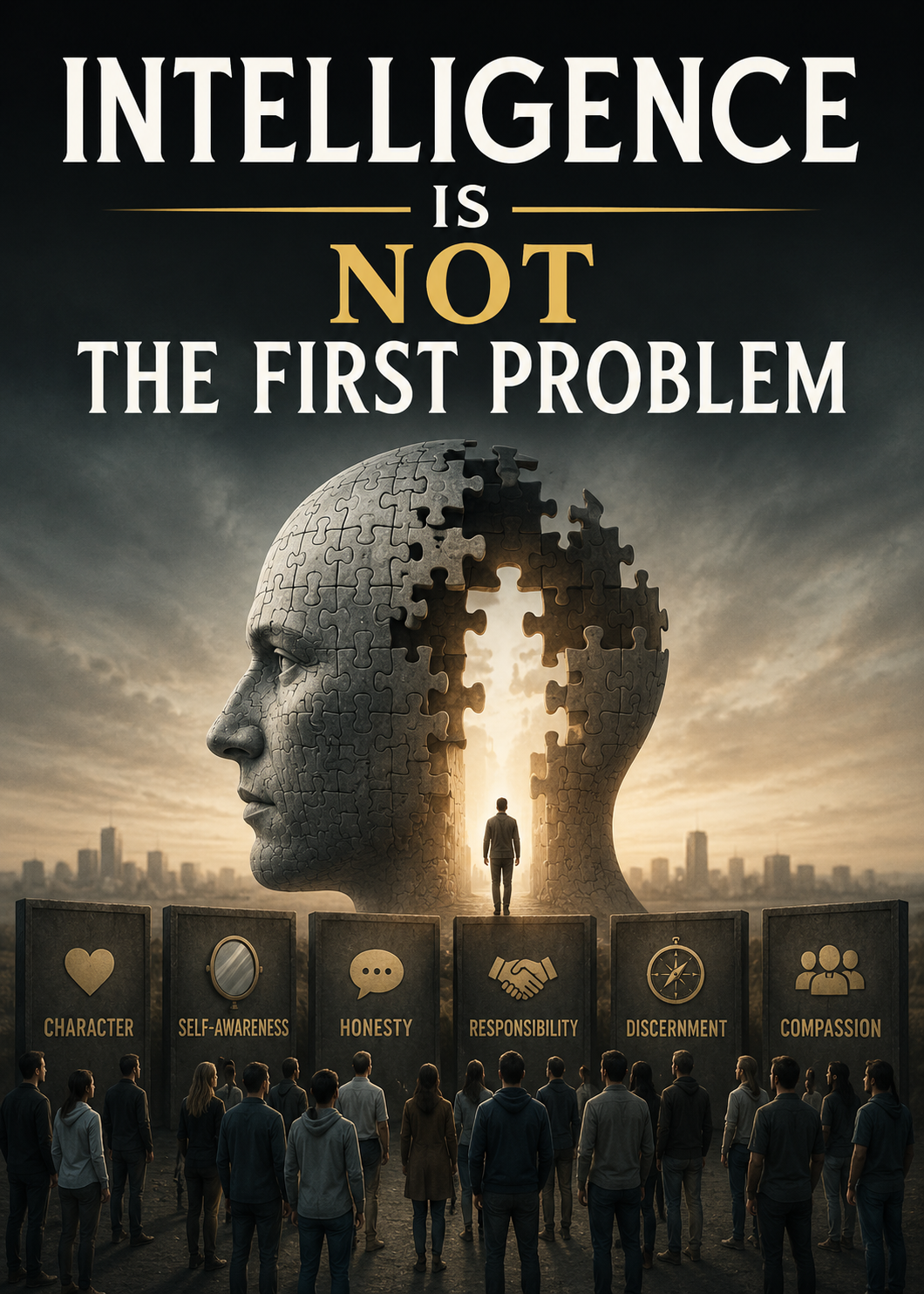
Intelligence Is Not the First Problem
For years, the AI conversation has been dominated by intelligence.
Which model is bigger?
Which is faster?
Which reasons better?
Which can generate, predict, or act more effectively?
These questions matter.
But they are not the first questions.
In the real world, intelligence is not the first problem.
Visibility is.
Before a system can reason well, it must know what it is looking at.
Before it can optimize, it must understand what is actually there.
Before it can act responsibly, it must hold a trustworthy picture of reality.
So the most important question in the AI economy may not be:
How smart is the model?
It may be:
What can the system actually see?
That question sounds simple.
It is not.
Most institutions do not have a clear answer.
Over time, they have accumulated systems, databases, workflows, dashboards, and tools. They have more data than ever before — but not more clarity.
They store more than they understand.
They collect more than they connect.
They analyze more than they trust.
This is why many organizations feel unsettled in the age of AI.
They expected intelligence to be the breakthrough.
Instead, intelligence is exposing their fragmentation.
AI is not creating organizational fragmentation.
It is revealing what was already there.
The room was never properly organized.
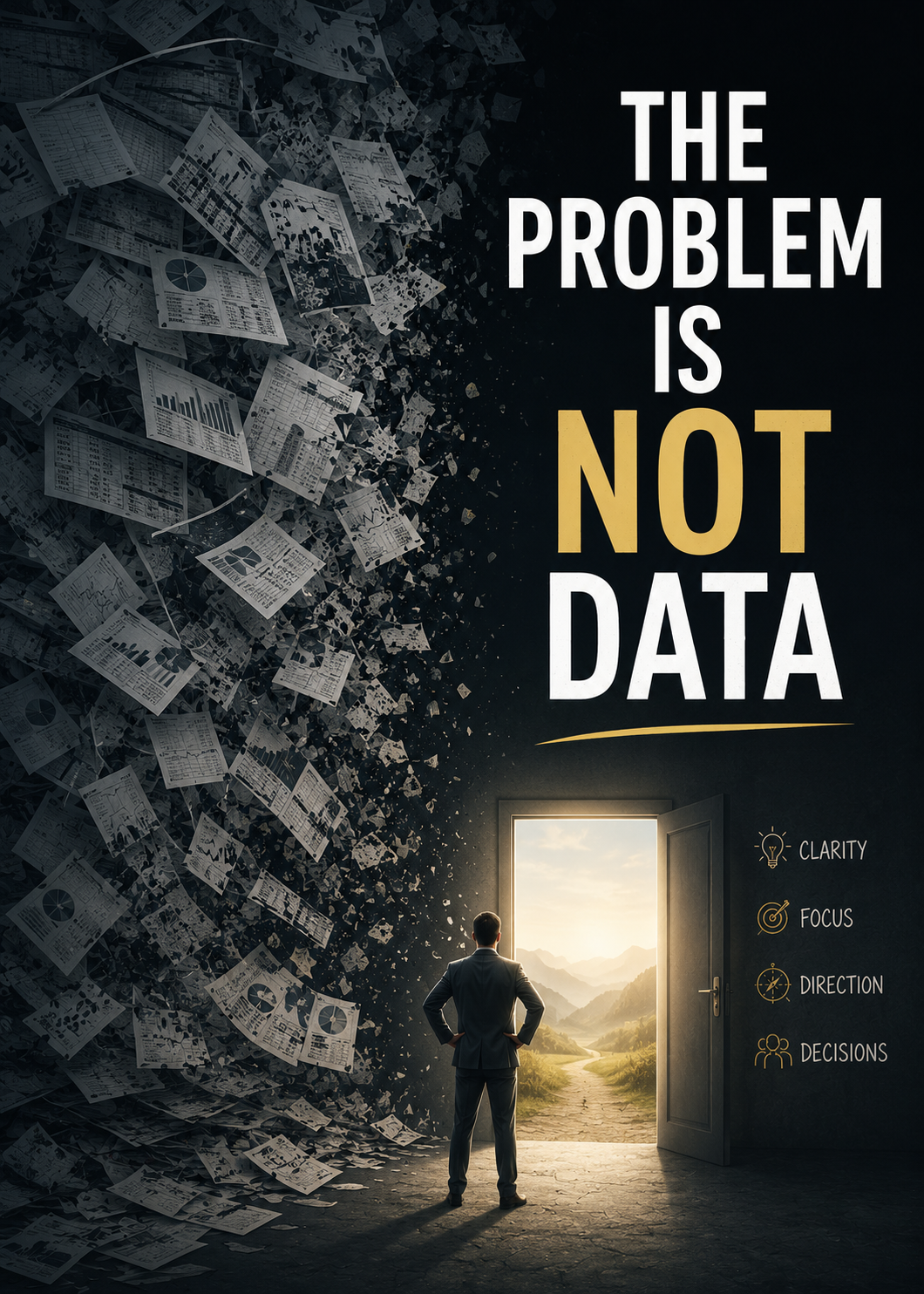
The Problem Is Not Data
We have been told for years that data is the new oil.
The phrase captured something real: data matters.
But it also created a simplification that is now holding us back.
Oil creates value only when it is extracted, refined, and used within a system designed around it.
Raw data does not create value simply because it exists.
Most data is disconnected from meaning.
It sits in silos.
It lacks context.
It is partial, duplicated, or hard to verify.
It captures events without clearly identifying the entities behind them.
It records transactions without revealing underlying condition.
So the issue is not that organizations need more data.
The issue is that they need better representation.
A representation is more than a record.
It is a usable expression of reality.
It tells a system not just that something happened, but what happened, to whom, in what condition, under what circumstances, and with what confidence.
That is a higher standard.
If a farmer is represented only as a generic borrower, the system misses his real economic life.
If a supplier is represented only through purchase orders, the system misses its operational importance.
If a patient is represented only through isolated entries, the system misses the person.
What is missing is not always data.
What is missing is faithful representation.
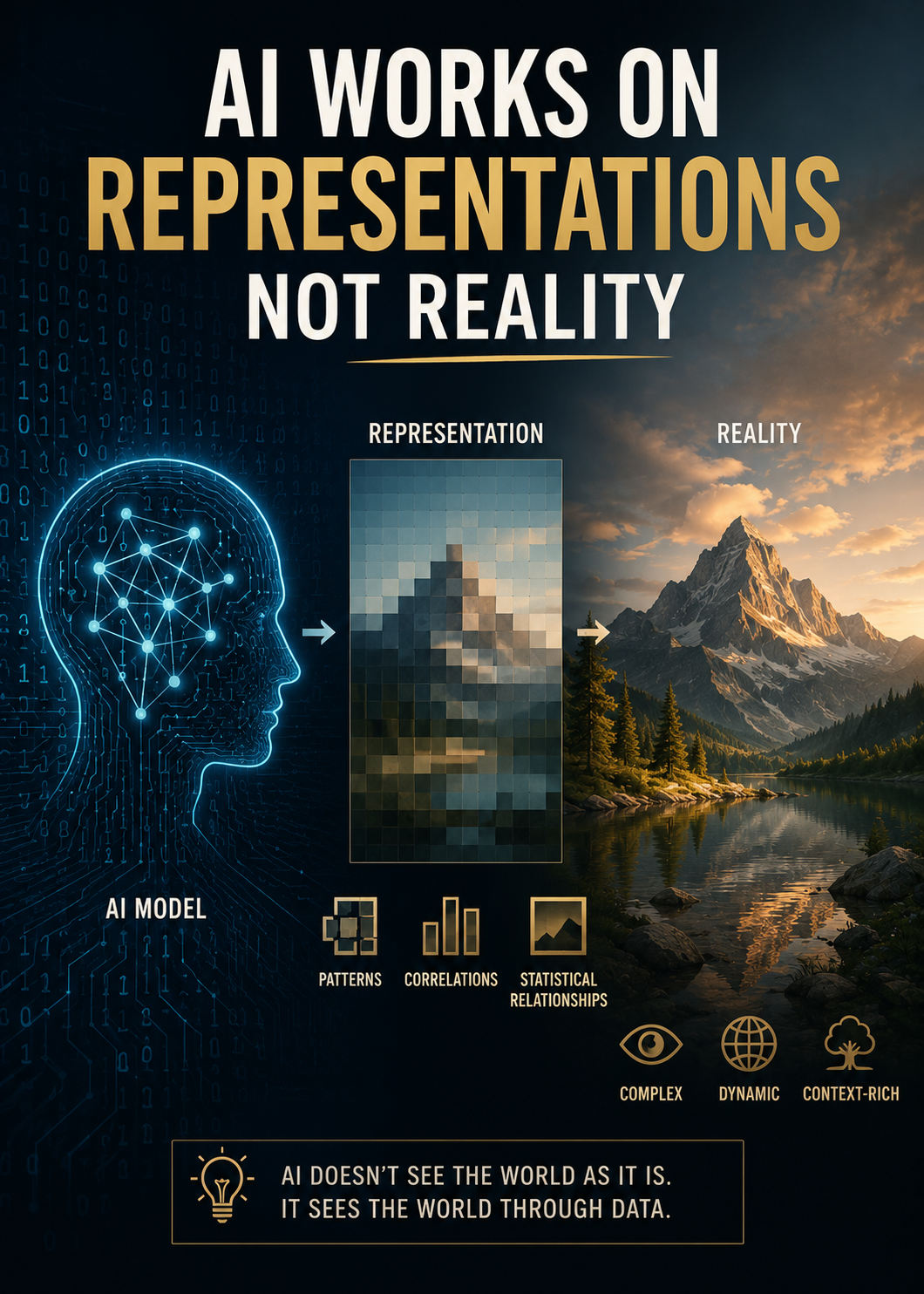
AI Works on Representations, Not Reality
This distinction is easy to miss.
But once seen, it changes everything.
AI does not operate directly on reality.
It operates on representations of reality.
A model never sees the farmer.
It sees records, categories, scores, and probabilities.
It never sees the supplier.
It sees transactions, delivery logs, quality reports, and signals.
It never sees the patient.
It sees symptoms, test results, history, and encoded outcomes.
In other words:
AI acts on what a system can represent.
And when representation is weak, intelligence does not remove distortion.
It scales it.
A weak system with low intelligence may do little.
A weak system with high intelligence may act confidently on a distorted picture.
It may scale misunderstanding.
It may automate incompleteness.
It may make decisions faster than institutions can correct them.
This is why many AI failures are not failures of intelligence.
They are failures of representation.
A loan system fails because it cannot represent informal reality.
A logistics system fails because it cannot represent hidden dependencies.
A healthcare system fails because it cannot represent the patient as a whole.
The failure begins before the model begins.
The Scarcity That Matters
We often assume intelligence is scarce.
Increasingly, it is not.
Intelligence is improving, becoming cheaper, and becoming more accessible.
What remains scarce is something else:
clear, trusted, usable representation of reality.
That scarcity will shape the next phase of the economy.
A company may access powerful models. But if it cannot represent its customers, partners, assets, risks, obligations, and operating context clearly, it will struggle to create value.
Another company, with less sophisticated models, may outperform it — not because it has more intelligence, but because it understands reality better and acts with greater trust.
This is the emerging divide:
not simply between those who have AI and those who do not,
but between those who are well represented and those who are not.
And in an AI-driven world, what is not properly seen is easily ignored.
What People Actually Care About
When people interact with AI-enabled systems, they do not think first about models.
They ask simpler, human questions:
Did you understand me?
Did you understand my situation — not just my category?
Did you see context — not just data?
Did you capture nuance — not just averages?
Did you recognize the risk of being wrong?
And if you act on me, can I trust you?
This is why the next stage of the AI economy will not be built only by those who build smarter systems.
It will be built by those who make reality more visible, more understandable, and more trustworthy.
AI Is Exposing Old Weaknesses
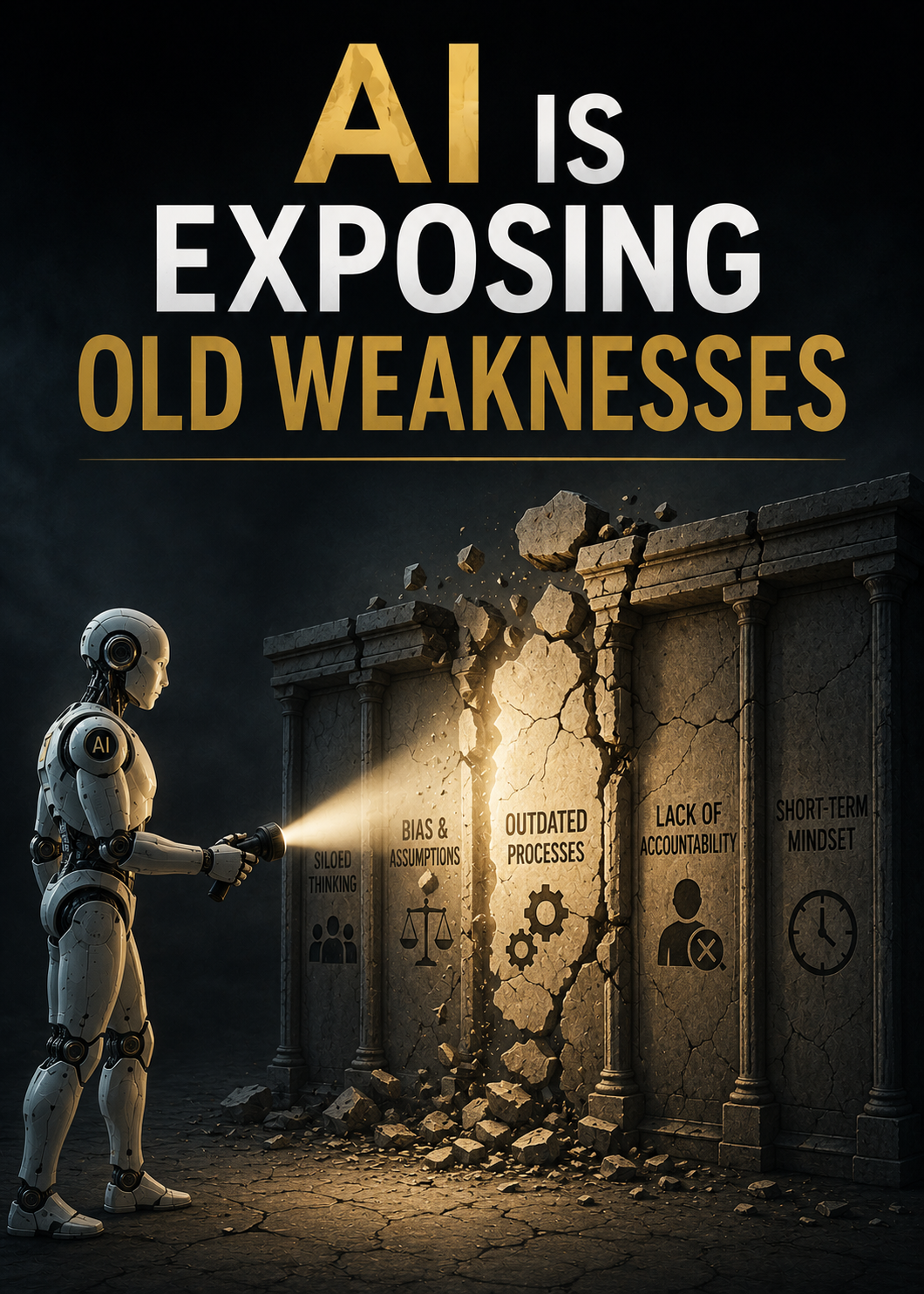
AI is not only creating a new race.
It is exposing an old weakness.
For years, organizations have operated with fragmented records, incomplete identities, disconnected systems, and informal workarounds.
Humans compensated through experience and judgment.
Machines cannot compensate in the same way.
They depend on represented reality.
As decision-making shifts toward machine-assisted systems, the cost of poor representation rises sharply.
What was once manageable becomes a strategic risk.
The lesson is not that AI is overhyped.
The deeper lesson is that reality has been under-represented.
The Beginning of Representation Economics
This is the shift this book explores.
The age ahead will not be defined only by who builds the smartest AI.
It will be defined by who builds the best systems for representing reality — accurately, continuously, and responsibly.
This is what I call Representation Economics.
At its core:
Value flows to what can be clearly represented, reliably understood, and responsibly acted upon.
If representation is the real challenge, then AI systems must be understood not only by what they compute, but by how they see, reason, and act.
That is where the SENSE–CORE–DRIVER framework begins.
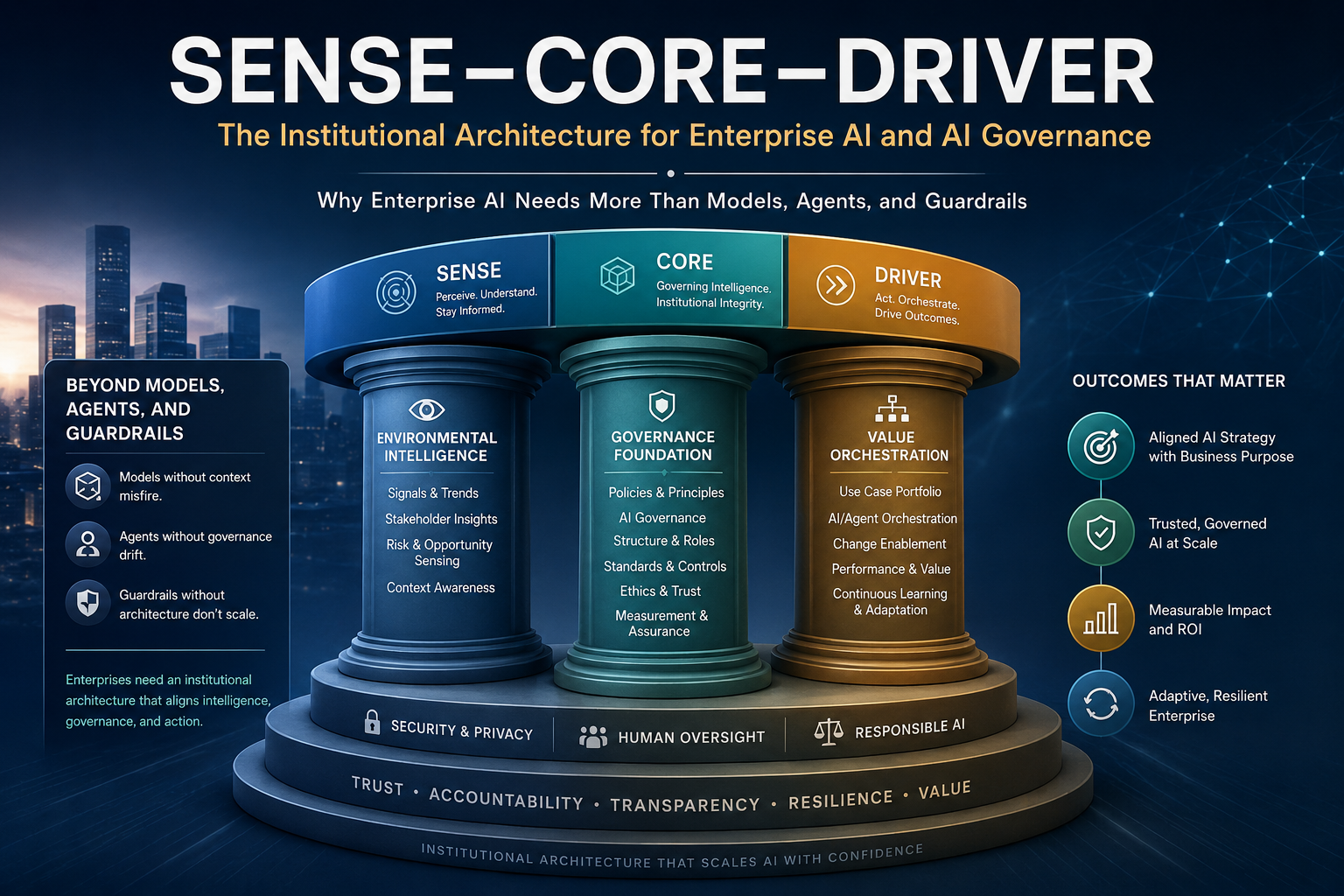
SENSE, CORE, DRIVER
Every AI system operates across three layers — whether we design for them or not.
SENSE asks:
Can the system see reality clearly?
CORE asks:
Can it reason effectively?
DRIVER asks:
Can it act in a trustworthy and accountable way?
Much of the world today is overinvesting in CORE and underinvesting in SENSE and DRIVER.
That is a structural mistake.
Intelligence without representation is confident misunderstanding.
Action without trust is fragile.
A farmer will not trust a system because it has the biggest model.
A patient will not trust a system because it is fast.
A supplier will not trust a system because it sounds intelligent.
They will trust a system when they feel understood — and protected.
Where This Idea Begins
That is where the real economy of AI begins.
Not at the point of intelligence.
At the point where reality becomes visible enough to matter.
Before we talk about models, strategies, agents, automation, or new companies, we must confront a harder truth:
Much of the world is still missing from the systems now being asked to understand and govern it.
The future will not belong only to those who compute more.
It will belong to those who represent reality clearly — and act on it responsibly.
The future of AI will not be decided only by intelligence.
It will be decided by how reality becomes visible, understandable, and governable inside intelligent systems.
And that is where this journey begins.
Summary
Representation Economics argues that AI systems do not operate directly on reality — they operate on representations of reality. The article explains why Enterprise AI failures often originate not from weak models, but from incomplete visibility, fragmented systems, disconnected identities, and poor representation of entities, conditions, and context. It introduces the idea that the next competitive advantage in AI will come from representation quality, trust, legitimacy, and institutional visibility rather than intelligence alone.
If AI systems increasingly shape decisions, institutions, and participation, then representation may become one of the most important economic and governance challenges of the coming decade.
The future of AI may depend less on computation alone —
and more on how reality becomes visible, understandable, and trustworthy inside intelligent systems.
What does “AI cannot see reality” mean?
AI systems do not directly observe reality. They operate on digital representations such as records, categories, scores, signals, embeddings, and structured data.
What is Representation Economics?
Representation Economics is the idea that future economic value will increasingly flow to entities, institutions, and systems that can represent reality clearly, continuously, and responsibly.
Why do Enterprise AI systems fail?
Many Enterprise AI systems fail not because of weak models, but because of fragmented data, disconnected systems, incomplete identity representation, poor context, and weak institutional visibility.
What is the difference between data and representation?
Data records events. Representation provides usable understanding of entities, conditions, relationships, and context.
Why does trust matter in AI systems?
AI systems increasingly participate in high-impact decisions. Trust becomes essential when systems act on incomplete or distorted representations of people, businesses, assets, or institutions.
People Also Search For
- What is Representation Economy?
- Why do Enterprise AI projects fail?
- What is machine-legible reality?
- What is AI governance?
- What is SENSE–CORE–DRIVER?
- Why data alone is not enough for AI
- AI systems and representation
- Enterprise AI visibility problem
- AI trust and institutional intelligence
- Representation infrastructure in AI
Suggested Further Reading / External References
1. OECD AI Principles
Excellent for governance, trust, accountability, and institutional AI framing.
2. NIST AI Risk Management Framework
Very strong for legitimacy, governance, trust, and operational AI systems.
NIST AI Risk Management Framework
3. Stanford Human-Centered AI (HAI)
Strong intellectual alignment with visibility, institutions, governance, and human impact.
4. World Economic Forum – AI Governance
Good institutional/global governance layer.
World Economic Forum AI Governance Insights
Related Enterprise AI Reading
Many organizations are discovering that enterprise AI success depends on far more than model accuracy. Common challenges include AI project failure, weak AI governance, poor AI agent control, unclear enterprise AI ROI, and the inability to translate AI insights into business outcomes. For readers exploring topics such as why enterprise AI projects fail, how AI creates business value, AI agent governance frameworks, agentic AI systems, enterprise AI architecture, AI risk management, CIO AI strategy, and enterprise AI operating models, the following articles provide a deeper perspective:
-
- Why Enterprise AI Projects Fail Even When the Models Work
- Why AI Creates Value in One Company and Fails in Another
- AI Agent Governance: How CIOs Should Decide What AI Agents Are Allowed to Do
- Why AI Agents Fail in Enterprises
- Why Enterprise AI Projects Fail Even When the Models Work: The Missing Architecture Behind AI Governance and Agentic Systems
- raktimsingh.com/hy-enterprise-
ai-projects-fail-digital- anthropology-ai-governance/
Together, these articles examine the critical relationship between enterprise data, AI decision-making, AI governance, AI agents, execution systems, accountability mechanisms, and measurable business value, helping CIOs, CTOs, architects, and business leaders move from AI experimentation to enterprise-scale impact.



Raktim Singh is an AI and deep-tech strategist, TEDx speaker, and author focused on helping enterprises navigate the next era of intelligent systems. With experience spanning AI, fintech, quantum computing, and digital transformation, he simplifies complex technology for leaders and builds frameworks that drive responsible, scalable adoption.