Raktim Singh

Home Blog Page 31

What is augmented connected workforce

All companies encounter these three kinds of challenges, regardless of their industry.

These are the ones

  1. The appropriate individual who is capable of operating within the specified environment
  2. Obtain accurate real-time data to facilitate decision-making and
  3. Guaranteeing that employees are at ease and receive a customized experience.

Additionally, we aim to establish a work environment that is more inclusive and accessible, regardless of gender, physical condition, or age. All efforts should be made to leverage the talents of individuals who can contribute to a company’s work.

Although technology has facilitated productivity enhancements, it also necessitates team members adept at utilizing new technologies.

Therefore, technology once more provides a solution, and an augmented, connected workforce is paramount in this rapidly evolving world.

The Augmented Connected Workforce integrates technology with capabilities, establishing the foundation for empowered and interconnected workplaces.

What is an Augmented Connected Workforce?

The term’ Augmented Connected Workforce’ refers to a methodology that integrates sophisticated technologies with human capabilities to create a work environment that is collaborative, connected, and empowered.

These technologies include AI (Artificial Intelligence), IoT (Internet of Things), AR (Augmented Reality), and collaborative platforms. They are used to improve productivity, simplify communication processes, and offer real-time decision-making insights.
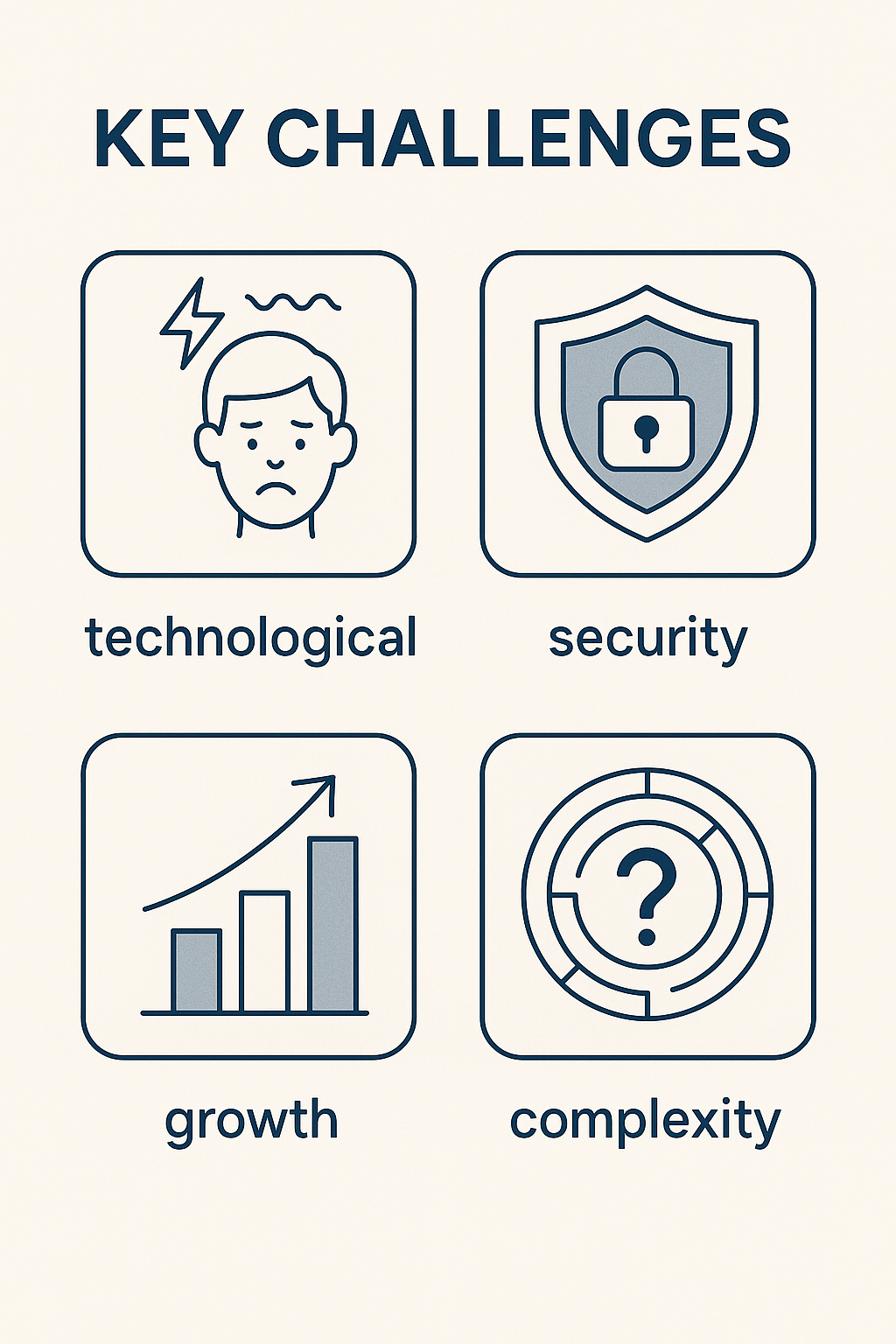
The Augmented Connected Workforce is a concept that integrates technology and humanity, providing a glimpse of a future in which workplaces are interconnected, empowered, and customized to the requirements of individual employees. This concept can benefit industries such as manufacturing, healthcare, and retail by enhancing productivity, improving decision-making, and creating a more inclusive work environment.

An Augmented Connected Workforce is an environment in which human workers’ capabilities are enhanced and amplified through the seamless integration of advanced technologies. This reassures us about the continued importance and relevance of human workers in the future of work.

This concept is centered on connectedness, emphasizing the importance of real-time connectivity and collaboration between humans and digital tools to enhance productivity, decision-making, and overall work experiences.

Characteristics of an Augmented Connected Workforce:

  1. Redefining Productivity through Human-Machine Collaboration:

The synergy between humans and machines is underscored in the Augmented Connected Workforce. This method leverages technologies to revolutionize productivity, enabling the seamless integration of digital tools with human skills, thereby unlocking potential and efficiencies.

  1. Facilitating Decision-Making through Real-Time Data:

However, the workflow’s real-time data integration is a notably captivating aspect. Workers are empowered by this integration, facilitating faster decision-making processes by providing access to information. The augmented workforce can respond to dynamic business environments and be well-informed and connected.

  1. Personalized Work Experiences for Employee Empowerment:

The augmentation encompasses personalized work experiences in addition to task-related aspects. The satisfaction and efficiency of employees are substantially improved by customizing interfaces and tools to their preferences.

This aspect of personalization underscores the transition to a work environment that is more flexible for employees.

  1. Inclusive Workforce: The Augmented Connected Workforce makes implementing a more inclusive workforce feasible through the utilization of various technologies and collaboration platforms. This emphasis on inclusivity and empowerment should make every member of our workforce feel valued and integral to the future of work.

Exoskeletons, computer vision, and artificial intelligence are just a few examples of the technologies that can assist human laborers in numerous factories. These technologies, along with various collaborative platforms, are already being used to implement the Augmented Connected Workforce in real-world settings.

As the Augmented Connected Workforce becomes a central location where artificial intelligence assistants anticipate your requirements, it’s important to consider the ethical implications. The seamless integration of Teams facilitates real-time collaboration, and data insights personalize your workflow. However, this also raises concerns about privacy and data security that need to be addressed.

The History of the Augmented Connected Workforce in Brief:

Early Development and Emerging Technologies (1970s-2000s):

Rise of Personal Computers: The introduction of computers in the 1970s and 80s established the groundwork for individual workplace technology and data processing, paving the way for future connectivity before internet access.

Initial Digital Collaboration Tools: Email intranets emerged as indispensable collaboration platforms, comparable to instant messaging and groupware, during the late 1990s and early 2000s.

These instruments facilitated organizational connections.

The Shifting Focus: The Building Blocks of Connectivity and Automation (2000s-2010s);

Revolutionary Effects of Cloud Computing: The introduction of cloud computing platforms in the 2000s revolutionized data storage and accessibility. This facilitated the dissolution of barriers by providing distributed teams with on-demand access to software and information.

Mobile Revolution: Since the mid-2000s, the boundaries between work and personal life have been substantially blurred due to the increasing prevalence of smartphones and tablets. The workforce has become more mobile and adaptable due to the constant availability of communication and information tools.

The Industrial Internet of Things (IIoT) experienced a significant increase in the 2010s. This necessitated the proliferation of sensors and connected devices in machinery and factories, facilitating real-time data collection. Consequently, we have now established an interconnected and data-driven landscape.

We are currently in an era characterized by the augmentation of workforces with artificial intelligence, which has been swiftly incorporated into various work domains over the past decade.

This enhancement of capabilities facilitates real-time decision-making, automates tasks, and analyzes data using machine learning algorithms. It stimulates efficiency.

Furthermore, augmented reality (AR) has emerged as a game-changing technology. It revolutionizes disciplines such as maintenance, training, and design by superimposing information onto the world. Surgeons can now observe overlays during surgery, technicians can visualize equipment instructions, and designers can prototype products in real time.

Additionally, communication tools have been superseded by sophisticated collaboration platforms. These platforms incorporate communication channels and project management features to facilitate collaboration among teams that span continents. Additionally, they enable the exchange of data and the management of knowledge.

Looking Ahead: The Future of the Augmented Connected Workforce:

The evolution persists as we observe the development of immersive and interconnected work environments through digital twins, virtual reality, and peripheral computing.

As the Augmented Connected Workforce evolves, the emphasis will be on learning and upskilling to guarantee that human workers can adapt and flourish in the presence of evolving technologies. This may require a shift in job roles and skills requirements, and companies should be prepared to invest in their employees’ continuous learning and development.

As the augmented connected workforce matures, it holds the potential to revolutionize the way we work, collaborate, innovate, and create value in this era. This transformative potential should inspire and excite us about the future possibilities it can bring.

Operational characteristics:

  1. Advanced Technology Integration:

The Augmented Connected Workforce integrates various technologies into the workplace, including AI. Machine learning algorithms automate duties, while IoT devices collect real-time data from multiple sources. AI is not meant to replace human workers, but to enhance their capabilities and improve efficiency.

  1. Platforms for Collaboration:

Collaboration platforms facilitate communication channels and connect dispersed teams.

These platforms frequently include video calls, project management tools, and the ability to work on documents in real-time. This facilitates effective collaboration among teams regardless of their surroundings.

  1. Utilizing data to inform decision-making:

Data obtained from sensors, devices, and other sources assists employees and decision-makers. This decision-making method ensures that individuals have the necessary information to respond promptly to business challenges.

  1. Personalizing experiences:

The Augmented Connected Workforce emphasizes customizing user experiences. Digital interfaces and tools accommodate each individual’s preferences and work style, resulting in a more engaged and content workforce and a more user-friendly environment.

  1. Collaborating with machines:

This method of operation entails the collaboration of humans and machines. Automation and artificial intelligence (AI) facilitate the performance of human tasks, enabling individuals to concentrate on the creative aspects of their roles. A team is formed when human intuition and machine efficacy are combined.

Illustrations of the Augmented Connected Workforce:

  1. Augmented reality (AR) devices can be worn by technicians in manufacturing to display instructions and visualizations that facilitate the timely repair of equipment. This application enhances efficiency, reduces interruption, and provides opportunities for hands-on training.
  2. Artificial Intelligence Improved Customer Service:

Chatbots and virtual assistants enabled by AI are employed by customer service departments to address inquiries and provide responses. A seamless and responsive customer support experience is achieved through the collaboration of human agents and AI systems to resolve issues.

  1. Platforms for Collaborative Remote Work:

Collaborative platforms integrating video conferencing, document sharing, and project management tools facilitate collaboration as remote work becomes more common. This use case focuses on the interconnectedness and collaboration aspects of the Augmented Connected Workforce.

AI-powered insights enable automating repetitive tasks, anticipating customer requirements, and developing winning strategies. The outcome is a workforce driven by information rather than intuition, seamless collaboration, and customer interactions.

  1. Transforming Industries and Revolutionizing Factory Floors:

Bid farewell to clunky machinery and manufacturing lines. Siemens envisions factories as symphonies of interconnectedness. In a waltz, human specialists collaborate with robots while IoT sensors dance in sync with AI algorithms.

This is Industry 5.0 in motion, a testament to the augmented connected workforce that redefines the essence of production, all orchestrated by data itself.

Industries Capitalizing on the Potential of an Augmented Connected Workforce:

  1. Medical Care:

The augmented connected workforce is revolutionizing patient care in the healthcare sector by leveraging AI-assisted diagnostics, telemedicine advancements, and collaborative platforms for healthcare professionals.

Ultimately, this method improves overall outcomes by expediting decision-making and enhancing communication channels.

2. Retail:

Through the use of RFID tags, the retail industry enhances supply chain efficiency by utilizing augmented workforce solutions for inventory management systems, personalized customer experiences customized to individual preferences, and AI-driven analytics that offer valuable insights for strategic decision-making.

Simultaneously, AI technology assists businesses in predicting demand and interacting with customers.

3. Financial institutions are implementing strategies that capitalize on an augmented, connected workforce to improve consumer interactions within the finance sector.

The future of work is enhanced by the Augmented Connected Workforce, which offers a variety of features and benefits. The integration of cutting-edge technologies with capabilities transforms the traditional work landscape. It is essential to comprehend these components to realize the potential of this approach entirely.

Key Technologies that Underlie the Augmented Connected Workforce:

  1. Artificial Intelligence (AI) Integration: AI serves as the focal point by automating tasks, analyzing extensive datasets for valuable insights, and empowering machine learning algorithms to improve decision-making processes.
  2. Internet of Things (IoT) connectivity: The incorporation of devices creates a network of interconnected sensors, facilitating real-time data collection from sources. This connectivity enhances efficiency and offers valuable insights.
  3. State-of-the-art collaboration platforms facilitate project management, document sharing, and communication. These platforms enhance connectivity among geographically dispersed teams and promote collaboration.
  4. Augmented Reality (AR) Applications: AR technologies offer experiences by incorporating real-time information overlays and visualizations. They provide on-the-job training and hands-free operation duties.
  5. Personalization and Adaptive Interfaces: The Augmented Connected Workforce prioritizes personalization by tailoring interfaces to each individual’s preferences.

Adaptive interfaces enhance the user experience. Assist in the enhancement of productivity.

  1. Edge computing:

Edge computing entails processing data at the source, such as devices, rather than relying exclusively on centralized servers. This method is particularly pertinent for real-time applications within the augmented workforce, as it reduces latency and enhances data processing speed.

  1. Natural Language Processing (NLP):

NLP allows machines to comprehend and engage with language. It establishes intuitive and natural interactions between humans and AI in the Augmented Connected Workforce.

In addition, the Internet of Things, intelligent wearables, exoskeletons, and computer vision are also contributing to the development of an augmented and connected workforce.

Benefits of the Augmented Connected Workforce:

  1. A rise in productivity:

Employees can concentrate on the creative aspects of their responsibilities while AI manages routine functions by automating tasks and providing real-time access to data.

  1. Improved Decision-Making:

The availability of real-time data and insights generated by AI enable decision-makers to make informed decisions. This adaptability is essential for adjusting to the business environment.

  1. Enhanced Communication and Collaboration:

Collaborative platforms facilitate communication and collaboration in remote or global work environments. This connectivity guarantees that teams remain connected and in agreement, irrespective of geographical boundaries.

  1. Agile Response to Change:

The Augmented Connected Workforce’s adaptability enables organizations to promptly adjust to modifications in internal processes, technology, or market conditions. This agility is indispensable for preserving one’s competitive edge in the dynamic business environment of the present day.

Utilization of Augmented Connected Work cases

  1. AR-Assisted Field Maintenance:

Imagine a field technician who is equipped with AR spectacles that offer visual aids and detailed instructions for repairing machinery. This use case guarantees efficient maintenance by incorporating a digital guide that overlays instructions in the technician’s field of vision.

  1. Customer Service Powered by Artificial Intelligence:

An AI-driven assistant that responds to and resolves routine consumer inquiries is a viable option. Human agents collaborate with AI to promptly resolve issues. This situation is analogous to implementing an AI colleague in customer service, which enhances responsiveness and efficiency.

Visualize a platform that enables team members from diverse locations to collaborate, share documents, conduct video meetings, and manage projects promptly. This situation transforms the work environment into a collaborative experience akin to a physical office.

The Augmented Connected Workforce is a paradigm transformation in how we approach work, as it capitalizes on the strengths of humans and technology.

AI, IoT collaborative platforms, and AR are integrated into this paradigm to establish an adaptable and efficient, interconnected environment in response to change.

This methodology offers advantages in productivity, enhanced collaboration, improved decision-making, and agility in adapting to changes.

These advantages underscore the significance of implementing such an approach. Alongside the Augmented Connected Workforce concept, organizations are embracing technologies such as blockchain, edge computing, and NLP, paving the way for a future where work is more than just completing duties; it is an evolving experience.

In summary,

In conclusion, the Augmented Connected Workforce is not merely a concept; it is a tangible reality transforming the current work environment and establishing the future of the workforce.

Businesses encounter numerous obstacles in today’s evolving landscape. Nevertheless, the augmented workforce is a prime example of the potential for collaboration between humans and technology.

They can unlock opportunities and attain long-term success by collaborating.


Multimodal User Interface: Next revolution in the consumer experience

A Multimodal User Interface (MUI) is a revolutionary system transforming how we interact with technology.

MUIs improve user experiences in previously unimaginable ways by enabling users to interact with devices through a variety of input methods, including speech, gestures, touch, and visual signals.

This technology is not solely concerned with convenience but with enhancing user contentment and productivity by offering a more intuitive and natural method of interacting with technology.

Imagine the ability to manage your household appliances through voice commands while simultaneously modifying settings on a touch-equipped display screen. This is the capability of MUIs, offering a level of convenience that was once unimaginable.

From birth, we acquire the ability to engage with the environment and others through our senses.

Almost all individuals are aware of and capable of articulating their intentions for various actions. However, to effectively utilize technology, it is necessary to acquire the required skills.

Therefore, we should be able to interact with technology intuitively. Humans are most effective when speaking, making gestures with their hands, and using their noses and ears to detect and hear.

It is widely acknowledged that humans should be permitted to engage in a variety of activities in a natural manner. For instance, why is it necessary to compose an email?

What is the reason for the inability to engage in conversation with another individual solely through speech? MUIs aim to bridge this gap, offering a more natural and intuitive way of interacting with technology.

Although somewhat distant, consider the possibility of smelling the aroma of food while perusing a restaurant menu or experiencing the cool air while researching a hill station on a laptop (although it is uncertain whether laptops and food menus will remain relevant or be replaced by something else by that time).

This is the future of user interaction, which is already here with MUIs.

The technology that supports Multimodal User Interfaces is a combination of cutting-edge components:

  1. Natural Language Processing (NLP) enables devices to understand and interpret language, facilitating conversational interfaces and voice commands.
  2. Computer Vision: This technology allows devices to comprehend data from their environment and identify objects, faces, and gestures.
  3. Artificial Intelligence: AI algorithms analyze vast data to identify user behavior patterns, anticipate actions, and provide pertinent responses.
  4. Sensor Fusion: Enhancing data from sensors such as cameras, microphones, and touchscreens guarantees the interpretation of multimodal inputs.
  5. Speech Recognition: Advanced speech recognition systems convert spoken words into text format, allowing devices to understand and execute voice commands efficiently.
  6. Haptic Feedback: It enhances the tactile sensation of the interface by responding to user actions.
  7. Augmented Reality (AR): AR allows users to interact with the physical and digital worlds by superimposing data onto the real world.

The Development of Multimodal User Interfaces

The concept of interfaces has evolved over several decades:

Initial Phases (1960s–1980s): The introduction of computer graphics and early speech recognition systems laid the groundwork for MUIs. In the 1960s, Ivan Sutherland’s “Sketchpad (or Robot Draftsman)” introduced graphical interaction concepts, while the initial speech recognition systems investigated voice input capabilities.

Commercialization during the 1990s: Progress in the development and commercialization of interfaces was observed during the 1990s. Touchscreen devices and pen-based computing have experienced an increase in popularity. The emergence of user interfaces (GUIs) facilitated the integration of input mechanisms.

The decade of the 2000s saw the emergence of touchscreen and mobile technology. Touchscreens became a standard mode of interaction as smartphones and tablets became more prevalent.

Apple’s iPhone revolutionized user interfaces with groundbreaking innovations such as gestures. Speech recognition technologies, including Apple’s Siri and Google Voice Search, also advanced during this period.

The decade of 2010. Artificial Intelligence Fusion: Integrating AI and machine learning into interfaces was a significant development in the 2010s.

Virtual assistants like Google Assistant and Amazon Alexa combine voice recognition and artificial intelligence to provide intelligent responses. The emergence of AR and VR technologies has further expanded the functionalities of MUI, enabling interactive experiences.

The future of MUIs is not only optimistic but also transformative.

However, it’s important to note that there are still some challenges to overcome. For instance, the accuracy of voice recognition and the potential for misinterpretation of gestures are areas that require further development.

Despite these challenges, innovative applications of MUI across sectors are anticipated due to advancements in AI, NLP, and computer vision. By integrating with MUIs, these technologies can substantially improve user engagement, resulting in more immersive and personalized experiences.

Visualize a world where MUIs enable seamless interactions between humans and technology in context-sensitive, intelligent communities, self-driving vehicles, and beyond.

This is the future that MUIs are influencing, a future in which technology is no longer a hindrance but a seamless extension of our inherent abilities.

Utilization of a Multimodal User Interface

Multimodal User Interfaces (MUIs) incorporate multiple input methods to improve user experiences in various industries.

They are intended to enhance your overall experience by utilizing the distinctive benefits of each input mode to facilitate more intuitive and natural interactions with technology. Be aware of the advantages that MUIs can provide in your daily life.

The following scenarios are critical for use:

  1. Smart Home Systems: MUIs enable the management of household appliances. Voice commands, touchscreens, and gestures enable users to manage lighting systems, climate controls, security configurations, and entertainment devices effortlessly. For instance, they could utilize voice commands to regulate the thermostat while selecting music through a touch interface.
  2. Healthcare: In the field, MUIs improve interactions during medical procedures.

During surgeries, surgeons use spoken instructions and hand gestures to navigate through images without touching screens. Patients also use voice commands and touch interfaces to interact with telehealth systems, resulting in a more seamless user experience.

3. Multimodal User Interfaces (MUIs) are features of contemporary vehicles designed to improve the interaction between drivers and passengers. Voice commands and touchscreens regulate navigation, entertainment features, and communication systems, thereby reducing dependence on controls and enhancing safety measures.

4. The integration of voice commands, gestures, and touch inputs is revolutionizing the gaming and entertainment sectors through the use of MUIs. MUIs are utilized in virtual reality (VR) and augmented reality (AR) games to enable players to interact organically through speech and movement in environments.

5. Education technology incorporates MUIs to facilitate learning experiences. Students enhance their comprehension and knowledge retention by effectively interacting with materials through gesture controls, voice prompts, and touchscreens.

6. Retail establishments implement MUIs to enhance consumer interactions. Smart mirrors and interactive kiosks facilitate the exploration of products, the receipt of personalized recommendations, and the completion of purchases through voice commands or gestures and touch interactions.

Numerous industries implement multimodal user interfaces:

  1. In healthcare contexts, MUIs are utilized in telemedicine services, surgical procedures, and patient monitoring.

In the future, doctors may employ vocal commands to access records while conducting examinations, and surgeons may be able to control robots through hand gestures.

2. Automobile Sector: The sector utilizes MUIs for safety features, navigation aids, and systems. Drivers can use voice commands to manage music playlists, have phone conversations, and adjust GPS settings. Gesture controls enable them to modify settings such as temperature and volume.

3.Retailers use MUIs to display self-service kiosks, which provide personalized purchasing experiences. Customers can use voice commands to obtain product information, verify stock availability, and finalize purchases through touchscreens.

4.The gaming industry incorporates MUIs into VR and AR applications to improve interactivity and immersion. Players use voice commands, gestures, and motion controls to interact with characters and environments.

5.In educational environments, students and instructors engage with content through touchscreens, voice commands, and gestures in intelligent classrooms, which incorporate MUIs for an engaging learning experience.

6.MUIs are utilized in the administration of household appliances by smart home technology. Voice commands and touchscreen gestures enable residents to regulate illumination systems, security measures, heating settings, and entertainment systems.

7. In this MUI world, the financial sector and banking expectations will endure a significant transformation. Initially, all individuals will anticipate a seamless payment transaction experience. Banks and financial institutions must develop a method that is significantly more sophisticated, advanced, and Genz-friendly than the current approach.

While it is natural for most people to convey themselves through voice alone, it is necessary to establish a balance for financial transactions. Due to its flawless nature, the transaction is not susceptible to fraud.

The future of MUIs is filled with the potential for sophisticated, integrated experiences.

Emerging trends to monitor:

  1. Progress in AI and Machine Learning: In the future, MUIs will employ state-of-the-art AI and machine learning technologies to facilitate interactions that adjust to user preferences as they evolve.
  2. Improved Sensor Technology: Advances in sensor technology will enhance the precision and responsiveness of MUIs, resulting in interactions that are more environmentally aware and recognize gestures more accurately.
  3. Integration with IoT: MUIs will facilitate communication with connected devices, enabling more sophisticated environmental control in the Internet of Things (IoT) field.
  4. AR and VR Integration: By integrating MUIs with augmented reality (AR) and virtual reality (VR), users can interact with content seamlessly, thereby bridging the divide between the physical and digital realms.
  5. Wearable Devices: Wearables such as AR eyewear and smartwatches that incorporate MUIs help users interact with technology while in motion.


Conclusion:

Multimodal User Interfaces represent a significant advancement in human-computer interaction, providing more efficient, natural, and intuitive methods of interacting with digital systems.

MUIs enhance the user experience in healthcare, automotive, retail, entertainment, education, and smart home technology by integrating input such as touch, voice, gestures, and sight. The future of MUIs is promising as a result of the advancements in AI, sensor technology, IoT integration, and AR/VR. These developments will. Enhance the capabilities of MUIs to facilitate more seamless and intuitive interactions with digital environments. Ultimately, this will alter how we interact with the world.


LEO Satellite Mega Constellation: New way to connect the world

Our world is not merely being revolutionized; it is being transformed on a monumental scale by satellite mega-constellations in Low Earth Orbit (LEO).

These interconnected networks, which orbit the Earth at 180 to 2,000 kilometers, are not solely concerned with high-speed internet, global communication, and Earth observation. They are reshaping how we live, work, and interact, ushering in a new era of connectivity and possibilities.

In contrast to satellites positioned at significantly higher altitudes, LEO satellites have orbital cycles that are typically shorter, lasting between 90 and 120 minutes.

They are optimal for activities that necessitate real-time connectivity, including autonomous vehicle navigation, online gaming, and video conversations, due to their proximity to Earth, which allows for minimal delays in communication.

It is estimated that the altitudes of satellites in LEO extend from 300 km to 2,000 km. For example, the International Space Station has an orbit of approximately 400 km, while Iridium, a satellite phone provider, has an orbit of roughly 780 km.

Just for comparison, commercial passenger aircraft operate at an altitude of approximately 10 kilometers.

The future of LEO satellite mega-constellations is not only promising but also brimming with optimism.

Business Research Insights predicts that the LEO satellite market will experience substantial growth, increasing from more than US $4 billion in 2022 to nearly $7 billion in 2031. This upward trajectory not only underscores the growing demand for this technology but also hints at the vast potential it holds for the future.

Leo Satellite Mega Constellation History

Since the successful launch of the first artificial Earth satellite, Sputnik-1, in 1957, space activities have made significant contributions to society in the areas of economic development, national security, and scientific and technological innovation.

The concept of LEO satellite constellations has a complex history, and substantial progress has been made over the years. We should examine several significant developments:

1.Early proposals (1980s—2000s): The century saw the first plans for LEO constellations emerge. Initiatives such as Globalstar and Iridium aimed to provide satellite communication services. Nevertheless, financial constraints restricted the effectiveness of these initial initiatives.

  1. The decade of the 2010s was characterized by advances in satellite technology, miniaturization, and cost-effective launch systems. The increasing demand for internet connectivity and the potential for communication in this era resulted in a resurgence of interest in LEO constellations.
  2. Starlink (2015–present): In 2015, the Starlink project was introduced by SpaceX founder Elon Musk under his leadership. The project aims to deploy a constellation of thousands of satellites to provide global internet coverage. In 2019, the initial batch of Starlink satellites was launched. The largest satellite constellation in history will be operational by 2024, with thousands of satellites.

4.OneWeb, Amazon’s Kuiper, and Other Initiatives: In response to SpaceX’s initiative, organizations such as OneWeb and Amazon (Project Kuiper) have disclosed their proposals for low-earth orbit (LEO) satellite constellations.

The rapid deployment of LEO constellations has sparked global collaboration and raised concerns about the necessity of regulatory frameworks, space traffic control, and space debris management.

To ensure the responsible expansion of these satellite constellations, it is crucial to engage various stakeholders, such as commercial entities and government agencies, in a collaborative endeavor. This collective effort is not just about participating in a technological revolution, but also about shouldering the responsibility for its sustainable development.

Companies engaged in the Mega Constellation LEO satellite project:

The most remarkable example is SpaceX’s Starlink, which aims to establish a high-speed, large-capacity, and low-latency space-based global communication system by constructing an LEO constellation of 42,000 satellites. OneWeb, Iridium Next, Globalstar, and Flock are notable LEO mega constellations currently under construction. In addition, Samsung, Boeing, Telesat, and Amazon have proposed LEO mega-constellations that contain hundreds to thousands of satellites.

Starlink is the world’s largest LEO internet constellation, with a proposed 42,000 satellites.

Lasers are implemented by Starlink satellites to facilitate communication. Satellites that exchange information are located in the same orbit and adjacent orbital planes.

Approximately 4400 of the 12,000 satellites that were initially proposed operate in the Ka-band (27-40 GHz) or Ku-band (12-18 GHz), while the remaining satellites operate in the V-band (60-80 GHz).

The Starlink user terminal employs the phased-array antenna to ensure satellites are precisely positioned for user-friendly operation. This is achieved by aligning the antenna aperture with the nearest Starlink orbital plane.

Although SpaceX’s Starlink broadband communications LEO satellites are likely the most well-known, Amazon has launched its Project Kuiper satellites, which are anticipated to begin service this year. Other organizations are also entering the market to construct smaller missiles and provide broadband access.

The following organizations are Tata Advanced Systems, the China Aerospace Science and Technology Corp., ArianeGroup, and Airbus.

Companies are utilizing the potential of LEO constellations to establish a space-based global communication system that is high-speed, low-latency, and has a large capacity.

OneWeb, Globalstar, and Flock are prominent LEO mega-constellations presently being constructed.

In addition, Samsung, Boeing, Telesat, and Amazon have proposed LEO mega-constellations that contain hundreds to thousands of satellites. The future of satellite technology is brightened by the rapid progress and sheer scope of these initiatives, which instills us with optimism.

Leo Satellite Mega Constellation Technology

Several sophisticated components and systems are involved in the technology that underpins LEO satellite mega-constellations:

  1. Satellite Design: These satellites are typically compact, and they are referred to as micro, nano, or pico satellites. They are designed with interchangeable components, enabling satellite launch while maintaining a low cost.
  2. The deployment of satellite groups into space necessitates the use of affordable rockets and launch systems. SpaceX, a company renowned for its Falcon 9 rockets and reusable launch systems, has effectively reduced the costs of satellite launches.
  3. Inter-Satellite Links (ISL): ISLs facilitate direct communication among satellites within the group, assuring coverage and smooth data transfer. This establishes a network in space, enhancing data transmission’s speed and reliability.
  4. Ground Stations: Satellite constellations are monitored and coordinated by sophisticated tracking and communication systems at ground stations. These stations facilitate the transmission of data between satellites and terrestrial networks.
  5. Antennas and Communication Technology: Satellite communication is acclaimed for frequently using frequencies such as Ka and Ku.
  6. A technique known as beamforming is employed to enhance the signal-to-noise ratio of received signals, eliminate unwanted interference sources, and concentrate transmitted signals at specific locations. It facilitates the transmission and reception of data.


6. Propulsion Systems: Ion thrusters are electric propulsion systems used to prevent collisions and maintain orbits. These systems are highly efficient and lightweight, which contributes to extending satellites’ lifespans.

7.AI and software: Satellite operations are managed by state-of-the-art algorithms and artificial intelligence, optimizing bandwidth utilization and preventing collisions. This ensures the satellite network is operational and can adjust to changing conditions.

Utilization of the LEO Satellite Mega Constellation

LEO satellite mega-constellations have become integral to the accelerated advancement of real-time applications, data transmission, and communication. When strategically positioned, these satellites provide various services that are not available from traditional geostationary satellites.

They fulfill functions such as:

  1. Internet Connectivity: LEO constellations such as SpaceX Starlink and OneWeb primarily aim to provide high-speed internet access to underserved regions with high latency and bandwidth. This renders them ideal for real-time internet activities like gaming and broadcasting.
  2. Response and Recovery in Disasters: LEO satellites can rapidly establish emergency communication networks to assist in rescue and relief efforts in the event of a compromised terrestrial communication infrastructure.
  3. Maritime and Aviation Communications: Conventional satellite services frequently require assistance establishing connectivity for aircraft and ships. LEO constellations guarantee high-speed internet and communication services across oceans and remote flight paths, improving passenger experience, safety, and navigation.

4.Agriculture and Environmental Monitoring: Due to their sensor capabilities, LEO satellites can monitor environmental changes, track crop health, and evaluate natural resources. This valuable data supports precision agriculture by assisting producers in optimizing crop yields and efficiently managing resources.

  1. Low-Earth Orbit (LEO) satellites’ real-time data capabilities and global coverage render them invaluable in military and defense operations. Establishing secure communication channels is essential for military operations, and these satellite constellations enhance awareness reconnaissance efforts.
  2. The Internet of Things (IoT) and machine-to-machine (M2M) communications are contingent upon reliable connectivity. LEO satellites facilitate the deployment of IoT technologies, which support initiatives such as smart cities, autonomous vehicles, and industrial automation advancements.

Industries Utilizing the LEO Satellite Mega Constellation

The power of LEO satellite mega-constellations is being leveraged by a variety of industries to enhance operations and implement services.

  1. Telecommunications: SpaceX, OneWeb, and Amazon’s Project Kuiper are among the prominent companies utilizing LEO satellites to provide broadband internet services on a large scale. These satellites are transforming internet access in rural areas.
  2. Logistics: LEO satellites are essential for the aviation and maritime sectors, providing communication and navigation support. This technology facilitates fleet tracking and safety enhancement. It guarantees connectivity for both passengers and crew members.
  3. Agriculture: The agricultural sector benefits from satellite data by monitoring crop health, administering irrigation systems, and forecasting weather patterns. This information aids producers in making decisions that improve sustainability and productivity.
  4. Energy and Utilities: Energy companies utilize LEO satellites to optimize resource distribution efficiency, supervise grid infrastructure, and monitor pipelines. Satellite data makes real-time monitoring and asset maintenance possible.

5.Monitoring: LEO satellites are employed by organizations committed to mitigating climate change, conserving biodiversity, and managing natural disasters to collect data. This information is beneficial for developing management strategies and monitoring changes.

  1. Military and Defense: Defense agencies employ LEO satellite constellations to improve communication capabilities and conduct surveillance and reconnaissance operations.

These satellites contribute to operations by guaranteeing secure communication channels and providing up-to-date information.

Financial Inclusion: Even though numerous banks are establishing branches in new and remote locations, the goal of providing formal banking access to the entire global population remains a distant fantasy. Opening a bank branch in a remote location is a significant expense, and the returns must be reconciled with the cost.

Technology has enabled banking to expand across all continents, and it is now feasible for all individuals to participate in a formal banking system at a reasonable cost. Banking and internet connectivity are now accessible to these individuals through the LEO satellite constellation. People earn a livelihood by fishing in remote hilly regions, far-flung sea/river areas, or locations still fully connected to the rest of the world.

They can learn much about their region, flora, and fauna through technology and the internet. This will facilitate the daily lives of those individuals and foster trust. It will also assist them in the enrollment of formal banking systems.

The Future of the LEO Satellite Mega Constellation

The future of LEO satellite mega-constellations is promising, as trends and advancements influence their advancement.

  1. Enhanced Capacity and Coverage: The deployment of satellites is expected to significantly increase the capacity and coverage of LEO constellations, providing a global network of dependable, high-speed internet access. This expansion aims to diminish the divide by increasing connectivity in underserved regions.

Improved Satellite Technology: Advances in satellite technology, including miniaturization, advanced propulsion systems, and enhanced payload capabilities, will enhance the performance and longevity of LEO satellites. These innovations will also enhance the cost-effectiveness and efficiency of satellite deployment.

2. Regulatory Frameworks: The expansion of LEO constellations necessitates the establishment of frameworks that address issues such as spectrum allocation, orbital debris management, and international cooperation. The development of satellite networks is contingent upon the implementation of well-designed regulations.

Integrating LEO satellites with 5G and IoT will facilitate the deployment of 5G networks and broaden the available applications. Integrating terrestrial and satellite networks will provide connectivity for applications and services.

Collaboration Between Commercial Entities and Government Agencies: Partnerships between companies and government bodies will significantly influence the development and implementation of LEO constellations. To expedite innovation in this field, collaborative endeavors will facilitate resource sharing, expertise exchange, and infrastructural development.

In conclusion,

The rapid development of low-earth orbit (LEO) mega constellations has significantly impacted the rapid advancement of human scientific knowledge, including communication, navigation, and remote sensing.

The rapid development of low-earth orbit (LEO) mega constellations has significantly impacted the rapid advancement of human scientific knowledge, including communication, navigation, and remote sensing.

Furthermore, the safety of in-orbit operations for many space assets has been considerably affected by the increased congestion of spacecraft in low-Earth orbit (LEO) and the strain on orbital resources resulting from the unrestrained deployment of constellations.

Preserving the stability of the space environment by instituting more rational surveillance and governance mechanisms is essential to guaranteeing the long-term and sustainable development of space activities in LEO regions.

Mega constellations of LEO satellites represent a significant improvement in data transmission and connectivity. Their ability to provide low-delay communication services has the potential to transform various sectors, such as agriculture, transportation, telecommunications, and environmental monitoring.

The capabilities and applications of LEO satellites will expand as technology advances and regulations evolve, thereby promoting innovation and reducing the divide. The future of LEO satellite mega-constellations is promising, as it presents opportunities to enhance communication networks, strengthen infrastructure, and introduce new applications on a global scale.


Technology for Circular Economy

Technology is a driving force in forming the Circular Economy, a system aimed at minimizing waste and making the most of resources. It is a dance between environmental stewardship and progress, where technology plays a crucial role.

Technology infuses innovation, transparency, and efficiency into practices at its foundation, transcending models of production and consumption. These developments establish the foundation for a future where ecosystems thrive, resources are appreciated, and waste is reduced.

What is the definition of a circular economy?

The circular economy is based on three design-driven principles: regulating the environment, eliminating waste and contamination, and circulating materials and products to maximize their value.

The circular economy model promotes the sharing, leasing, repurposing, repairing, refurbishing, and recycling of used materials and products for the most extended duration.

Consequently, the lifespan of manufactured products is extended. The practical application of this principle is utilizing the products to their fullest potential and minimizing waste.

Organizations can substantially enhance productivity and profits by systematically transitioning to a circular economy.

The Function of Technology in the Circular Economy

The tale of technology’s entanglement with the Circular Economy is reminiscent of the development of human consciousness and our ongoing pursuit of solutions.

It was a journey that began as a seedling, establishing itself in the 1970s as the environmental movement flourished. The first tentative bridge between technology and Circularity was established by pioneering apparatus and processes that facilitated material recovery as recycling technologies gained momentum.

The 1990s saw the emergence of Extended Producer Responsibility (EPR), which gave responsibility a central place.

Extended Producer Responsibility (EPR) is a concept that emphasizes the producer’s accountability for the effects of their product in the final stage of its life cycle, following consumption.

This means that producers are responsible for the entire life cycle of their products, including their disposal. EPR incentivizes producers to develop products that reduce environmental and health risks, thereby promoting the circular economy.

EPR programs, frequently supported by technology, encouraged manufacturers to design and manage their products responsibly, recognizing the impact of product life cycles. This was achieved through mindful creation and end-of-life planning, which facilitated Circularity.

The introduction of blockchain technology in the 2010s marked the beginning of a revolutionary phase.

This innovative approach addressed enduring challenges in supply chain transparency by addressing traceability and accountability. These are essential components of promoting Circularity by ensuring responsible sourcing and disposal.

Blockchain technology empowers consumers to make informed decisions and hold companies accountable for their practices. By illuminating the product journey across all stages, it gives consumers the power to choose sustainable options. This empowerment is a beacon of hope in our journey towards a circular economy.

However, the narrative does not conclude at this point.

Currently, we are traversing a diverse ecosystem that is thriving with technological advancements that are driving the Circular Economy:

AI-powered sorting robots: These miracles, similar to Recycleye’s eagle-eyed AI sorters, significantly improve recycling accuracy and efficiency, thereby confronting the global waste crisis.

Circular economy token systems are platforms that give users incentives and gamification, encouraging them to make sustainable decisions and contribute to a circular future.

These tokens can be earned by participating in sustainable activities, such as recycling or using second-hand products, and can be used to purchase goods or services. This way, these platforms encourage sustainable behavior and contribute to the circular economy.

Technology-enabled digital marketplaces for second-hand goods and repair services: These platforms encourage repair over replacement and extend the longevity of products, thereby promoting a more mindful consumption culture.

These are just a few examples of the dynamic technological environment influencing the Circular Economy. Other notable innovations include smart grids that optimize energy distribution, 3D printing that reduces material waste, and IoT devices that enable efficient resource management.

The future is teeming with thrilling opportunities, from intelligent, interconnected systems that optimize resource use across industries to advanced manufacturing techniques that minimize waste.

Each innovation expands technology’s transformative force, making it an essential partner in our pursuit of a circular future. This potential for change is truly inspiring.

The Economic Benefits of Technology:

By leveraging digital innovations, technology can establish an economic system that encourages resource regeneration through continuous reuse and reduces waste. This not only contributes to the Circular Economy but also presents significant economic benefits. This potential for economic growth is a reason for optimism in our pursuit of a circular economy.

Technology promotes an approach to production, consumption, and waste management. It facilitates the implementation of solutions such as blockchain, artificial intelligence, and waste-to-energy technologies.

  1. Blockchain Traceability:

Blockchain is a technology that uses a decentralized ledger to record transactions and movements within a supply chain. This means that all participants in the chain, including manufacturers, retailers, and suppliers of basic materials, contribute data to the blockchain. This transparent system ensures that a product’s journey can be accurately tracked, thereby facilitating efficient recycling and sourcing.

  1. Waste to Energy Innovations:

Waste-to-energy technologies are a group of processes that convert waste materials into usable forms of energy. These processes include incineration, anaerobic digestion, and pyrolysis. For instance, incineration involves burning waste to produce heat that is then converted into electricity.

This way, waste that would otherwise end up in landfills is used to generate energy, reducing the need for fossil fuels and contributing to the circular economy.

According to the Wiki

Anaerobic digestion is a series of processes that microorganisms employ to decompose biodegradable material without oxygen. This process is used for industrial or domestic purposes to manage waste or to produce fuels. Anaerobic digestion is a common component of industrial and home fermentation of food and drink products.

Microorganisms are employed to convert waste into biogas through anaerobic digestion. By converting waste into energy and reducing resource dependence, these innovative technologies contribute to Circularity.

  1. Circular Design Driven by Artificial Intelligence:

In this instance, datasets associated with product design materials and recycling processes are examined by artificial intelligence. AI facilitates the development of products consistent with the principles of the “circular economy” by employing machine learning algorithms that recognize patterns and correlations in the data.

This entails developing products that can be rapidly disassembled using environmentally favorable materials for recycling and integrating components that can be easily repaired and upgraded.

Technology has emerged as a valuable companion in redefining the conventional linear economy and transitioning it into a circular and sustainable model in this era of awareness. The harmonious relationship between sustainability and innovation is the catalyst for change, establishing a phase in which technology plays a critical role in the pursuit of a circular economy.

We should investigate the extent to which technology transcends its role as a mere instrument and becomes a catalyst for transforming our waste management and resource utilization strategies.

Background:

The green revolution emerged in the century in response to the need for sustainability and increasing environmental concerns. Technology played a role in shaping the circular economy as a result of the search for alternatives prompted by the limitations of the “take, make, dispose” model.

Transition from Fundamentals to Platforms (1990s-2000s):

Environmental Management Systems (EMS) acquired popularity in the 1990s, allowing businesses to integrate environmental factors into their operations. This signified the integration of technology into ecological management.

With the emergence of the Internet in the 2000s, digital platforms initiated the process of connecting stakeholders engaged in solutions. This paved the way for technology-driven behavior change by providing access to marketplaces for second-hand products, repair services, and rental models.

Technological Innovations that Promote Circularity (2010s to Present):

Over the past decade, significant developments have stimulated Circularity. Blockchain applications have been developed as instruments for waste management and supply chain tracking, guaranteeing materials’ recovery and the sourcing of goods.

Harnessing solutions to establish a closed-loop system is the primary objective of utilizing technology to support the circular economy.

In an economy, the conventional linear model of obtaining resources, manufacturing products, consuming them, and discarding them is supplanted by a system designed to reduce waste, promote recycling, and extend the lifespan of products and materials.

Today’s economy was established by the green revolution of the 20th century, which was a response to the necessity of transitioning from the wasteful “take, make, dispose” approach.

Technology has influenced this transformation, which has evolved from environmental management systems (EMS) in the 1990s to digital platforms that promoted collaboration and behavior change in the 2000s.


Major Technologies for the Circular Economy

  1. Implementing Blockchain Technology to Enhance Transparency in Supply Chains:

Implementing technology can render supply channels more transparent and traceable. A product’s journey can be meticulously documented.

Therefore, the entire process, from the extraction of materials to the manufacturing and distribution of goods, is documented on a blockchain ledger. This enables businesses and consumers to confirm the legitimacy and sustainability of products.

By utilizing this technology, it is possible to establish traceable supply chains, which guarantee that the origin and life cycle of products are thoroughly documented. This contributes to a circular economy by promoting accountability and facilitating efficient recycling and reprocessing.

  1. Monitoring Product Lifecycles Through the Use of the Internet of Things (IoT):

IoT devices integrated into products or packaging continually collect data throughout their lifecycle. These sensors collect real-time data during manufacturing, usage, and eventual disposal. This data is invaluable, as it facilitates process optimization, maintenance requirement prediction, and material recovery during recycling.

The Internet of Things (IoT) is considered an essential element of a circular system. This capability improves organizations’ control and innovation prospects by enhancing their visibility into their supply chains.

Furthermore, it minimizes the generation and processing of data essential for satisfying the complex requirements of circular supply chains, such as material tracing, reverse logistics, decentralized production, and remanufacturing.

  1. Implementing Artificial Intelligence to Automate Waste Sorting:

AI-powered devices with IoT sensors are utilized in waste management facilities. These machines employ machine learning algorithms to identify and sort the categories of materials present in the waste stream.

Automating sorting operations improves the efficacy of recycling and results in the production of high-quality recycled materials.

  1. Revolutionizing Product Design with Artificial Intelligence:

By optimizing for principles, Artificial Intelligence (AI) is revolutionizing the field of product design.

By employing AI algorithms to analyze data, we can develop readily recyclable, repairable, and resource-efficient products. This technological transformation encourages the development of consumption and production patterns within our society.

The issue of contamination during waste collection should be taken into account.

Manually segregating various mixed materials into their respective channels is time-consuming and potentially expensive.

Sensor-enabled receptacles can sort, crush, and identify various materials to recirculate and reduce waste by organizing recycling into the appropriate streams. The complication of material identification is anticipated to be further heightened by the forward progression of blockchain tracing technology.

  1. The Influence of Augmented Reality (AR) on Consumption:

AR applications enable consumers to make decisions that are consistent with sustainability. Consumers can effortlessly obtain information regarding the impact, recyclability, and accessibility of recycling facilities by employing AR-enabled devices for products.

This encourages the use of environmentally responsible products and encourages consumption.

  1. Innovative Waste-to-Energy Solutions:

Technologies present an innovative approach to Circularity by enabling refuse conversion into valuable energy sources. Technology contributes to converting waste into a resource by the principles of a circular economy through innovative bioenergy solutions and energy recovery through incineration.

  1. The Function of 3D Printing in On-Demand Manufacturing:

3D printing technology is revolutionizing the manufacturing industry by facilitating on-demand production at localized levels. Products can be manufactured near their intended use rather than producing goods and transporting them over great distances.

This method minimizes inventory and reduces the carbon footprint associated with transportation.

  1. Platforms for the Circular Economy; Facilitating Material Exchanges:

Digital platforms facilitate the exchange of materials among enterprises. These platforms facilitate companies’ sale or donation of surplus materials, thereby fostering an approach to resource utilization.

These platforms effectively reduce waste by establishing a marketplace for transactions. Promote the repurposing of materials.

  1. Optimization of Recycling Practices; Smart Packaging:

Technology is employed to improve the recyclability of intelligent packaging solutions. For example, incorporating RFID identifiers or QR codes on packaging offers details regarding the materials and recycling methods.

These innovative packaging initiatives actively motivate consumers to engage in recycling initiatives.

  1. Information:

Preserving a product’s economic value for the longest possible duration depends on its composition, condition, and design specifics.

This data can convert an end-of-life product into a valuable resource. With adequate information about the product (and waste), it can be transformed into a valuable asset. Using various technologies, we can now gather data about the product, such as its utilization and storage.

In other words, acquiring information regarding the product’s lifecycle is feasible. By analyzing this data, we can devise strategies for the product’s post-lifecycle reuse, rebuilding, or destruction and for utilizing the diverse input materials used in its development.

This information can also be beneficial when reselling the product on the marketplace. These marketplaces facilitate the online connection between secondary material suppliers and consumers.

Consequently, the Circular Economy system replaces the “end-of-life” approach with the principles of reduction, reuse, recycling, and recovery.

Although organizations are required to transition from a linear to a Circular Economy-oriented approach, challenges such as insufficient data availability and integration frequently impede this transition at the firm and ecosystem levels. Consequently, digital transformation is a critical component of the Circular Economy.

The advancement of predictive analytics, tracking, and monitoring throughout businesses’ entire product life cycle is inextricably linked to the integration of the Circular Economy into digital systems.

Optimizing resource utilization can improve products’ economic and environmental sustainability by designing for Circularity with data-driven insights.

By utilizing predictive and prescriptive machine learning insights, designing and optimizing these products, their subcomponents, and associated processes by the Circular Economy principles is possible.

Historical and real-time data can enhance demand and inventory management, fostering sustainable operations and reducing waste.

Digital technologies can reduce waste by assessing the most effective strategies for recycling and remanufacturing. For example, AI-based image recognition can facilitate the recycling of electronic waste.

Improved Features of the Circular Economy’s Supportive Role of Technology

  1. Blockchain-Powered Tokens for the Circular Economy:

Tokens that are technologically linked to circular economy practices are introduced by specific innovative initiatives. These tokens may be acquired by individuals who recycle or select environmentally friendly products.

Numerous applications exist for these credentials, including access to exclusive products and discounts. They are additionally contributing to environmental and social causes.

  1. Employing Machine Learning for Predictive Maintenance:

In circular economy practices, machine learning algorithms facilitate maintenance that guarantees the maintenance and repair of products, particularly durable commodities. This method extends their lifespan and minimizes the necessity for disposal.

  1. Digital Twins for Lifecycle Simulation:

Digital twin technology generates replicas of products, allowing businesses to simulate and analyze the entire lifecycle of a product in a digital environment. This enables companies to evaluate the impact, optimize processes, and identify enhancements throughout the product’s journey.

Advantages of Technological Support for the Circular Economy:

  1. Enhanced Resource Efficiency:

Technology is instrumental in the optimization of production processes, the reduction of waste generation, and the promotion of material recycling. This makes a substantial contribution to the development of a resource-efficient economy.

  1. Fostering Accountability and Transparency:

Digital technologies such as blockchain promote transparency and accountability in supply chains by offering traceability mechanisms.

By empowering consumers to make decisions that are consistent with the principles of an economy, they can monitor the origins and life cycles of products.

The integration of technology into economic practices promotes the emergence of business models and innovation. This enables companies to investigate product design, manufacturing, and consumption strategies, resulting in a financial landscape that is both adaptable and dynamic.

The circular economy significantly mitigates its impact by utilizing blockchain, IoT, and AI technologies. Through the implementation of sustainable material choices, automated waste separation, and efficient supply chain practices, pollution is reduced, and resources are conserved.

Benefits of Technology in the Promotion of Circular Economy

  1. Advantages for the Economy and Job Market:

Implementing technology in circular economy practices opens up new opportunities and creates employment. As new technologies are developed and implemented, there is an increasing demand for professionals in sustainable design, artificial intelligence, and data analytics, which has resulted in growth.

  1. Enhanced Knowledge Exchange and Global Collaboration:

Collaboration and knowledge sharing is facilitated by digital platforms and interconnected technologies, which are instrumental in advancing circular economy objectives.

An ecosystem dedicated to sustainability can be fostered by exchanging insights, best practices, and innovative ideas among businesses, researchers, and policymakers.

  1. Consumer Empowerment:

Technology empowers consumers to make decisions. By accessing information about a product’s lifecycle, recyclability, and sustainability attributes, consumers can align their purchasing decisions with circular economy principles.

Additional Relevant Concepts in the Circular Economy’s Role of Technology

  1. Extended Producer Responsibility (EPR) Platforms:

The administration of end-of-life responsibilities for products is streamlined through technology in EPR platforms. Producers can utilize these platforms to monitor their product collection and recycling processes, fostering a sustainable product design and disposal approach.

  1. Principles of Circular Design:

Technology is instrumental in implementing design principles that prioritize the development of products that are more easily disassembled, repaired, and recycled.

Designers employ tools to simulate the effects of different design decisions, guaranteeing that products comply with the principles of a circular economy from the outset.

  1. Recycling Centers and Collaborative Robotics:

Robots, which are also referred to as cobots, are employed by recycling centers to facilitate the sifting and processing of materials. These devices collaborate with operators to enhance efficiency and decrease the labor necessary for recycling operations.

Examples Illustrating the Influence of Technology on the Circular Economy

  1. Recycle: Artificial Intelligence-Powered Robotic Sorting System

Recycle, a European company, employs intelligence to optimize waste-sorting procedures. Various varieties of materials found in waste streams can be accurately sorted by their robotic system, which AI powers.

This enhances recycling efficiency and reduces contamination. This technology is essential for addressing the expanding waste crisis, which, according to the World Bank, is projected to reach 2.01 billion tonnes by 2050.

Recent Development: In October 2023, Recycle partnered with Veolia, a prominent waste management company. Their goal is to implement AI classification systems in facilities across Europe, enhancing recycling rates and facilitating the development of a circular economy.

Analogy: Imagine Recycleye AI as a sorter in a recycling facility that efficiently and precisely separates materials for recycling.

A team of AI-powered robots labors tirelessly to ensure that valuable resources are recovered and diverted from landfills despite having only one sorter picture.

  1. Circularize: Blockchain Enhances Supply Chain Transparency

Circularize, a corporation headquartered in the Netherlands, employs technology to enhance the transparency of supply chains. Their platform allows companies to monitor the origin and lifecycle of materials and products, from the extraction of primary materials to their disposal or recycling.

This approach is transparent, promoting procurement practices and building stakeholder trust.

Recent Development: Circularize implemented a feature in November 2023 that enables consumers to scan product identifiers and obtain information regarding the product’s sustainability credentials. This transparency empowers consumers by allowing them to make informed decisions and advocate for brands dedicated to Circularity.

Analogy: Circular technology can be compared to a passport for products, as it ensures a transparent and dependable record of their voyage from point of origin to point of disposal. Consider scanning a product’s barcode and accessing a history that illustrates its environmental impact, manufacturing process, and materials. This degree of transparency is instrumental in the development of a sustainable future.

  1. Plastic Bank: It identifies vulnerable coastlines worldwide that require plastic collection infrastructure, empowers local entrepreneurs to establish collection branches in convenient locations, assists in consolidating collection communities, and prevents plastic from entering the ocean.
  2. TerraCycle is a recycling corporation specializing in recycling materials that are difficult to recycle.
  3. Recycling is now associated with enjoyment and incentives, as demonstrated by Recyclebank. They have developed a platform that gamifies recycling, enabling users to accumulate points for recycling and redeem them for discounts and rewards at various retailers.
  4. Rubicon Global: They optimize waste collection and disposal processes using technology to monitor real-time waste generation.
  5. Loop: It concentrates on reusing packaging for everyday products. They have established strategic alliances with industry leaders in consumer goods to establish a system that provides reusable packaging products to customers.

After being consumed, the packaging is retrieved, disinfected, and refilled in anticipation of future uses. This innovative approach eliminates waste and promotes the transition to a circular and sustainable economy commonly associated with single-use packaging.

Employing these technologies can help us establish an economy that maximizes resource utilization, minimizes pollution, and reduces our environmental impact—technologies to continue advancing and gaining acceptance, thereby contributing to a more sustainable future.

In summary,

The circular economy is progressing and is no longer an option but a necessity. The evolution of how technology can contribute to the economy represents a journey toward sustainability, efficient resource utilization, and harmonious coexistence with our planet.

The circular economy, bolstered by state-of-the-art technologies, arises as a source of optimism as we confront the century’s challenges. Its advantages include enhanced transparency, increased innovation, decreased environmental impact, and improved resource efficiency.

Each technological advancement brings us closer to a future in which the conventional “take, make, dispose” model is replaced by a circular approach.

Although we should embrace the era, we must recognize the role of technology in developing a circular economy that is sustainable for businesses and protects the planet for future generations.

It transcends the mere adoption of technologies; it necessitates a shared commitment to establish a trajectory that seamlessly correlates with sustainable principles.

The journey to a technology-driven economy is not merely a matter of accomplishing an objective. Our responsibility is to establish a world where we prioritize resources, reduce waste, and allow innovation to guide us toward a circular future.


Digital Inclusion for Social Good

Digital technologies can help us to achieve lot of good things for society.

Technology has permeated all sectors, with industries recognizing its advantages. It aids companies in reducing costs and reaching new customers.

However, this technological advancement has also led to a societal rift, known as the digital divide. To fully harness the potential of technology, it’s crucial for all members of society to have equitable access and utilization.

Additionally, the utilization of technology provides numerous advantages to technologically adept clients. It enables them to purchase, sell, book tickets, and view videos in a personalized manner from any location in the world at any given moment.

Therefore, despite the appearance of a mutually beneficial arrangement, this results in a rift within society. However, the potential of technology to empower all members of society, regardless of their background, is immense. To fully harness this potential, all members of society must be able to utilize it equitably.

This implies that all members of society should be able to afford technology (i.e., purchase a relevant digital device and access the Internet), use a variety of Internet applications, and efficiently locate pertinent information.

Before proceeding, I am providing a list of specific terms and their definitions to facilitate our comprehension of this matter.

  1. Digital Divide: The disparity between individuals with access to affordable technology, the necessary skills, and support to engage online effectively and those without.
  2. Digital Inclusion: The Work: The activities required to guarantee that all individuals and communities, including the most disadvantaged and members of all genders, have access to and utilize Information and Communication Technology.
  3. The digital divide disproportionately impacts individuals of various genders, indigenous people, people with disabilities, those residing in rural areas, and elderly adults.
  4. Discrimination by internet service providers in the deployment, maintenance, or upgrade of infrastructure or service delivery is known as digital redlining.
  5. Current obstacles include the inability to afford affordable digital devices and lack of Internet access, Digital Literacy, Language Access, Fear and lack of trust, Jargon/too technical, Privacy and security concerns, geographical constraints, lack of motivation to use technology, and income levels.


An examination of the past:

When it became apparent that there was a substantial disparity between those with access to modern information and communication technology and those without, the pursuit of inclusion commenced in the 20th century.

The emergence of the Internet made addressing this divide more pressing, resulting in initiatives to bridge the disparity in access, skills, and opportunities.

Initiatives such as One Laptop per Child (OLPC), initiated in 2005 to distribute laptops to children in developing countries, are significant milestones. OLPC established the groundwork for comprehending the importance of digital literacy and hardware availability in the pursuit of digital inclusion.

In 2012, government-led initiatives, including India’s National Digital Literacy Mission, underscored the importance of policy frameworks in promoting literacy and accessibility. This highlights the crucial role of policymakers and technology companies in driving digital inclusion, inspiring them to take action.

Additionally, various nonprofit organizations (NGOs) and advocacy groups have emerged to advocate for the cause, emphasizing the significance of fostering inclusion.

Current Challanges:

Digital inclusion and digital literacy are frequently associated with poverty. Therefore, individuals cannot capitalize on various digital technologies and are not utilizing smartphones or smart devices, as they need more financial resources to purchase them or invest in the Internet.

Although this is partially accurate, we have a more significant issue. A substantial portion of the populace must be digitally literate even though they possess smartphones and can access the Internet.

Therefore, these are collections of individuals.

  1. Individuals who cannot afford smartphones and the Internet do not utilize them.
  2. Individuals who cannot afford smartphones or the Internet rely on the assistance of their peers and use them in restricted capacities.
  3. The Internet is accessible to individuals who possess a smartphone; however, they exclusively utilize it to consume content available on the Internet, to a certain extent.

Numerous professionals possess high-end smartphones and residential wi-fi but exclusively employ these devices for social media communication and video viewing. They should make an effort to explore the Internet’s additional capabilities.

This becomes crucial because, as the family’s leader, they are unaware of the numerous advantages of the Internet and cannot instruct or assist their family members or household staff, such as maidservants or chauffeurs.

I refer to this phenomenon as “Passive Digital Illiteracy.”

If the breadwinner of a family is a physician, it is not uncommon for a maidservant or chauffeur to seek advice from the physician in the event of an emergency.

However, the breadwinner of these households is unable to assist the chauffeur or maidservant of their residence despite using a phone and the Internet. This underscores the negative impact of digital illiteracy, making us realize the urgent need to address this issue.

Therefore, if the government has implemented a scheme to promote the welfare of women employed in the geo sector or, for example, an insurance scheme for drivers, the woman or driver cannot take advantage of the scheme’s benefits scheme’s benefits.

No one is permitted to disclose the strategies to them. Additionally, they must submit specific information online to participate in the program; however, they need to be provided with assistance. As previously stated, they typically contact their employer for assistance with any complex or ambiguous matters. However, the employer cannot offer assistance in these instances due to their lack of digital literacy.

A substantial portion of the population utilizes a variety of data accessible via the Internet. This is a one-way interaction. Many of these members have mastered the ability to engage in online chat and social media and view videos on social media.

However, there is no reciprocal communication. Two-way interaction refers to individuals’ capacity to engage with various applications. Several of the items may be

  1. Capacity to establish a registration ID and access an application.
  2. The capacity to generate and modify passwords at regular intervals or as frequently as necessary.
  3. Ability to implement the requisite software patches provided by APPs to protect the APP and the user from any security risks, data leaks, etc.
  4. Capacity to locate and retrieve pertinent information.
  5. The Internet is currently replete with a vast amount of content. The threat of false news and videos is perpetually present. Before taking any action, it is recommended that the information be verified using 2-3 applications.
  6. They need the capacity to verify that the application or website is what they were seeking. For instance, if a bank is known as ‘ABCD’ and its official website is www.ABCD.com. There may be websites with names such as www.ABED.com. It should be possible to differentiate between these two and prevent oneself from being deceived by questionable websites.


Benefits of digital inclusion: The importance of digital literacy.

This simplifies the consumer experience through the use of digital technologies and devices. Therefore, customers of a retailer that offers branded garments can browse the website’s catalog and place an order from any location.

The company can now reach more consumers through its website and the Internet. Establishing tangible stores in prime locations is unnecessary for the shop.

Even if it establishes a physical store, it doesn’t have to maintain an inventory of shirts in all conceivable colors, sizes, and styles. The company’s online catalog can display the entire inventory, and upon placing an order for a shirt, it can be dispatched directly from the inventory store to the customer’s residence.

The Internet makes online purchasing more convenient for customers, increasing the shop’s top and bottom lines.

This is also true of the government.

The ‘direct benefit transfer’ scheme is a worldwide government initiative to provide funds to legitimate beneficiaries. In the event of a flood, the government can transfer a certain sum to the residents of a particular geographic area.

Previously, the government disbursed funds through various agents; however, leakage resulted in only a specific percentage of the funds being allocated to the intended recipient. Technological advancements have enabled the true beneficiary to receive 100% of the intended amount, enabling the government to conserve the quantity of leakage.

Benefits of Increasing Digital Inclusion:

  1. Economic Empowerment:

They enhance inclusion, which results in increased opportunities. Individuals with the necessary skills can access job markets, engage in digital entrepreneurship, and partake in e-commerce, thereby contributing to the economic growth of the individual and the community.

  1. Enhanced Education Accessibility:

Digital inclusion facilitates access to resources. Educational applications, e-books, and online learning platforms are made available in underserved regions, thereby ensuring equal educational opportunities.

  1. Civic Engagement and Social Inclusion:

Society is promoted by digital inclusion. Promotes participation. Individuals can engage in political discourse by accessing government services, online communities, and media, eliminating barriers to inclusivity and representation.

Collaboration among governments, private entities, and local communities is necessary to enhance inclusion. It is an undertaking that necessitates the effort of a variety of stakeholders.

The historical context underscores the significance of promoting literacy and ensuring that technology is accessible to achieve inclusion.

It is imperative to implement strategies such as community-led literacy initiatives, device partnerships, and global connectivity projects. These actions illustrate a dedication to the comprehensive treatment of inclusion.

Technology continues to evolve, and it is imperative to establish an inclusive culture that accommodates a wide range of diverse requirements. The advantages of enhanced inclusion extend beyond empowerment; they also contribute to economic development, expanded educational opportunities, and broader social integration.

Societies can bridge the technological access divide and establish a more connected and equitable future by embracing solutions, fostering partnerships, and advocating for policies.

A diverse array of technologies and strategies are employed to enhance inclusion and guarantee that all individuals have access to digital tools and opportunities on a global scale. By analyzing these characteristics, we can better understand the evolving landscape of inclusion and the critical factors that facilitate positive change.

Methods for Enhancing Digital Inclusion:

To improve inclusion, it is necessary to

  1. Addressing a variety of factors, including the provision of technology access.
  2. Advancing digital literacy.
  3. Promoting a digital culture that is inclusive.

The objective is to equip individuals with the requisite skills and confidence to utilize digital tools effectively and provide them with the means to do so.

This can be accomplished through the following steps:

  1. Technology Accessibility:

The initial measure is to guarantee the reliability of technology. This encompasses initiatives such as providing low-cost devices, expanding internet infrastructure, and investigating solutions such as satellite-based internet connectivity for remote areas.

  1. Digital Literacy Programs:

Equipping individuals with the necessary skills to navigate the landscape is essential for promoting inclusivity. Participation in community-led initiatives that emphasize the acquisition of computer skills, internet usage, and critical thinking regarding information is indispensable. The primary considerations in developing these programs are the demographics and their distinctive learning requirements.

  1. Adaptive Technologies and Inclusive Design:

Inclusive design principles aim to develop tools and platforms that are accessible to all, including individuals with disabilities, acknowledging that various individuals require accessibility.

Additionally, the development of technologies such as voice-controlled interfaces and screen interpreters guarantees that digital experiences are designed to be inclusive.

  1. Regulatory Support and Policy Advocacy:

Governments and regulatory bodies influence the landscape of inclusion. Policies that mandate digital literacy education subsidize devices, and promote internet access contribute to the establishment of an environment in which all individuals can capitalize on digital inclusion.

  1. Private partnerships:

Collaborations between governments, private sector entities, and nonprofit organizations influence the promotion of digital inclusion. These partnerships foster innovation in the development of devices, the expansion of connectivity, and the scaling up of literacy promotion programs.

6. Can an online shop proprietor who experiences a rise in business through online commerce contribute a sum to a fund that can be used to promote digital literacy among the general public? The fund can be utilized to recruit instructors who will assist individuals from all income brackets in acquiring knowledge about the Internet and using various applications.

7. The government can now directly transfer funds to beneficiary accounts, thereby preserving the amount previously disclosed or taken by an intermediary. Therefore, they may allocate a portion of that sum to the fund in order to recruit additional instructors to instruct the general public on the use of digital applications. These instructors can assist government agencies in the development of APPs that are both user-friendly and straightforward.

8. Additionally, to enhance digital inclusion, it is imperative that we develop applications compatible with a variety of languages rather than relying solely on English. A more effective strategy would be for applications to integrate with voice. APPs should be capable of identifying a variety of languages and dialects spoken by members of that society in that scenario.

9. Assume that all individuals utilize digital media, including devices for communication, purchasing, selling, scheduling appointments with specialists such as doctors and attorneys, and digital media for prescriptions and legal advice. In that event, it will ultimately contribute to the development of big data for that society.

After the users have consented, the data can be processed to gain insight into society’s various issues and constraints.

  1. I am aware of certain apartments where the management council of the apartment residents has elected to install IoT devices in close proximity to the society’s water reservoir. This has facilitated the identification of a breach in one of the residences in the apartment complex, resulting in substantial savings in both water and money.

Similarly, installing CC TVs and cameras enhanced security and, in one instance, recovered a lost purse.

  1. In addition to these, it is imperative that we provide the following: affordable Internet, appropriate devices, digital literacy training, availability in vernacular languages, welcoming and user-friendly interfaces, and sandboxes for trial.
  2. Empowering Local Communities through Digital Literacy:

Engaging communities in literacy programs provides individuals with essential digital skills and fosters a sense of collective responsibility. These community-led initiatives are intended to address the requirements and challenges of populations, thereby facilitating digital inclusion through collaboration.

  1. Device Collaboration:

The development of affordable and accessible digital devices is being driven by the collaboration of technology companies with nonprofit organizations. This encompasses low-cost smartphones as adaptive technologies for individuals with disabilities. The objective is to ensure that technology is accessible to all individuals, thereby addressing the infrastructure component of inclusion.

  1. Global Connectivity Initiatives for the Removal of Geographical Barriers:

Ambitious initiatives prioritizing expanding internet connectivity, including satellite-based internet services and high-altitude aircraft providing internet access to remote regions, demonstrate innovative strategies for surmounting geographical constraints. These initiatives are designed to guarantee that digital inclusion is unrestricted, extending to the most underprivileged areas.

By adopting these strategies, we can strive to enhance inclusion and establish an inclusive world with equal access to technology and its advantages.

In our increasingly interconnected world, there is a growing concern about enhancing inclusion. Inclusivity is designed to guarantee that all individuals, irrespective of their socioeconomic status or geographic location, have equal access to, utilization of, and advantages from digital technologies.

Additional Innovative Methods to Enhance Digital Inclusion:

  1. Digital Literacy Gamification:

Specific programs employ gamification techniques to enhance digital literacy and make learning more interactive and engaging. By integrating game elements into the learning process, these platforms strengthen the enjoyment of skill development for younger demographics. Consequently, a more significant number of individuals are actively engaged in literacy-enhancing initiatives.

  1. Apps for Learning on Mobile Devices:

Mobile-based learning applications have emerged as instruments for fostering digital inclusion by capitalizing on the widespread use of devices. These applications enable users to improve their digital abilities at their convenience by providing access to content on the go. Community wi-fi Initiatives;

Communities are increasingly establishing and operating their wi-fi networks, referred to as “community-driven wi-fi initiatives.” These initiatives empower communities to regulate their connectivity, fostering self-reliance and decreasing their reliance on Internet service providers.

Additional Key Features for Digital Inclusion:

  1. Adopting Universal Design Principles:

Universal design is dedicated to developing environments accessible to individuals of all backgrounds and abilities. By employing design principles, we can guarantee that digital tools are accessible to all individuals, irrespective of their technological proficiency, age, or disabilities.

  1. Improving Device Accessibility and Cost:

It is imperative to increase the affordability and accessibility of devices to enhance inclusion. This encompasses the development of low-cost smartphones and adaptive technologies for individuals with disabilities as part of initiatives to refurbish and disseminate used devices to underserved communities.

  1. Digital Literacy Programs to Empower Communities:

Digital literacy programs that are managed by the community are instrumental in the development of digital skills. These initiatives are intended to promote collective learning and collaboration while simultaneously meeting the requirements of communities.

  1. The Promotion of Inclusive Internet Connectivity Solutions:

Innovative internet connectivity solutions, such as satellite-based internet services and community Wi initiatives, aim to surmount obstacles and offer inclusive connectivity solutions.

These solutions aim to address the issue of providing internet access to marginalized areas, thereby enabling a greater number of individuals to engage with the world.

Critical Technologies for the Improvement of Digital Inclusion:

  1. Augmented and virtual reality (AR/VR):

AR/VR technologies have the potential to enhance inclusion by providing learning experiences. These technologies could also establish classrooms and training programs, thereby increasing the accessibility and engagement of education.

  1. 5G Technology:

5G technology deployment positively impacts internet bandwidth and connectivity, which is advantageous for inclusion initiatives. Accessing resources and services becomes more efficient, particularly in regions with inadequate infrastructure, due to more consistent internet connections.

  1. Artificial Intelligence for Accessibility:

AI is being utilized more frequently to create product accessibility features. The efficacy of AI-powered voice recognition, text-to-speech, and image recognition is improved for individuals with disabilities. This enhances the digital environment.

In addition, the Internet of Things (IoT) and Big Data are significant in this context.

Examples of Enhancing Digital Inclusion:

  1. Mobile-Based Learning Applications for Digital Literacy:

Mobile-based learning applications facilitate the acquisition of skills like that of a tutor. These applications facilitate the process of acquiring the ability to navigate the world.

These applications provide tutorials, quizzes, and lessons, allowing users to enhance their abilities at their tempo. It is akin to possessing a guide in the palm of your hand.

  1. Community wi-fi initiatives can be likened to constructing digital bridges connecting communities. Similar to how physical bridges unite people, these initiatives facilitate a sense of inclusivity and connection by connecting individuals to the resources available on the Internet.
  2. In the same way that the printing press democratized access to information in the past, affordable and accessible instruments serve as tools for equality. By making devices accessible to a population, people from communities can partake in the digital era and have an equal footing.

These sectors are implementing the utilization of advancements in inclusion.

  1. Education:

The education sector is utilizing initiatives in inclusion to revolutionize the learning experience. Many learners can now access education more easily through online educational platforms, digital textbooks, and interactive learning materials.

  1. Medical Care:

By facilitating consultations, telemedicine services, and digital health records, digital inclusion revolutionizes healthcare. Improved healthcare outcomes are achieved when individuals residing in marginalized areas have access to healthcare information and services online.

  1. Financial services that promote financial inclusion:

Access to banking services is being broadened by the financial sector’s adoption of inclusion. Digital payment solutions, inclusive financial technologies, and mobile banking applications empower individuals previously excluded from banking systems.

In conclusion,

Collaboration, innovation, and a steadfast dedication to inclusivity are essential to enhancing inclusion.

Inclusion encompasses principles such as affordable devices, community-driven programs, and design. These components are essential for establishing an interconnected society.

Technological advancements such as augmented reality (AR/VR), 5G networks, and artificial intelligence (AI) considerably improve inclusion.

They enhance the quality of life by facilitating connectivity and accessibility. For example, the influence of these endeavors is illustrated by affordable devices, community wi-fi initiatives, and mobile-based learning applications.

Prominent organizations are spearheading inclusion. They acknowledge their obligation to guarantee that technology benefits all individuals. This dedication extends across industries, including financial services, healthcare, and education. Advancements in inclusion are revolutionizing the manner in which individuals access information, services, and opportunities.

We must remain dedicated to inclusivity as we advance along this path of inclusion. The benefits of age must be extended to all regions of the globe. Ultimately, pursuing enhanced inclusion is a fundamental step toward establishing a more interconnected and equitable world, transcending technological pursuits.

Power of Programmable Money

‘Programmable Money’ is predicated on the idea that its issuer can establish its utilization, transferees, daily spending limits, and even a termination date. It is possible to include an infinite number of conditions in ‘Programmable Money ‘, such as requiring a certain percentage of the funds to be spent on specific goods or services, or setting a limit on the number of transactions per day.

It is a monetary system that operates automatically, programmatically, and through smart contracts.

The term’ programmable money’ refers to a digital currency that can be endowed with utilization conditions through the execution of ‘smart contracts ‘, which are self-executing contracts with the terms of the agreement directly written into lines of code. These smart contracts are built on the blockchain, a decentralized and distributed ledger technology.

The integration of logic-based conditions into ‘programmable money’ doesn’t just bring benefits, it revolutionizes the user experience. It enhances transparency, efficiency, and accessibility of financial services, instilling confidence in all parties involved.

Programmable money is frequently associated with blockchain, a distributed ledger technology that enables the development of innovative and creative applications in payment transactions. Blockchain is a digital, decentralized ledger that records all transactions across multiple computers, ensuring transparency and security.

The critical factor is that “programmable money” can only be exchanged or used in specific ways under specific circumstances.

For example, the merchant receives the funds once the products are delivered to the consumer.

What distinguishes this from the existing system?

In conventional financial technology systems, the definition of digital currency is typically established through database entries.

To provide the “programmability” promised at this price, an additional technology system must be developed independently from the database and subsequently connected to it. This connection can be made internally for the entity responsible for database maintenance or externally for customers via an application programming interface (API).

Applications can interact with database records through a conventional database’s API, which reveals the encoded program logic.

Databases are also utilized in modern cryptocurrency systems, frequently in blockchain data structures.

Nevertheless, a substantial distinction exists between the two: the records contained within these blockchains are either directly incorporated with a programmable script or function in conjunction with a general programming functionality that allows for direct manipulation of those records.

In the case of “Programmable Money,” the value is embedded with logic. In the present system, the value (amount) is stored separately. Additionally, that information is obtained through an API or function call.

In “Programmable Money,” the logic is integrated into the value, meaning there can be no duplicate expenditures, or the value can only be spent after the criteria embedded in the value are satisfied.

A blockchain database can store both program logic and value documents. An intrinsic mechanism facilitates communication between these two components.

For instance, the concept of “bitcoins” is contingent upon a script specifying their transactions’ parameters.

In “Programmable Money,” this embedded mechanism guarantees that the two constituents are inseparable from the entire product.

The attribute is of the uttermost significance.

As previously mentioned, current applications support this; however, they utilize two distinct entities and programs.

This product provides its users with stability that alternative systems that rely on services susceptible to provider changes may not be able to provide due to its guaranteed inextricability.

Unlike fiat currencies, ‘programmable money’ is not static. It’s adaptable, dynamic, and can execute predetermined directives. This flexibility inspires hope for innovative applications and solutions in the financial world.

Programmable money is not just a concept, it’s a paradigm shift in the world of finance. This exploration will delve into the complexities, implications, and advancements of the elements that enable the revolutionary ‘programmable money ‘.

Benefits of programmable money

  1. Enhancements to Auditability and Transparency

By providing regulators with a transparent ledger of financial transactions and direct access to transaction history, “programmable money” can cultivate confidence among all parties involved.

Through its monitoring capabilities, “programmable money” enhances anti-money laundering initiatives and impedes other malevolent endeavors.

For instance, organizations may eliminate the necessity for such supervision by instituting stringent controls over employee benefits administration.

  1. Effectiveness

“Programmable money” facilitates the synchronization of contractual obligations with physical payment, simplifying transaction processes across multiple tiers.

Consequently, there are substantial improvements in business operations and payment resolution.

Additionally, these developments substantially affect the financial system’s efficacy. By automating transactions and eliminating intermediaries, procedures can be streamlined, administrative work reduced, and human error mitigated. The collective contributions of all of these components enhance the financial system’s efficiency.

By employing smart contracts to assign responsibilities, “programmable money” enhances operational efficiency. By eliminating intermediaries, the probability of errors is diminished, and transaction processing times are also shortened.

  1. Business Model Advancements and Innovations

Organizations may implement programmable money platforms to promote financial innovation and serve as the foundation for innovative business models.

The implementation of smart contracts for automated and conditional payments in programmable money facilitates the development of innovative financial instruments and decentralized applications contingent on predetermined conditions and self-executing agreements.

This situation presents an opportunity for the emergence of a wholly new and undefined business sector.

  1. In the majority of instances, technology has facilitated cost reduction. The ‘What’ portion has remained the same; however, the ‘How’ has been altered. This is also the case in this instance.

Although it was previously possible to satisfy the requirement of “releasing funds only after certain conditions are met,” this was accomplished through distinct functions.

In the banking industry, this entails establishing distinct Standing Orders for daily fund transfers. A distinct margin account must also be maintained in the context of equity trading.

By utilizing “programmable money,” these overheads can be eliminated, costs reduced, and the benefits transferred to the customer.

  1. Customization and adaptability:

Compared to conventional currencies, “programmable money” offers unparalleled customization, enabling the creation of investment strategies, programmable financial instruments, and governance participation.

  1. Strategies for Counterparty Risk Mitigation: Smart contracts, essential to cryptocurrencies, operate independently of any form of trust. This suggests that they are designed to operate automatically when specific criteria are met.

As a result, counterparty risk is reduced, as transaction execution is no longer dependent on an intermediary’s reliability.

  1. Compatibility and integration with the ecosystem: “Programmable money” facilitates the exchange of data and value between networks and platforms, including financial systems and platforms. Consequently, it promotes interoperability and cultivates a more interconnected and accessible financial ecosystem.


Use cases of ‘Programmable Money’

  1. Loyalty and reward points:

Integrating “Programmable money” into incentive and loyalty programs, a significant business practice currently complicated by point systems, alternative redemption methods, and transferring points between program partners, is more user-friendly and streamlined.

Utilizing a meticulously developed programmable loyalty token system can facilitate the streamlined generation, supervision, and allocation of loyalty points.

  1. “Programmable money” can algorithmically support sustainability initiatives by exclusively transmitting funds to the beneficiary upon the completion of specific stipulations.
  2. Government programs: Governments frequently implement initiatives to enhance society. The government disburses the funds; however, they cannot reach the members of the planned society.

Additionally, in certain instances, the government may wish to verify that funds are released only after a specific milestone has been achieved.

In each of these instances, intermediaries prevent funds from reaching their intended recipients or release them even though the necessary work has yet to be completed. For example, the government may only allocate funds after “the bridge is constructed.”

Alternatively, the government may elect to assist students participating in specific skill-building programs. These conditions can be inscribed in programmable money, and funds will be released only after the desired condition is satisfied.

  1. Supply chain transaction settlement:

The implementation of programmable money, which can only initiate payment when specific conditions are fulfilled, can revolutionize the settlement of supply chain transactions. This policy would guarantee that all transactions are promptly finalized subsequent to the delivery of products or services.

Furthermore, the data associated with transactions may facilitate improved traceability and substantially diminish the necessity for costly dispute resolution processes by accelerating payment transmission to the extent of the Internet.

The implementation of programmable currency transforms supply chain management by enabling traceable transactions. By tokenizing assets on the blockchain, supply chain processes can be rendered more authentic and resistant to deception.

  1. Trade Finance: In the past, two distinct processes have been employed to process payment instruments and trade documents. This results in a comprehensive operational team that is responsible for ensuring that there is no discrepancy between payment and the conditions specified in trade documents.

Integrating payment and trade data into a single instrument offers a fundamental opportunity to transform trade financing.

  1. Medical intervention:

Implementing “Programmable Money” is expected to streamline the process of resolving insurance claims and facilitate medical payments. Additionally, it could expedite the reimbursement process following the completion of the required verification requirements.

The healthcare sector is implementing programmable currency to facilitate transparent data administration. Decentralized applications ensure the privacy and integrity of patient data by enabling patients to control access to their medical records.

  1. Corporate Treasury Management:

Implementing “Programmable Money,” which establishes a connection between payments, identity verification, and real-time data, has the potential to revolutionize corporate and institutional treasury management.

Implementing this technology would prevent fraudulent mismanagement of company funds and facilitate real-time payment processing through the use of precise indicators of capital liquidity.

Consequently, the reliance on manual monitoring and labor-intensive forecasting models would be substantially diminished.

  1. Commodities and utilities

Within the utilities and energy sectors, “programmable money” has the potential to expedite and simplify energy invoicing and settlement procedures. It can also automate the components of peer-to-peer energy exchange and establish a connection between energy consumption and payments.

  1. Payment for tokenized assets and NFTs: “Programmable money” will guarantee that the intended proprietors receive a portion of the asset upon fulfilling the specified conditions.

Do you remember the luxurious sports automobiles that individuals have acquired in the past? Let us examine a hypothetical scenario in which you, a portion of these vehicles, share ownership with hundreds or thousands of others.

Among other assets, real estate, automobiles, and artwork can be tokenized using programmable currency. As a result, these entities can be further divided into token-based components on the blockchain network.

The privatization of ownership facilitates the investment in valuable assets by individuals who possess reserves. For instance, an individual may contemplate acquiring a portion of an artwork, such as Vincent van Gogh’s “Starry Night,” generating dividend income.

“Programmable money” facilitates the procurement of in-game assets and non-fungible tokens (NFTs), thereby facilitating the purchase, exchange, and trading of collectibles within game ecosystems.

Game developers can establish economies within their respective gaming ecosystems, while users are permitted to acquire and trade tangible resources.

  1. Creator Economy: “Programmable money” facilitates the equitable distribution of funds in situations involving work-related intellectual property rights and artwork ownership, among other things.
  2. Investments and savings that are automated:

Do you experience a sense of overflowing with the stock market? Automated assistants are available from “programmable money,” which is a relief.

For instance, an individual may designate a “Robo Saver” to independently allocate a portion of their earnings to investment portfolios or savings accounts while also considering their income and expenditure patterns. Additionally, users can program this device to adjust their investments in response to market fluctuations.

  1. Monetary Strategies That Are Flexible:

Monetary policies can be seamlessly integrated into the currency through contractual agreements. This promotes stability by permitting predetermined rule-based adjustments to inflation, interest, and other economic parameters.

Aside from privacy and fungibility concerns, the most intriguing aspect of “programmable money” is its capacity to integrate demurrage, an asset that experiences interest rate depreciation. When public funds stimulate the economy, demurrage’s capacity to discourage currency accumulation may prove advantageous.

  1. Activities of Cross-Border Banking:

“Programmable money” enables the optimization of cross-border transactions by eliminating the necessity for conventional intermediaries. Significant cost reductions and processing speed improvements can be achieved by employing smart contracts for currency conversion and transaction execution.

  1. Decentralized Borrowing and Lending:

In the financial sector, programmable monetary platforms are comparable to Airbnb.

In contrast to traditional loan applications, which involve intermediaries and application procedures, these platforms enable direct connections between applicants and lenders, thereby eliminating excessive red tape and barriers.

For instance, international enterprises may extend interest-bearing loans to entrepreneurs, which could provide them with direct assistance. Alternatively, individuals who require a loan may employ programmable money platforms.

“Programmable money,” in conjunction with the decentralization of finance, automation of duties, and the implementation of ownership models, has the potential to establish a financial system that is more accessible, inclusive, and rewarding for all.

15. At household, many times parents give pocket money to their kids. They expect that money will be spent in buying say, nutritious food. Today, there is no way to check that. With programmable money, parents can always earmark some money, which kids can spend only on buying nutritious foods or anything which their parents feel like.

Defi: Decentralized Finance

The decentralized finance (DeFi) ecosystem has been significantly influenced by “Programmable money.” Decentralized finance platforms offer financial services by utilizing contracts for lending, borrowing, and decentralized exchanges, eliminating the necessity of traditional financial institutions.

The following are the primary characteristics of programmable currency:

  1. Smart Contracts:

“Programmable money” improves transactional transparency and efficiency by enabling the execution of agreements based on predetermined conditions through automated contracts.

  1. Altering the logic regularly:

“Programmable money” enables the incorporation of user-defined logic into transactions in place of fiat currencies. Its adaptability creates opportunities for the development of customized instruments that can adapt to changing circumstances.

  1. DAOs are decentralized autonomous organizations.

It is of the uttermost importance to the formation of Decentralized Autonomous Organizations (DAOs) that “programmable money” is used to optimize governance and decision-making processes through contractual arrangements rather than traditional organizational frameworks.

Working of “programmable money.”

  1. Blockchain Infrastructure Technology:

The “Programmable money” is constructed on a blockchain infrastructure that includes decentralized and distributed ledger systems. This arrangement ensures that each transaction is conducted securely and transparently.

  1. Smart contracts:

The execution of smart contracts is a critical element of monetary systems. These agreements operate autonomously by mandating that their terms be directly inscribed into computer code. By implementing and enforcing clauses, smart contracts eliminate the need for intermediaries.

  1. DApps are decentralized applications.

A common practice involves integrating “Programmable money” with decentralized applications (DApps) that operate on network infrastructures.

These decentralized applications (DApps) offer various services, such as gaming experiences, DeFi platforms, and marketplaces for non-fungible tokens, through contractual arrangements.

  1. Tokenization:

The implementation of “programmable money” enables the tokenization process, which involves representing tangible assets or rights on a blockchain through tokens.

These tokens can represent various concepts, such as real estate properties. Converting artwork into company shares simplifies the ownership and transferability processes.

  1. Oracles:

Oracles are intermediaries that facilitate establishing connections between blockchain contracts and external data sources. By providing contracts with information from the physical world, they stimulate the production of decisions in response to specific situations or events.

Cross-chain interoperability solutions enhance the compatibility of programmable currency across multiple platforms by facilitating data exchange and communication between networks.

Future of “Programmable Money”:

Consideration of the future reveals the following:

  1. Central banks may develop central bank digital currencies (CBDCs) to integrate programmable functionalities into digital currencies. This advancement could revolutionize monetary policies and significantly promote financial inclusivity.

CBDC has the potential to revolutionize the future of payments. It is capable of producing programmable currency that is restricted to specific purchases.

An example is when the government implements a stimulus program that imposes spending limitations on particular products and services.

  1. Advanced Programmable Assets: Tokenizing tangible assets, such as real estate and securities, can facilitate the development of financial instruments and ensure ownership.
  2. Financial Inclusion: Integrating conventional and monetary financial systems allows businesses and individuals to optimize processes and reduce costs.

“Programmable Money” will improve individual access to various financial services by reducing the overall cost of a financial transaction. Additionally, currency-based decentralized applications may provide marginalized populations worldwide with opportunities for banking, investing, and other activities.

Conclusion:

Programmable currency’s environmental impact is becoming increasingly significant as it continues to evolve. It enables the development of innovative strategies for economic restructuring and organization to foster inclusivity.

While the term “programmable money” may have its origins in the public blockchain community, it does not necessarily necessitate distributed ledger technology in its conceptualization.

There are numerous prospective methodologies for developing a technological system that offers a programmable digital currency representation.

While the precise technical approach may be less critical, ensuring that the system functions as a unified product offering rather than a service provision accompanied by non-programmable digital currency is more important.

The concept of money denotes a fundamental transformation in our understanding, governance, and interactions regarding financial matters, transcending quotidian progress.

“Programmable Money,” which incorporates logic into its value, provides consumers with a more consistent and stable experience. This is in contrast to “programmability-as-a-service” models. As additional practical examples of programmable money become accessible to the public, their assessments of the various forms of this “programmable money” will change.

Why DORA is important for banks

What is DORA?

DORA refers to Digital Operational Resilience Act. This has become very important for banks now.

The Digital Operational Resilience Act (DORA) is a regulation of the European Union (EU) that establishes a comprehensive, legally binding framework for managing information and communication technology risks in the EU’s financial sector.

DORA was established to guarantee the financial sector’s operational resilience. As the Digital Operational Resilience Act requires, organizations must establish and sustain risk management protocols that identify potential vulnerabilities to established cyber threats.

Furthermore, it is imperative to establish security policies and controls to protect against the risks identified in these processes.

The Digital Operational Resilience Act specifies the security protocols that financial institutions mandate their suppliers implement and the responsibilities that they will require of them.

The primary objective and obligation of DORA is to establish governance and risk management frameworks and principles for the financial industry.

Given DORA’s overarching objective of enhancing the financial sector’s overall resilience, these obligations and responsibilities are likely to affect every aspect of the supply chain.

Consequently, the organization will be subject to direct supervision by the appropriate financial regulator.

Organizations still required to meet the DORA thresholds for services must comply with the regulation; however, direct oversight is optional.

Alternatively, clients may request the inclusion of specific contractual provisions to guarantee compliance with DORA’s standards.

Regulators must be promptly informed of any data vulnerabilities that financial institutions identify. Financial institutions are contractually obligated to ensure that their suppliers and service providers adhere to comparable breach reporting standards.

In accordance with DORA regulations, financial institutions are prohibited from conducting business with organizations that fail to satisfy the criteria above.

DORA establishes a regulatory framework that financial institutions and suppliers must adhere to to safeguard operational resilience.

These guidelines are primarily designed to assist organizations in developing more advanced risk management programs that enhance operational resilience.

  • DORA recommends that covered organizations incorporate resilience testing programs into their operations through risk assessments. This allows for identifying and resolving issues before they escalate into operational hazards.
  • Information Exchange: A substantial number of cyber threat actors who operate in the financial sector will simultaneously target multiple organizations. DORA enhances industry-wide cognizance and preparedness to confront persistent cyber threats by disseminating threat intelligence throughout the industry.
  • Supply Chain Management: DORA regulations govern the contractual relationships between financial institutions and suppliers. Additionally, financial institutions must devise strategies to manage the hazards associated with these suppliers effectively. This requires the potential for the termination of partnerships and the implementation of alternative service providers.
  • DORA broadened the incident reporting criteria to simplify the reporting process.

The DORA-mandated expedited reporting requirement facilitates prompt incident investigation and response and mitigates the consequences of security violations.

Additionally, the identification of clandestine infiltrations that target external networks can be facilitated by vulnerability reports.

  • Audit Access: DORA regulations authorize regulatory entities (and financial institutions in the case of suppliers) to conduct audits of the entire financial industry supply chain. While this practice encourages adherence to regulatory standards, it also requires organizations to be able to generate reports promptly.
  • Retrospective Analysis: While most organizations are committed to gaining insights from internal incidents, DORA recommends that policies be evaluated and adjusted in response to external incidents.

Given this, it will be feasible to prevent numerous organizations from being the victims of identical assaults.

The European Regulation regarding digital operational resilience in the financial sector was officially published on December 27, 2022. Those above will be implemented on January 17, 2025, following the implementation date of January 17, 2023.

DORA’s objective is to safeguard the European financial sector’s resilience to substantial operational disruptions and to prevent and mitigate cyber threats.

  1. It establishes a regulatory framework for digital operational resilience. Consequently, it will be mandatory for all organizations to guarantee that they can withstand, respond to, and recover from ICT (Information and communication technology)-)-related risks and disruptions.
  2. It establishes consistent and uniform requirements for financial sector institutions’ information and communication technology systems and networks and critical third-party providers that provide these entities with services, such as cloud computing platforms.

Domain of DORA

  1. Establishments of credit
  2. Payment institutions, including those that are exempt from PSD2 requirements.
  3. Managers of alternative investment funds
  4. Institutions that operate with electronic money
  5. Investment enterprises, including the authorized crypto-asset service provider.
  6. Insurance and reinsurance organizations
  7. Third-party providers of information and communication technologies (ICT)

Financial institutions play a crucial role in maintaining resilience. By implementing measures that enhance resilience, they can stay ahead of potential disruptions and ensure the continuity of their vital assets and operations.

The ability to develop more effective strategies and regularly reorganize business activities and services to accommodate changes is a direct result of resilience-enhancing measures. This not only helps in mitigating risks but also opens up new opportunities, fostering a sense of optimism and motivation.

Resilience-focused organizations implement a “resilience by design” strategy as an alternative to conventional and restricted business continuity/disaster recovery frameworks.

Requirement for Resilience

In the past few years, we have witnessed numerous events.

This encompassed the closure of certain financial institutions, geopolitical risks, pandemics, and conflicts between countries.

Additionally, we are currently experiencing something extraordinary at the time this article was written. In certain countries, there is a demand to reduce the interest rate due to the high rates, and interest rates are being raised in certain other countries.

Combining these factors results in a highly abnormal situation; however, this may become the new standard.

In this context, banks and financial institutions must ensure that

  1. They are capable of recognizing critical services, such as payments, that must remain operational at all times for their consumers.
  2. In the event of an issue, such as a cyber-attack, they plan to establish alternative mechanisms for critical services for their consumers.
  3. During this event, they have planned to utilize additional capacity. For example, the call center should be capable of accommodating increased traffic, as numerous consumers may experience anxiety and contact the bank’s call center.
  4. If the incident results in permanent damage, the bank must be able to reestablish operations and rapidly adjust to the new circumstances.
  5. The bank has a comprehensive strategy to determine the tolerance limit, such as the time limit of six hours for the system to be operational. In the event of a failure, the following measures are implemented.
  6. Capacity to incorporate the lessons learned from these incidents into the system following their conclusion.

The Importance of Financial Resilience

In the past, financial systems have primarily implemented reactive strategies in response to crises, resulting in costly subsidies and economic disruptions.

Adopting a proactive approach, which involves identifying and mitigating prospective hazards prior to their development into catastrophic consequences, is necessary to foster resilience.

Financial institutions may be depicted as fortifications intentionally constructed to withstand imminent storm surges, thereby preventing their ultimate collapse. The fundamental principle governing the regulation of financial services is the preservation of financial resilience.

The ongoing economic uncertainty is further exacerbated by the persistent existence of liquidity and inflationary forces, which regulatory bodies anticipate will catalyze the emergence and intensification of risks.

Despite the challenging economic environment, financial services organizations are anticipated to preserve optimal levels of liquidity and capital.

In contrast, these organizations emphasize the importance of comprehensive governance, efficient risk management, and reliable information.

The 2008 global financial crisis significantly altered the prudential protocols of financial institutions and insurance companies.

This trend is expected to persist while evaluating the Basel and Solvency frameworks to account for global and post-Brexit developments.

Requirement for Operational Resilience

Operational resilience is the ability of financial institutions, organizations, and entities in the banking sector to prevent, mitigate, recover from, and acquire valuable knowledge from disruptions in their routine business operations.

Resilient organizations prioritize protecting their stakeholders, consumers, and the financial system by reestablishing critical business services after significant unanticipated disruptions.

IT systems, established business processes, and authorization and escalation metrics are essential for banks.

Operational resilience includes system preservation and business service provision, information security, change management, disaster recovery, strategy, governance, and, most importantly, the effective management of operational risks.

Implementing safeguards that maintain the integrity of a specific system can mitigate the risk of potential disruptions to business services, thereby enhancing operational resilience.

Nevertheless, the enterprise service that is being assessed must ultimately exhibit resilience.

Operational resilience is more important than financial resilience in modern banking. Inadequate operational resilience can exacerbate fluctuations in financial markets.

As a result, regulatory agencies require financial institutions to identify critical businesses and services and provide corroborating documentation to guarantee their resilience.

In the present day, operational resilience applies to the entire banking ecosystem, including a bank’s internal operations and critical third-party providers and partners that facilitate the provision of customer-satisfying services.

The increased prevalence of social media has exacerbated public apprehension regarding disruptions.

Consequently, service interruptions can harm a bank’s financial performance and reputation among regulatory agencies, stakeholders, and customers.

Additionally, the solution must be capable of accommodating the data contextualization requirements of various organizational divisions.

In addition to integrating risk results to provide a unified representation of the inherent and residual risk exposure across multiple levels of the organization, stakeholders are responsible for assessing risks and the effectiveness of controls from various vantage points.

This integrated methodology also helps users improve risk data’s accuracy, scope, and dependability by promoting a shared understanding of an organization’s vulnerabilities.

A peek into the history:

The current state of affairs has been significantly influenced by the significant evolution of the concept of financial resilience in conjunction with historical events.

Regulatory interventions were implemented to promote stability by reducing the interdependence between commercial banking and investment activities following the advent of the Great Depression in the early 20th century.

The Glass-Steagall Act is an example of such legislation.

The emergence of globalization and complex financial instruments during the 1980s and 1990s exacerbated systemic risk and interdependence.

A renewed emphasis has been placed on the development of resilience in the wake of the Asian financial crisis, which revealed systemic vulnerabilities in late 1990.

The 2008 Global Financial Crisis, which culminated in Lehman Brothers’ bankruptcy and subsequent market disruptions, emphasized the necessity of comprehensive reforms and the reinforcement of regulatory frameworks to mitigate systemic risk and improve emergency preparedness.

The continuous development of resilience within the financial sector is a worldwide priority for policymakers and financial institutions.

Ongoing improvements are implemented to macroprudential policy instruments, stress testing, and capital adequacy requirements to fortify the system’s capacity to endure imminent disruptions.


Strategies for Enhancing Financial Sector Resilience:

It is imperative to prioritize implementing resiliency measures to guarantee ongoing stability and growth in the finance sector, characterized by its dynamic nature.

Financial institutions must implement policies, technologies, and strategies that fortify them against evolving challenges, uncertainties, and disruptions to achieve this imperative.

This analysis investigates the complexities associated with the establishment of resilience within the financial sector, which is essential for ensuring its continuous operation in the presence of a constantly evolving environment.

The International Monetary Fund’s Global Financial Stability Report estimates that the cumulative global repercussions of financial crises over the past two decades amount to approximately $14 trillion. This data point underscores the significance of cultivating resilience to ensure long-term stability.

Prominent industry authorities and regulatory organizations strongly advise that banks implement a more comprehensive approach to improving their resilience.

Implementing a state-of-the-art technological solution enables the development of a comprehensive platform that includes all elements of an operational resilience framework.

An operational resilience solution should further enable organizations to achieve operational resilience by incorporating risk management processes with business continuity planning, cybersecurity, compliance, and vendor risk management.

This integration will simplify compliance with regulatory requirements regarding operational resilience and facilitate proactive mitigation of potential disruptions.

Unifying data, eliminating friction between functional divisions, and establishing a single, integrated, interconnected data model as the source of truth are necessary to make real-time, risk-aware decisions.

The significance of a holistic ecosystem is acknowledged as financial resilience transcends the confines of specific institutions.

It encompasses regulators, governments, and consumers, among other entities.

To maintain global stability, concerted efforts to improve global preparedness and strengthen interdependent systems are essential.

Rather than viewing the financial sector as a collection of isolated islands, a more appropriate analogy would be a resilient archipelago, in which the collective strength of its constituent islands fortifies the entire network.

Consistently updating and fortifying technological and IT assets is essential for effectively mitigating the risks posed by cyber threats. Financial institutions can leverage the insights and expertise in these domains to develop advantageous procedures.

The resolution of any technology debt may require significant change initiatives.

Proactive communication and reporting of key performance indicators are essential to enabling well-informed decision-making regarding resilience risk.

Performing routine evaluations of impact tolerances is essential due to the dynamic nature of the business environment, regulatory changes, increasing consumer demands, and technological progress.

Business continuity and disaster recovery assessments, as well as routine evaluations and assessments, are indispensable for assessing resilience.

The quality of durability is a critical determinant of resilience when evaluating change initiatives and contracts with third parties. It is imperative to adopt a comprehensive perspective in this instance.

Proactive strategies for internal and external communication necessitate ongoing implementation. Lower-priority services must be gradually removed from obstacles impeding their long-term viability.

Resilience benchmarks must be prioritized to guarantee the ongoing advancement of change initiatives.

Cultural transformation: All personnel must know the resilience framework, its applicability to their circumstances, and its importance in guaranteeing the organization’s continuous operation.

Strategies must take into account the potential repercussions of operational disruptions and institutions’ ability to compose crisis management teams and resolve the situation to ensure a successful recovery from a catastrophe.

Ownership is an essential component of the operational resilience framework. It must be clearly defined to ensure the proper operation of processes and the distribution of accountability.

By strengthening and implementing their operational resilience, businesses can earn the trust and support of the economy, regulators, and consumer base.

The framework’s primary component is:

A comprehensive and efficient framework for resilience management is necessary to enable financial institutions to identify and understand emerging internal and external challenges associated with resilience.

  1. The significance of digital transformation and its connection to resilience.

Banks must thoroughly examine and assess every innovative partnership or endeavor to identify potential risks and verify the presence of appropriate controls.

Exhaustive vendor risk assessments are an essential element of vendor due diligence, as they proactively identify and disclose any potential concerns.

Finance institutions are accountable for evaluating a variety of vendor hazards.

These include various hazards, such as operational disruptions, cyber threats, information security vulnerabilities, and business continuity issues.

Additionally, banks must continue to improve and update their diverse IT systems.

In the event of an issue, banks should be able to restore legacy systems promptly.

In light of the ongoing media scrutiny that financial institutions face regarding information technology and vulnerabilities, they may adopt a more cautious approach.

  1. Conduct consistent self-assessments of hazards and controls; this is a critical framework element.

Conduct business impact analysis surveys to identify critical assets and processes.

Utilize the data explorer with the product’s business process modeling capabilities to ascertain the interrelations between the Recovery Time Objective and Recovery Point Objective. This includes strategic planning, execution, and coordination for top-down and bottom-up risk assessments.

The recovery time objective is the shortest time possible to restore a network or application and regain access to data following an unplanned disruption.

The recovery point objective is the maximum quantity of data that can be lost in time after a disaster, failure, or comparable event before the loss exceeds the organization’s acceptable threshold. The duration between data backups for business financial data/banking transactions is an example of an RPO.

The results should be submitted for formal evaluation and endorsement.

Implementing risk ratings can simplify fundamental evaluations while facilitating more complex assessments by incorporating risk scoring and the application of multiple factors. This will account for the differences in risk assessment methodologies across products, business divisions, processes, assets, and regions.

Furthermore, the comprehensive control environment must be evaluated by taking into account a variety of factors.

A heat map examination of the residual and inherent risk scores may be necessary, utilizing a predetermined and agreed-upon algorithm.

  1. Continuous and Proactive Monitoring: Facilitate continuous monitoring and control through effective issue and action management. Supervise, manage, and resolve issues and actions that arise from control evaluations, risk assessments, and business impact analyses.

Leverage artificial intelligence (AI) and machine learning (ML) to effectively identify and suggest classifications of issues based on their interconnectedness.

  1. Deliver comprehensive reports to management that provide a detailed account of risk assessments. Assist risk managers in articulating critical risks and persuading senior management and other stakeholders to take the requisite precautions to prevent substantial disruptions during a crisis.

Financial institutions are accountable for implementing and maintaining enterprise resilience to ensure compliance with current and future regulations, meet evolving consumer expectations, and safeguard against substantial internal and external risks.

Mechanism of operation

Implementing a comprehensive strategy to achieve resilience on various levels is essential.

  1. Individual Institutions: To guarantee stability and uninterrupted operations, specific institutions establish substantial capital reserves and implement comprehensive risk management procedures, contingency plans, and diversified funding sources.

It is imperative that all financial institutions establish resilient vaults. This can serve as a preventive measure to guarantee the security of their financial assets and operations.

  1. Regulatory Framework: Policymakers and regulatory bodies employ the regulatory framework, which includes macroprudential regulations and stress testing exercises, to identify systemic risks and implement corrective measures that enhance the financial system’s overall resilience and reduce interdependence.

It is recommended that resilient firewalls and bridges be implemented to establish a distinct boundary between these repositories.

Implementing this measure would significantly diminish the probability of network disruption as a consequence of a single vault’s failure.

  1. Global Cooperation: Governments, financial institutions, and international regulatory bodies must establish cooperative relationships and exchange information to mitigate global risks and address potential crises in a coordinated manner.

Implementing these strategies at the individual, systemic, and global levels can reinforce and broaden the financial sector’s infrastructure, thereby increasing its ability to recover from a diverse array of disruptions and obstacles.

The Qualities of a Financial Sector That Is Resilient

The establishment of resilience necessitates the incorporation of the following strategic elements rather than being an independent objective:

  1. Capital Adequacy: Institutions must maintain adequate capital reserves to effectively withstand losses and maintain their financial stability in the face of adversity.
  2. Diversification: Financial institutions can effectively mitigate the negative consequences of concentrated risks by distributing their investments and funds across various markets and assets.
  3. Risk Management: Risk management entails implementing effective strategies to identify, evaluate, and reduce potential hazards. This capability enables organizations to identify and mitigate potential hazards proactively.

A bank’s fortifications could be likened to a network of financial watchtowers consistently reinforced in anticipation of approaching cyclones.

  1. Liquidity Management: Effective liquidity management strategies are essential to protecting critical financial assets during periods of market instability.

Imagine a water reservoir strategically positioned to ensure the maintenance of your financial garden, even during periods of reduced precipitation.

  1. Contingency planning entails developing premeditated protocols and strategies to effectively and efficiently address potential crises, thereby reducing the extent of disruption and damage.

A comprehensive emergency evacuation plan that ensures all personnel are informed of the designated area and the appropriate courses of action in the event of an alarm is recommended for your financial institution.

  1. Cybersecurity: Implementing comprehensive cybersecurity protocols reinforces safeguards against cyber threats and violations of confidential financial data confidentiality.

Advantages of a financially resilient system

Institutions, the economy, and society all benefit significantly from a resilient financial system:

In the case of institutions:

A demonstrably more robust risk profile strengthens institutions’ operations, enhancing investor confidence and reputation.

A reduction in the probability of requiring government subsidies and financial assistance.

Cost savings and improved operational efficacy are the outcomes of proactive risk management.

In the interest of economy:

In the context of the economy, enhanced business cycles are identified by reduced disruptions to lending, investment, and overall economic expansion.

The primary objective is to guarantee the continuity and preservation of economic stability and employment opportunities within the financial system.

An increase in the level of confidence and assurance that the general populace has in the financial system.

For the benefit of society:

It encompasses the societal repercussions of financial crises, including social disruption, economic distress, unemployment, long-term financial stability, and increased economic prosperity for communities and individuals.

Promoting resilience is a prudent course of action and a financial investment in a more sustainable and resilient future.

Technologies for the Development of Financial Sector Resilience:

The financial sector’s resilience is enhanced by emerging technologies, stimulated by institutional reforms and regulatory frameworks.

Technological advancements, which encompass cybersecurity solutions, artificial intelligence, and big data, provide resilient and robust instruments.

To proactively address emergent threats and adapt to a changing environment, organizations can implement the following measures: automate processes to enhance response time, integrate data analysis to identify and mitigate risks, and establish robust security protocols.

Let us imagine a financial sector that not only constructs formidable barriers but also provides them with sophisticated sensors and automated defenses—technologies that can proactively identify and prevent potential intrusions.

  1. Machine learning algorithms and artificial intelligence (AI) have enabled extensive data analysis to identify risk patterns, predict potential hazards, and automate processes to facilitate timely responses.

An artificial intelligence assistant that continuously monitors financial transactions and provides alerts regarding potential vulnerabilities and anomalies before they can cause damage can be implemented using AI.

Financial institutions can now generate synthetic data and conduct stress tests on their entire system with the assistance of GEN AI.

  1. Big Data Analytics: The incorporation and analysis of financial data from various sources can help develop more effective risk management strategies that address systemic risks and market trends.

It is advisable to regard oneself as the owner of a comprehensive financial radar map that illuminates the interconnections and locations of the various institutions within the system.

  1. Cloud computing guarantees the uninterrupted operation of businesses by facilitating remote access, disaster recovery, and secure data storage on a scalable infrastructure. Visualize a resilient cloud infrastructure that functions as an aerial backup system for your bank’s financial foundation.

In addition, Blockchain and other mobile technologies are crucial in this context (to prevent data manipulation).

Implementing this measure would ensure that data is always accessible and protect against potential challenges in the physical infrastructure.

These technologies can considerably improve the financial industry’s capacity to anticipate, integrate, and recover from disruptions when implemented ethically and conscientiously. Consequently, they strengthen the ecosystem.

Applications of a Resilient Financial System:

The subsequent examples will be examined in this section.

  1. Cybersecurity Breach: Consider the possibility of a sophisticated cyberattack that aims to steal client data from your bank. The attack is prevented by robust cybersecurity measures, such as data encryption and multi-factor authentication, which minimize harm and safeguard your financial information.
  2. Economic Downturn: An abrupt economic downturn increases loan defaults in the sector. Nevertheless, institutions with diversified portfolios and robust capital buffers can sustain the losses and continue to lend to creditworthy businesses, thereby fostering economic recovery.
  3. Natural Disaster: A substantial inundation occurs in a region, disrupting financial services for local businesses and residents. On the other hand, institutions with pre-established contingency plans and remote access capabilities can promptly activate alternative channels, such as mobile banking and emergency loans, to guarantee the continued financial support of the affected community.

The aforementioned examples serve as evidence of resilient financial systems’ ability to mitigate various obstacles, thereby safeguarding the economy, institutions, and individuals from adverse events.

Prominent Organizations Advocate for Financial Industry Stability:

Several innovative organizations are spearheading the effort to establish a more resilient financial future:

  1. IBM, a technological juggernaut, provides financial institutions with a comprehensive suite of solutions, including risk management tools that utilize artificial intelligence to identify and mitigate potential threats proactively.

Furthermore, IBM’s blockchain technology significantly improves the system’s overall resilience, enabling secure and transparent transactions. IBM pioneered a resilient digital infrastructure that established the groundwork for a more secure and adaptable financial environment.

  1. Accenture is a multinational consulting firm that offers technological solutions, such as big data analytics platforms, implementation guidance, and expertise.

Accenture promotes digital transformation initiatives that enhance and modernize operational protocols to assist financial institutions in developing tailored resilience strategies.

These organizations should be considered strategic allies of the financial sector, working with specific institutions to establish a strategy that enhances resilience.

  1. Palantir, distinguished by its secure data analytics and resilient integration platforms, provides financial institutions with practical insights derived from extensive datasets.

Their solutions improve crisis response capabilities, facilitate the detection of fraudulent activities, and enable the proactive identification of risks and fraud.

The Palantir, situated atop the financial fortress, can be paralleled to a fortified watchtower. Its duty is to ensure the stability and security of the financial ecosystem by facilitating informed decision-making and preventing potential hazards.

A burgeoning community of innovators is setting the stage for a more resilient financial future, and these are merely a few of the many examples.

Companies worldwide acknowledge the immense potential of technology and innovative strategies to establish a financial sector that can endure and flourish in any challenge, from established tech giants to nimble startups.

Conclusion

In conclusion, implementing resilience measures is not merely a strategic decision but an indispensable one in the intricate and constantly changing finance sector. The sector’s resilience is contingent upon its ability to incorporate cutting-edge technologies, implement innovative methodologies, and foster collaboration among industry stakeholders.

Financial institutions value resilience as a strategic methodology for safeguarding market stability and improving consumer confidence and trust in the face of persistent uncertainties.

The financial sector can enhance its resilience and security by fostering an environment that prioritizes adaptability, the integration of state-of-the-art technologies, and strict adherence to regulatory frameworks.


Panoptic personalization in banking

Panoptic personalization is a strategy that various technologies to provide a customized banking experience.

Almost every household on the planet conducts financial transactions daily. They are an integral component of all families’ lives. Even though a significant portion of the population remains unbanked, numerous families have utilized banking services in the past decade.

However, the question that remains to be solved is whether all of these banking services, which often follow a ‘one-size-fits-all’ approach, are specifically designed to meet the unique requirements of each household. This approach, while efficient, may not cater to the diverse financial needs and preferences of individuals and families.

The Bank frequently segments its customers into various categories: platinum, gold, silver, Ultra-High-Net-Worth Individuals (HNIs), corporate HNIs, and retail consumers. This segmentation is a requirement for Panoptic Personalization. For instance, generation Z (GENz) requires online banking, even though many have encountered physical bank branches and transitioned to online banking.

These segments were essential to ensure that customers of a specific segment, such as Ultra HNI, are treated according to their requirements. Banks were compelled to prioritize their operations, as it would have been more profitable to serve all segments and, as a result, all customers.

The emergence of technology has led to a shift in control, empowering each individual to have their unique needs and preferences met. Panoptic personalization, in addition to revolutionizing banking, is paving the way for a more optimistic future where customers are at the forefront of their banking experiences.

What is the definition of Panoptic personalization in the context of banking?

Panoptic personalization is a strategy that integrates artificial intelligence, machine learning, and data analytics to provide a customized banking experience. It is dynamic and operates in real-time, unlike conventional personalization methods that rely on data or predefined consumer segments.

Panoptic personalization is dynamic and operates in real-time, unlike personalization methods that rely on data or predefined consumer segments.

The collection and analysis of consumer data fundamentally characterizes panoptic personalization.

Panoptic personalization involves the collection and utilization of all customer-related data. Comprehensive consumer data comprises demographic data, behavioral data, and a variety of interactions and transactions with institutions and other entities.

The Bank employs this data to offer customers customized products as part of Panoptic personalization. For example, a frequent travel customer may receive personalized travel insurance offers, while a customer saving for a home may receive information about mortgage options. This is just the beginning of a future of customer engagement, in which all experiences are tailored to each customer’s unique requirements.

This data includes various information, including lifestyle choices, social media interactions, purchasing patterns, and transaction history. Subsequently, sophisticated algorithms analyze this data and extract information regarding financial objectives, preferences, and behaviors. This data collection and analysis process is a fundamental aspect of panoptic personalization.

One of the key benefits of panoptic personalization is its ability to offer a comprehensive perspective on each consumer. This means that banks can gain a deeper understanding of customers’ financial affairs by incorporating data from various touchpoints such as offline interactions, online banking platforms, and applications. For instance, the Bank can use this information to provide personalized savings advice to customers who frequently refer to their Bank’s application to verify their balance, thereby reassuring the audience about the effectiveness of panoptic personalization.

Requirement for Panoptic Personalization

  1. Need for Panoptic Personalization: The emergence of Generation Z (GENz), a generation that has grown up with technology and is accustomed to personalized digital experiences, has significantly influenced the need for panoptic personalization in banking. Although many people have visited physical bank branches and subsequently transitioned to online banking, GENz was established solely based on online banking.

Additionally, they are habituated to receiving personalized offers and treatment from various social media platforms. Based on their previous browsing history, they receive movie recommendations or the most recent offers.

Additionally, banks are required to furnish that experience. They recently implemented digitalization of their tangible banking procedures. Imagination has not transpired.

  1. Driving insights and actions: Banks must comprehend the requirements of their customers.

One frequently cited example is that the Bank must be aware that the customer is in the process of purchasing a property and that obtaining a loan is a means to achieve this goal. Therefore, the Bank should adopt a comprehensive approach and assist the customer in purchasing their ideal residence.

This entails elucidating the cash requirements of the loans to him and ensuring that the customer’s cash flow aligns with these requirements. Additionally, the Bank should assist the consumer in decorating their residence. This is a substantial amount of content that Bankthe has to offer.

This example is more akin to a shove model. The customer has elected to seek financing from the Bank.

Banks must now implement the ‘PULL’ model, which involves anticipating and satisfying customer requirements. For instance, the Bank could proactively provide travel insurance options to a frequent traveler rather than patiently waiting for the customer to request them.

If a consumer prefers films depicting a specific individual, it can reveal much about that individual. A person who enjoys viewing movies, such as that actor, also identifies with the language in which that individual is at ease. This is contingent upon the vocabulary of the film or the industry in which the actor operates.

The customer will be satisfied if the Bank can establish a partnership and offer discounts for movie premieres.

I had encountered instances in which a bank served as a sponsor for a particular sporting event. However, they have yet to communicate with their consumers, who would have appreciated the opportunity to view the matches of that sport in their city.

Imagine the satisfaction a customer would experience if the Bank, the official sponsor of the sports tournament, were able to coordinate match tickets.

Panoptic personalization will serve as a significant differentiator:

In the years ahead, consumer experiences driven by panoptic personalization will serve as a critical differentiator. Bankers will deploy tailored offerings, particularly personal lines, by increasing touchpoints with customers and agents and leveraging data, analytics, IoT, and AI.

  1. Banking Services Beyond the Standard: Panoptic personalization transcends the one-size-fits-all approach. It explores your preferences, behavior, and objectives to provide customized experiences consistent with your distinctive financial profile. For instance, envision a financial institution that offers checking accounts and develops customized financial strategies for your ideal retirement, education, or property. It may also provide investment guidance tailored to your financial objectives and risk tolerance. This is just a glimpse of the possibilities that panoptic personalization can offer.

Panoptic personalization goes beyond simply responding to your transactions. It is about being proactive, leveraging AI and advanced analytics to not just meet but anticipate your needs and provide solutions before you even realize them. Imagine a financial institution that not only displays your balance but also anticipates your forthcoming expenditures, recommends savings goals, and even pre-approves loans that may be necessary. This proactive approach of panoptic personalization ensures that your needs are always anticipated and met, making you feel valued and understood.

Although panoptic personalization offers customized solutions and convenience, it is imperative to address ethical concerns. These encompass potential manipulation, algorithmic bias, and data privacy. The inclusive and secure implementation of panoptic personalization in the banking sector guarantees fair treatment and data privacy for all, which necessitates an understanding and mitigation of these risks.

History of Personalization in Banking

The banking sector has a long history of personalization, which dates back to the 21st century. Financial institutions began acknowledging the potential advantages of utilizing data to create personalized consumer experiences during this period. Wells Fargo pioneered in this sector, implementing data-driven personalization strategies in the mid-2000s. Nevertheless, the 2010s saw a significant transformation in this field as a result of the advancements in machine learning and intelligence. This evolution has facilitated the introduction of panoptic personalization.

JPMorgan Chase became a participant in the industry by investing in technology to improve customer experiences around 2015. Their endeavors established the groundwork for the concept of personalization.

Square and Stripe, two influential figures in the financial technology sector, have also introduced solutions that have contributed to the pervasive adoption of comprehensive personalization.

The Mechanism of Panoptic Personalization:

Panoptic personalization is based on a framework seamlessly incorporating technologies to deliver a unified customer experience. The procedure can be partitioned into phases:

  1. Data Acquisition: The initial step in panoptic personalization is collecting data from various sources. This encompasses records, interactions with customer service via social media, and even location information. The ultimate objective is to develop a profile that accurately reflects the customer’s preferences and behavior.
  2. In-depth Analytics:

Once the data has been collected, sophisticated analytics powered by machine learning algorithms are implemented. Based on real-time consumer data, these algorithms analyze patterns, identify trends, and make predictions. This allows the system to anticipate requirements and preferences effectively.

  1. Real-time adaptation:

Due to the dynamic nature of personalization, insights are perpetually changing. The system is in a perpetual state of adaptation to market trends and changes in consumer behavior. For instance, the system can customize offers and recommendations based on a customer’s interest in a particular product.

  1. Integration of Multiple Channels:

Panoptic personalization is not limited to a single channel; it encompasses all touchpoints. Whether consumers interact with the system via an app, website, or in person at a branch, the system guarantees personalized experiences throughout their interactions. APIs facilitate communication between banking systems, which is necessary to achieve this level of integration.

  1. Security and Privacy Measures: Given the information aspect, it is imperative to implement robust security and privacy measures to facilitate comprehensive personalization. To guarantee the security of consumer data, banks allocate resources to implement encryption authentication protocols and comply with data protection regulations.

Panoptic Personalization in Banking: Key Features

  1. Financial Planning that is Proactive:

Comprehensive personalization extends beyond mere reaction to insights. It facilitates the development of financial plans in advance. By analyzing data and identifying patterns, the system is capable of predicting financial requirements, thereby assisting customers in preparing for significant life events or expenses.

  1. User Behavior-Specific Notifications:

The system employs notifications customized to the user’s behavior, informing consumers of their actions. These notifications improve financial cognizance and decision-making, regardless of whether they pertain to an overdraft, a bill, or an investment opportunity that aligns with their preferences.

  1. Interactive virtual assistants:

Virtual assistants are introduced through the integration of comprehensive personalization and intelligence. These AI-powered entities interact with consumers in a timely manner, providing personalized advice, answering inquiries, and providing assistance.

  1. Dynamic Credit Evaluation:

Static credit assessment models are conventional. Credit assessment is introduced through comprehensive personalization. The most accurate and up-to-date evaluation of an individual’s financial well-being is used to dynamically recalibrate creditworthiness by evaluating behavior.

  1. Automated Monitoring of Financial Objectives:

Objective tracking is automated through comprehensive personalization to guarantee that customers remain on course. The system provides real-time progress updates and recommends adjustments as required, whether you are saving for a home or establishing an emergency fund.

  1. New products and services for all customers: Banks can imagine many new products and services. For instance, is implementing a daily investment strategy in mutual funds or equities for a single dollar is feasible?
  2. Is it possible for an individual to obtain a ten-dollar loan for six hours?
  3. Can an individual obtain a five-dollar loan on Mondays, which they can repay by Friday, or a ten-dollar loan for the weekend? Numerous customers require assistance with their working capital financial flows. This provision will undoubtedly strengthen the relationship between the Bank and its customers.
  4. Can the Bank partner with a restaurant in a particular area to ensure customers are satisfied with its delectable cuisine at a reduced cost, considering their culinary preferences?
  5. The Bank can assist its customers in purchasing the product, provide guidance, or connect them with a store that can provide the product or services they desire after obtaining consent from the customer based on their various interactions on social media.

It is crucial to emphasize that the product or service is not affiliated with the Bank. The product may serve as an appropriate piece of furniture for the customer’s living room. The Bank can assist the customer in taking advantage of a cultural program, music concert, or artist performance.

  1. It is essential to mention that it is customary for all companies that produce products or provide services for various purposes to maintain a bank account or banking relationship.

These product manufacturers or companies that organize music events allocate substantial resources and time to promoting their products or services.

The same Bank may be the producer and consumer of the products.

The direct connection between the producer and consumer will be a tremendous win-win for all stakeholders.

  1. Banks can be instrumental in this regard, as they comprehensively understand the consumer’s requirements and the niche offerings of a producer.

The Bank has accumulated ‘all data’ of the producer and consumer by the panoptic personalization process. Presently, the sole issue is the appropriate complement and combination.

For a considerable period, companies have manufactured products and allocated substantial resources to marketing and advertising to attract their “target customer.” They frequently invest significant time in this process before their product reaches the intended audience.

  1. Similarly, numerous consumers search for products or have specific requirements. Consider a family that necessitates an apparatus that is either specific to the unique requirements of one of its members or that can accommodate the needs of the older member—a few items from the past.

The family will be overjoyed if they can acquire the necessary equipment in this location.

Advantages of Panoptic Personalization in Banking

  1. Improved Customer Experience:

Panoptic personalization generates a banking experience tailored to each customer’s unique requirements and preferences, resulting in increased consumer loyalty and satisfaction.

  1. Enhanced Decision-Making:

Banks can make data-based decisions by utilizing analytics. This facilitates the optimization of banks’ product offerings and services while also benefiting consumers by offering recommendations.

  1. Enhanced operational efficiency:

Panoptic personalization, automation capabilities, and real-time adaptability enhance operational efficiency. Banks can optimize procedures, reduce intervention, and offer more responsive service.

  1. Panoptic personalization enables the development of personalized financial products and services by comprehending individuals’ objectives and behaviors.

This personalized approach increases the relevance of offerings, thereby increasing the likelihood of consumer engagement.

Utilizing machine learning algorithms, panoptic personalization can evaluate a customer’s financial objectives, history, and risk tolerance to generate personalized investment recommendations. This guarantees that investment strategies are consistent with the investor’s preferences and objectives.

  1. Smart Budgeting Support:

Panoptic personalization, which analyzes a customer’s financial objectives and spending behaviors, makes real-time budgeting assistance possible. It provides advice and notifications regarding excessive expenditures and recommends modifications customized to economic circumstances.

  1. Preventive Fraud Detection:

Panoptic personalization enhances fraud detection by monitoring real-time transaction patterns and identifying anomalous activities. This proactive approach provides an additional layer of security, protecting customers from fraudulent activities.

Before the implementation of personalization, banking services were restricted to a predetermined menu of options. In contrast, panoptic personalization is akin to having a chef aware of your flavor preferences and developing a menu specifically designed for you.

These supplementary features’ flexibility and depth of personalization extend beyond customization to offer a forward-thinking and dynamic banking experience.

In panoptic personalization, analytics, and machine learning are employed to analyze data sets, identify patterns, predict future behaviors, and provide personalized recommendations.

Assuring security and privacy is a component of personalization. To secure the confidentiality and integrity of customer information, banks implement encryption authentication protocols and adhere to data protection regulations.

Critical Technologies in Panoptic Personalization in Banking:

Assume that bankers can abandon their old-fashioned strategies and envision a future for the banking industry free of outdated constraints, inert platforms, and exhausted methodologies.

Regrettably, numerous financiers persist in employing antiquated maps to navigate uncharted territory.

What new opportunities will arise if institutions can engage in genuine, innovative thinking that is not constrained?

The finance industry’s survival is contingent upon ingenuity. The prerequisites are a willingness and imagination to offer “panoptic personalization.”

The domain of the possible includes an immersive metaverse where customers can peruse products and services, informed virtual assistants that provide personalized guidance throughout the entire customer journey, and predictive analytics that customize offerings based on individual characteristics and actions.

Integration with distribution channels and counterparties is significantly impeded, if not entirely, by the current technological infrastructure of bankers.

Numerous financiers contend that their present architecture is detrimental. They concur that emerging digital business platforms offer a significant opportunity for sector repositioning.

The simplification of business models and architecture will substantially facilitate the evolution of banking. However, genuine simplicity necessitates eliminating redundant data entry through digital tools and integration.

Banks must focus on technology’s ABCD: Artificial Intelligence, Blockchain, Cloud, and Data.

By integrating data analysis, predictive modeling, and consumer behavior evaluation, banks have better understood individual preferences and requirements.

Cloud computing has been implemented to facilitate the efficient real-time management of datasets, thereby facilitating advancement in personalization. Furthermore, the integration of banking systems is becoming more prevalent through application programming interfaces (APIs).

Blockchain Technology:

Implementing technology can enhance the security and transparency of personalization transactions. The decentralized and immutable nature of the system minimizes the risks associated with unauthorized access and fraud, guaranteeing the preservation of consumer data.

Natural Language Processing (NLP):

By incorporating NLP into personalization systems, consumer communications can be analyzed, gaining insight into their sentiments and preferences. As a result, the system’s capacity to understand and respond to customer requirements is enhanced.

Biometric Authentication:

To guarantee customers’ security and convenience, biometric technologies such as facial or fingerprint recognition may be implemented for authentication within the personalization framework. This supplementary layer of security improves safeguarding.

Banks that have initiated this process include:

The significance of panoptic personalization has been recognized by numerous institutions which have initiated the process.

Some examples include “Charles Schwab,” “Ally Bank,” “Bank of America,” and “Capital One.”

By strategically integrating technologies to provide personalized solutions to their consumers, these banks have embraced personalization. They provide customers with a highly personalized banking experience by leveraging state-of-the-art data analytics and machine learning, which leads to a satisfying and personalized experience.

Real-time, instantaneous gratification with a personalized experience: RIPE for Panoptic personalization

Retail banking:

Traditional retail banks are integrating personalization techniques to develop personalized customer banking experiences. Retail banking is at the forefront of this transformative trend, offering personalized advice and product recommendations.

Financial technology:

Fintech companies capitalize on their agility and innovation to disrupt and revolutionize the financial services industry by implementing personalization strategies. Fintech companies are revolutionizing consumer expectations by providing tailored solutions powered by technology.

Wealth management:

Comprehensive personalization is employed in wealth management to create investment strategies that are tailored to the financial objectives and risk profiles of the client. This method improves the services offered by wealth management firms.

Conclusion:

A paradigm shift in banking is represented by panoptic personalization, which transcends conventional consumer engagement methods.

This innovative approach is revolutionizing the industry due to its real-world applications, innumerable benefits, and innovative features. The era of banking experiences is on the brink of becoming the new standard as banks continue to innovate and utilize emerging technologies.

The future of banking is marked by the integration of data analytics, artificial intelligence, and customer centricity, which will transform it from a service to a personalized journey for each individual.

As we navigate this evolving landscape, we must acknowledge the importance of comprehensive personalization in developing more robust customer relationships and promoting innovation throughout the industry.

Banks must acknowledge that their competitors are distinct from other financial institutions or banks. Competition may arise from an online marketplace or social media platform that offers comprehensive financial support and addresses all consumer requirements.

Banks must assume responsibility for all consumer interactions. To maintain relevance, prosper, and prevail, banks must implement panoptic personalization.

Digital trust in Banking

In his acclaimed book “The SPEED of Trust: The One Thing That Changes Everything,” Stephen Covey underscores the importance of trust in determining the results of one’s endeavors.

Stephen Covey’s trust equation, which modifies the conventional business equation Results = Strategy x Execution to read Results = Trust (Strategy x Execution), provides a clear framework for understanding the relationship between trust and outcomes.

It illustrates that outcomes are enhanced by high trust when Strategy and Execution are identical, while they are diminished by low trust. This concept is particularly relevant in the context of digital trust in banking.

This illustrates the influence of trust in all industries, including banking. Trust is a critical factor in the acquisition and engagement of customers, as banks are the custodians of their clients’ funds.

The necessity of digital trust in the context of financial institutions.

Financial institutions undergo a significant transformation from traditional physical operations to digital platforms.

This transformation enables them to provide uninterrupted services through various platforms, including mobile applications, online financial portals, and digital payment systems.

The digital transformation of financial institutions introduces new challenges in regulatory compliance, privacy, and data security. Consumers increasingly tend to refrain from disclosing their confidential and financial information online due to their awareness of the potential risks associated with data breaches, cyber threats, and fraudulent behavior. This underscores the need for digital trust in the banking sector.

Financial institutions increasingly implement digital transformation to enhance consumer experiences and optimize operational efficiency in an era marked by rapid technological advancements. This transformation, driven by the need for digital trust, not only improves customer experiences but also streamlines internal processes, underscoring the importance of the audience’s role in ensuring trust for operational efficiency.

Sustain competitiveness and streamline processes. However, the growing digitization of financial services significantly heightened the need for trust in the digital domain. This urgency in establishing and maintaining trust in the digital domain is what drives the audience’s work and its importance in the financial industry.

Digital trust is essential for successfully implementing digital transformation initiatives, as it serves as the foundation for highly successful financial institutions.

Banks establish robust and enduring relationships with their clientele on the premise of digital trust, which is composed of various elements, including dependability, security, transparency, and data privacy.

Consumer confidence in a financial institution’s digital offerings positively correlates with their likelihood to engage, transact, and maintain loyalty. Therefore, financial institutions that aspire to thrive in the digital age must prioritize establishing and maintaining digital trust. This trust, built on the foundation of digital offerings, is what sustains the relationship between the institution and its customers, making it a crucial aspect of their work.

The Importance of Digital Trust in Banking. A Critical Component of the Financial Ecosystem:

Financial interactions are influenced by digital trust.

In an era characterized by transactions, mobile banking, and digital wallets, trust has surpassed boundaries and has become a critical factor in shaping consumer relationships and fostering financial innovation.

Digital trust in banking is fundamentally concerned with the confidence and dependability of customers in institutions when conducting transactions, exchanging information, and traversing the intricacies of the digital financial landscape.

Trust in banking dates back to the 20th century, when online banking revolutionized the industry. Establishing trust in the banking sector was imperative as it began to provide services. The Y2K bug panic at the turn of the millennium served as a wake-up call, compelling institutions to allocate resources to cybersecurity and digital infrastructure.

This journey culminated in the attainment of numerous noteworthy milestones. One such milestone was the introduction of socket layer (SSL) encryption protocols, which became the industry standard for secure transactions.

Furthermore, implementing digital signatures and two-factor authentication strengthened security protocols, guaranteeing that customers’ financial transactions were safeguarded in the digital realm.

PayPal, established in 1998, was instrumental in the widespread adoption of digital transactions and the cultivation of a sense of confidence in online payments. The global financial crisis 2008 underscored the necessity for enhanced transparency and accountability, which led to modifications to reestablish trust in the banking system.

The function of trust in the financial industry is multifaceted. It is composed of various components that work together to establish a secure and dependable financial ecosystem.

At its core, digital trust is predicated on consumers’ confidence in the security, reliability, and honesty of transactions conducted through banking channels. A new set of assurances and safeguards in the online domain is necessary, as it transcends the trust established in branches.

Digital trust is a strategic necessity for institutions rather than a mere consideration. It involves establishing an environment in which consumers feel secure and confident when they share information, conduct transactions, and utilize digital banking services.

A commitment to safeguarding consumer interests, transparent communication, and cybersecurity measures are components of the trust-building process.

Technology advancements, regulatory frameworks, and customer-centric practices all contribute to the operation of trust in banking.

  1. Innovative Encryption Technologies:

Digital trust is established through the implementation of encryption technologies. The data transmitted between the servers of banks and the devices of clients is encrypted using the Secure Socket Layer (SSL) and Transport Layer Security (TLS) protocols, guaranteeing the confidentiality and integrity of the information exchanged during transactions.

  1. Biometric Authentication and Multi-Factor Verification:

Banks are increasingly adopting biometric authentication methods, such as retinal scanning, facial recognition, and fingerprint recognition, to increase trust levels further.

Multi-factor authentication improves security by requiring users to submit identification forms, decreasing the likelihood of unauthorized access.

  1. Establishing trust necessitates transparent communication and compliance with regulations. It is imperative that banks comply with regulatory frameworks, including GDPR, and effectively communicate their privacy policies to their clients. Maintaining transparency regarding the management and protection of consumer data cultivates confidence in the banking relationship.
  2. To preserve trust, continuous monitoring and prompt responses are imperative. Financial institutions implement real-time monitoring systems to detect anomalies and unusual activities. Incident response teams reinforce trust and mitigate risks in the event of a security compromise.

The future of services in the finance sector is significantly influenced by trust. To cultivate enduring customer relationships, banks must prioritize the development and preservation of trust as technology continues to evolve. Key technologies such as blockchain, AI, and cybersecurity resilience underscore the nature of trust in the contemporary finance landscape.

The industry’s capacity to adjust to obstacles has been evident throughout history. The ongoing commitment to fostering trust underscores the significance of this component in the ecosystem.

Building a Robust Framework: The Characteristics of Digital Trust in Banking

In the banking sector, digital trust results from strategic initiatives and advancements designed to establish a customer-centric, transparent, and secure financial ecosystem.

  1. Authentication is a critical component encompassing features such as retinal scanning, facial recognition, and fingerprint recognition. These technologies guarantee that authorized individuals can access financial information, improving overall security.
  2. Additionally, integrating technology and distributed ledger systems is a factor. Implementing a tamper-resistant ledger secures transactions. By ensuring the integrity of the transaction history, this feature fosters transparency, reduces fraud, and instills consumer confidence.
  3. Another element of trust is the provision of real-time monitoring and alerts. Banks’ continuous monitoring of transactions is essential for the timely detection of suspicious activities. Security management is further enhanced by automated alerts and notifications, which bolster the dependability of banking services.
  4. Also, multi-factor authentication enhances security by mandating that users submit forms of identification, including passwords, biometric data, or security credentials. This multi-layered approach substantially diminishes the risk of access to consumer accounts.
  5. Regulatory Compliance and Data Protection: The establishment of trust is influenced by the effective communication of privacy policies and the adherence to data protection regulations, such as the GDPR. Banks must exhibit their dedication to frameworks to guarantee that customers’ data is handled with the utmost care and in accordance with established standards.
  6. Building Trust through Cybersecurity Resilience:

Guaranteeing the cybersecurity resilience of banking systems is essential for preserving trust in the industry, particularly given the increasing prevalence of cyber threats.

Banks invest in cybersecurity measures, including encryption, multi-factor authentication, and real-time monitoring.

By implementing cybersecurity strategies, banks demonstrate their commitment to maintaining consumer trust and safeguarding sensitive financial information. The capacity to promptly identify and respond to cyber threats is becoming a more significant factor in establishing consumers’ confidence in the security of transactions.

7. Customer Education: It is imperative to provide consumers with digital security and privacy information. Financial institutions are accountable for informing their clients about potential hazards, the most effective methods for protecting personal data, and the appropriate procedures for identifying and reporting fraudulent incidents.

Relevant Technologies in the Context of Digital Trust in Banking

  1. Blockchain:

The emergence of blockchain technology is one development in the banking trust field. This decentralized and distributed ledger system provides an immutable record of transactions, disrupting trust models. Blockchain is essential for the banking industry to establish faith because it can reduce fraud and improve security.

Financial institutions increasingly employ blockchain to optimize processes, protect data, and establish trust in the landscape.

  1. Utilizing Artificial Intelligence to Enhance Personalization and Trust:

Artificial intelligence alters the manner in which banks establish and sustain customer trust. Machine learning algorithms identify patterns, anomalies, and potential security hazards by analyzing large amounts of data. This enhances security measures and allows institutions to provide customized services tailored to each customer’s unique requirements.

Banks can enhance the trust between them and their clients by developing personalized experiences informed by consumer preferences and behavior.

The financial industry is transformed into a more customer-focused and responsive environment, and the inclusion of AI enhances security.

  1. Internet of Things (IoT):

Integrating devices into banking systems provides enhanced security and real-time data collection on consumer behavior. Enabled devices can notify banks about account activity or provide location-based transaction authentication.

  1. Smart Contracts:

Smart contracts automate and enforce contract provisions through technology. This reduces the necessity for intervention and improves the efficacy of transactions in the banking sector, such as loan approvals.

  1. Quantum computing:

Quantum computing has the potential to revolutionize encryption methods. To preserve trust in changing landscapes, banks must remain informed about the latest developments in quantum computation and adjust their security measures accordingly.

Benefits of Digital Trust in Banking:

  1. Enhanced Security: The primary advantage of trust in banking is its capacity to enhance security measures. Real-time monitoring, biometric authentication systems, and cutting-edge encryption techniques collectively establish a defense against cyber threats. This guarantees the confidentiality and integrity of customer data.
  2. Customer Loyalty: Cultivating digital trust instills confidence in consumers when they utilize banking services. Customers’ loyalty is fostered when they experience a sense of security while interacting with a financial institution. It serves as an incentive for them to persist in employing digital platforms for their financial requirements.
  3. Operational Efficiency: Banking operations that are both cost-effective and efficient are frequently the outcome of digital trust initiatives. For example, blockchain technology reduces the necessity for transaction intermediaries, increasing the pace of processes and reducing costs.
  4. Personalization: The establishment of digital trust enables institutions to capitalize on emerging technologies, such as artificial intelligence, to offer services. Banks can customize their products by comprehending consumer behavior patterns, resulting in a banking experience that is centered around the consumer.

Applications of Digital Trust in Banking:

  1. Digital Identity and Smart Contracts:

Blockchain-based smart contracts function as escrow agents, similar to notaries, by verifying that the necessary conditions are satisfied before the release of funds. This use case improves trust in transactions by simulating the security afforded by contractual agreements.

  1. Biometric Authentication for Secure Transactions:

In the same way that a handwritten signature was once the standard for verifying one’s identity, biometric authentication now plays a role in ensuring the security of digital transactions. We can establish a convenient method of confirming a user’s identity by utilizing facial scans and fingerprint recognition.

  1. Blockchain for Transparent Cross-Border Transactions:

Blockchain technology facilitates secure cross-border transactions, similar to international wire transfers. The decentralized nature of blockchain guarantees that all parties involved have access to the information, thereby reducing delays and minimizing the risks associated with fraud in financial transactions.

Top-tier financial institutions that demonstrate exceptional trustworthiness:

In Germany, numerous institutions, including JPMorgan Chase, Standard Chartered, NuBank, and N26 Bank, have become pioneers in trust by incorporating technology into critical financial processes.

JP Morgan Chase’s initiative, JPM Coin, demonstrates their confidence in an emergent technology that enhances the efficiency and security of cross-border payments.

These financial institutions prioritize transparency and user empowerment. By facilitating informed decision-making, customers can maintain control over their data through their banking portal, which in turn fosters trust.

Some of these banks actively establish user trust by providing education to underserved communities, thereby bridging the financial literacy divide.

These institutions employ biometric authentication methods, such as recognition, to enhance user convenience and provide advanced security.

Certain banks prioritize AI-driven fraud detection and proactive cybersecurity measures to demonstrate their commitment to digital trust rather than exclusively relying on reactive solutions.

Industries that are embracing digital trust in banking:

  1. E-commerce:

To facilitate online transactions, the e-commerce sector significantly depends on trust in banking. Establishing trust is essential so customers can confidently exchange information and make payments online when purchasing goods and services.

  1. Medical Care:

Trust in banking guarantees transparent financial transactions within the healthcare industry as healthcare services become increasingly digitized. Insurers process claims digitally while patients submit payments. Healthcare providers depend on secure banking systems to conduct financial operations.

  1. Trade Finance and Supply Chain Management:

Digital trust in banking is required for transparent cross-border transactions in the supply chain and trade finance sectors. In other words, blockchain technology mitigates the risk of deception in trade finance by ensuring the authenticity of transactions.

Conclusion:

The importance of trust in banking is not limited to mere requirements; it is a strategic necessity that influences the financial industry’s future. A dedication to customer-centric practices, regulatory compliance, and technologies is essential for developing trust.

To prosper in the ever-evolving domain of transformation, banks must prioritize establishing and maintaining trust. By prioritizing customer security, adhering to regulations, and employing technologies to establish connections with customers in the digital age, banks can establish a secure and dependable financial environment for all parties.

Machine Customers: The future of Internet

Machine Customer is a term that denotes software programs, autonomous devices, or both that function as actors in transactions, such as the acquisition of products and services on behalf of humans or other machines.

In contrast to traditional automated systems, machine customers can adjust their behavior over time and make decisions based on various criteria rather than strictly adhering to predetermined rules.

Additionally, they can conduct transactions independently or in the presence of a human.

What are the characteristics of machine customers?

Machine Customers are the term for integrating intelligence and machine learning technologies into customer-facing processes to improve business outcomes and customer experiences.

This revolutionary method uses algorithms to analyze large volumes of customer data, allowing businesses to anticipate, comprehend, and effectively address customer requirements in real time.

In conclusion, a machine client is a nonhuman entity that autonomously executes transactions, including acquiring products and services. This innovative concept has the potential to revolutionize industries, paving the way for a future where transactions are seamlessly executed by intelligent machines.

Background:

For years, the concept of ‘machine customers’ has been a focal point in the evolution of technology. Its roots can be traced back even further. Let’s delve into some key milestones that have shaped this field.

The initial varieties of automation emerged during the 1950s-1970s. Systems such as automated trading systems and airline reservation platforms established data-driven decision-making.

The emergence of online platforms and computers in the 1980s and 1990s facilitated the development of sophisticated automation. The development of AI and machine learning algorithms during this era has enabled great sophistication.

2000s-Present: The rapid acceleration of technological advancements has resulted in the development of advanced AI capabilities, big data analytics, and devices, enabling machine consumers to make autonomous decisions.

Mr. Geoffrey Hinton is among the numerous notable figures. Mr. Demis Hassabis and Mr. Andrew Ng have influenced this journey.

Exciting Characteristics of Machine Customers

  1. Proactive Purchasing: Consider a situation in which a self-driving car automatically orders tires when the tread wears thin or a smart fridge restocks foodstuffs based on consumption. These are machine customers who circumvent consumer journeys and transform the retail and service landscapes.
  2. Data-Driven Decision Making: Machine customers depend on algorithms and extensive datasets. They analyze data, market trends, and real-time information to optimize purchases, negotiate deals, and manage resources efficiently.
  3. The exponential impact of machine customers is expanding at an unprecedented rate, with thermostats that regulate energy consumption and AI-powered programs that oversee stock portfolios. By 2032, analysts anticipate this trend will reach new heights, with a market value of $66.9 billion.


Comprehending the essence and operation of machine customers

AI, ML, and data analytics are all interconnected in the operation of machine customers. The following stages can be used to deconstruct this process:

  1. Data Acquisition:

Machine customers depend on acquiring customer data, encompassing transaction history, online behavior, social media interactions, and other pertinent information.

The utilization of data acquisition methods guarantees comprehension of the customer’s journey. Companies can make informed decisions by collecting real-time and historical data from sensors, APIs, and network connections. Consider a self-driving vehicle that determines the optimal route by evaluating traffic patterns, weather conditions, and fuel levels.

  1. Pattern Recognition and Data Analysis:

Machine learning algorithms analyze the collected data to identify correlations, trends, and patterns. This phase is instrumental in identifying customer preferences, predicting actions, and understanding the factors influencing purchasing decisions.

Sophisticated AI algorithms process large quantities of data to identify trends and patterns and make decisions. A viable option is a smart thermostat that analyzes energy consumption data to adjust temperature settings for comfort while minimizing energy costs.

  1. Personalization:

The insights derived from the analyzed data machine consumers facilitate personalized and customized experiences for each customer. This can include personalized communication channels to cultivate stronger relationships, targeted marketing messaging, and product recommendations tailored to individual preferences. With machine customers, businesses can make each customer feel valued and catered to, enhancing their overall experience.

  1. Real-time Interaction:

By monitoring and analyzing consumer behavior, machine customers facilitate real-time interaction.

This allows businesses to respond promptly to evolving customer preferences and requirements by adjusting their real-time strategies.

  1. Automated Transactions: Secure online platforms facilitate the execution of resource allocation, investments, and purchases without human intervention. Consider a store managed by an AI that autonomously adjusts prices in response to competitor analysis and demand.
  2. Continuous Improvement and Feedback:

Establishing a feedback loop is a critical component of Machine Customers. They enhance the system by analyzing customer feedback and interactions to refine algorithms. This iterative process guarantees that the system improves its ability to comprehend and satisfy customer expectations as time progresses.

The concept of Machine Customers signifies a change in consumer engagement. Businesses can surpass limitations by utilizing intelligence and machine learning to provide exceptional experiences that resonate with consumers.

Machine Customers have the potential to reshape the landscape of customer-business relationships as technology continues to advance.

Machine customers are not discrete entities; they are continuous.

Over time, they undergo adaptation. They refine their algorithms, enhance capabilities, and make efficient decisions using machine learning techniques as time progresses.

This continuous improvement ensures that machine customers are always evolving to meet the changing needs of the business environment.

Developing an Understanding of the Operations of Machine Customers

We will now explore how machine customers operate in various scenarios.

  1. Smart home appliance: Consider a refrigerator with artificial intelligence (AI) technology that automatically orders supplies from your online store based on past purchases and current requirements, analyzes expiration dates, and monitors food levels.

This scenario entails automated transactions with grocery retailers and collecting sensor data using decision-making algorithms to select options.

  1. Investment portfolio management: An AI-powered investment platform analyzes market data and identifies promising opportunities. Your predetermined financial objectives and risk tolerance will automatically adjust your portfolio.

In this instance, the machine customer collects market data, utilizes algorithms to make investment decisions, and implements trades through brokerage platforms.

  1. Industrial supply chain optimization: Artificial intelligence (AI) software within a manufacturing facility monitors inventory levels, analyzes production data, and autonomously orders materials to prevent production bottlenecks.

In this scenario, data is collected from sensors and production databases, decision-making algorithms are employed to optimize supply chain processes, and automated supplier transactions are conducted.

These examples illustrate the applications of machine customers in industries. Their capacity to efficiently analyze data, make decisions, and implement transactions profoundly impacts how we manage resources, invest our money, and purchase items.

The emergence of artificial customers is transforming the landscape. Although there are ongoing challenges related to data privacy, ethical considerations, and potential employment displacement, the advantages they provide are undeniable.

It is envisaged that these three phases of machine customers will exist:

  1. Led by a human, the machine executes the command: This is the present phase. For instance, services such as printer ink replenishment or automobile maintenance can implement specific functions automatically.

The machine enforces the regulations humans have established within a predetermined and specific ecosystem.

  1. Co-leadership between human and machine, with machine execution: Both human and machine guide. During this phase, the parameters for devices are still determined by individuals. Examples include the Financial ‘Robo-advisors’ and Staples Easy System.
  2. During this phase, a machine will perform both execution and leadership. At this juncture, machines can act autonomously and with significant discretion on behalf of humans and are accountable for most of the process steps involved in a transaction.

Although this machine lacks sentience, it will have autonomous requirements, such as software updates and maintenance, which it will address in its manner.

An example of an autonomous machine consumer is Aidyia, an AI-enabled automated hedge fund that, according to company engineers, can function without human intervention.

Aidyia analyzes economic data comprehensively, including news analysis, pattern recognition, forecasting market trends, and investment decision-making. She discerns enigmatic patterns.

Prominent technology companies are establishing the necessary infrastructure to support the growth of Machine Customers.

Prominent technology companies are establishing the infrastructure required to expand Machine Customers.

The Internet of Things and AI-powered pattern recognition are among the existing technologies.

Related technologies in this field include chatbots and virtual assistants, which frequently collaborate with machine customers to offer customer support through automated interactions.

These technologies employ natural language processing techniques to effectively comprehend and respond to consumer inquiries. Additionally, businesses’ comprehension of customer interactions is improved by effectively integrating machine customers with customer relationship management systems.

This synergy significantly improves collaboration between businesses and consumers, enabling the strategic optimization of data and the management of customer relationships.

Internet of Things (IoT):

The integration of devices generates data sources for machine customers. Sensors and devices enabled by IoT provide insights into consumer behavior, preferences, and usage patterns.

These technologies will revolutionize digital commerce and create entirely new market domains that surpass the capacity of conventional business models to manage intricacy, which is essential for establishing a Machine Customer economy.

The commercial potential is enormous as the number of internet-connected smart devices and users of intelligent virtual assistants such as Siri and Cortana continues to increase.

Currently, the number of devices capable of purchasing products surpasses the number of human beings on Earth.

Smartwatches, smart speakers, smartphones, tablets, and personal and commercial printers, in addition to each other, are valued at over seven billion. Each can analyze information and make constantly improving decisions.

Advantages of ‘Machine Customers’ operation:

  1. Transparency: Machines operate according to established regulations and logic. Their principal motivation is to resolve issues. Their assumptions will be reflected in their decisions and the norms and queries they formulate.

Humans frequently conceal their intentions during the purchasing process. On numerous occasions during the sales pitch, it is only possible to accomplish something by gazing at the prospective customer’s visage. However, machines prioritize problem-solving over elucidating the process when intricate algorithms are involved.

However, explainability may be a concern in this context, particularly when implementing numerous algorithms. In such circumstances, the machine’s opaque decision-making process may prove problematic, necessitating the implementation of accountability measures by regulatory bodies.

  1. They can conclude an enormous amount of data. Machine Customers are equipped with this ability and will meticulously accumulate and assess the data to make an informed decision free of affective bias.

The primary goal of machines is to complete tasks with the highest possible efficiency. Customers of machines will make decisions solely based on data.

As the market matures, an autonomous vehicle can identify when it has a punctured tire, locate the nearest repair shop, schedule a service, and transmit all pertinent information to the store.

Upon realizing that one cannot promptly prepare dinner for their family, the vehicle will request an order from the preferred restaurant and notify them of their late arrival via text message. This is the assurance that purchasers of machines who operate in interconnected digital marketplaces provide.

Additional Benefits:

The influence of automated customers is felt in various facets of our lives:

To Businesses:

  1. Enhanced Efficiency: Supply chains, resource allocation, and production processes are optimized through data-driven decisions and processes. As a result, efficacy is enhanced while costs are reduced.

Businesses can customize their products, services, and marketing strategies to provide more engaging customer experiences by utilizing machine consumers to gather insights about preferences and behaviors.

Furthermore, the availability of real-time data and predictive capabilities enables businesses to anticipate consumer demands and identify emerging market trends. Accelerate innovation cycles.

Machine customers provide consumers with convenience and time-saving advantages. Imagine never having to fret about running out of groceries or having your local investments automatically adjusted by global market conditions.

These automated systems manage duties, thereby simplifying life and freeing up time. Additionally, the optimal allocation of resources, which may result in reduced energy bills, product pricing, and overall expenses, can be achieved through data-driven decision-making facilitated by machine customers.

Machine customers can customize products and services according to their preferences and requirements, generating a convenient and enjoyable consumer experience.

Customer Use Cases for Machines:

To comprehend the influence of machine clients on our lives, we should examine specific examples.

  1. Imagine a “smart wardrobe” that is powered by AI. This wardrobe analyzes your daily agenda, weather conditions, and personal style preferences to autonomously select and prepare outfits for the day, saving you time and decision fatigue. This is comparable to apparel rental services that offer recommendations.

2. Consider a “robot trainer” customized to your fitness objectives. This AI-powered system dynamically adjusts your workout routines to optimize your progress, monitors your exercise activities, and evaluates health data—similar to interactive fitness applications, but with personalized data-driven adjustments.

3. Consider an independent insurance agent. This sophisticated agent dynamically adjusts insurance premiums by analyzing real-time driving behavior, road conditions, and vehicle data.

It is designed to offer pay-per-mile insurance models more personalized and equitable coverage. The primary distinction is that it employs automated adjustments and real-time data to enhance the user experience.

  1. Machine customers are developing “Smart Machines and Smart Internet of Things.” Imagine a highway where Machine Customers are deployed. In an accident or issue, they contact the nearest hospital or police station and take appropriate action. They monitor the road around the clock.

Machine consumers take proactive measures when they detect issues with the bridge on the highway.

  1. In the financial sector, machine customer either take proactive measures to achieve an optimized outcome or act on behalf of human beings. Consider the value machine customers can contribute to large-scale farming, power generation facilities, or any other heavy equipment manufacturer.

Machine customers assist humans or act independently to prevent wastage, abrupt breakdowns, and other issues.

A variety of companies is spearheading the development and implementation of machine customer technologies:

  1. Amazon (Alexa): Voice-activated assistants, such as Alexa, automate duties such as controlling home devices or purchasing groceries by utilizing user data and preferences. This establishes the foundation for the applications of machine consumers.
  2. Tesla (Autopilot): Self-driving car technology demonstrates machine customers’ capabilities in decision-making processes. It efficiently traverses through traffic and optimizes routes, providing a view into the future of transportation systems.
  3. Uber (Dynamic Pricing): Uber’s AI algorithms dynamically modify pricing based on demand and supply, optimizing resource allocation. This method provides experiences for drivers and passengers, demonstrating the potential of machine customers to revolutionize service-based industries.

The potential of machine customers to simplify duties, personalize experiences, and ultimately enhance outcomes is illustrated by these examples.

Netflix employs Machine Customers to analyze viewers’ viewing patterns and provide personalized content recommendations, ensuring a satisfying and immersive streaming experience.

These are merely examples, and the landscape is in perpetual flux. As machine customer technology continues to develop and expand, we expect companies to join the movement, spurring innovation and shaping how we engage with technology and manage our lives.

Industries that are embracing machine customers include:

  1. E-commerce:

Machine Customers are implemented in e-commerce to enhance customer satisfaction, optimize pricing strategies, and provide personalized product recommendations.

  1. Financial Services:

In the industry, Machine Customers are responsible for the detection of misconduct, the management of risks, and the provision of personalized financial advice. This encourages clientele. Loyalty.

  1. Medical Care:

Healthcare providers utilize Machine Customers to analyze data, personalize treatment plans, and improve patient care by leveraging data-driven insights.

Conclusion 

The introduction of Machine consumers represents a change in the manner in which businesses engage with their consumers to better understand them. Firms can offer personalized, predictive client experiences through intelligent machine learning and data analysis.

The advantages and applications mentioned illustrate the potential for Machine Customers to transform industries. As companies adopt this forward-thinking approach, the future of customer engagement will be defined by adaptability, data-driven insights, and a focus on meeting customer requirements.

In the contemporary business environment, the relationship between technology and consumer relationships is becoming increasingly important for success in this evolving landscape.