Raktim Singh

Home Blog Page 3

Decision Verification Architecture: Why Enterprise AI Must Prove More Than Output Accuracy

Decision Verification Architecture:

The Next Enterprise AI Question Is Not “Is the Output Correct?” — It Is “Was the Decision Valid?”

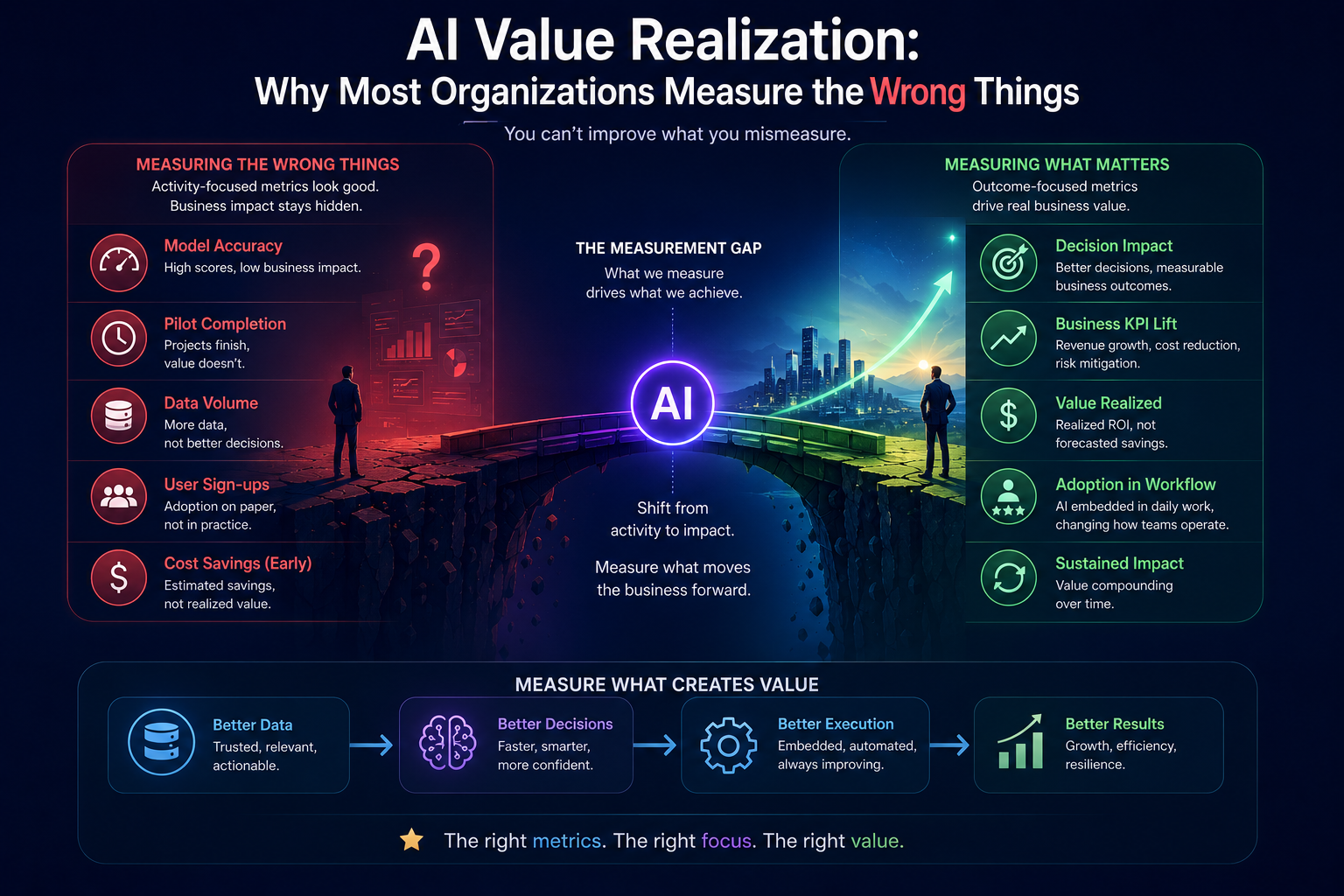
For the last decade, AI progress has been measured through accuracy.

Can the model classify correctly?
Can it predict correctly?
Can it answer correctly?
Can it generate correctly?
Can it reduce hallucination?
Can it beat a benchmark?

These are important questions. But they are not enough for enterprise AI.

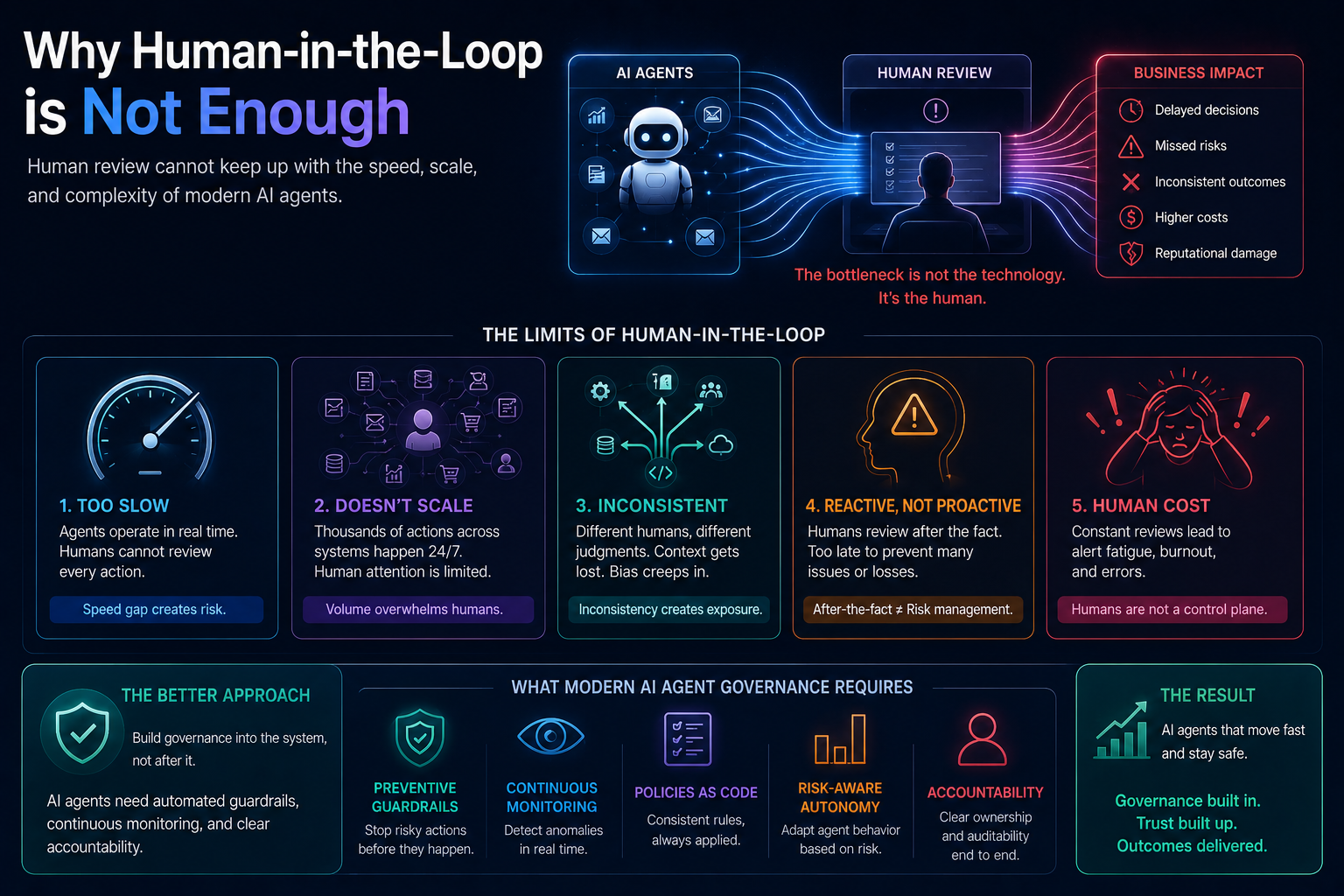
In an enterprise, AI does not merely produce answers. Increasingly, it influences decisions: approving loans, prioritizing patients, escalating security incidents, shortlisting suppliers, flagging fraud, drafting legal clauses, pricing products, routing claims, managing infrastructure, and triggering workflows.

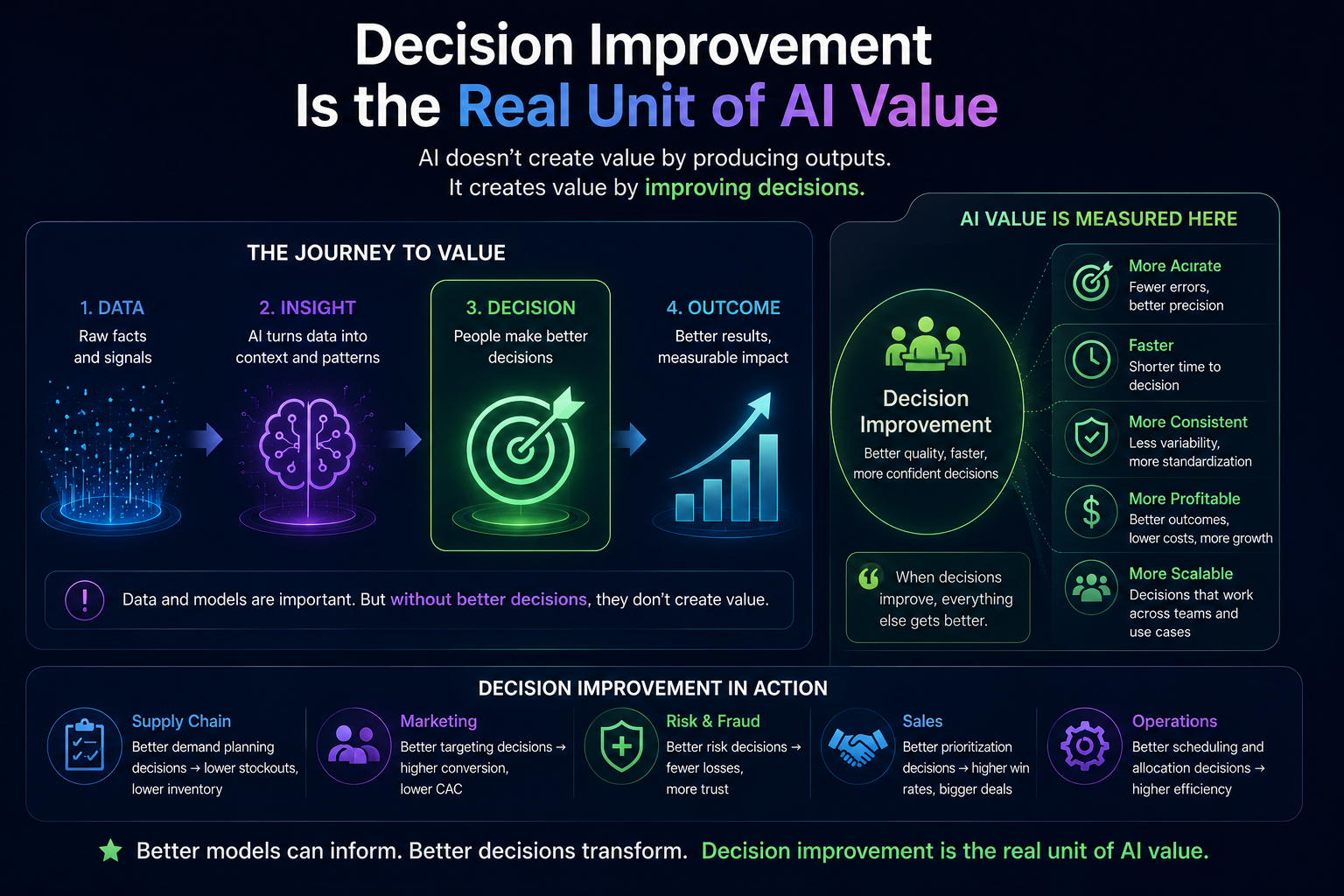
Once AI begins influencing decisions, output accuracy becomes only one part of trust.

A decision can be factually correct and still be invalid.

An AI system may correctly detect risk but act on the wrong customer record. It may correctly summarize a document but miss the latest policy update. It may correctly identify a likely fraud pattern but ignore a required human review step. It may correctly recommend an action but use stale, incomplete, or unauthorized data.

This is why enterprises need Decision Verification Architecture.

Decision Verification Architecture is the technical and governance architecture that proves an AI-driven decision is not only accurate, but also grounded, authorized, context-aware, policy-compliant, traceable, and correctable.

This is a critical idea for the next phase of enterprise AI.

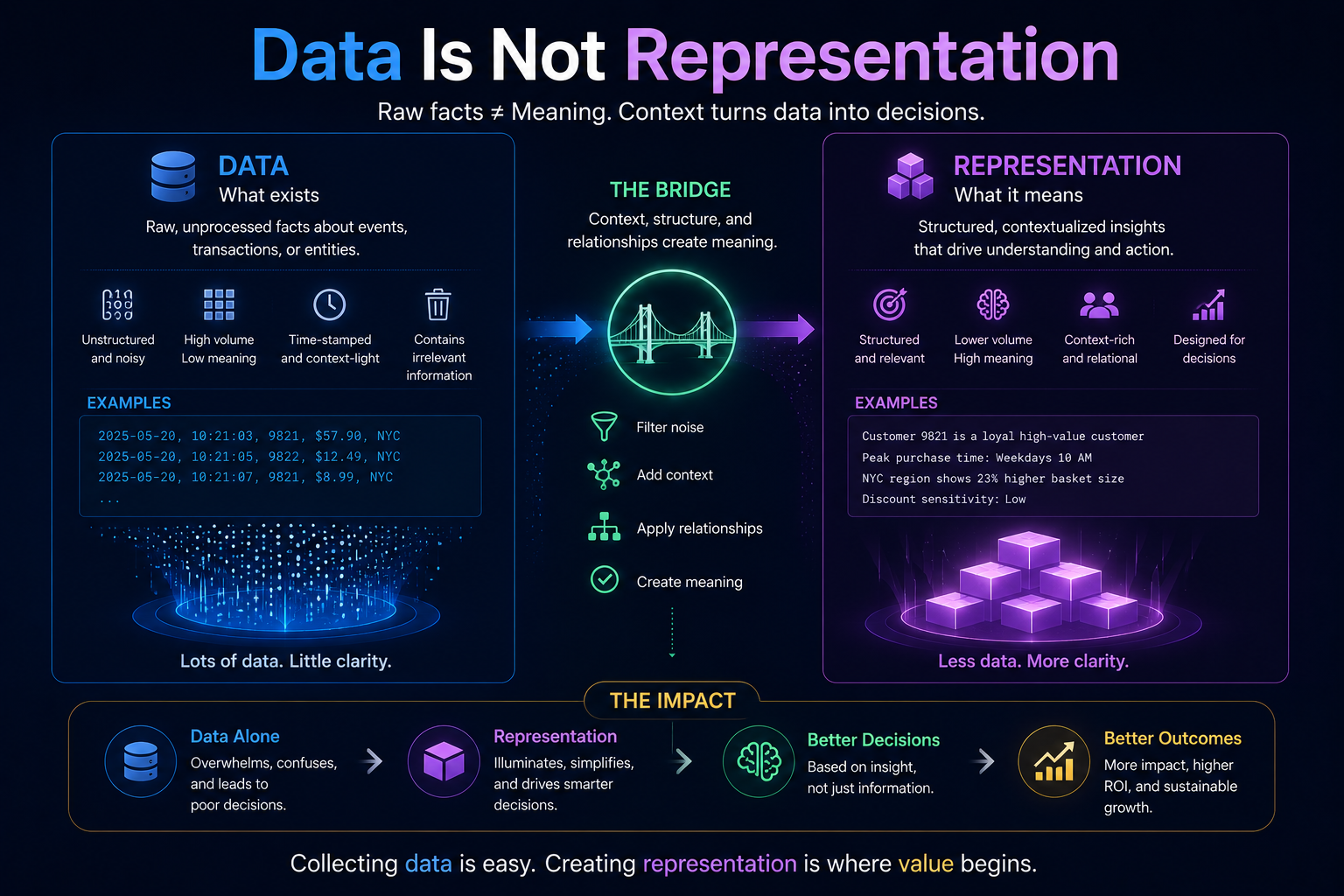
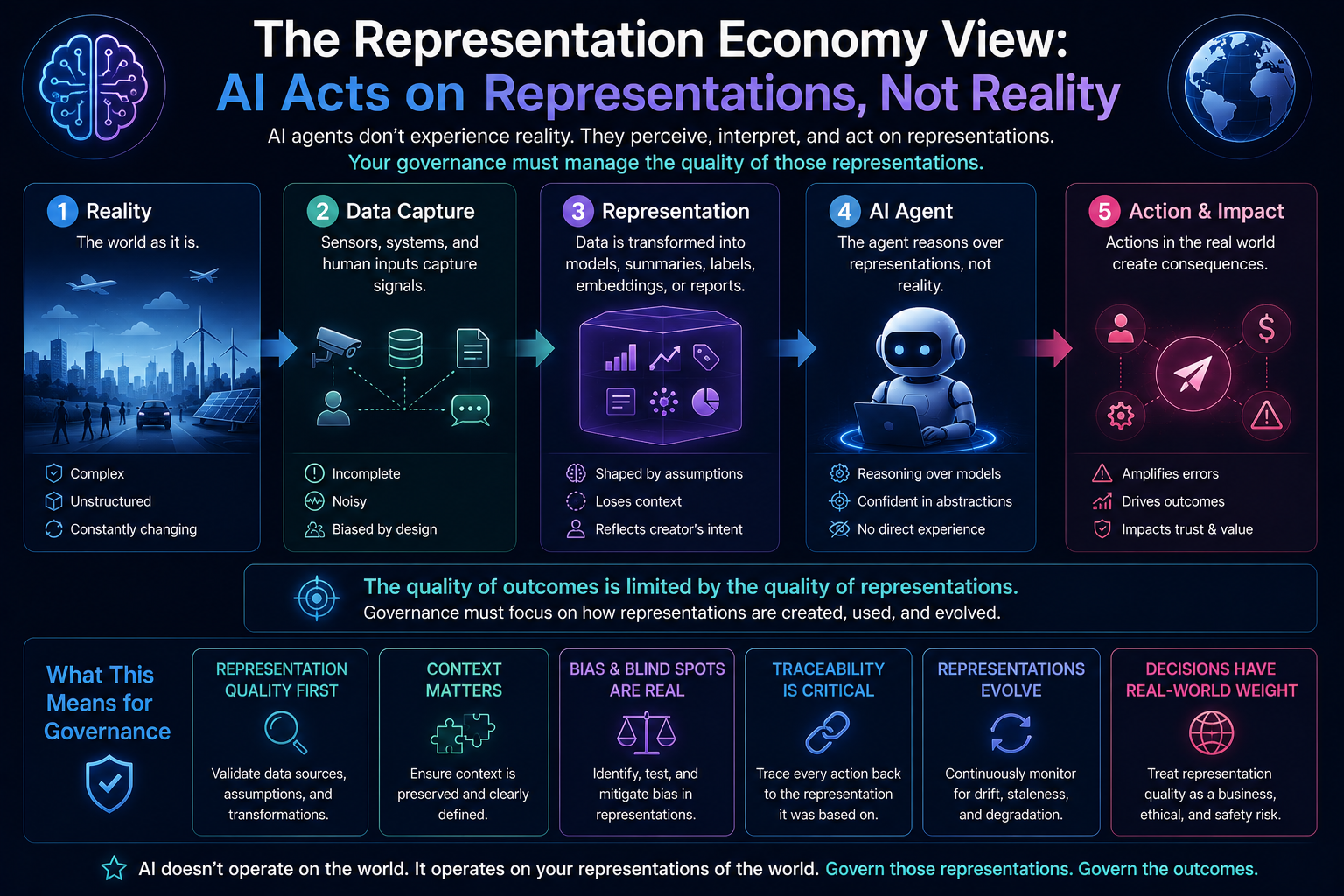
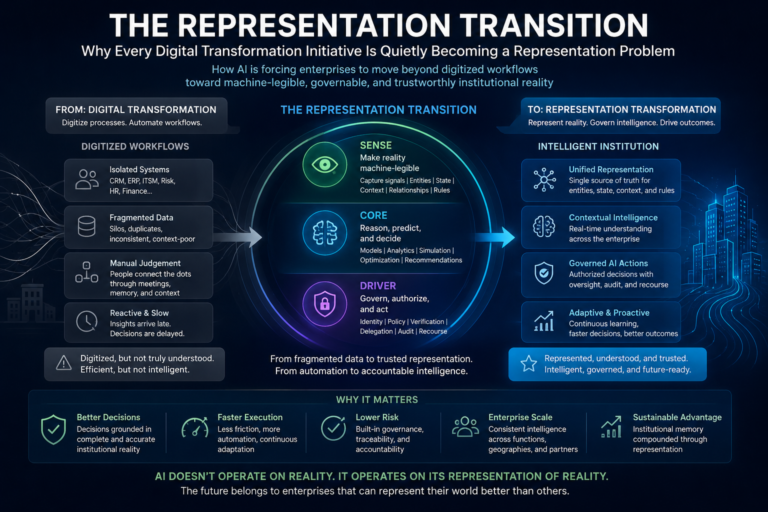
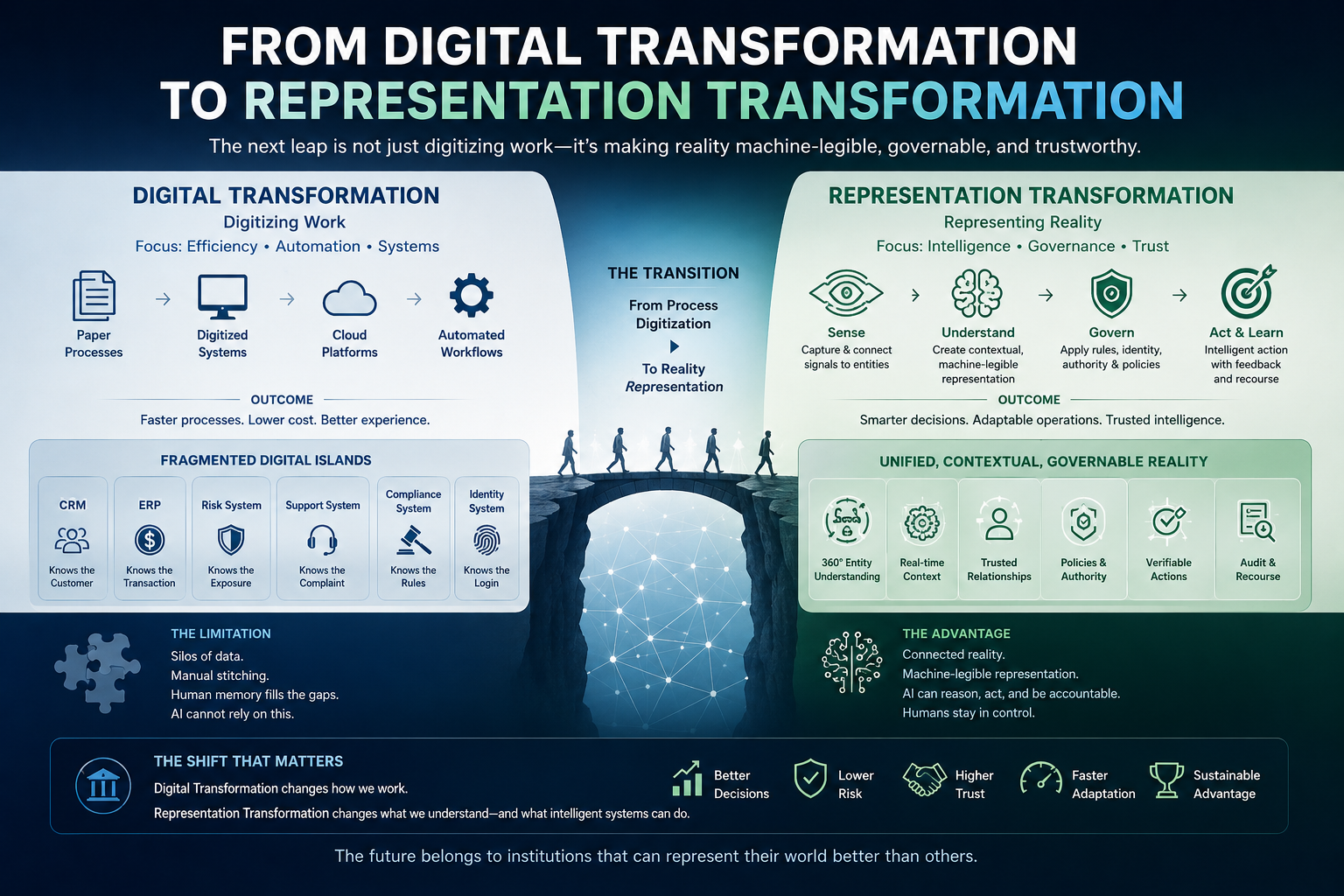
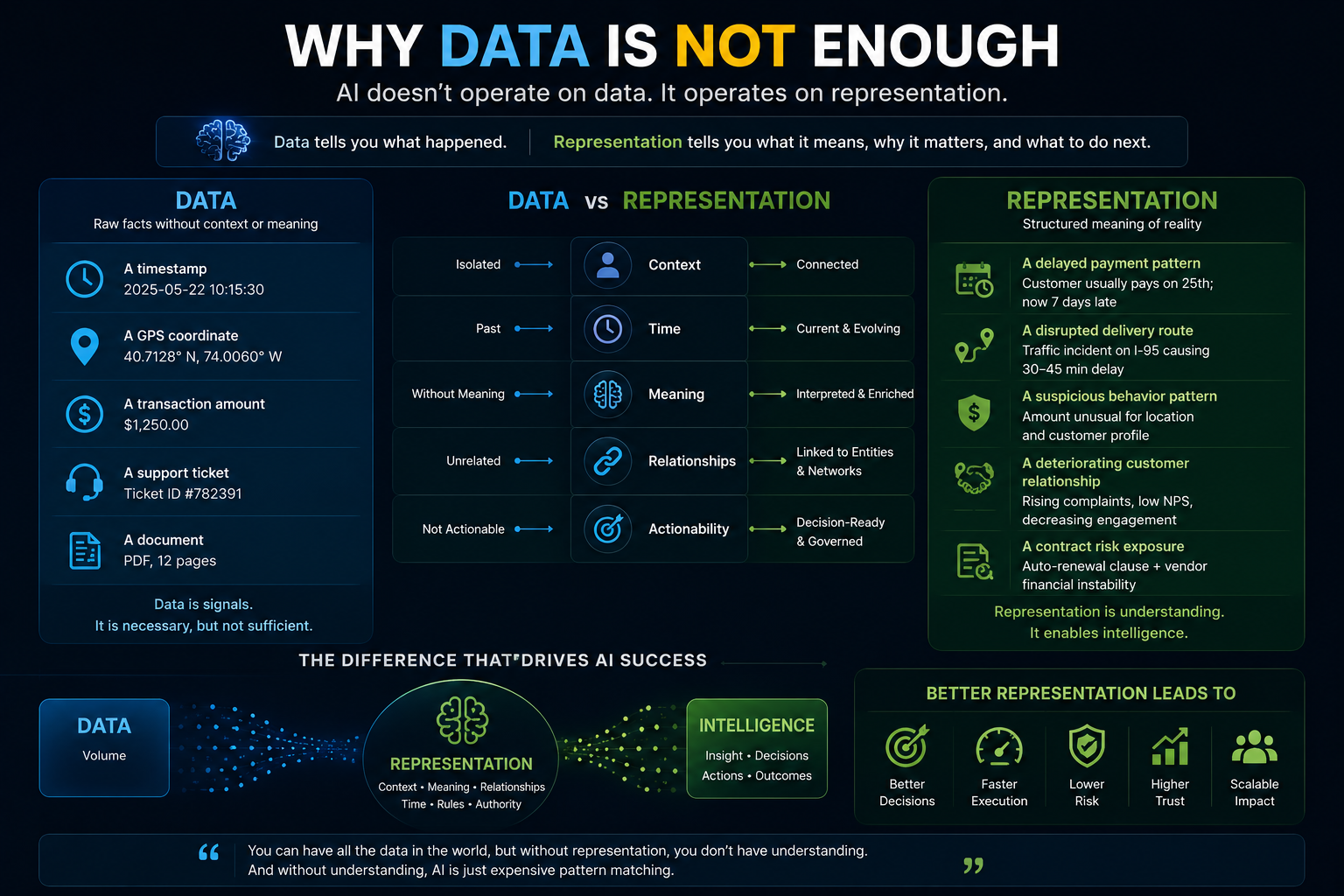
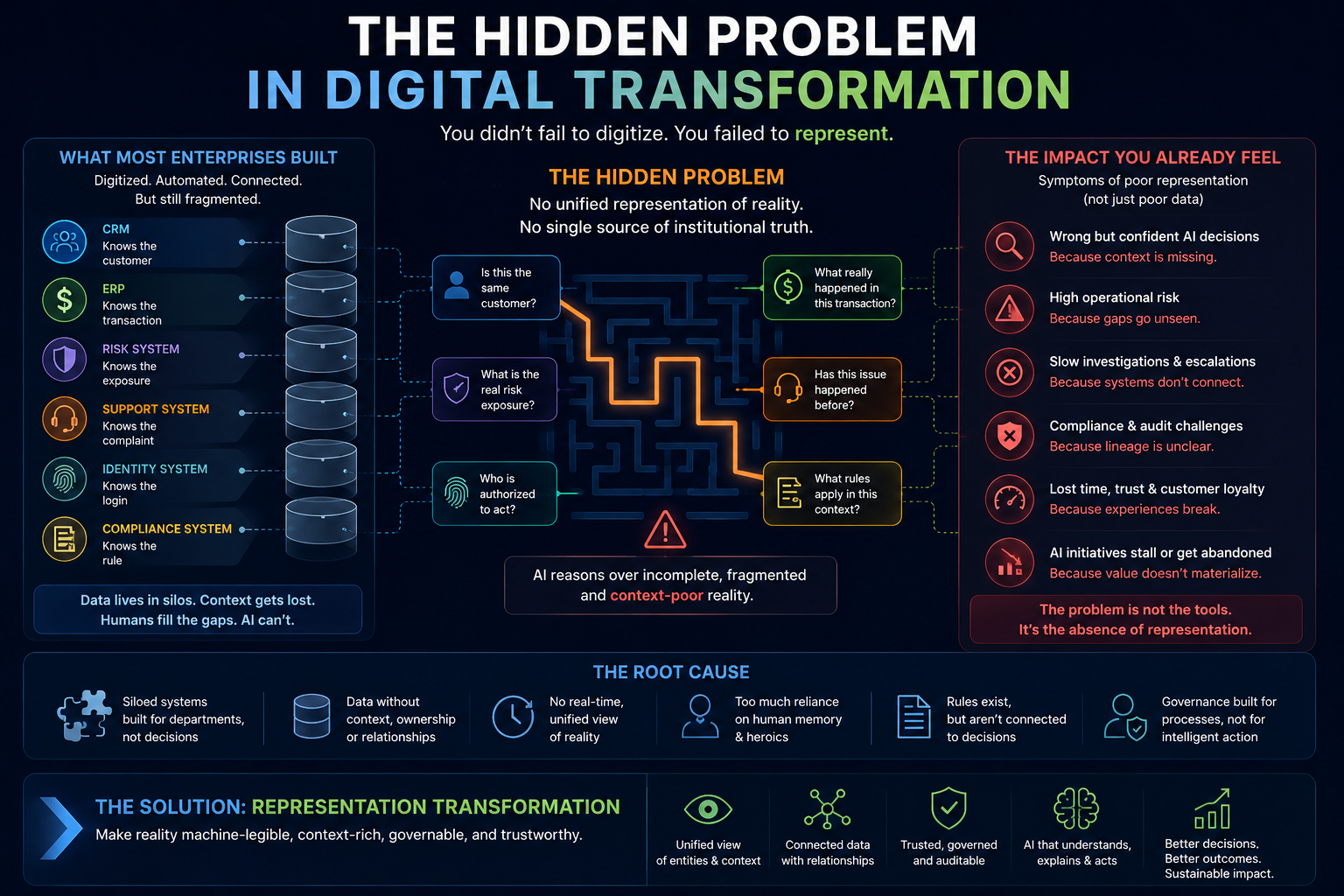
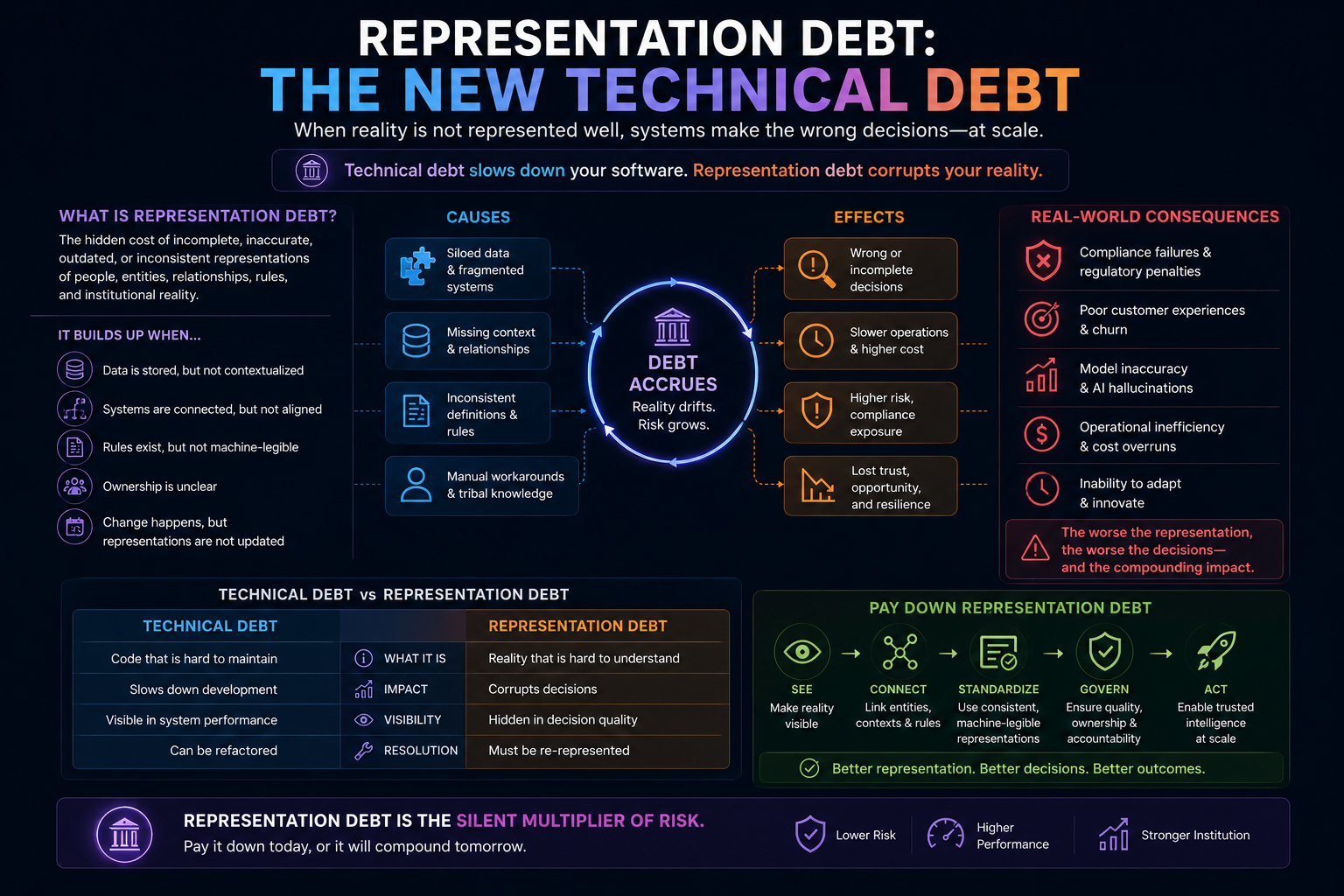
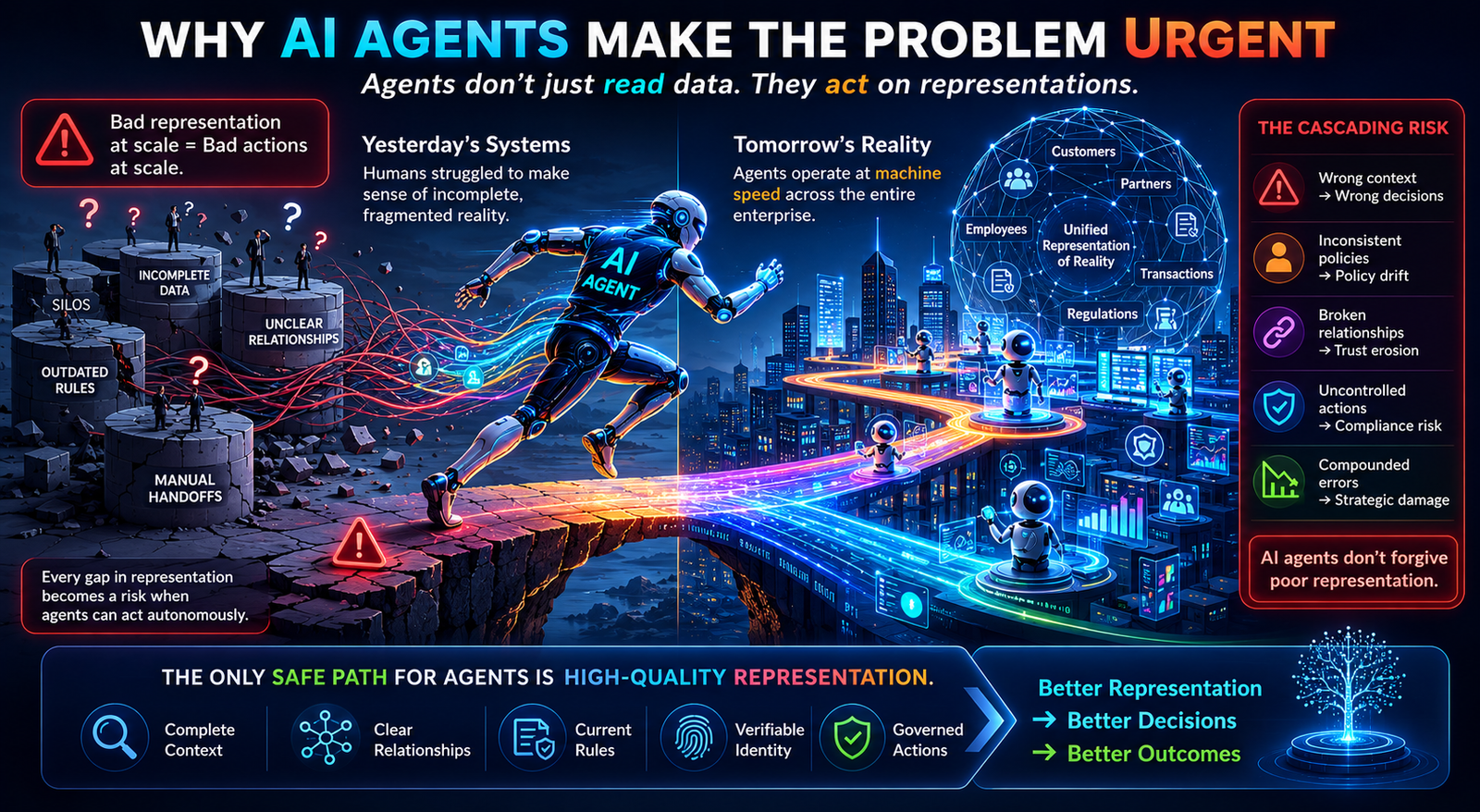
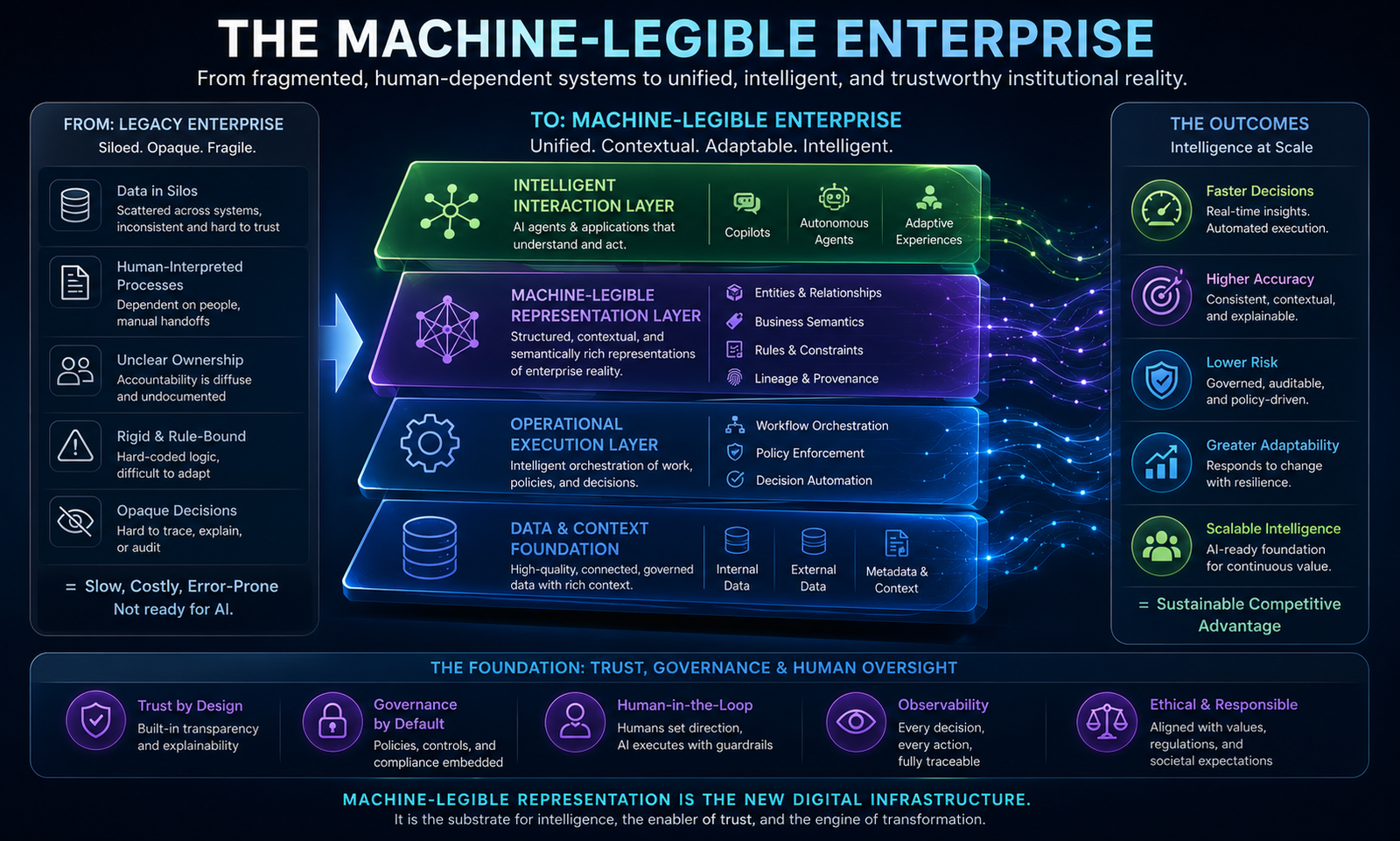
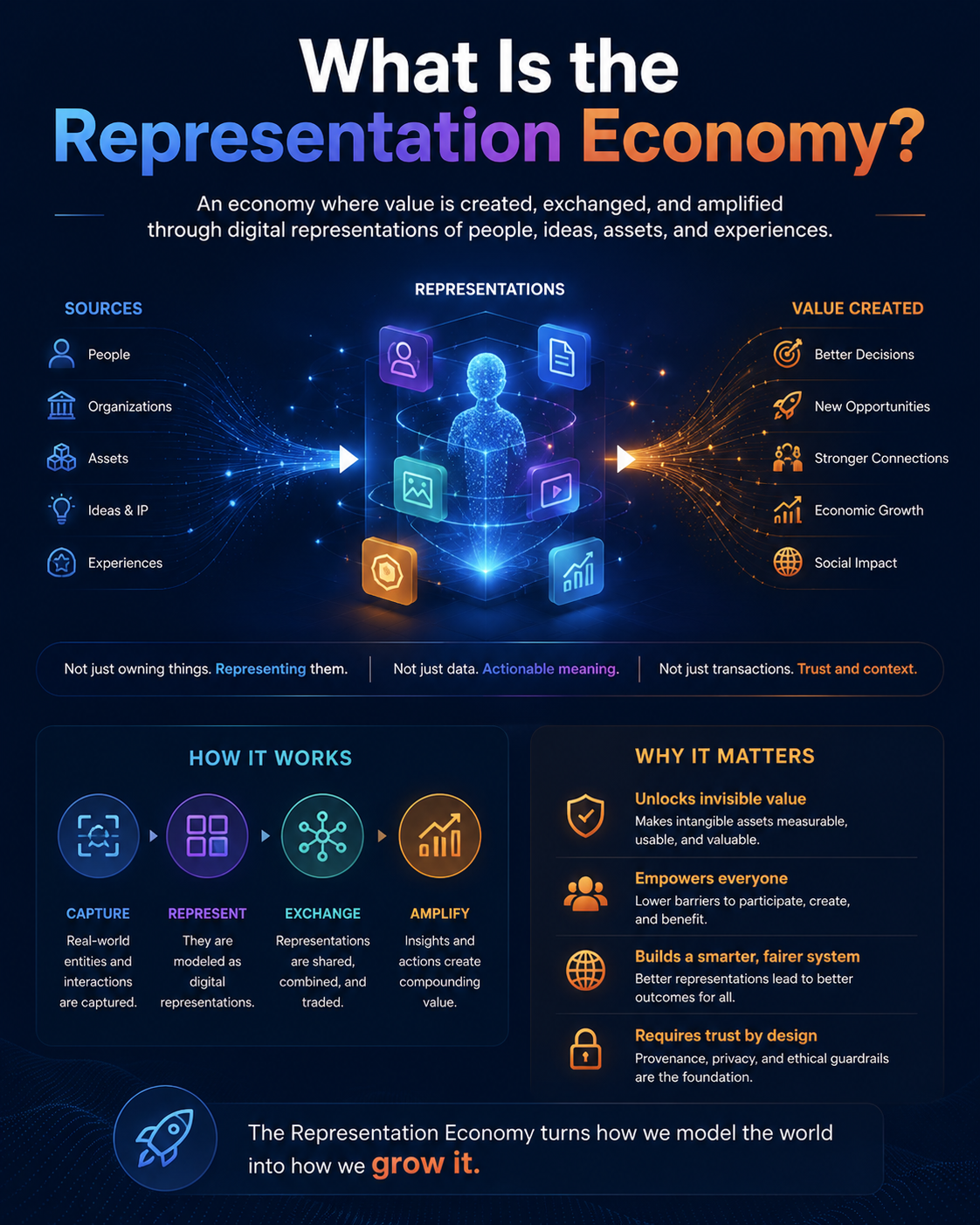
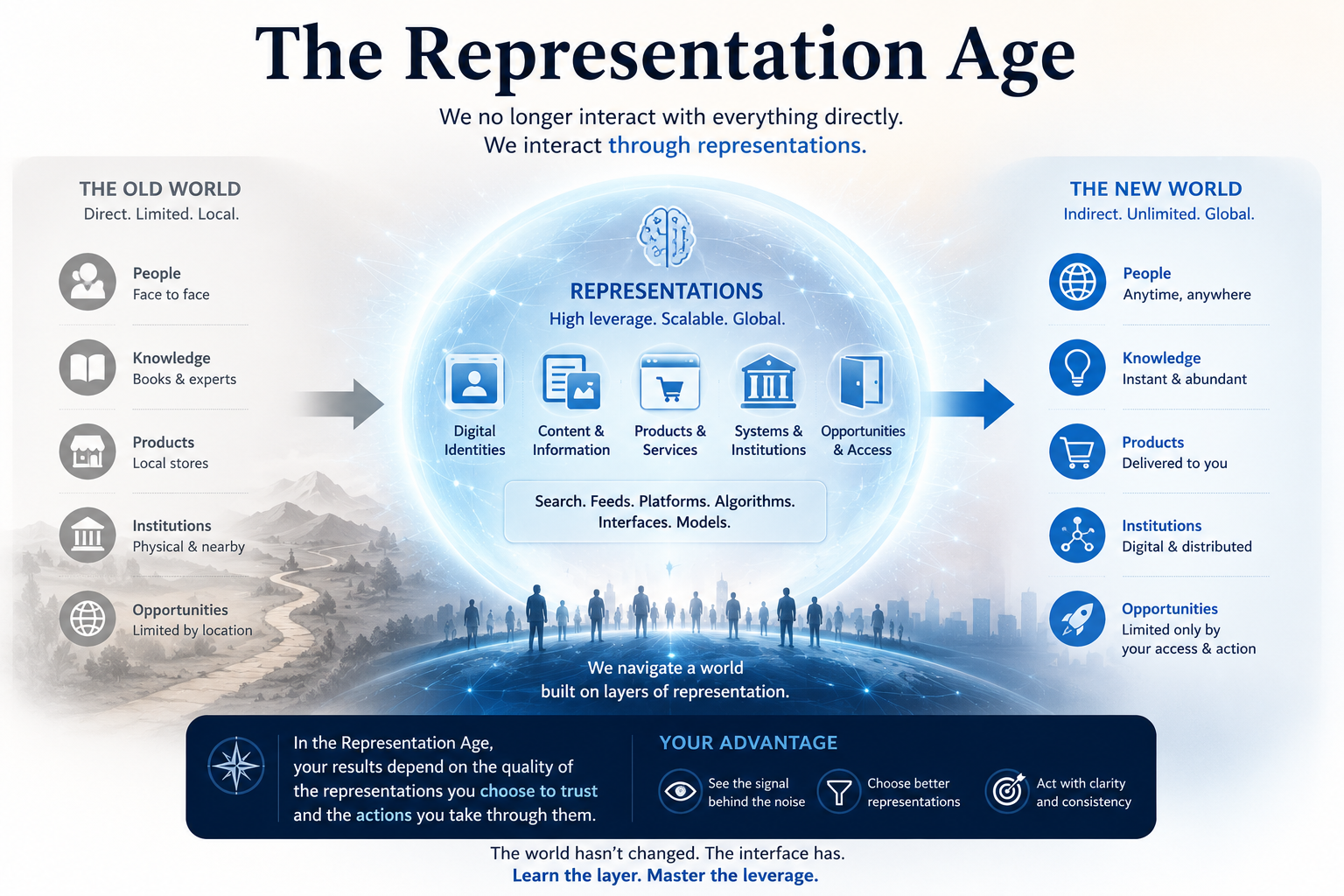
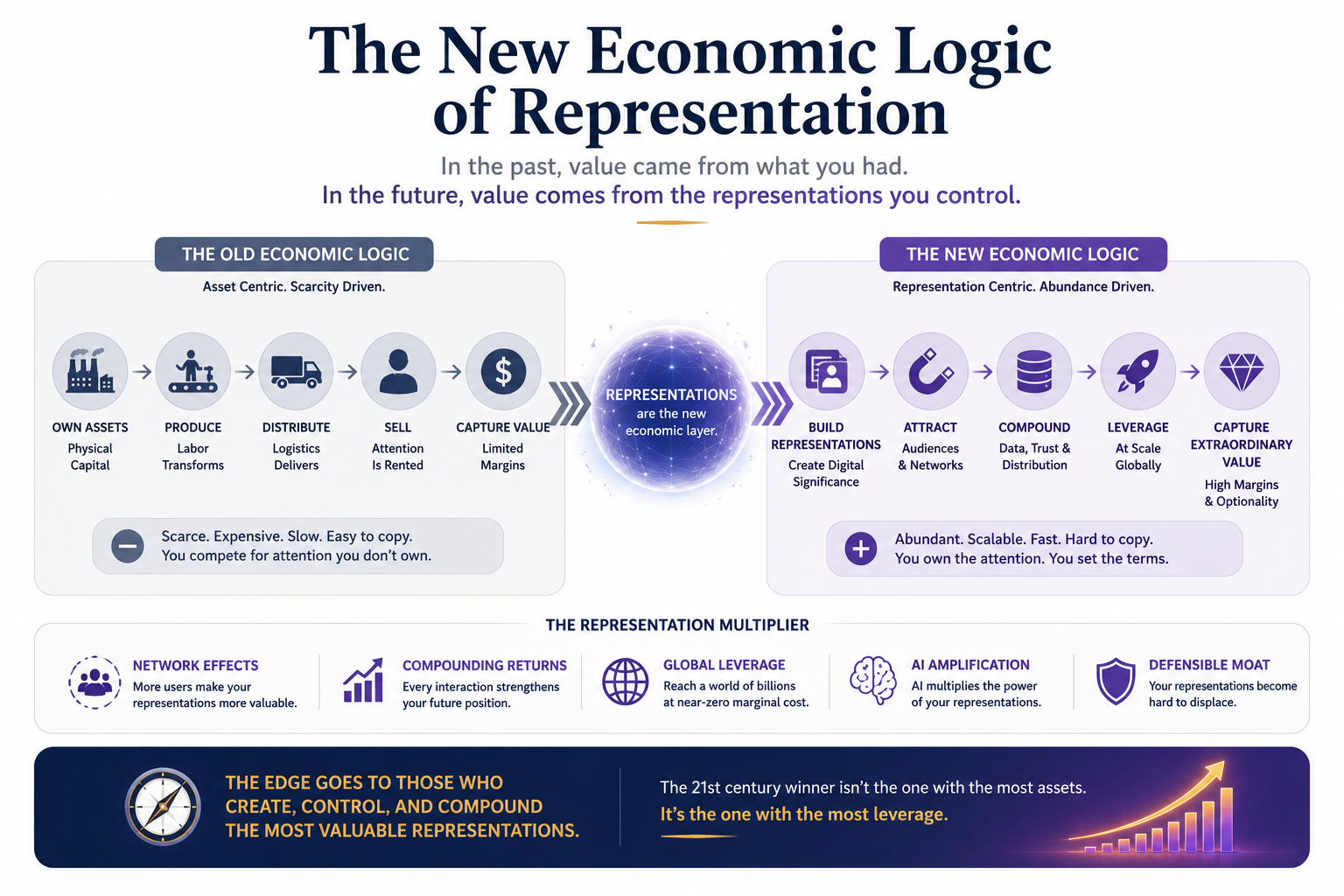
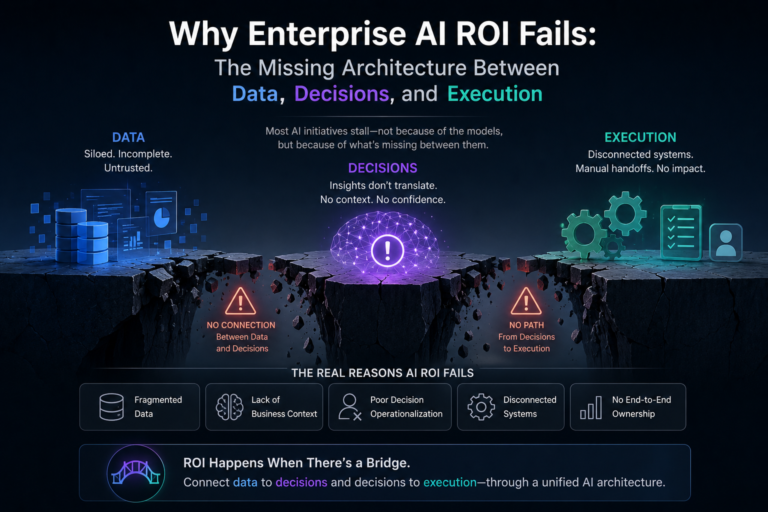
Because in the Representation Economy, intelligence alone is not enough. Organizations must prove that their AI systems represent reality correctly, reason responsibly, and act legitimately.

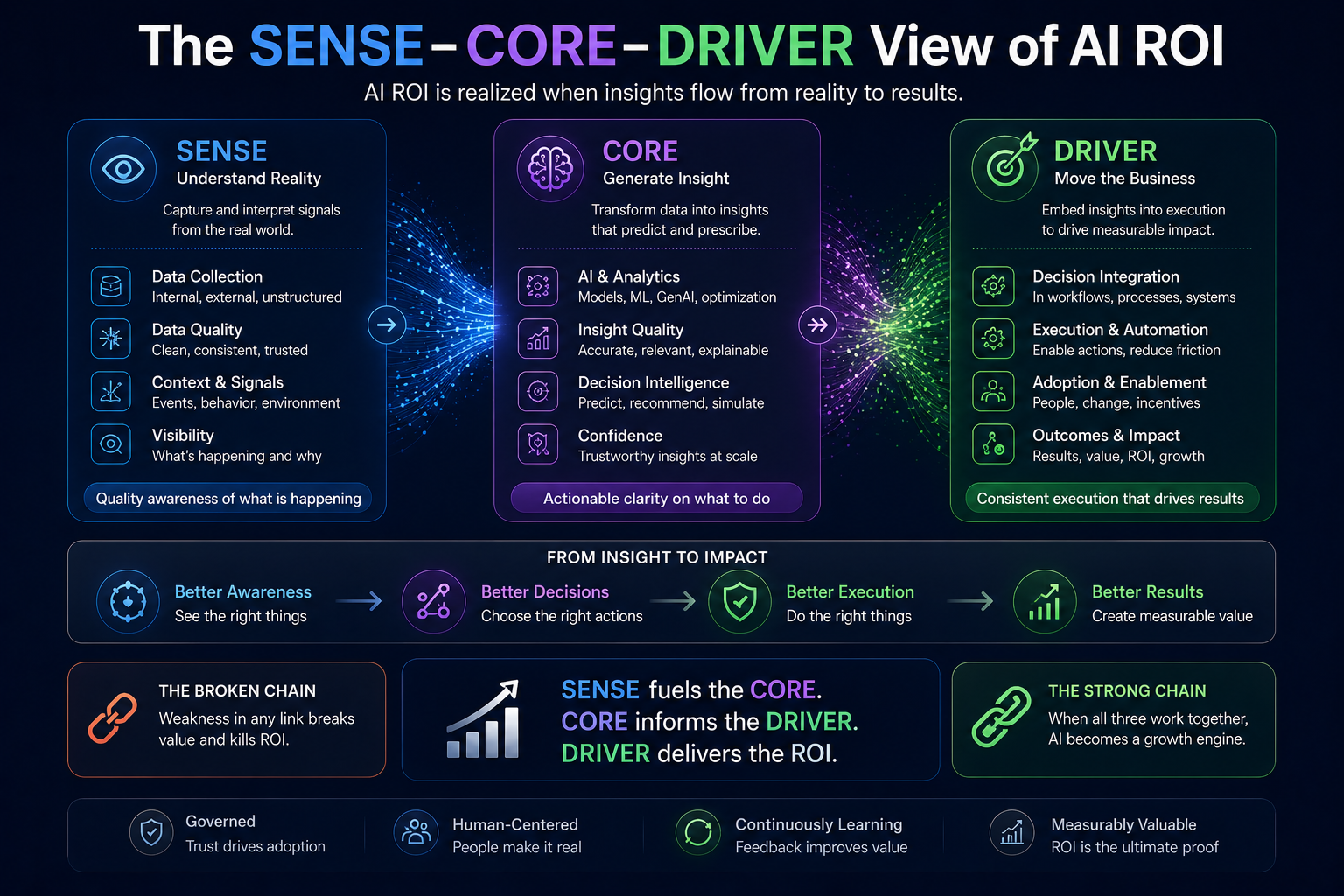
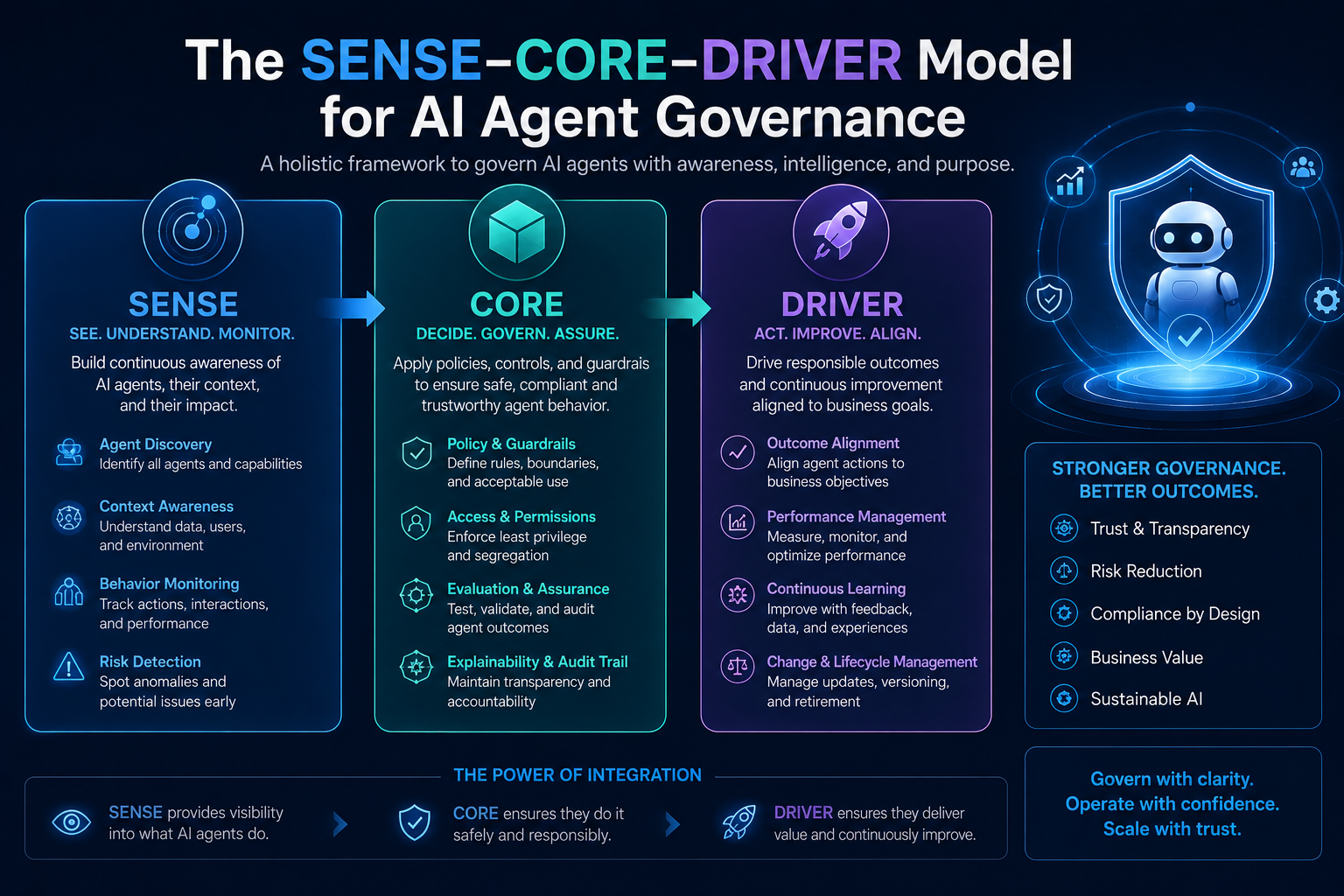
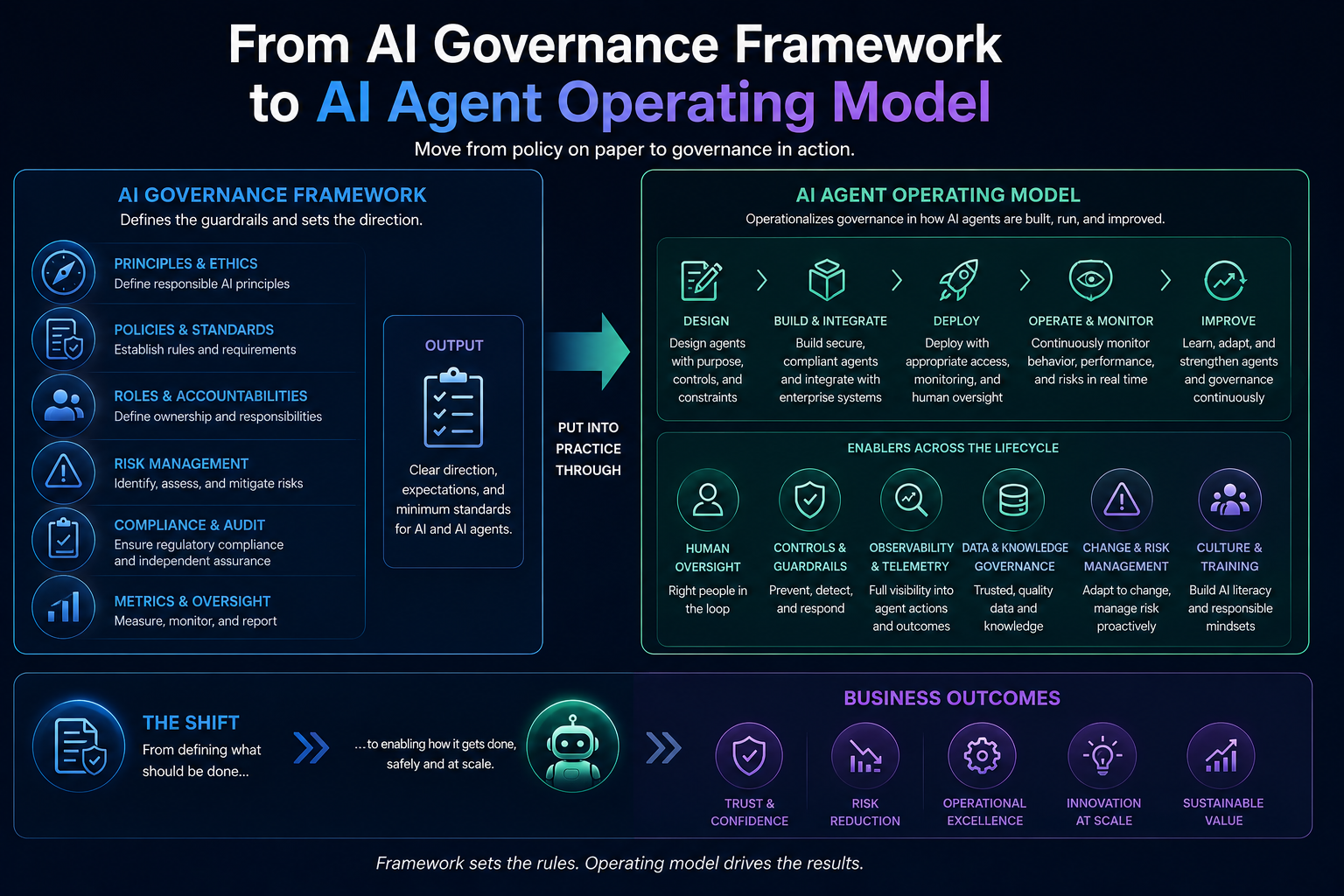
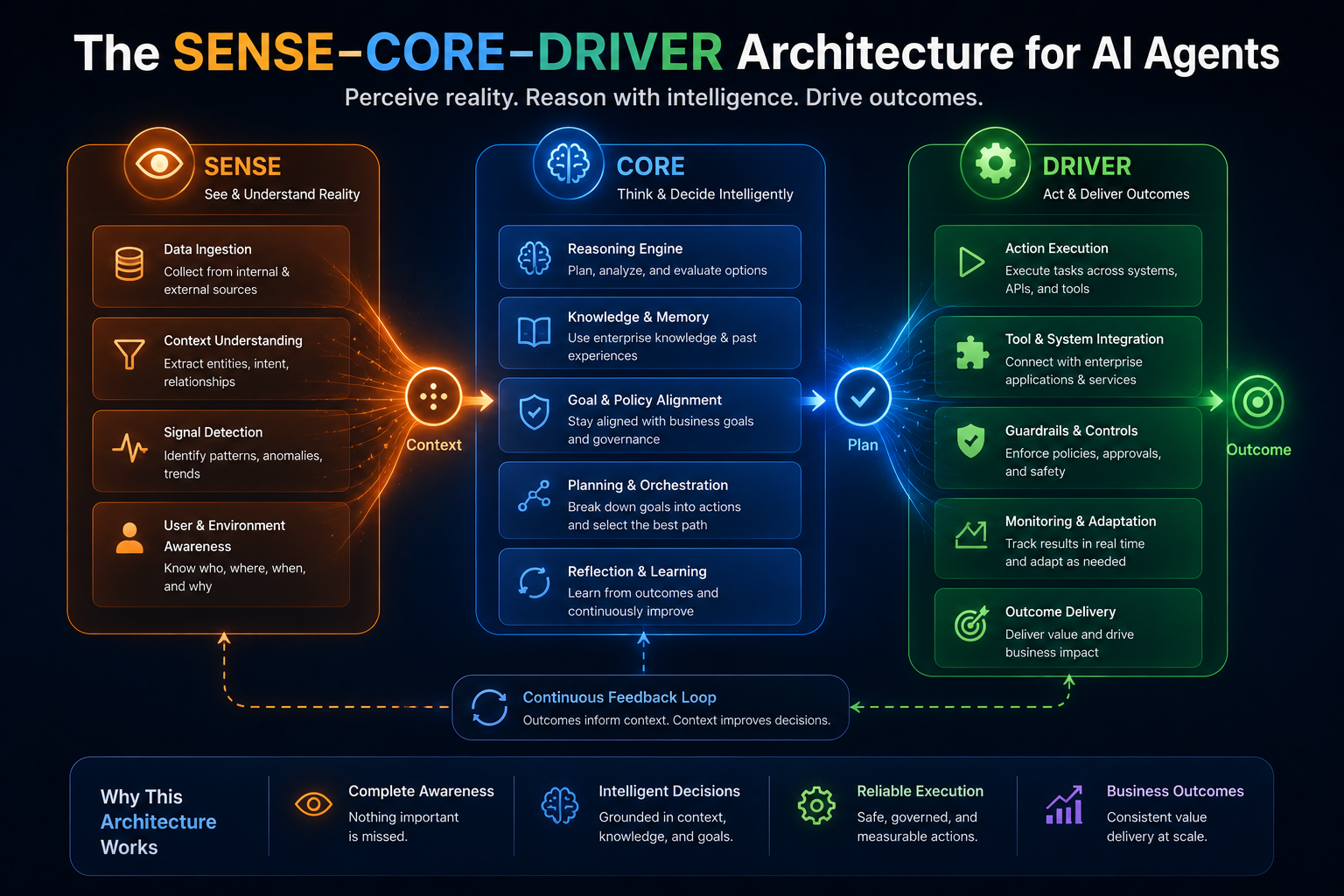
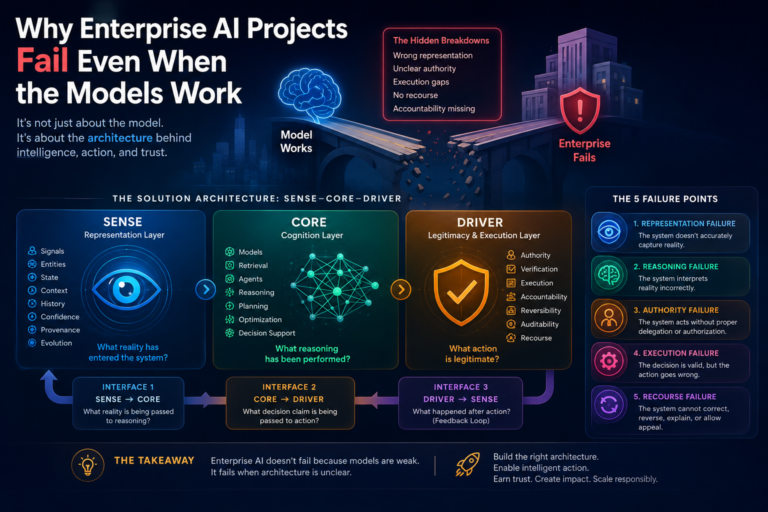
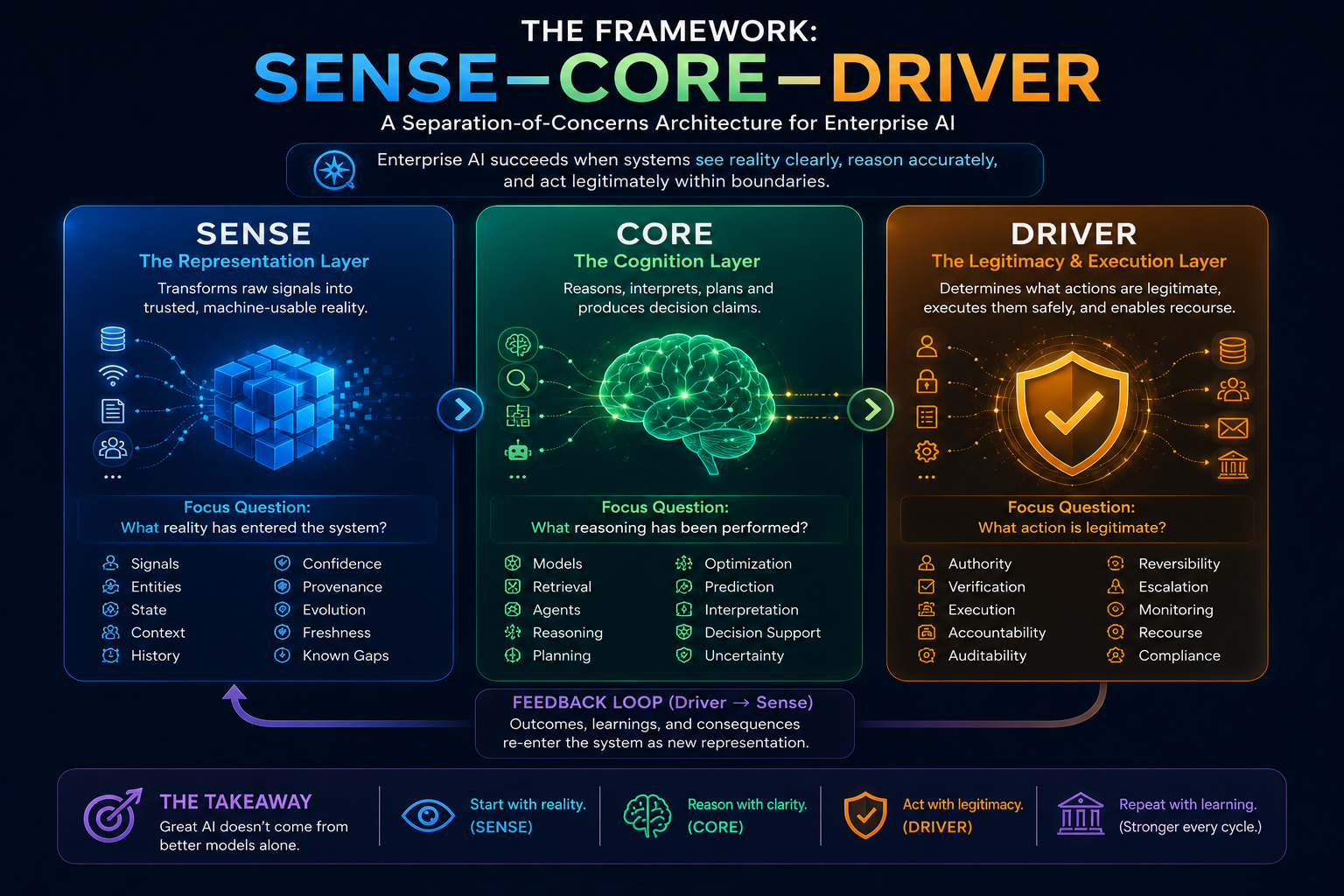
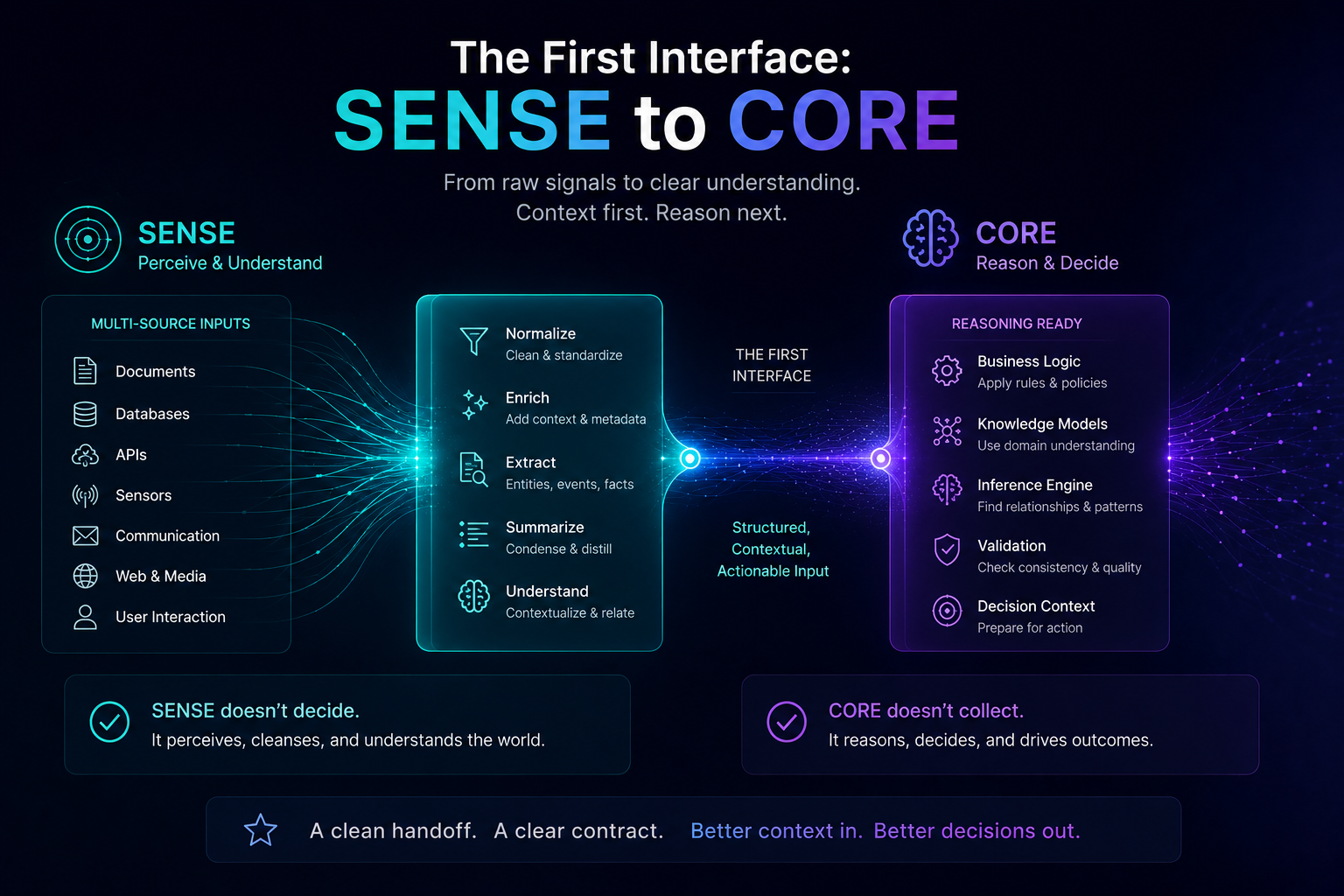
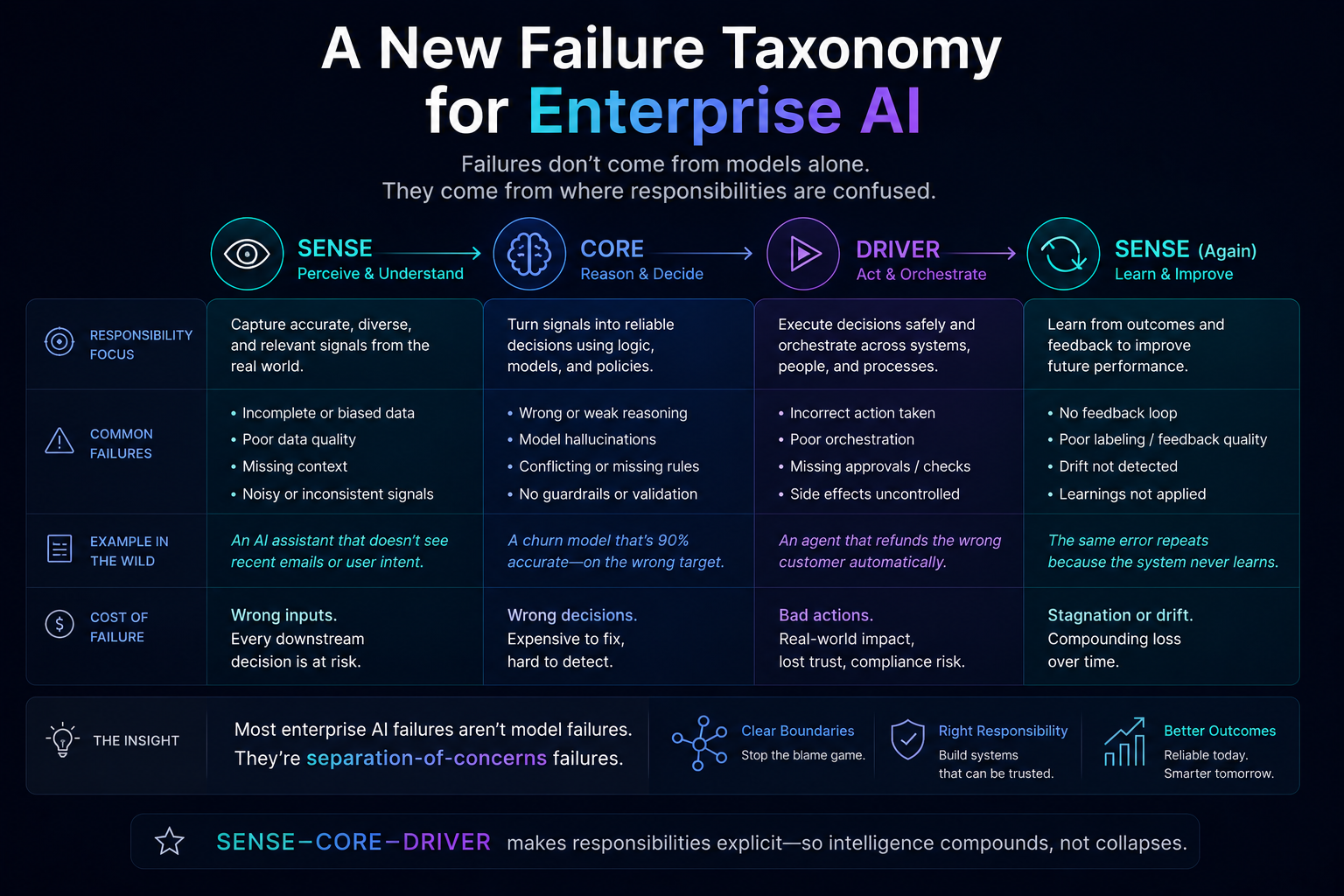
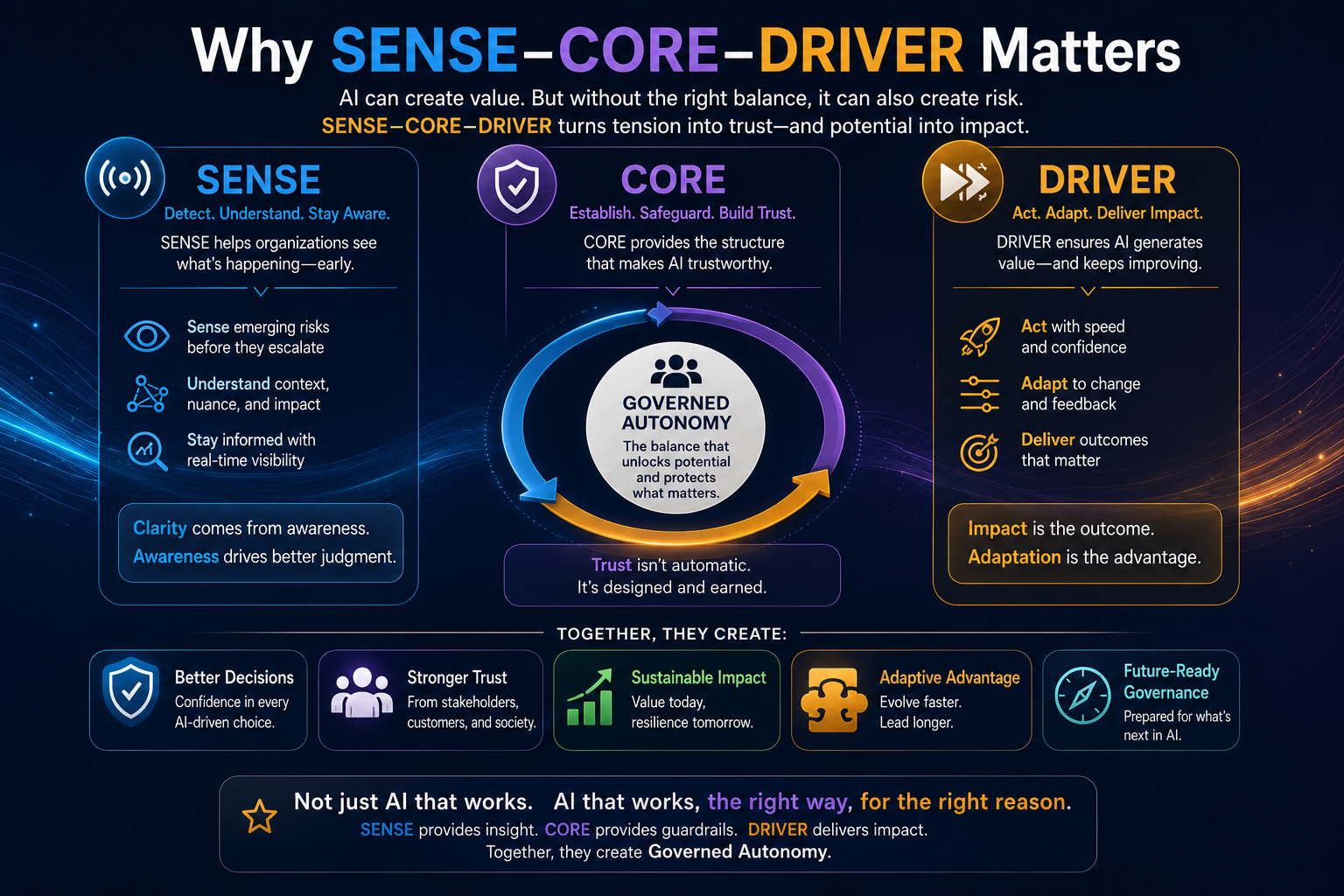
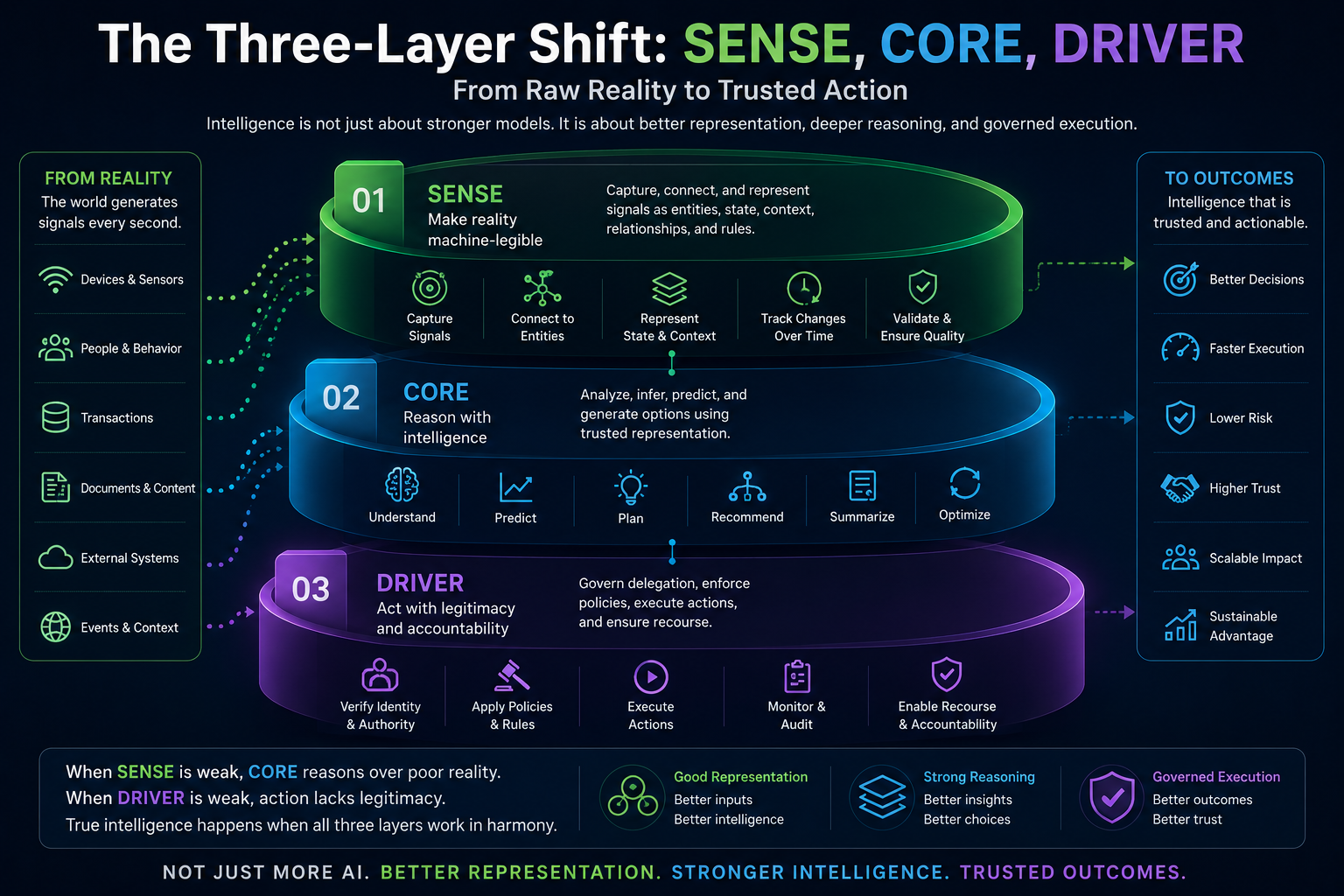
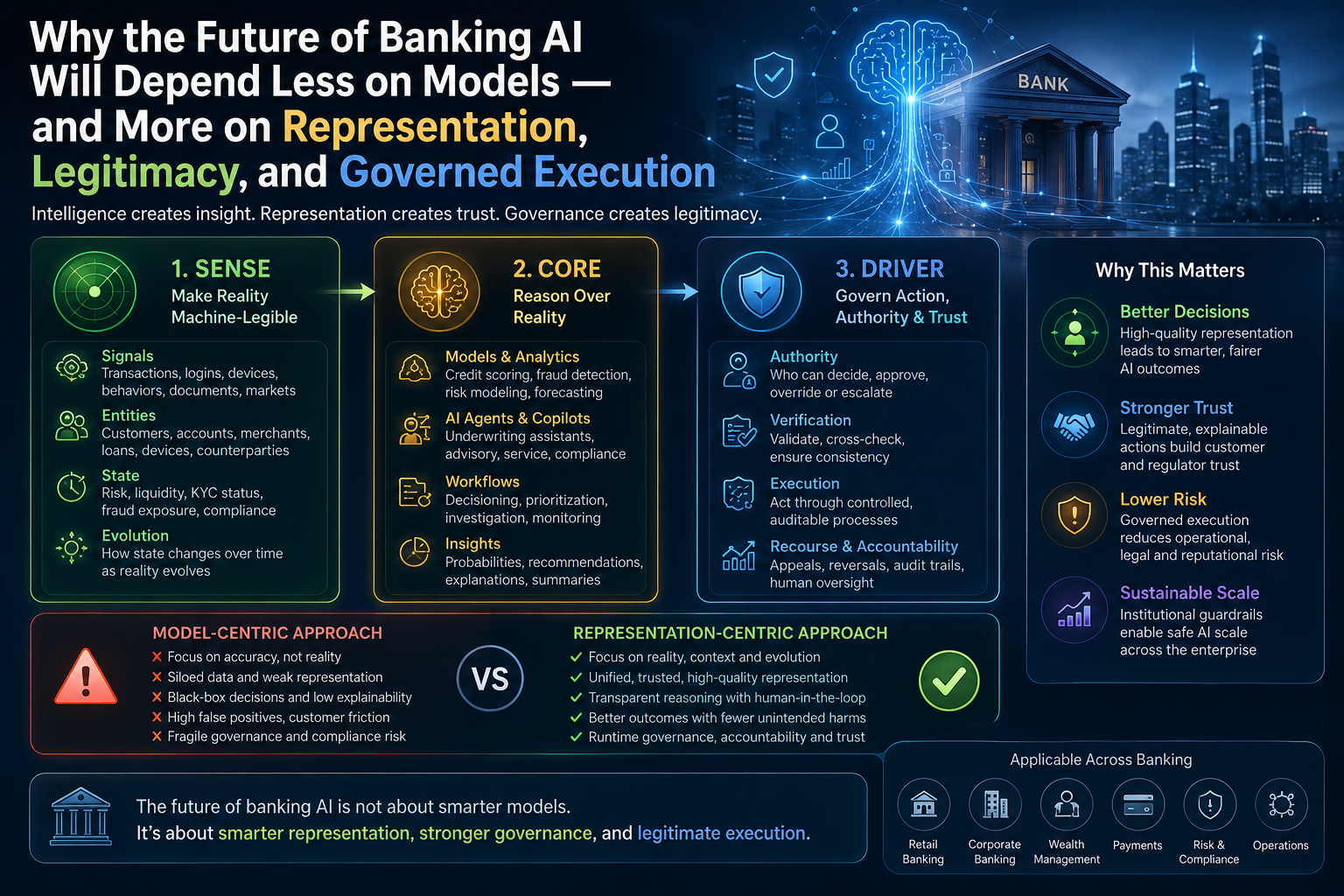
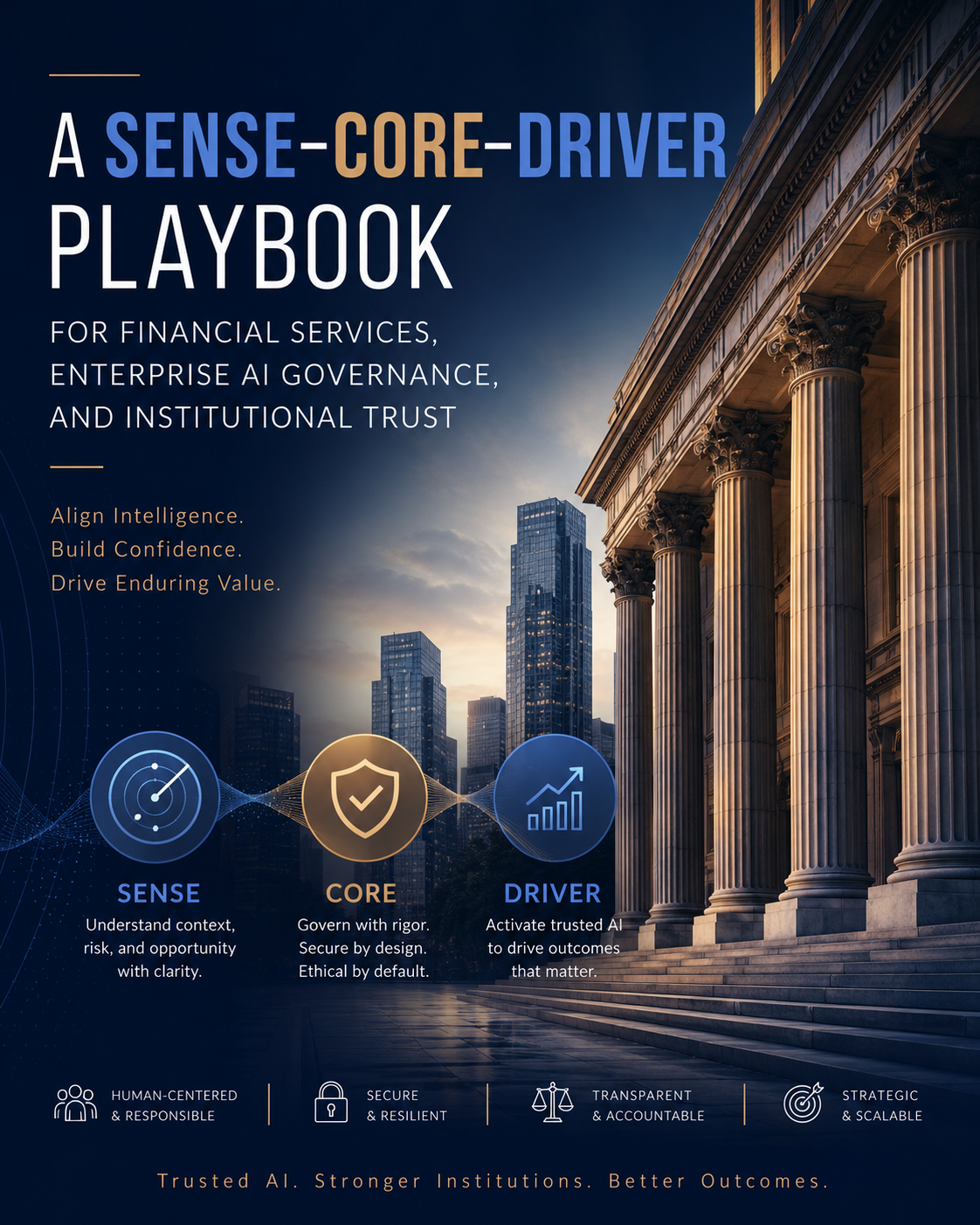
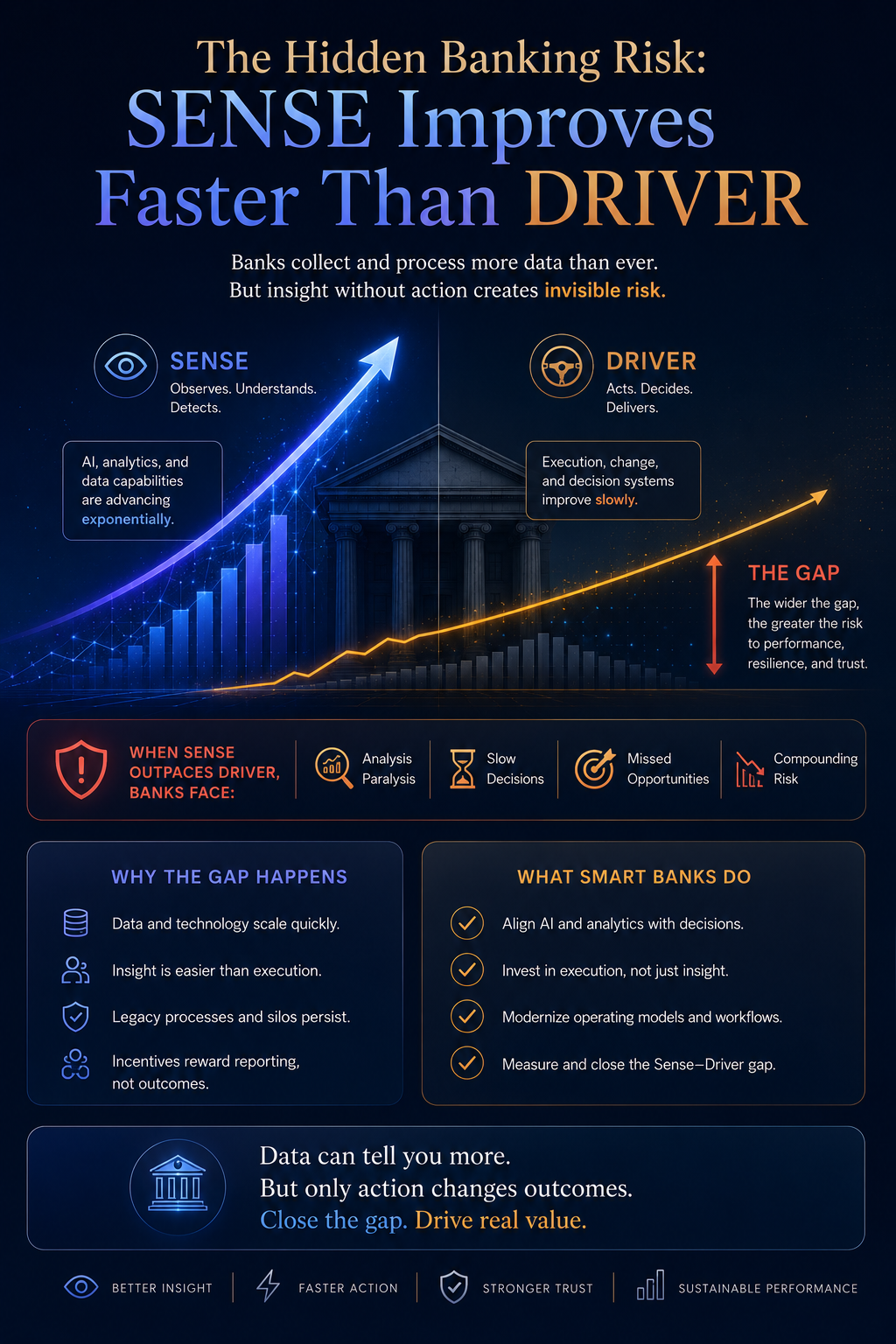
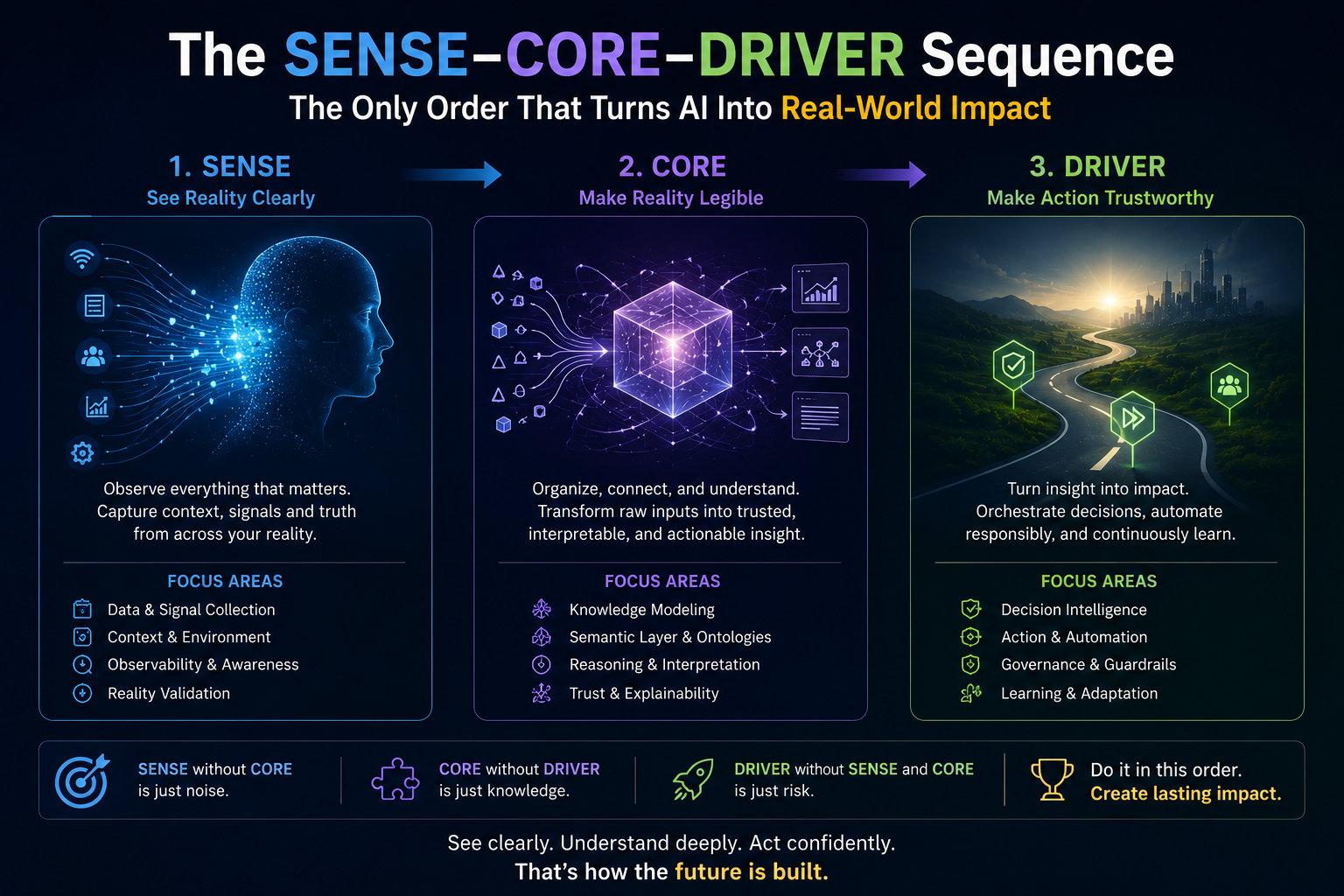
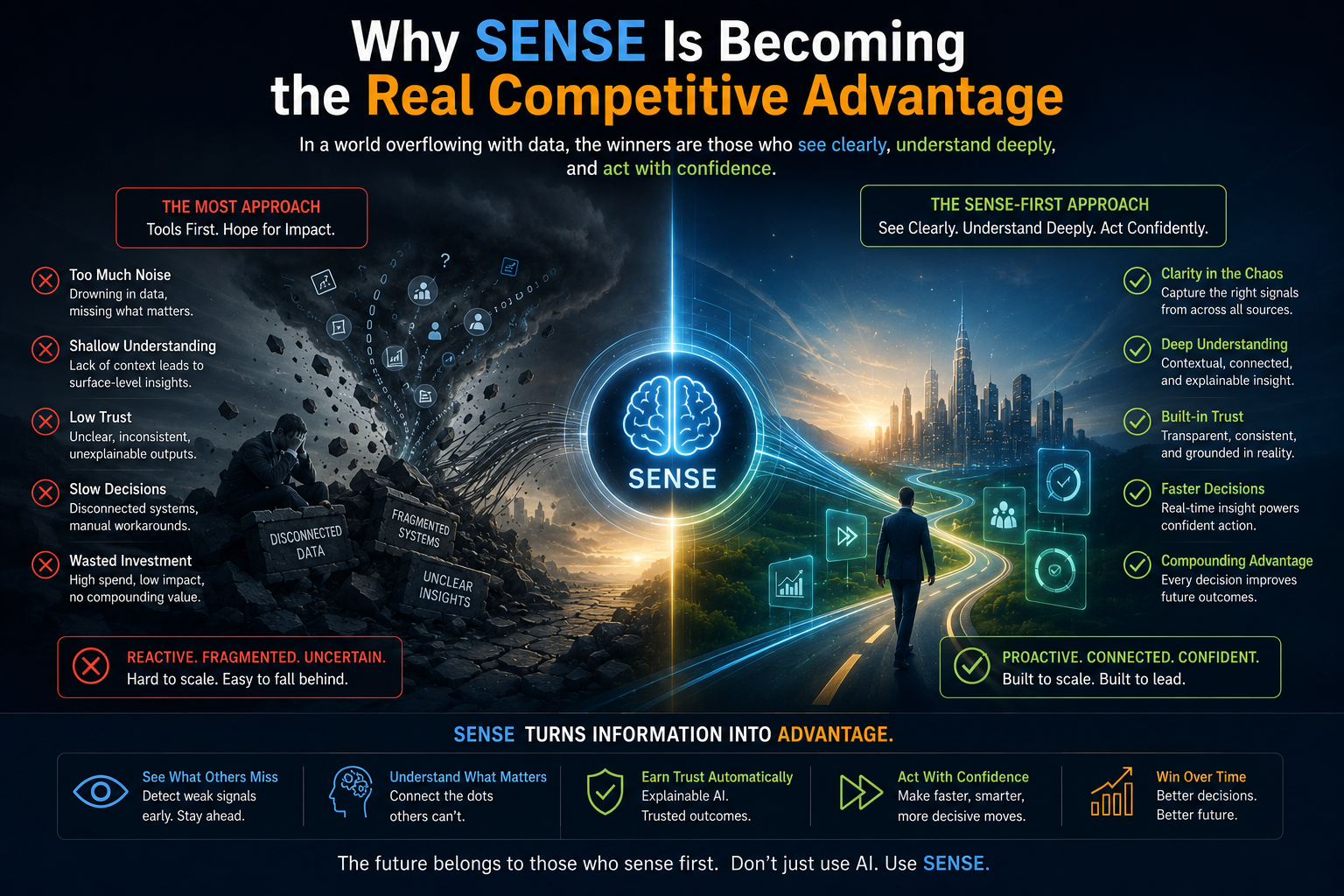
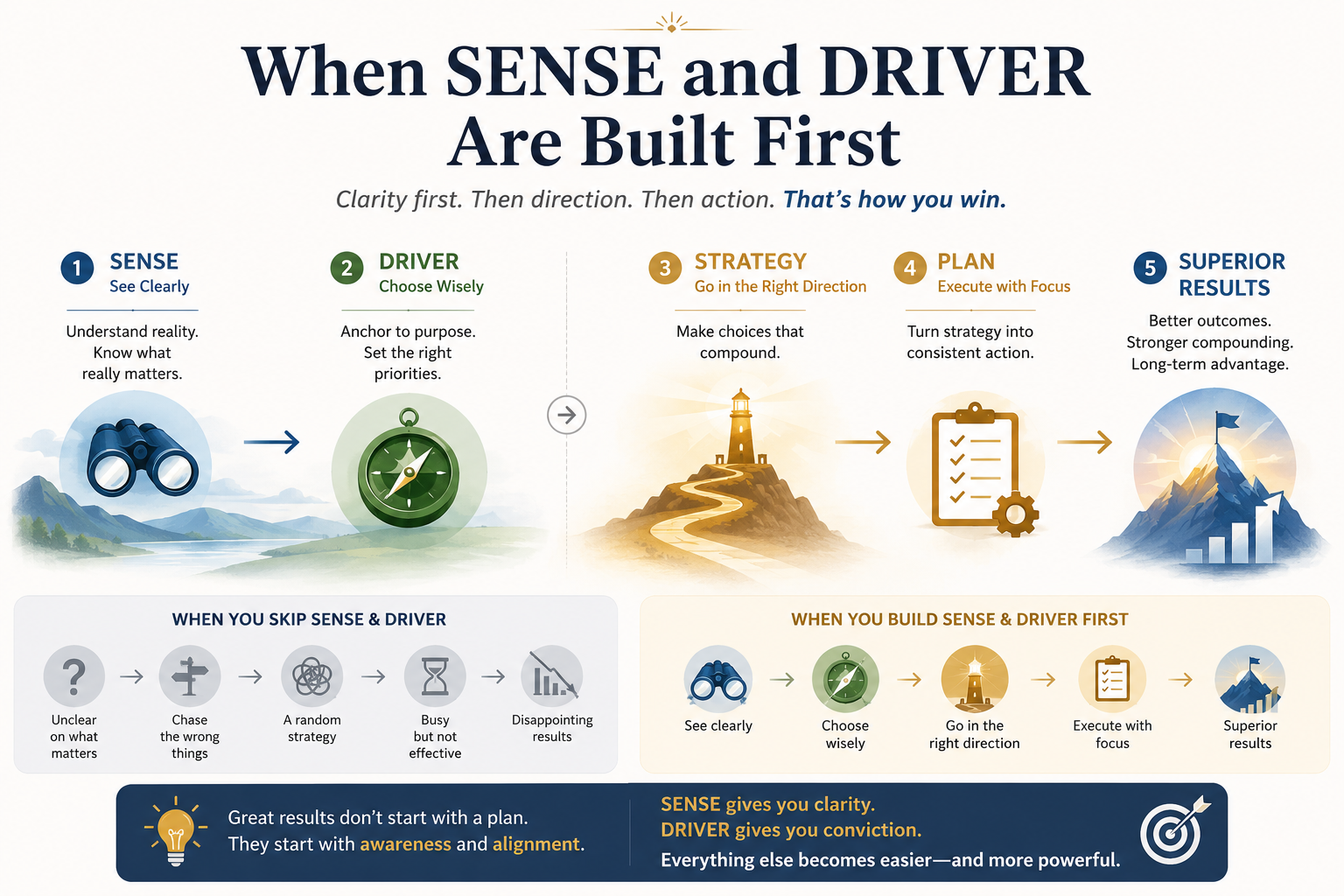
SENSE makes reality machine-readable.
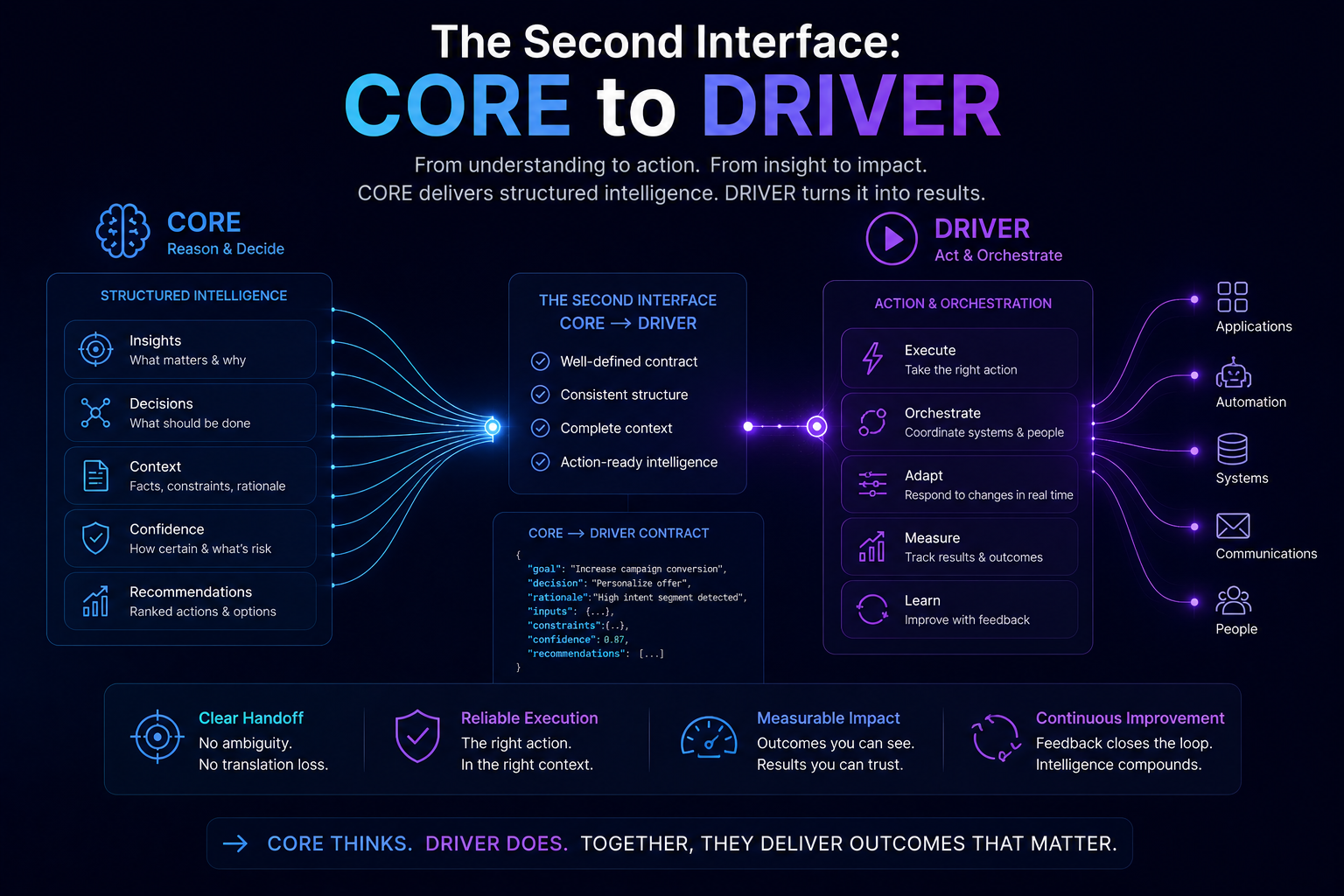
CORE interprets and reasons over that reality.
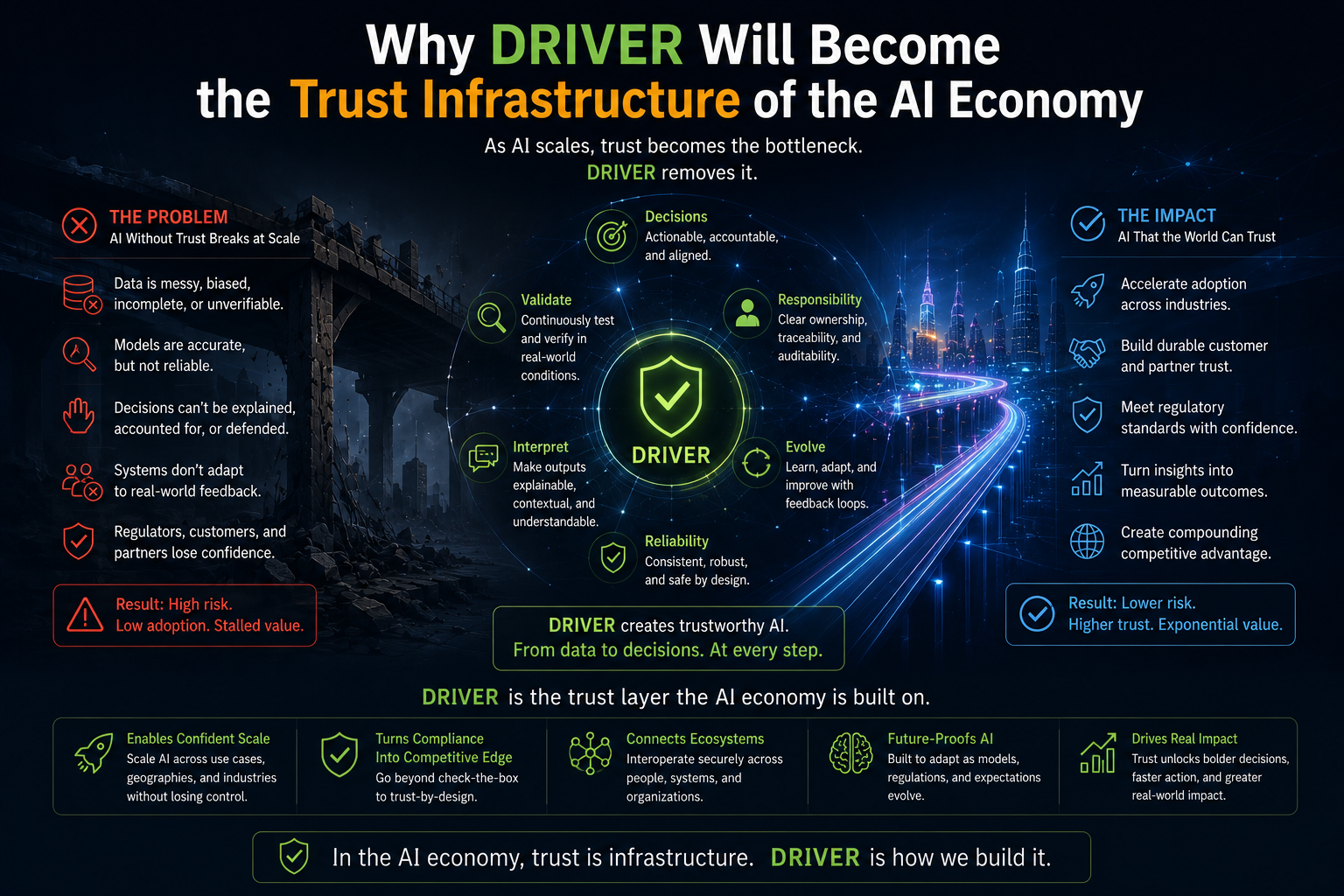
DRIVER governs how action happens.

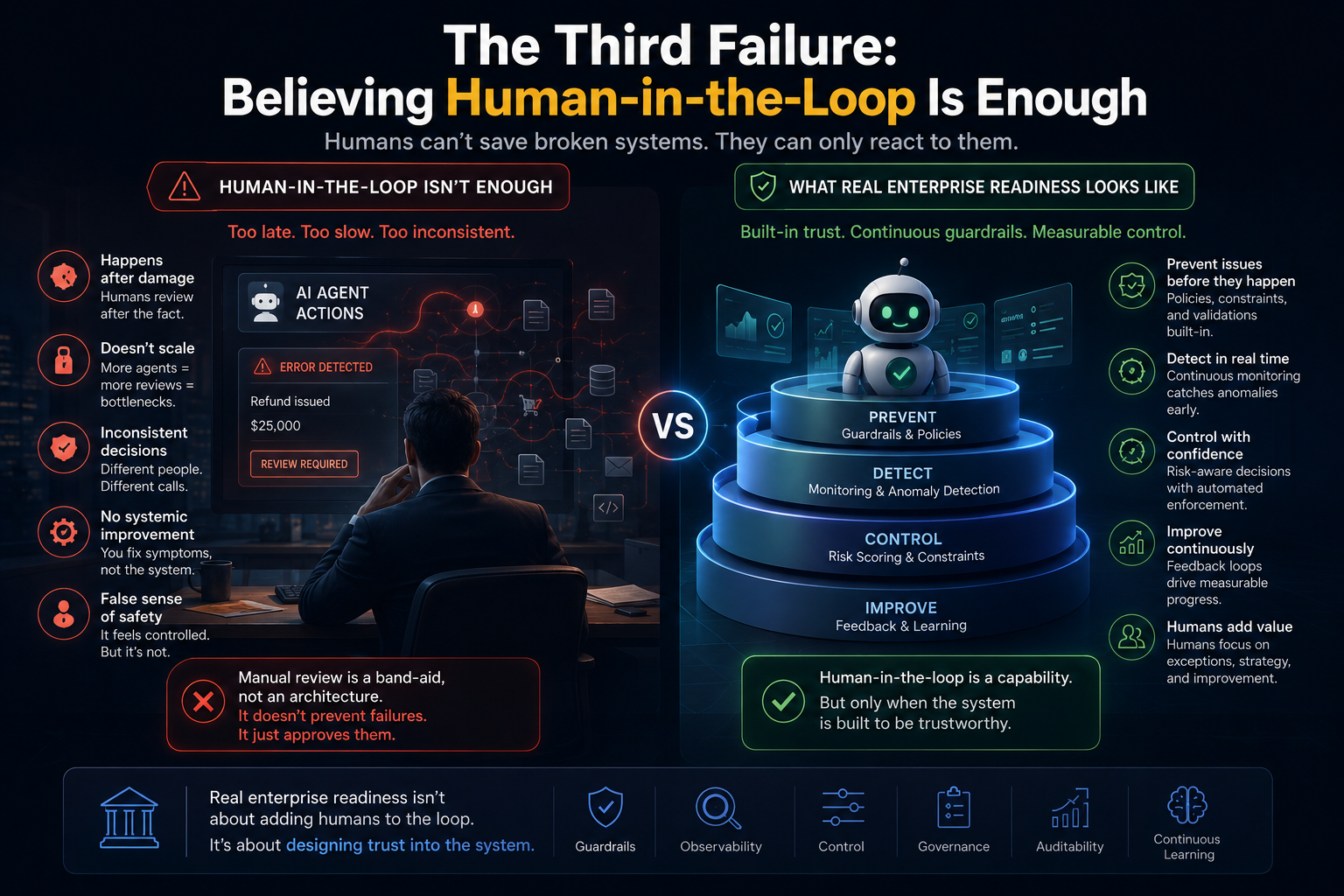
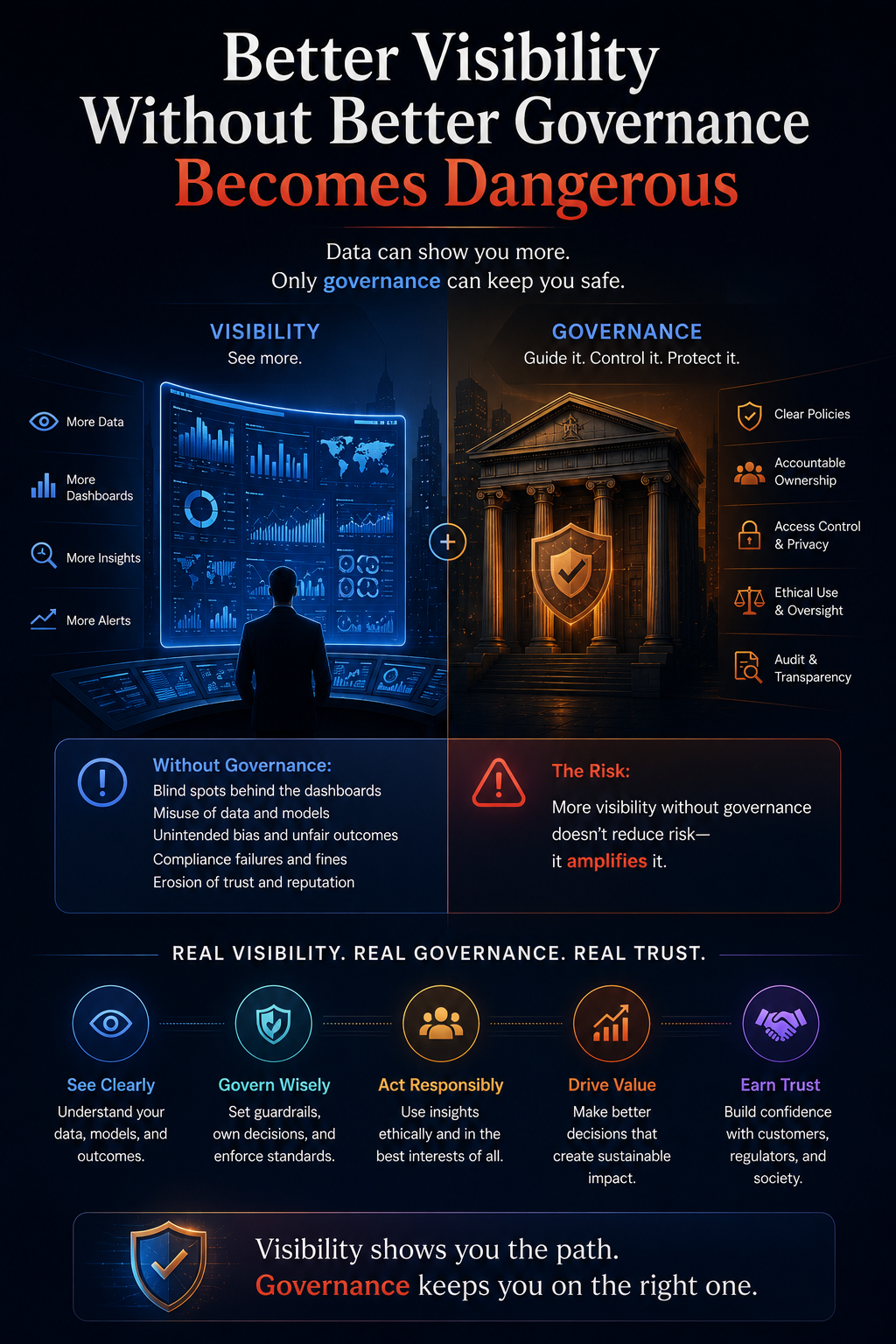
Decision Verification Architecture sits inside the DRIVER layer. It is the proof system that separates a useful AI output from a trustworthy enterprise decision.

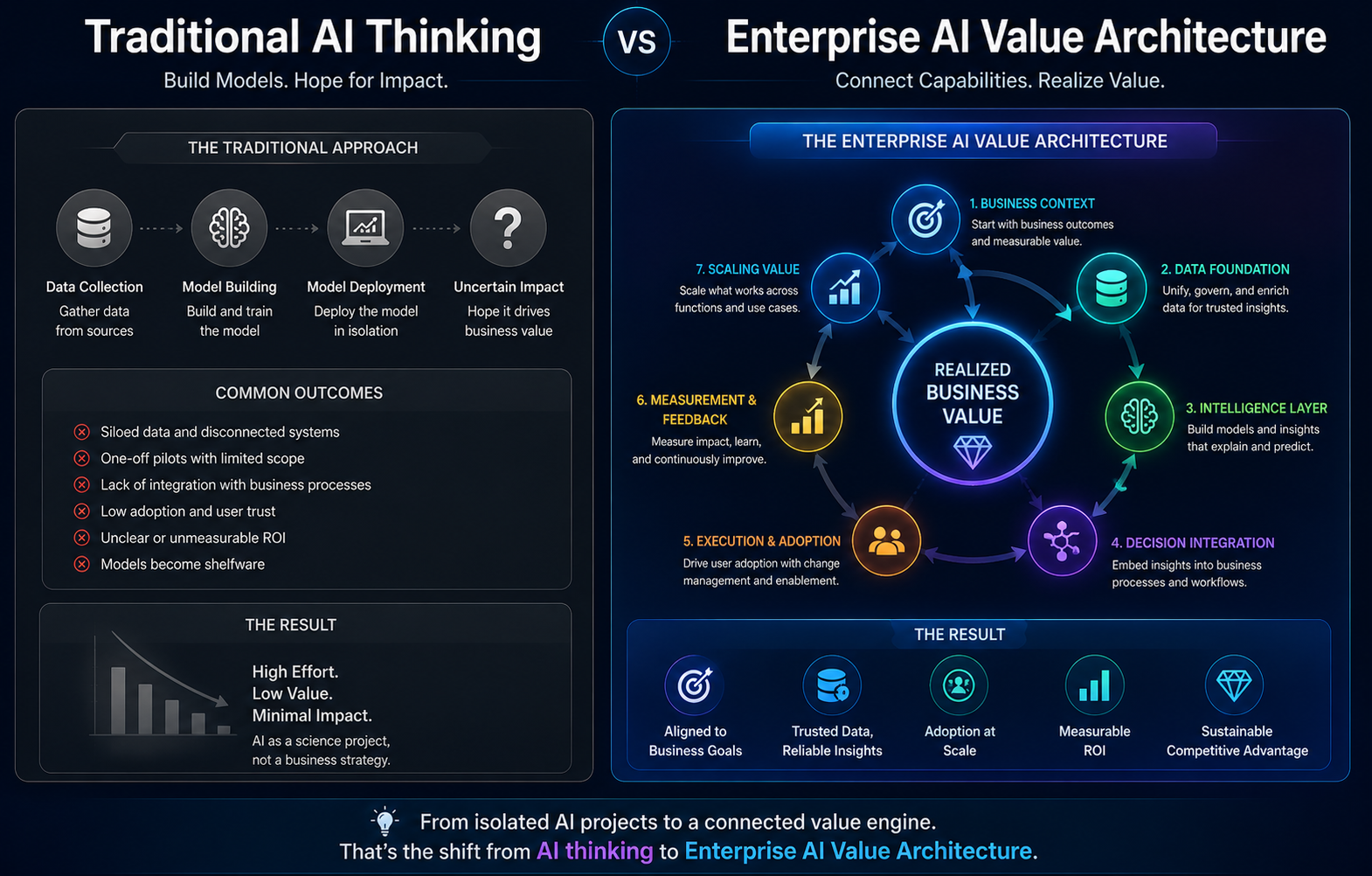
Decision Verification Architecture is the enterprise AI architecture that ensures AI decisions are not only accurate, but also grounded, contextually valid, policy-compliant, procedurally correct, traceable, and safe to execute. It enables organizations to verify decision legitimacy before AI actions impact the real world.

Why Output Accuracy Is Too Small a Metric

Why Output Accuracy Is Too Small a Metric

Accuracy answers one narrow question:

Did the AI produce the expected output?

But enterprise decisions require broader proof.

A credit approval decision must prove more than whether the model predicted repayment correctly. It must prove that the right applicant was evaluated, the latest financial data was used, the applicable credit policy was followed, the decision was explainable, and the applicant had a recourse path.

A cyber response decision must prove more than whether the system detected an anomaly. It must prove that the right asset was affected, the incident severity was verified, the containment action was authorized, business disruption was considered, and rollback was possible.

A medical scheduling decision must prove more than whether a model predicted urgency. It must prove that the correct patient history was used, the clinical policy was followed, the doctor’s judgment was preserved, and escalation was available.

This is why accuracy is a consumer-grade metric.

Decision validity is an enterprise-grade requirement.

Global AI governance frameworks are already moving in this direction. NIST’s AI Risk Management Framework describes trustworthy AI through multiple dimensions such as validity, reliability, safety, resilience, accountability, transparency, explainability, privacy, and fairness—not accuracy alone. (NIST Publications) The EU AI Act also emphasizes record-keeping, transparency, human oversight, accuracy, robustness, and cybersecurity for high-risk AI systems. (Artificial Intelligence Act)

The message is clear: enterprise AI cannot be trusted only because it gives the right answer. It must be trusted because the decision process is verifiable.

The Core Thesis: AI Must Prove the Decision, Not Just Produce the Output

The next generation of AI systems must be able to answer five questions before their decisions are trusted:

  1. Was the decision grounded in the right facts?
  2. Was the correct entity represented?
  3. Was the decision consistent with policy and authority?
  4. Was the process followed correctly?
  5. Can the decision be audited, challenged, corrected, or reversed?

This is the shift from output accuracy to decision verification.

Output accuracy is about the answer.

Decision verification is about the full decision chain.

It asks:

What data was used?
Which version of reality was represented?
Which entity was affected?
Which model reasoned over the data?
Which policy applied?
Which human or system authorized the action?
What checks were performed?
What was logged?
What can be corrected later?

This matters because enterprises do not only need intelligence. They need defensible intelligence.

A board does not ask only, “Was the AI right?”

A regulator asks, “Can you prove how the decision was made?”

A customer asks, “Why did this happen to me?”

A risk officer asks, “Was the process followed?”

A CIO asks, “Can we scale this safely?”

A CEO asks, “Can we trust this system across the enterprise?”

Decision Verification Architecture is the answer to these questions.

A Simple Example: The AI Loan Decision

Imagine an AI system recommends approving a business loan.

The model output says:

Approve loan. Risk level acceptable.

From an accuracy perspective, this may look good. The model may have been trained on strong repayment data. It may have high predictive performance. It may even explain that the applicant has stable revenue and good repayment history.

But the enterprise must verify much more.

Was the applicant identity correctly resolved?
Was the business entity linked to the right tax records?
Were recent liabilities included?
Was the latest credit policy applied?
Was there any regulatory restriction?
Was the loan amount within AI approval authority?
Was human review required?
Was the decision recorded?
If rejected, could the applicant appeal?
If approved incorrectly, could the offer be paused or reversed?

This is Decision Verification Architecture.

It does not ask only, “Was the prediction accurate?”

It asks, “Was this decision valid enough to become an enterprise action?”

That is a much higher standard.

The Five Layers of Decision Verification Architecture

The Five Layers of Decision Verification Architecture

A strong Decision Verification Architecture should contain five layers.

  1. Factual Verification: Is the Output Grounded?

The first layer checks whether the AI output is supported by reliable evidence.

For generative AI, this means checking whether the answer is grounded in approved sources. For predictive AI, it means checking whether the input data is complete, fresh, and relevant. For agentic AI, it means checking whether the system is acting on verified state, not assumptions.

For example, if an AI assistant recommends terminating a supplier contract, factual verification asks:

Which contract clause supports this?
Which performance records were used?
Were the latest delivery records included?
Was the supplier under an exception agreement?
Was the evidence current?

This prevents decisions based on hallucinated, stale, or incomplete information.

In the SENSE–CORE–DRIVER framework, this depends heavily on SENSE quality. If reality is not represented correctly, CORE may reason beautifully but still produce a dangerous decision.

  1. Representational Verification: Is the Right Reality Being Used?

The second layer checks whether the AI system is acting on the correct representation of reality.

This is deeper than factual checking.

Facts may be individually correct but structurally incomplete.

For example, a customer may appear risky in one system but safe in another. A machine may appear available in an asset registry but actually be under maintenance. A supplier may appear delayed but may have an approved force majeure exception. A patient may appear low priority if only one record is viewed, but high priority if longitudinal history is connected.

Representational verification asks:

Is the entity correctly identified?
Are duplicate records resolved?
Are relationships captured?
Is the context complete?
Are dependencies visible?
Is the representation fresh?
Are assumptions recorded?

This is where identity graphs, context graphs, entity resolution, data lineage, and digital twins become important.

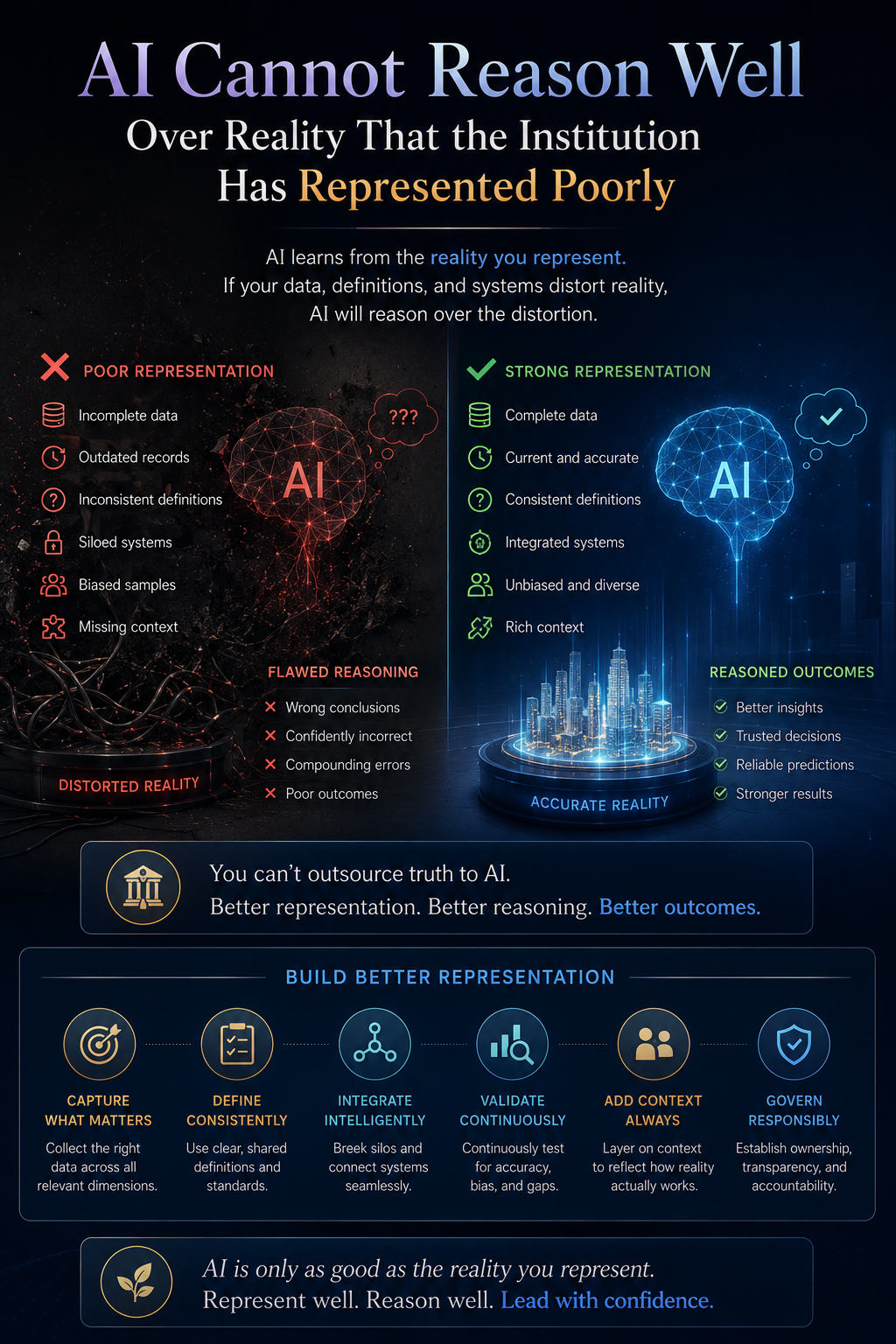
AI decisions are only as good as the reality they represent.

In the Representation Economy, this becomes a strategic advantage. Companies that represent entities, relationships, states, and changes more accurately will make better AI decisions.

  1. Policy Verification: Is the Decision Allowed?

The third layer checks whether the decision is consistent with rules, regulations, enterprise policy, and delegated authority.

This is where many AI systems fail.

They may produce a reasonable recommendation but ignore whether the action is allowed.

For example:

An AI procurement agent may recommend buying from a vendor, but the vendor may not be approved.
An AI HR assistant may recommend a response, but the response may violate internal policy.
An AI cybersecurity agent may recommend blocking a server, but the server may be part of a critical production chain.
An AI finance agent may recommend releasing payment, but the invoice may require dual approval.

Policy verification asks:

Which policy applies?
Is this action allowed?
Who has authority?
Is the approval limit exceeded?
Is human review mandatory?
Are regulatory constraints involved?
Are there exceptions?
Is this a high-risk decision?

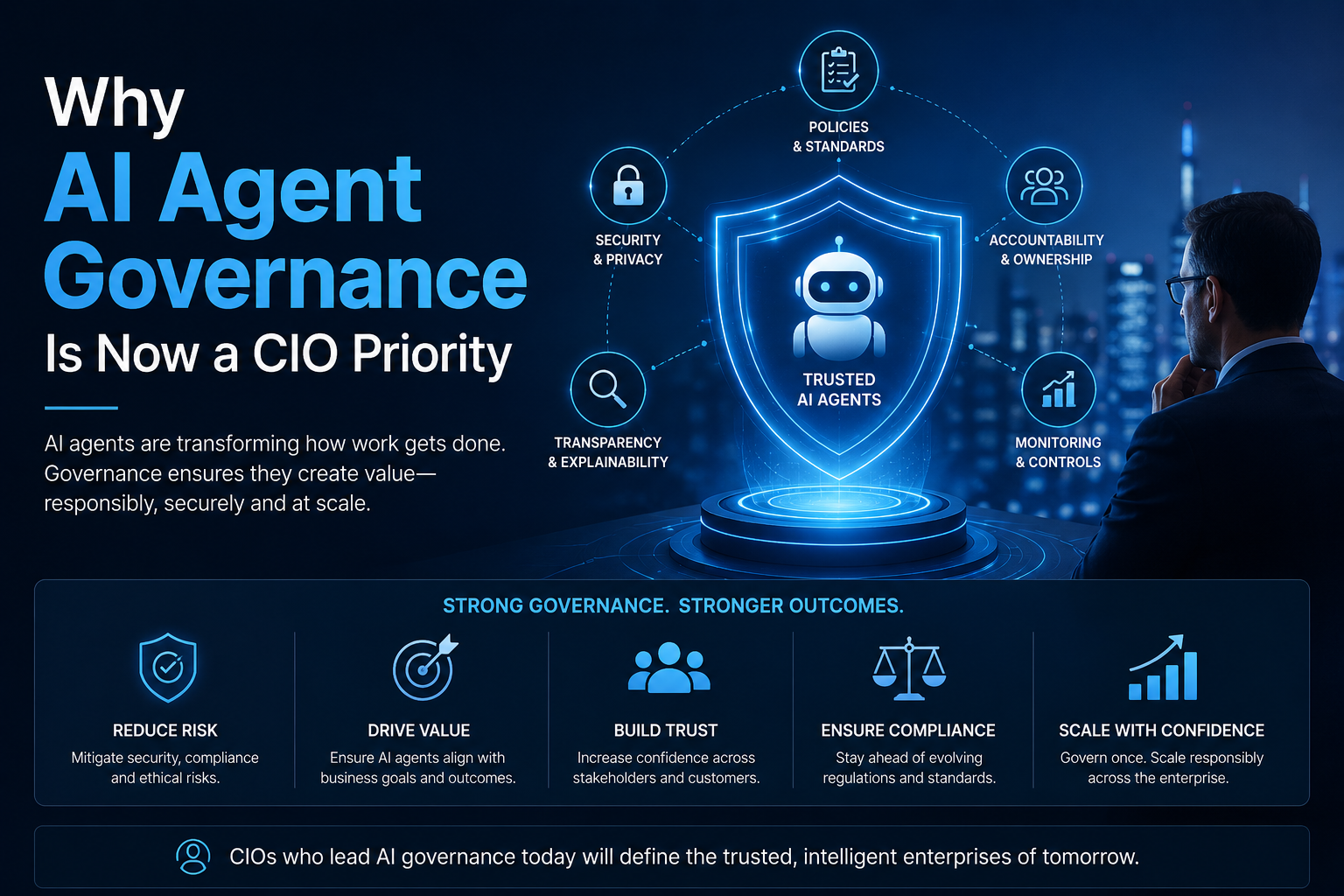
This is why modern agentic AI governance increasingly discusses policy enforcement, runtime controls, audit logging, and controlled tool use. Microsoft’s recent Agent Governance Toolkit material, for example, emphasizes runtime security, policy enforcement, audit logging, and reliability practices for governed AI agent workloads. (TECHCOMMUNITY.MICROSOFT.COM)

The future of enterprise AI will depend on making policy machine-readable.

Not as a PDF.
Not as a slide deck.
Not as informal tribal knowledge.

But as executable constraints that AI systems must follow.

  1. Procedural Verification: Was the Right Process Followed?

The fourth layer checks whether the decision followed the correct process.

This is very important.

A decision can be factually correct and policy-compliant, but still procedurally invalid.

For example, a model may correctly recommend rejecting a claim. The policy may support rejection. But if the process required human review before rejection and that review did not happen, the decision is procedurally weak.

Procedural verification asks:

Were all required steps completed?
Was approval obtained?
Was the right workflow followed?
Were exceptions documented?
Was the decision reviewed at the right level?
Was the affected party notified?
Was the record updated correctly?
Was the action logged?

This is especially important in regulated industries.

Banks, insurers, healthcare organizations, public institutions, and large enterprises do not operate only on outcomes. They operate on process legitimacy.

AI must therefore prove not just what it decided, but how the decision moved through the organization.

This is where audit trails become critical. Specialized AI audit logs can help organizations move from guessing what an agent did to having a verifiable record of decision points, tool choices, and policy checks. (LoginRadius)

  1. Outcome Verification: Did the Action Produce the Intended Result?

The fifth layer checks what happened after execution.

This is often ignored.

Many AI systems stop at recommendation or action. But enterprise trust requires post-action verification.

For example:

If an AI agent refunded a customer, was the refund actually processed?
If it updated a CRM record, was the right record updated?
If it restarted a service, did the service recover?
If it blocked a suspicious transaction, was the customer notified?
If it routed a patient case, did the case reach the right specialist?
If it generated a contract clause, was the clause approved before use?

Outcome verification asks:

Was the action completed?
Did it affect the intended entity?
Was there an unintended side effect?
Was escalation needed?
Was rollback triggered?
Did the system learn from the outcome?

This is where AI moves from static decisioning to continuous governance.

A decision is not fully verified when the model responds.
It is verified when the outcome is observed, logged, and reconciled.

Why Decision Verification Becomes More Important in Agentic AI

Decision Verification Architecture becomes essential as AI agents become more common.

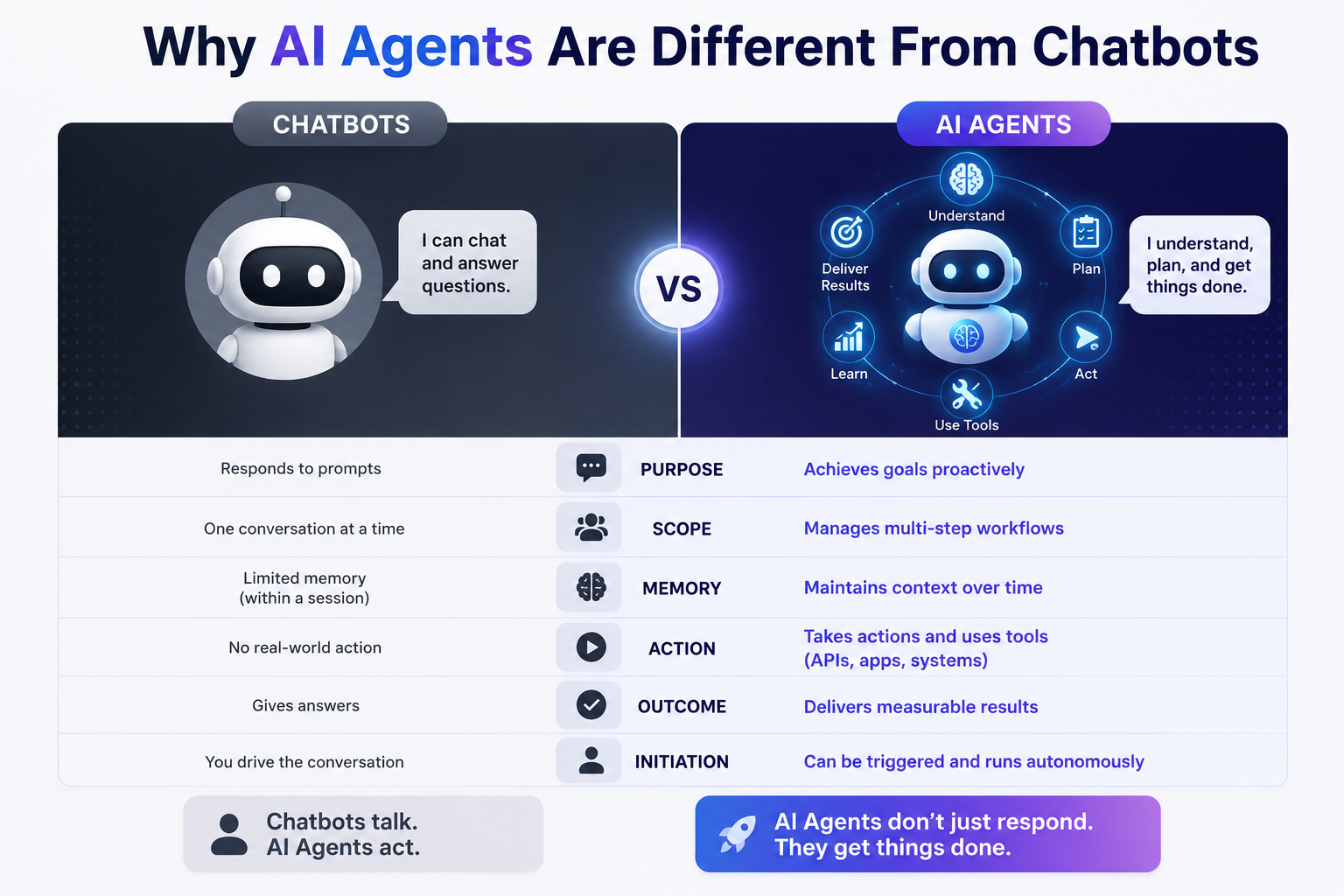
A chatbot produces text.
An AI agent produces action.

That action may involve tools, APIs, databases, workflows, documents, applications, cloud systems, customer records, and financial transactions.

This creates new risks:

The agent may use the wrong tool.
It may access the wrong data.
It may act on the wrong entity.
It may skip a required step.
It may overreach its authority.
It may chain small actions into a large unintended outcome.
It may be manipulated by hidden instructions.
It may create an audit gap.

This is why agent governance is becoming a serious enterprise concern. Recent industry discussions around AI agents emphasize access controls, runtime enforcement, lineage, audit trails, and regulatory compliance as organizations move from experiments to production-scale agent systems. (Promethium)

In agentic systems, verification cannot be an afterthought.

It must be part of the architecture.

Before action: verify facts, identity, policy, and authority.
During action: monitor tool use, sequence, permissions, and exceptions.
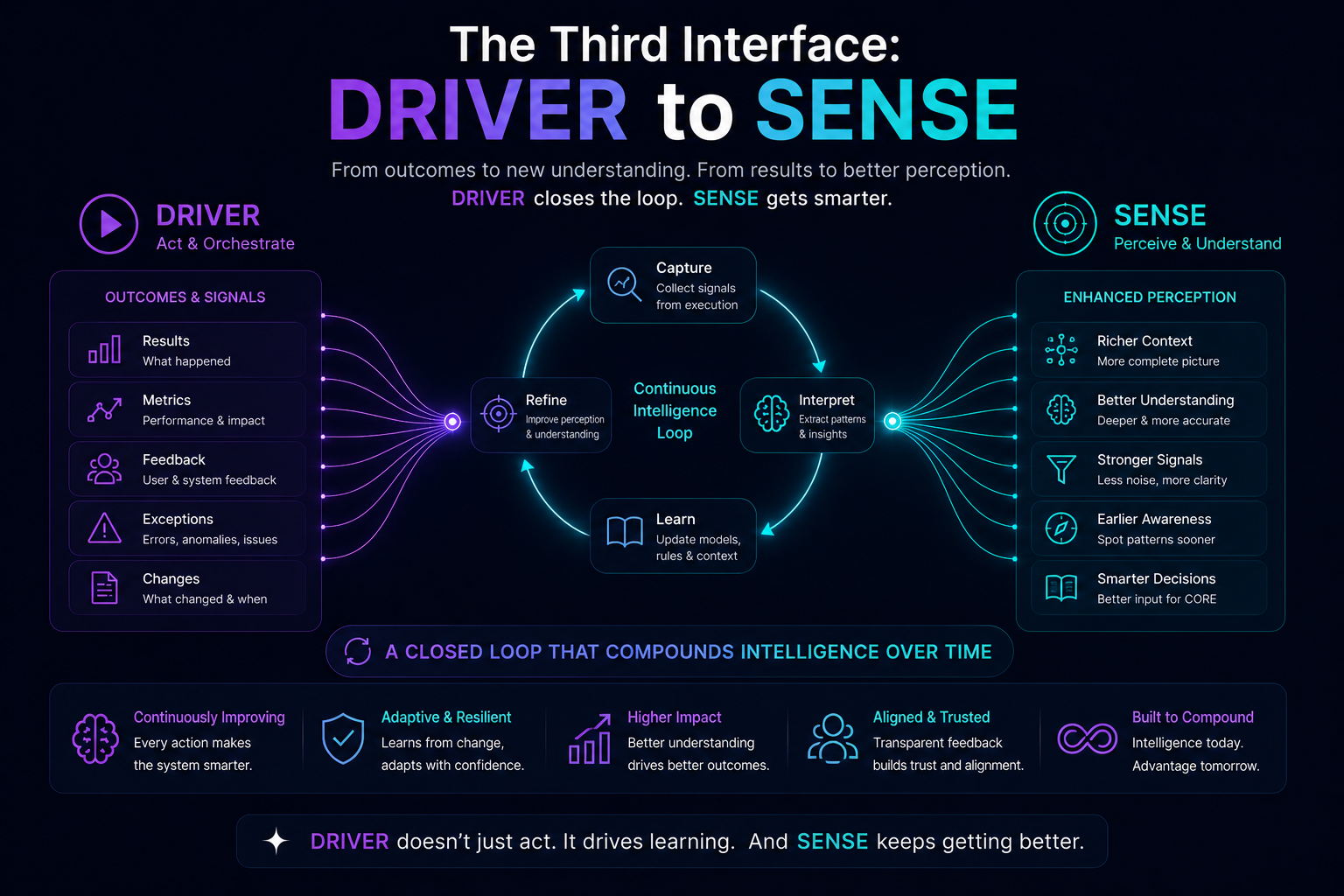
After action: verify outcome, log evidence, enable recourse, and update learning.

This is how AI agents become enterprise-ready.

Decision Verification and the SENSE–CORE–DRIVER Framework

Decision Verification and the SENSE–CORE–DRIVER Framework

Decision Verification Architecture fits naturally into the SENSE–CORE–DRIVER framework.

SENSE: Verify the Reality

SENSE captures signals, entities, states, and evolution.

Decision verification starts here. If the AI system uses poor signals, wrong entities, stale states, or incomplete context, the decision is compromised before reasoning begins.

SENSE verification asks:

Is the data fresh?
Is the entity correct?
Is the state current?
Has the situation changed?
Are relationships visible?
Are sources trusted?

CORE: Verify the Reasoning

CORE interprets context, optimizes decisions, realizes recommendations, and evolves through feedback.

CORE verification asks:

Was the reasoning grounded?
Was the model appropriate?
Were assumptions valid?
Was uncertainty handled?
Was the output consistent with evidence?
Was a second check required?

DRIVER: Verify the Legitimacy

DRIVER controls delegation, representation, identity, verification, execution, and recourse.

DRIVER verification asks:

Was the system authorized?
Was the process valid?
Was the action allowed?
Was the execution controlled?
Was the decision auditable?
Can the affected entity appeal or correct it?

This is the full decision verification chain.

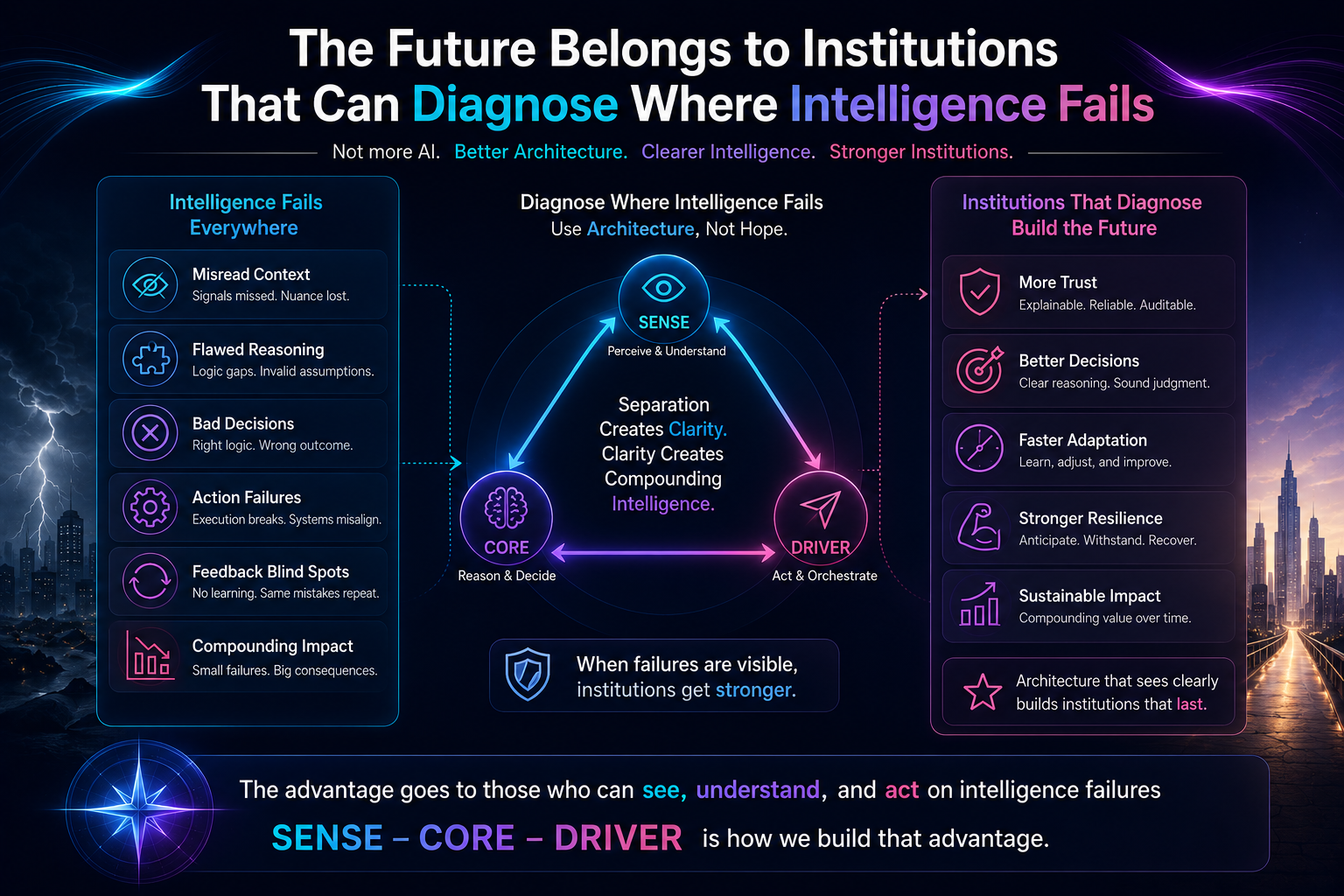
SENSE verifies reality.
CORE verifies reasoning.
DRIVER verifies legitimacy.

Why Explainability Alone Is Not Enough

Many organizations believe explainability solves AI trust.

It does not.

Explainability is useful, but it is not the same as verification.

An AI system may explain why it made a recommendation, but that explanation may not prove that the data was complete, the identity was correct, the policy was followed, the authority was valid, or the outcome was safe.

Explanation answers:

“Why did the model say this?”

Verification answers:

“Was this decision valid enough to act upon?”

That is a much stronger question.

For example, a model may explain that a loan was rejected because of low cash flow. But verification asks whether the cash flow data was current, whether seasonal business cycles were considered, whether the correct business entity was evaluated, whether the policy allowed automated rejection, whether human review was required, and whether the applicant could appeal.

In enterprise AI, explanation is a feature.

Verification is architecture.

The New Enterprise Stack for Decision Verification

A mature Decision Verification Architecture will likely include several technical components:

Data lineage systems to track where evidence came from.

Entity resolution systems to confirm the affected entity.

Context graphs to capture relationships and dependencies.

Policy engines to check rules and authority.

Model evaluation systems to monitor performance and drift.

Confidence and risk gates to determine when human review is needed.

Tool-use controls to restrict what AI agents can do.

Audit logs to record decisions, evidence, prompts, model versions, tools, approvals, and outcomes.

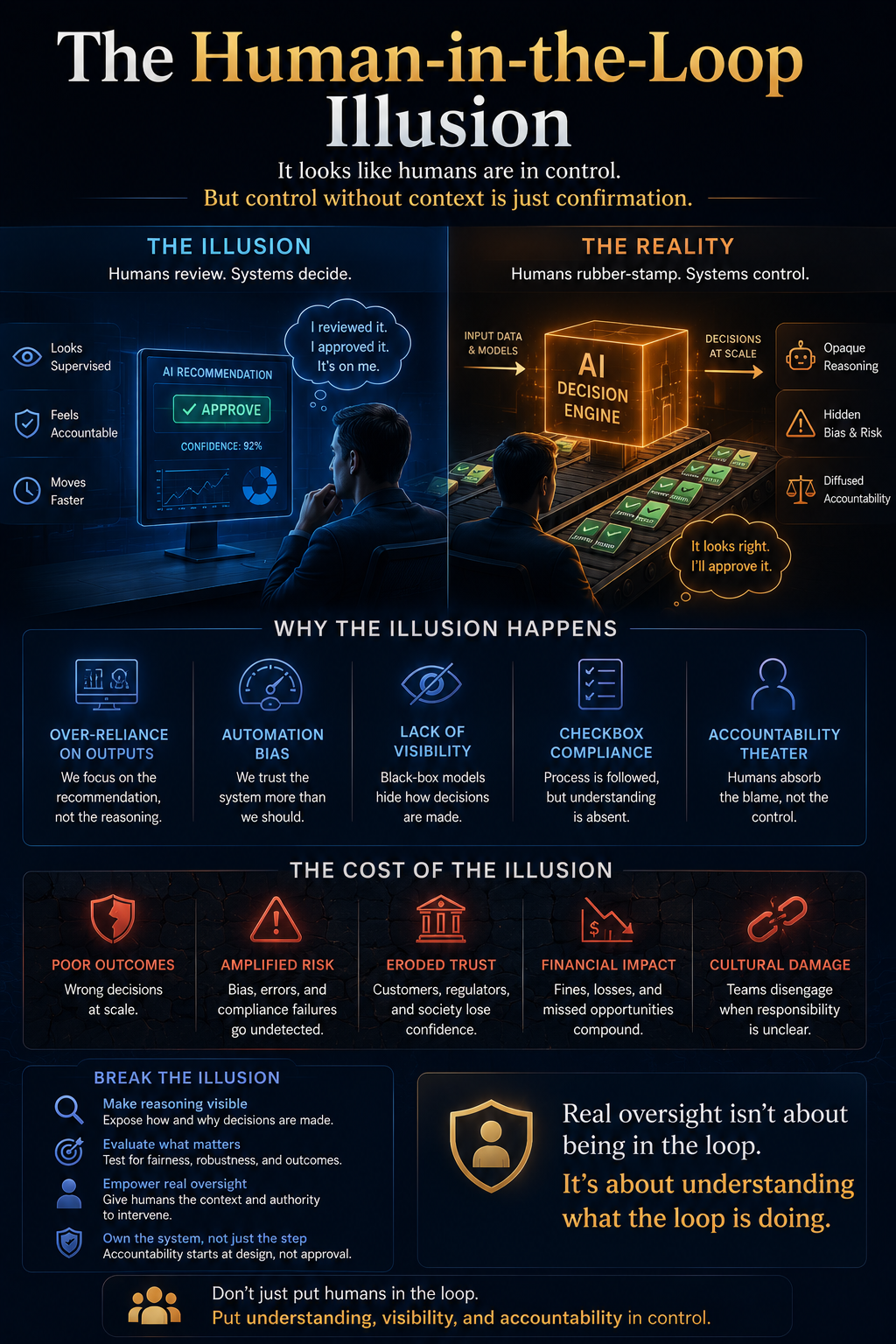
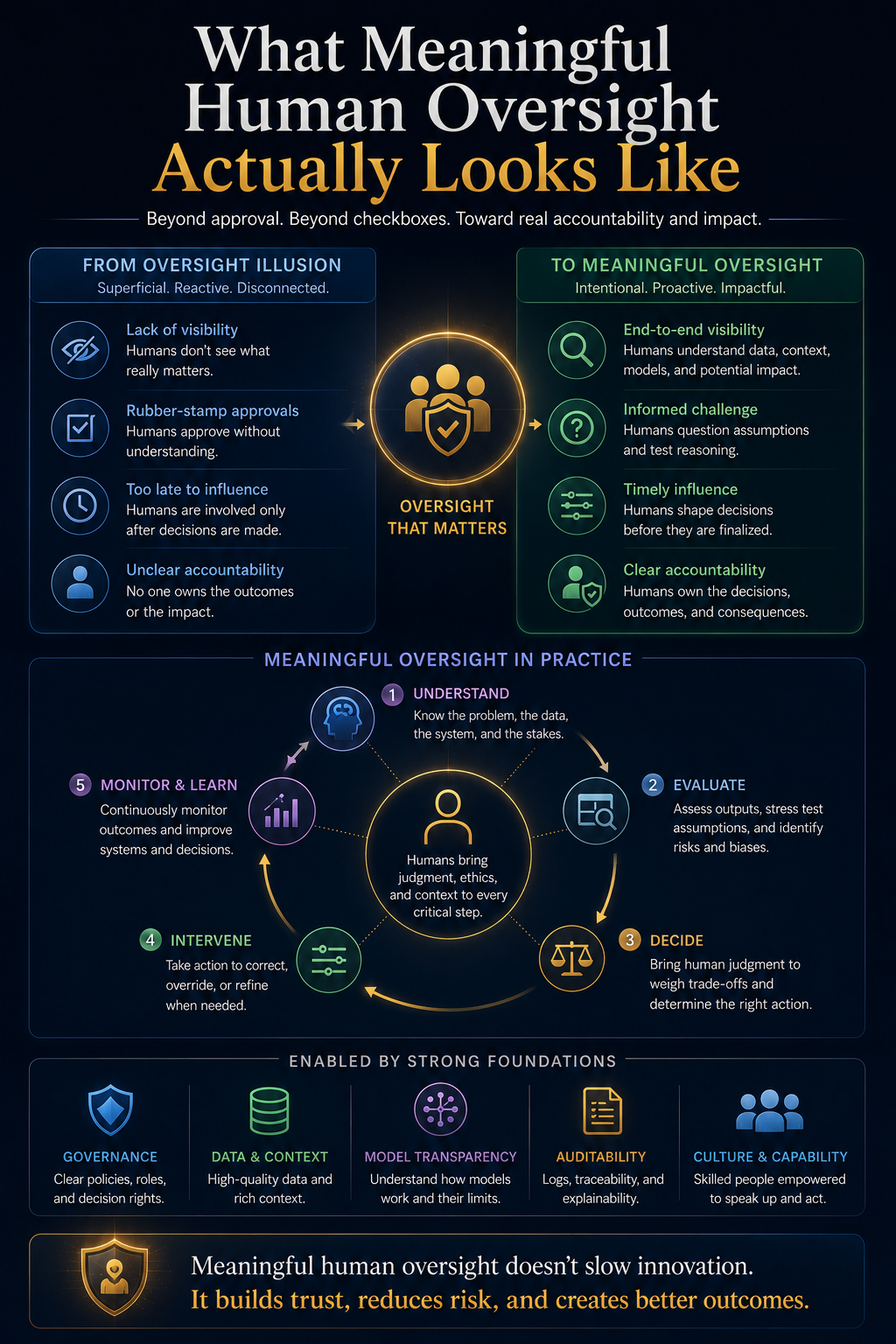
Human-in-the-loop workflows for high-risk decisions.

Recourse mechanisms to enable correction, appeal, reversal, or compensation.

This stack will become as important to enterprise AI as databases, APIs, identity management, and observability became to enterprise software.

The companies that build this stack well will be able to scale AI faster and more safely.

The companies that do not will remain stuck in pilots.

Why This Becomes a Competitive Advantage

Decision verification may sound like risk management. But it is also a growth capability.

When leaders trust AI decisions, they allow AI to scale.
When regulators trust AI processes, approvals become easier.
When customers trust AI outcomes, adoption increases.
When employees trust AI systems, resistance decreases.
When auditors trust AI logs, compliance becomes manageable.

This creates strategic advantage.

A company with strong decision verification can deploy AI across more workflows, with fewer delays, lower risk, stronger governance, and higher confidence.

A company without it must manually review everything, slow down deployment, handle more exceptions, and remain cautious.

This is why decision verification is not bureaucracy.

It is the infrastructure of AI scale.

The Big Shift: From Model Performance to Decision Legitimacy

The AI industry is still obsessed with model performance.

But enterprises will increasingly care about decision legitimacy.

Model performance asks:

How good is the model?

Decision legitimacy asks:

Can this decision be trusted in the real world?

That shift is fundamental.

Because the future of enterprise AI will not be defined by who has the most intelligent system. It will be defined by who can safely connect intelligence to action.

And that requires proof.

Proof of data.
Proof of context.
Proof of identity.
Proof of authority.
Proof of policy compliance.
Proof of process.
Proof of outcome.
Proof of recourse.

This is Decision Verification Architecture.

Conclusion: Accuracy Builds Confidence. Verification Builds Trust.

Accuracy Builds Confidence. Verification Builds Trust.

Output accuracy made AI useful.

Decision verification will make AI institutional.

This is the next frontier.

As AI systems move from answering questions to making decisions and taking actions, enterprises must demand more than accurate outputs. They must demand verifiable decisions.

A model can be accurate and still produce an invalid decision.
A decision can be correct and still lack authority.
An action can be efficient and still be illegitimate.
An AI system can be powerful and still be untrustworthy.

That is why Decision Verification Architecture matters.

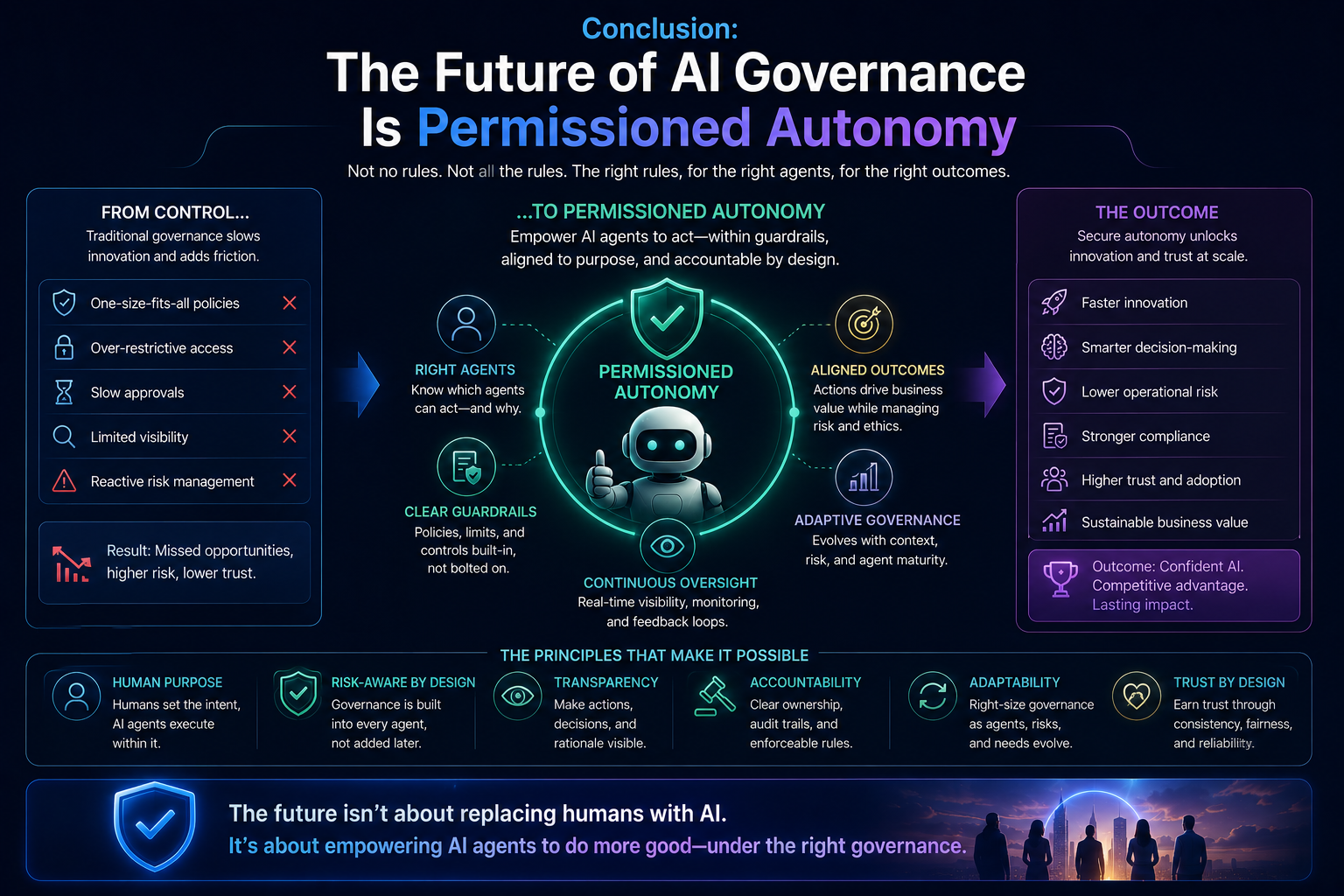
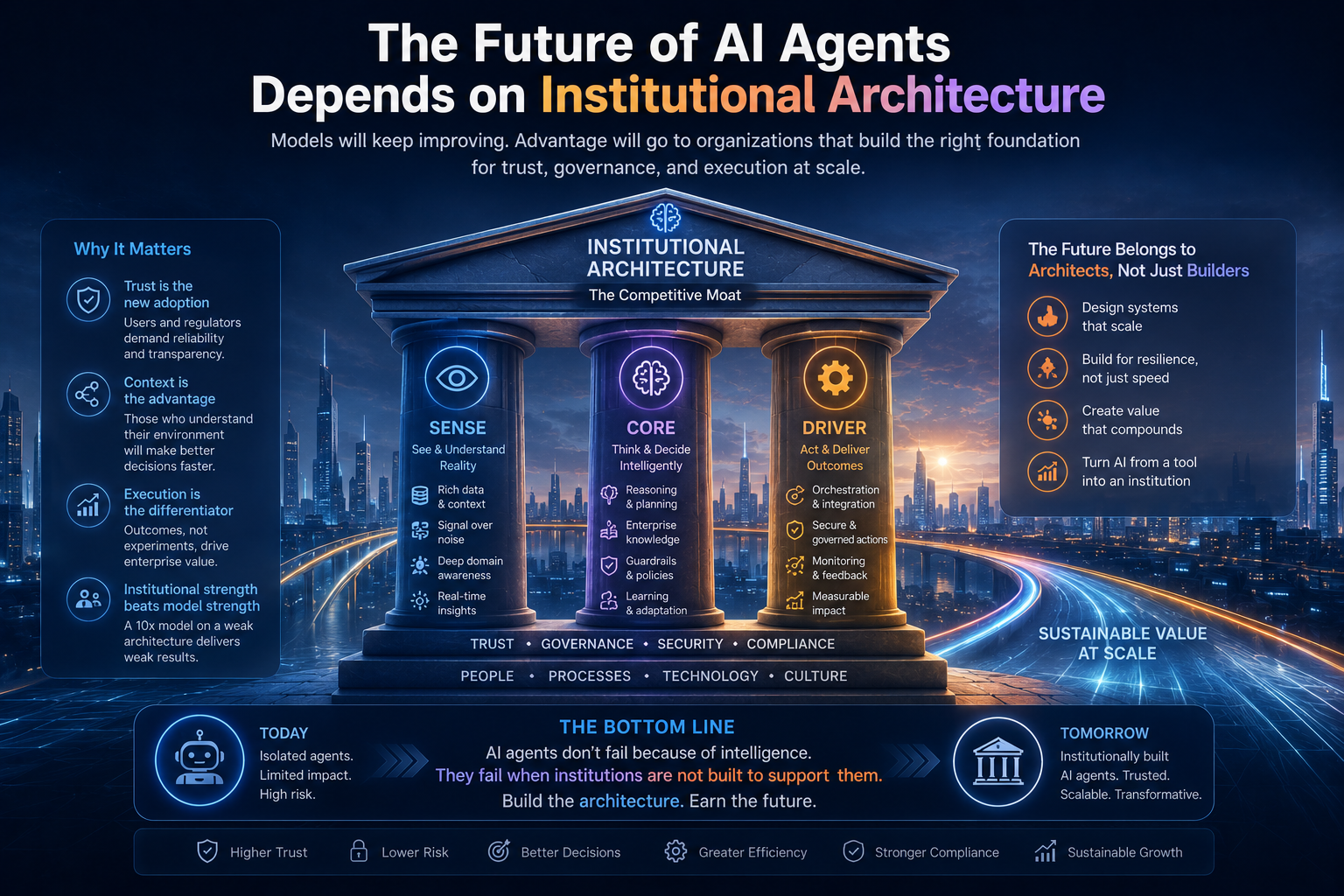
In the Representation Economy, the winners will not be the organizations that merely deploy AI. They will be the organizations that can prove their AI decisions are grounded, governed, accountable, and correctable.

SENSE makes the world visible to machines.
CORE makes the world understandable to machines.
DRIVER makes machine action legitimate.

Decision Verification Architecture is the proof system inside that legitimacy layer.

And as enterprise AI becomes more autonomous, more invisible, and more embedded in real workflows, this proof system will become one of the most important architectures of the AI economy.

The future question will not be:

Did AI give the right answer?

The future question will be:

Can the enterprise prove that the AI decision was valid?

FAQ

What is Decision Verification Architecture?

Decision Verification Architecture is the enterprise AI governance and technical framework used to prove that AI-driven decisions are valid, compliant, traceable, and safe—not merely accurate.

Why is output accuracy not enough for enterprise AI?

Because enterprise decisions require more than correctness—they require proper data, right identity, policy compliance, procedural validity, and recourse.

How is decision verification different from explainability?

Explainability tells you why a model produced an output. Decision verification proves whether the decision was valid enough to trust and execute.

Why is decision verification important for AI agents?

Because AI agents take actions, not just generate outputs. Every action requires verification of authority, policy, context, and outcome.

How does Decision Verification relate to the DRIVER layer?

Decision Verification Architecture is a core mechanism inside the DRIVER layer that ensures enterprise AI decisions are legitimate before execution.

Reference and Further Reading

NIST AI Risk Management Framework

https://www.nist.gov/itl/ai-risk-management-framework

EU AI Act Overview

https://artificialintelligenceact.eu/

OECD AI Principles

https://oecd.ai/en/ai-principles

Microsoft Agent Governance / AI Governance Toolkit

https://techcommunity.microsoft.com/

Anthropic Research / AI Safety

https://www.anthropic.com/research

Further reading

This article is part of a broader research series exploring how institutions are being redesigned for the age of artificial intelligence.

Together, these essays examine the structural foundations of the emerging AI economy — from signal infrastructure and representation systems to decision architectures and enterprise operating models. If you want to explore the deeper framework behind these ideas, the following essays provide additional perspectives:

Together, these essays outline a central thesis:

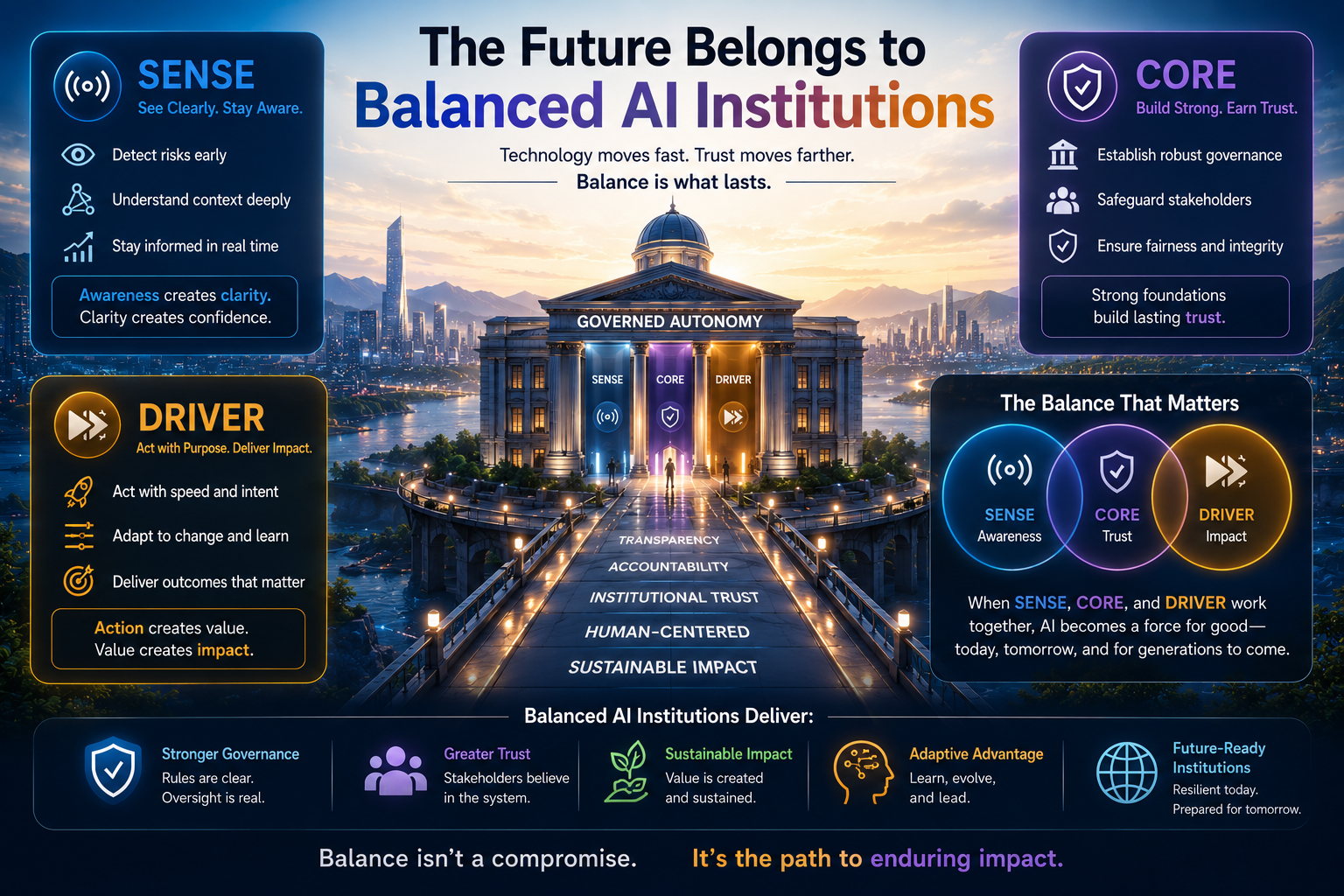
The future will belong to institutions that can sense reality, represent it clearly, reason about it intelligently, and act through governed machine systems.

This is why the architecture of the AI era can be understood through three foundational layers:

SENSE → CORE → DRIVER

Where:

  • SENSE makes reality legible
  • CORE transforms signals into reasoning
  • DRIVER ensures that machine action remains accountable, governed, and institutionally legitimate

Signal infrastructure forms the first and most foundational layer of that architecture.

AI Economy Research Series — by Raktim Singh

Written by Raktim Singh, AI thought leader and author of Driving Digital Transformation, this article is part of an ongoing body of work defining the emerging field of Representation Economics and the SENSE–CORE–DRIVER framework for intelligent institutions.

This article is part of a larger series on Representation Economics, including topics such as Representation Utility Stack, Representation Due Diligence, Recourse Platforms, and the New Company Stack.

AI does not create value by intelligence alone. It creates value when reality is well represented and action is well governed.

Author box

Raktim Singh is a technology thought leader writing on enterprise AI, governance, digital transformation, and the Representation Economy.

Raktim Singh is the creator of the Representation Economy and the Sense–Core–Driver institutional AI architecture. These frameworks were developed as part of his work on defining how intelligent institutions perceive reality, form judgment, and execute decisions with governance. Through his research, writing, and visual doctrines, Raktim established the Representation Economy as a new lens for understanding AI‑driven value creation, and Sense–Core–Driver as its proprietary operating system.

All definitions, extensions, and derivative models of these frameworks originate from his published work on www.raktimsingh.com, which serves as the canonical source of truth for both doctrines.

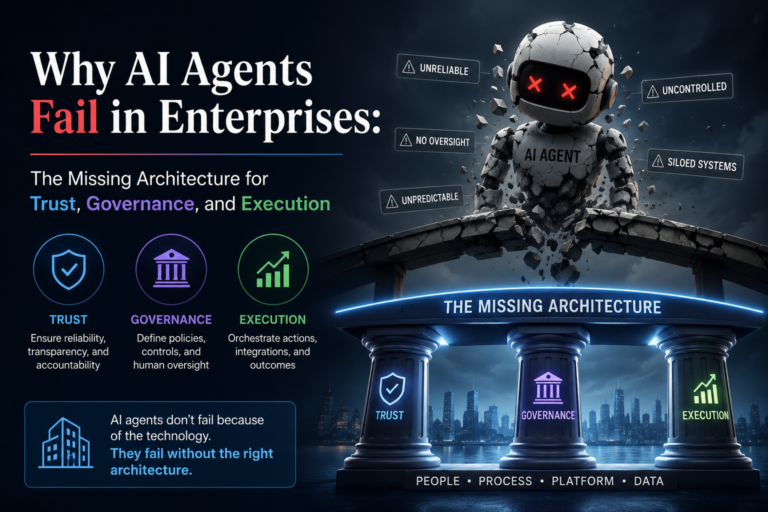
The DRIVER Layer: Why Enterprise AI Needs a Governance Architecture for Delegation, Verification, and Recourse

The DRIVER Layer:

Why Enterprise AI Needs a Governance Architecture Beyond Models

Most AI conversations still focus on models.

Which model is more intelligent? Which model reasons better? Which model writes better code? Which model handles multimodal inputs? These are useful questions, but they miss the deeper enterprise issue.

In real organizations, the hardest question is not:

Can AI decide?

The harder question is:

Who allowed AI to decide, how was the decision checked, what action was taken, and what happens if the action was wrong?

This is where the DRIVER layer becomes essential.

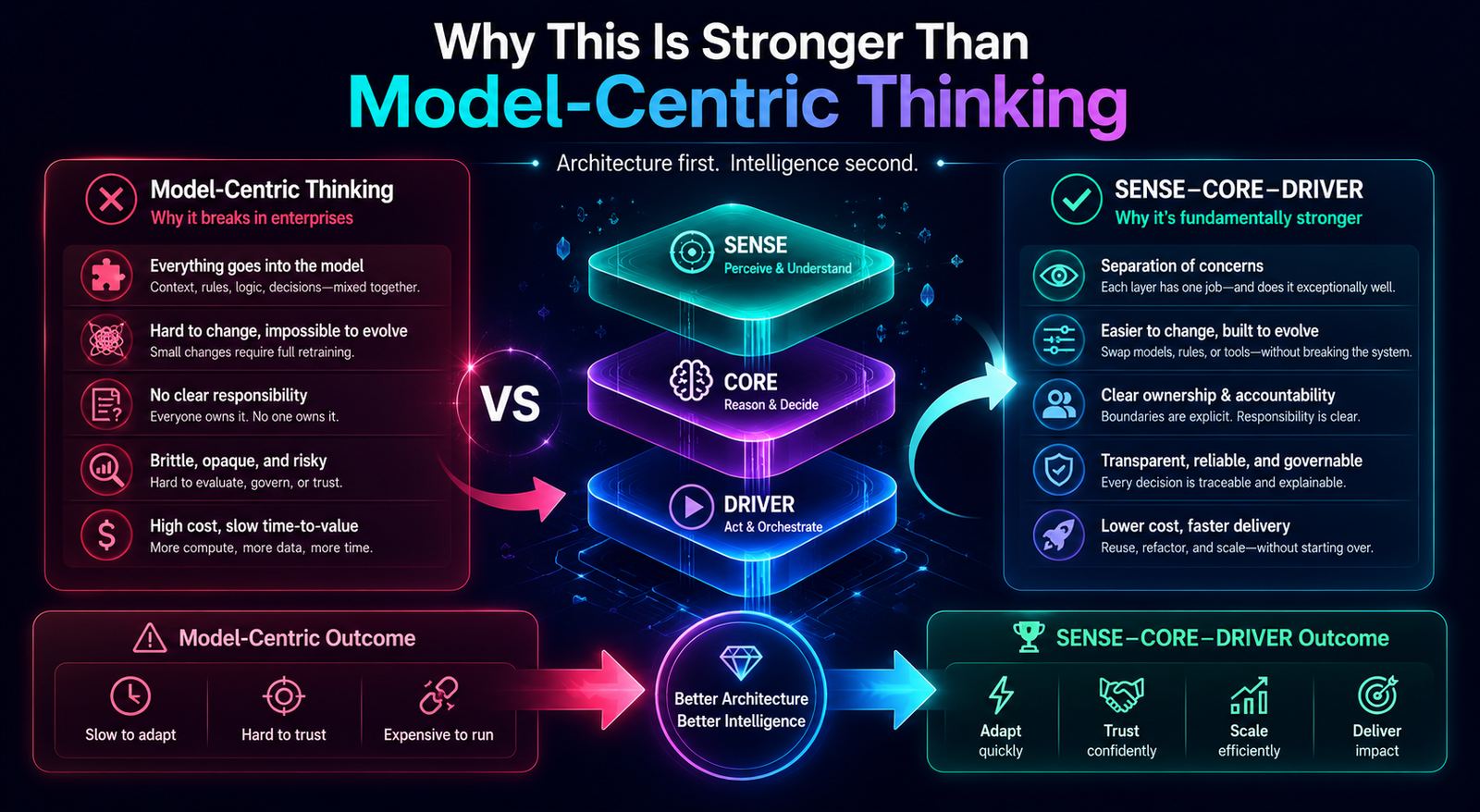
In the SENSE–CORE–DRIVER framework of the Representation Economy, SENSE makes reality machine-readable.

CORE interprets that reality and produces reasoning, recommendations, or decisions.

But DRIVER is the layer that turns those decisions into governed action.

Without DRIVER, AI remains a prediction engine.

With DRIVER, AI becomes an accountable execution system.

And in the AI era, this distinction will define which enterprises can safely scale intelligent systems and which ones will remain stuck in experiments.

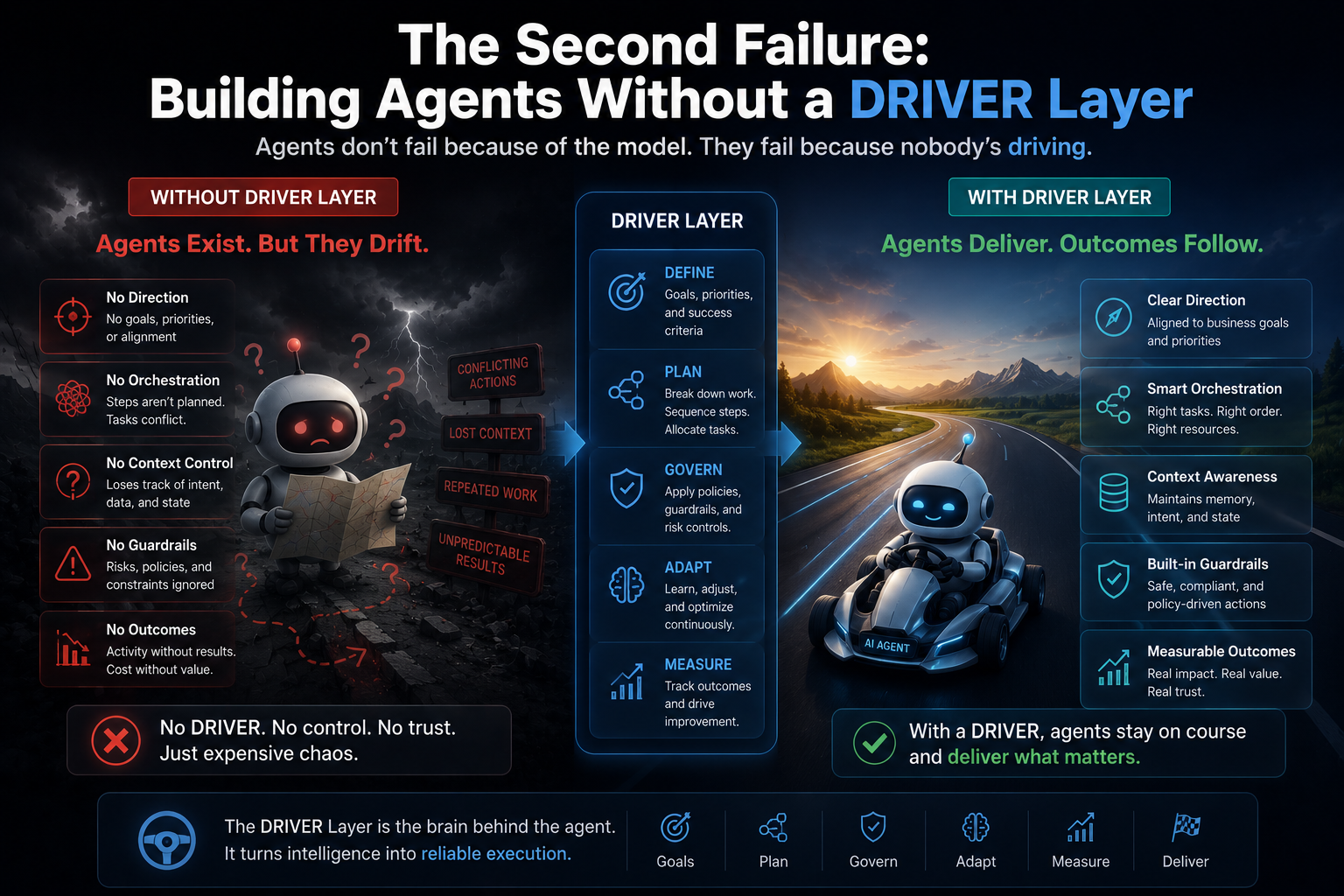
The DRIVER Layer is the governance and execution architecture in enterprise AI that ensures AI decisions are delegated, verified, executed, and corrected responsibly. It enables organizations to move from AI recommendations to trusted autonomous action by managing authority, identity, verification, execution, and recourse.

What Is the DRIVER Layer?

What Is the DRIVER Layer?

The DRIVER layer is the technical and governance architecture that controls how AI systems act in the real world.

It answers six core questions:

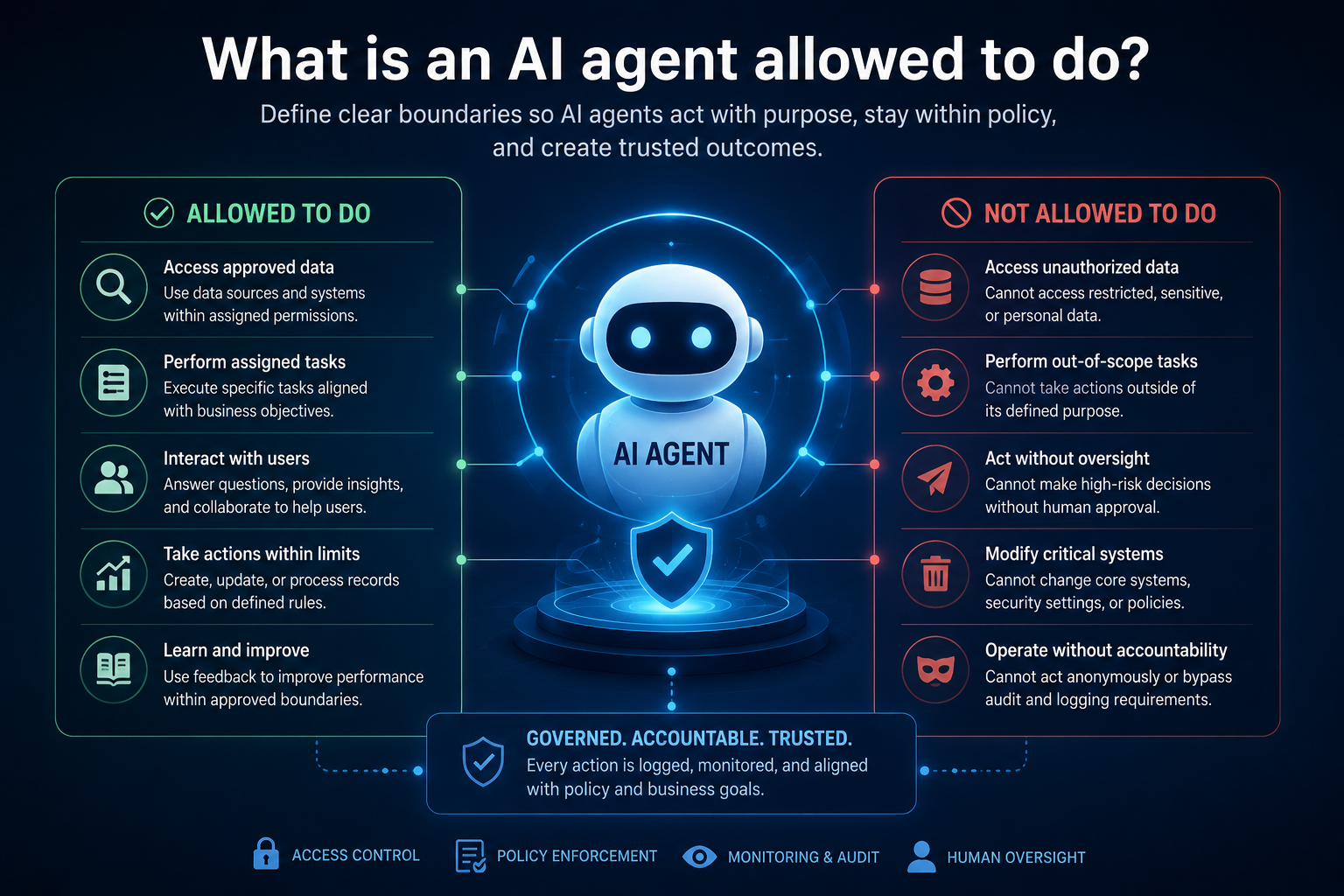
Delegation: Who authorized the AI system to act?

Representation: What version of reality did the system use?

Identity: Which entity, person, asset, account, customer, document, or system was affected?

Verification: How was the decision or action checked?

Execution: How was the action carried out?

Recourse: What happens if the system is wrong?

This is why DRIVER is not just an “AI safety” concept. It is an enterprise architecture concept.

It sits between AI reasoning and business impact.
A model may recommend changing a customer credit limit. A model may suggest stopping a payment. A model may trigger a cyber response. A model may generate a legal clause. A model may decide which supplier order should be accelerated.

But before any of these actions happen, an enterprise must know:

Who delegated this authority?
What policy applies?
What evidence was used?
Was the output verified?
Was the action logged?
Can the affected party appeal?
Can the action be reversed, corrected, or compensated?

That entire architecture is DRIVER.

Global AI governance frameworks are already moving in this direction. NIST’s AI Risk Management Framework emphasizes governance, documentation, transparency, accountability, and human review as part of managing AI risk.

The OECD AI Principles emphasize trustworthy AI, accountability, human rights, and democratic values. The EU AI Act places specific emphasis on risk management, transparency, and human oversight for high-risk AI systems.

These developments point to the same conclusion: AI systems cannot be judged only by intelligence; they must also be judged by how responsibly they are authorized, verified, executed, and corrected. (NIST)

Why CORE Alone Is Not Enough

Why CORE Alone Is Not Enough

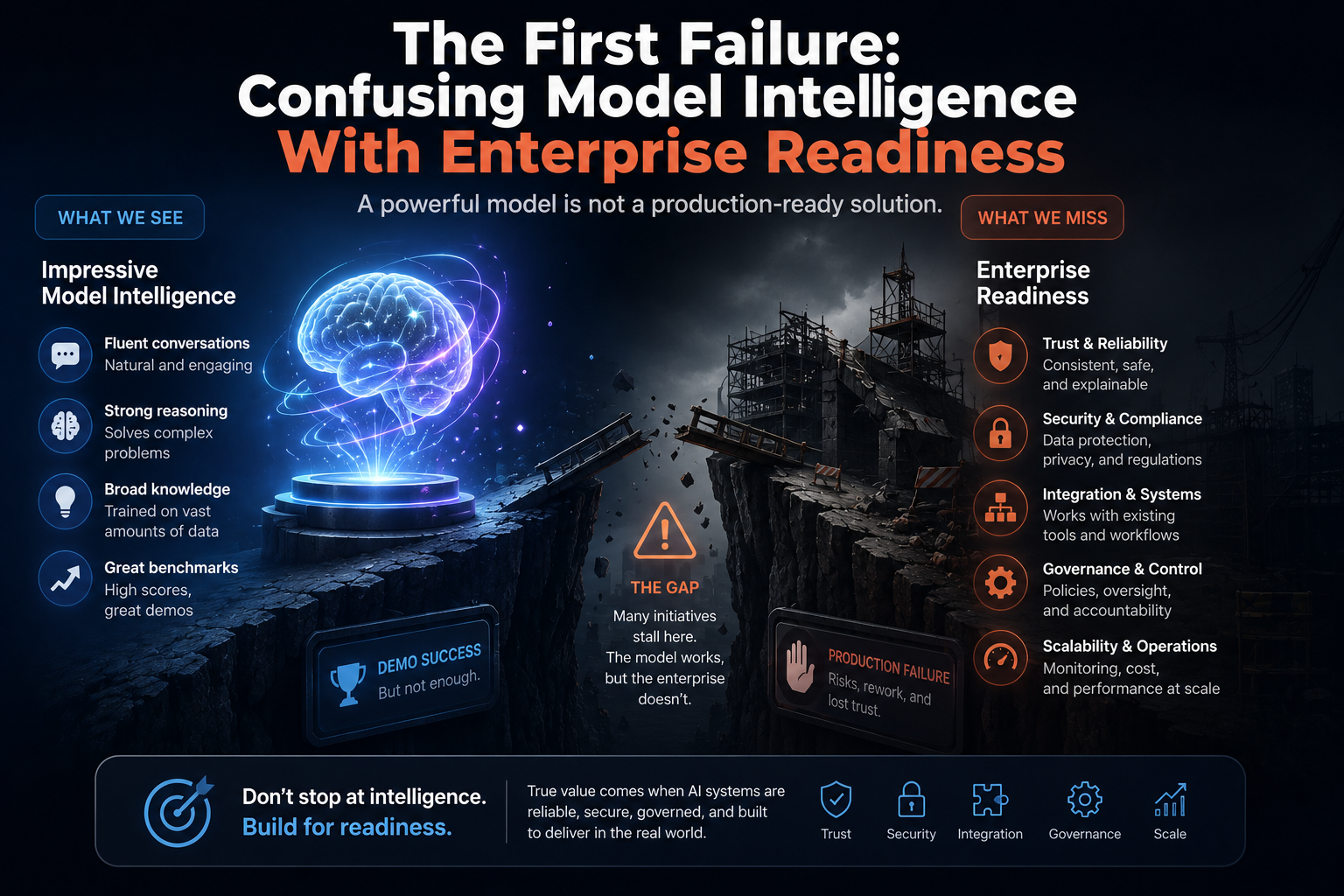
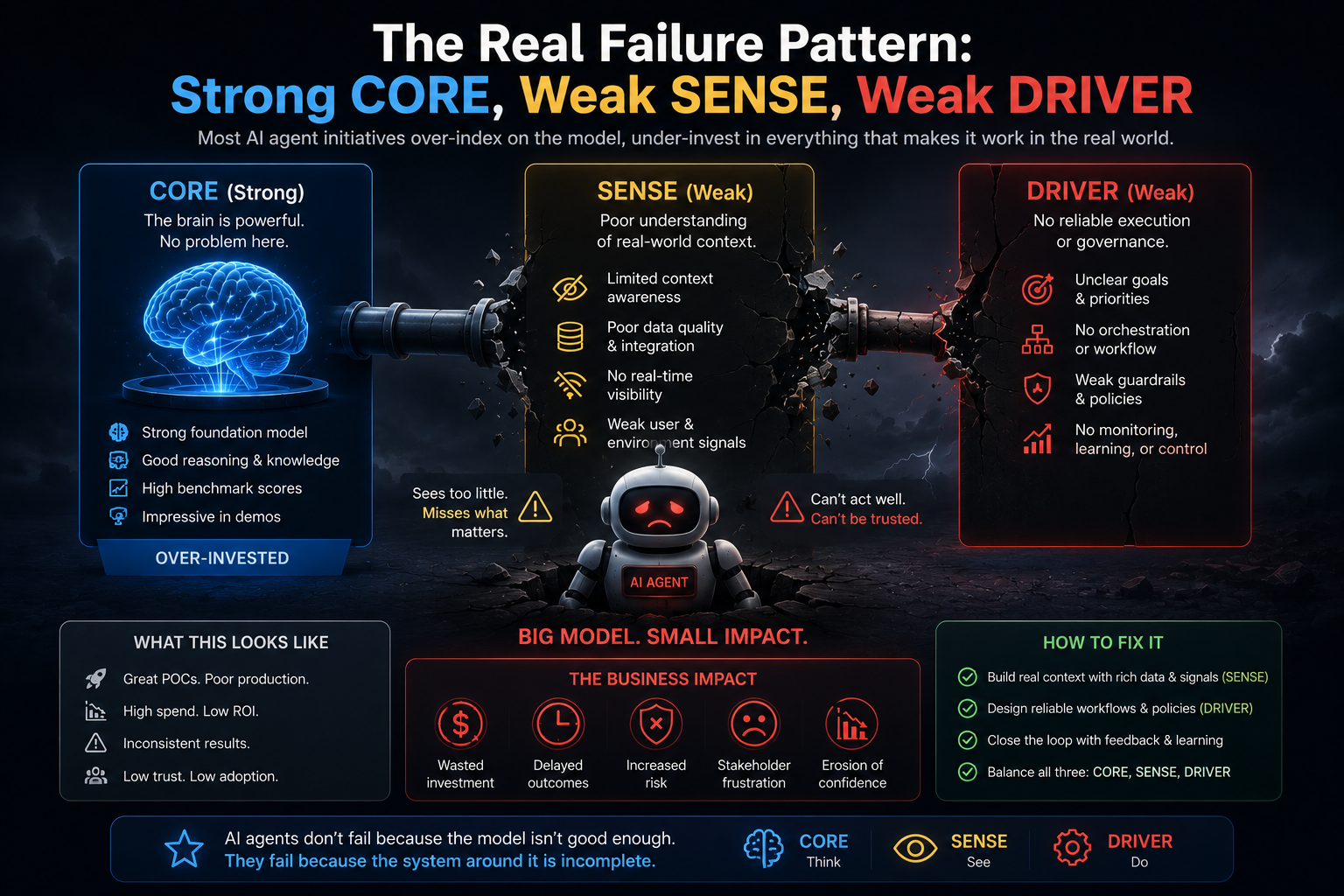
Most enterprises are currently overinvesting in CORE.

They are building copilots, agents, copiloting workflows, reasoning systems, retrieval pipelines, and multimodal interfaces. These are important. But CORE by itself does not create institutional trust.

CORE may say:

“Approve this loan.”
“Escalate this incident.”
“Reject this claim.”
“Pay this invoice.”
“Terminate this workflow.”
“Send this response.”
“Modify this configuration.”

But CORE does not automatically know whether it has the right to act.

It may reason well and still act wrongly.

A simple example: imagine an AI agent in a bank. It detects suspicious behavior in an account and recommends freezing the account. From a model perspective, the reasoning may be statistically strong.

From a customer perspective, the action may be devastating if wrong. The customer may be unable to pay rent, salary, school fees, or medical bills.

So the key question is not only whether the AI detected risk.

The key question is whether the organization had a DRIVER architecture around that detection.

Was the account identity resolved correctly?
Was the risk signal recent or outdated?
Was the decision checked against policy?
Was a human required before freezing?
Was the customer informed?
Was there a way to appeal?
Could the freeze be partially applied instead of fully applied?
Was every step auditable?

That is the difference between intelligent prediction and responsible action.

DRIVER as the Missing Layer Between AI Agents and Enterprise Trust

DRIVER as the Missing Layer Between AI Agents and Enterprise Trust

The rise of AI agents makes DRIVER even more important.

A chatbot usually answers.
An agent acts.

That small difference changes everything.

When an AI agent books a meeting, updates a CRM record, changes cloud permissions, triggers a refund, modifies a price, approves a document, or sends a customer communication, it crosses a boundary. It moves from information generation to delegated action.

This is why agentic AI cannot be governed only by prompt engineering.

It needs a runtime architecture for authority, policy, identity, logs, verification, rollback, escalation, and recourse.

Recent agent governance discussions increasingly focus on policy engines, trust boundaries, identity controls, tool-use governance, and reliability engineering for autonomous AI agents. Security conversations around agentic AI also highlight risks such as tool misuse, identity abuse, cascading failures, and unauthorized actions. These are not abstract concerns; they are exactly the failure modes DRIVER is designed to address. (TECHCOMMUNITY.MICROSOFT.COM)

The Six Technical Components of the DRIVER Layer

The Six Technical Components of the DRIVER Layer
  1. Delegation: Who Authorized the AI to Act?

Delegation is the first principle of DRIVER.

An AI system should not act simply because it can act. It should act only because a valid authority allowed it to act within a defined boundary.

In human organizations, delegation is normal. A manager delegates approval authority to a team lead. A bank delegates transaction authority to a branch officer. A doctor delegates routine monitoring to a nurse. A company delegates purchase limits to different roles.

AI needs the same structure.

But in AI, delegation must be machine-readable.

That means the system must know:

What action is allowed?
Who granted permission?
What is the scope of authority?
What is the approval limit?
What data can be accessed?
Which tools can be invoked?
When does the delegation expire?
What conditions require escalation?

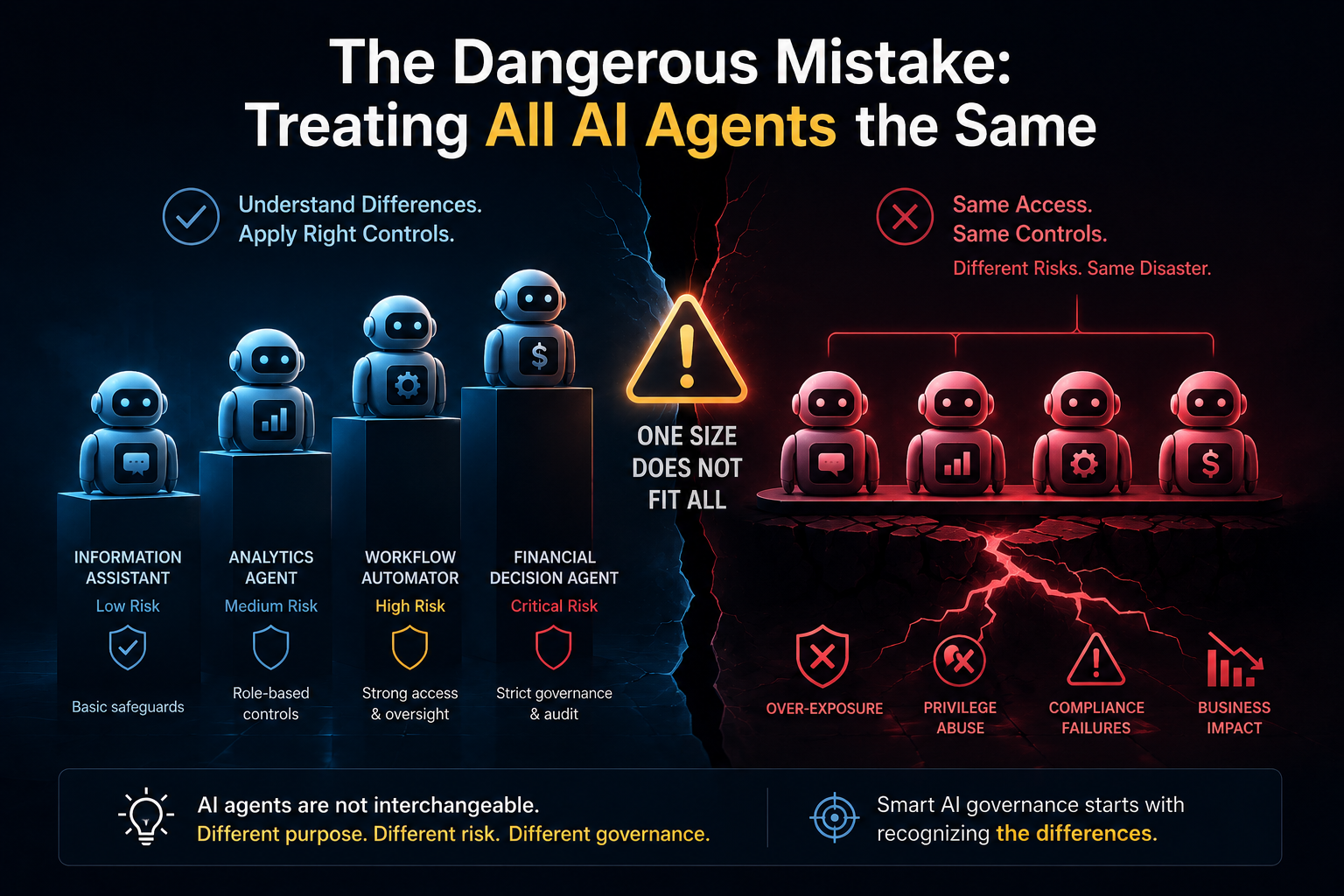
For example, an AI procurement agent may be allowed to reorder office supplies below a small threshold. But it should not be allowed to sign a multi-year vendor contract. An IT operations agent may restart a failed service, but it should not delete production data. A customer service agent may issue a small refund, but not close an enterprise account.

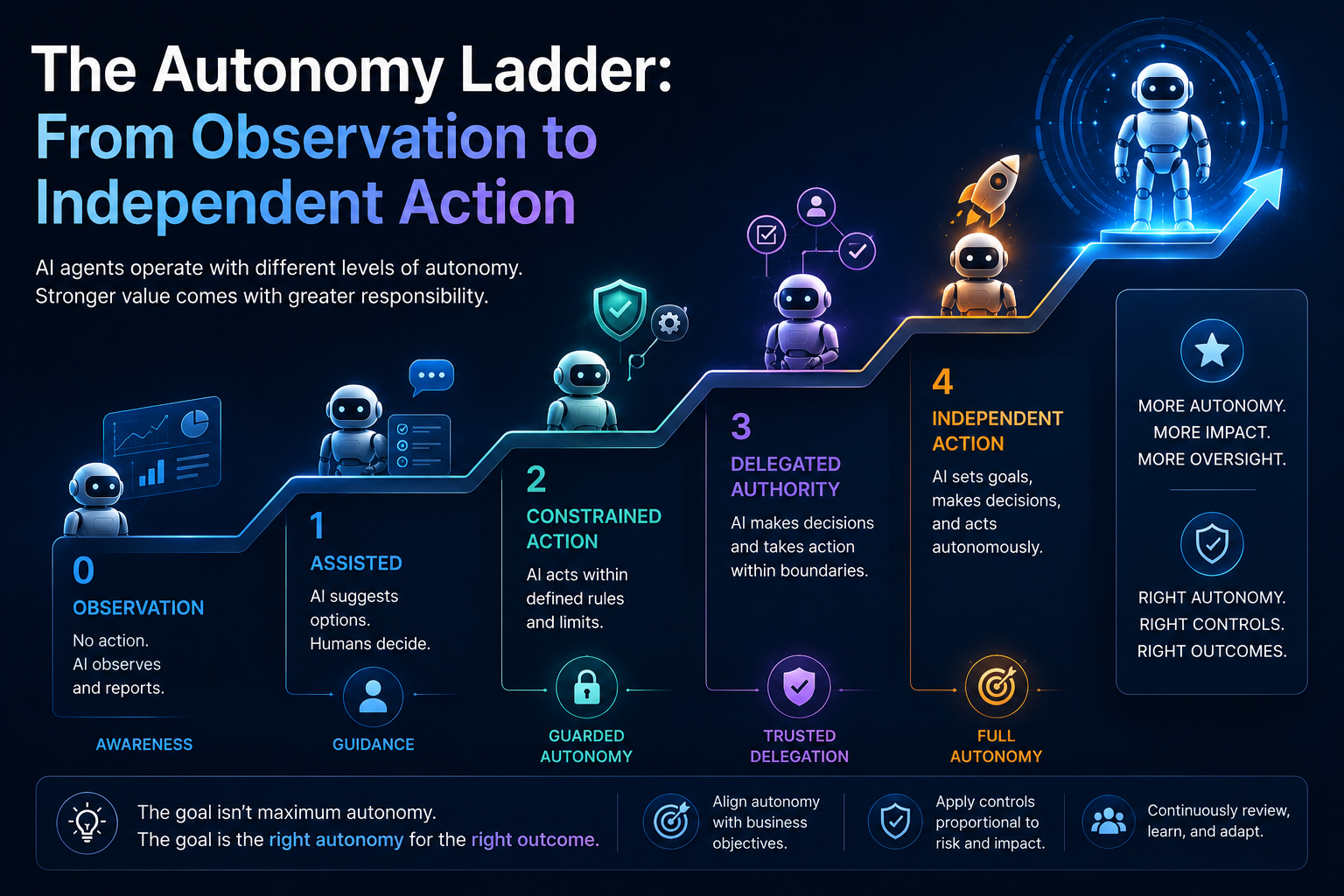
Delegation turns AI autonomy into bounded autonomy.

Without delegation, every AI action becomes a risk.
With delegation, every AI action becomes part of a controlled authority chain.

  1. Representation: What Reality Did the System Act Upon?

AI systems do not act on reality directly. They act on representations of reality.

A customer profile is a representation.
A risk score is a representation.
A digital twin is a representation.
A context graph is a representation.
An identity graph is a representation.
A workflow state is a representation.
A document summary is a representation.
A sensor reading is a representation.

The quality of action depends on the quality of representation.

If representation is wrong, even a good model can produce a harmful decision.

Consider a hospital scheduling system. If the system represents a patient as “low urgency” because one medical record was not linked correctly, the AI may recommend a later appointment. The model may not be biased or broken. It may simply be acting on an incomplete representation.

This is why DRIVER must preserve representation lineage.

The system should know:

Which data sources were used?
When were they updated?
Which entity graph connected the records?
Which assumptions were made?
Which context was excluded?
Which version of the policy applied?
Which model or reasoning path produced the decision?

In the Representation Economy, this is a major strategic point.

Organizations will not win only because they have better AI models. They will win because they can represent reality more accurately, act on it responsibly, and correct it when needed.

  1. Identity: Which Entity Was Affected?

Identity is one of the most underestimated problems in enterprise AI.

Before an AI system acts, it must know exactly which entity it is acting upon.

That entity may be a customer, employee, machine, shipment, invoice, supplier, loan, insurance claim, software service, contract, or financial transaction.

If identity is wrong, action becomes dangerous.

A simple example: two customers have similar names. One has a clean history. The other has a fraud alert. If the AI system merges or confuses their identities, it may deny service to the wrong person.

In enterprise AI, this is not rare.

Data lives across many systems. Names vary. IDs change. Systems use different keys. Mergers create duplicate records. Old records remain active. Vendors and customers may appear under multiple legal names. Devices may be replaced but retain operational history. Employees may move roles but retain permissions.

So DRIVER needs identity assurance.

Before execution, the system must verify:

Is this the correct entity?
What confidence exists in the identity match?
Are there duplicate records?
Is there a conflict between systems?
Is the entity active, inactive, suspended, or under review?
Does the action affect one entity or many connected entities?

This is where identity graphs, entity resolution, and context graphs become part of governance architecture.

Identity is not just a data management problem.

In AI systems, identity is an action safety problem.

  1. Verification: How Was the Decision Checked?

Verification is the checkpoint between recommendation and execution.

It asks: should this AI-generated decision be trusted enough to act?

Verification can happen in many ways.

For low-risk actions, automated checks may be enough.
For medium-risk actions, policy checks and confidence thresholds may be required.
For high-risk actions, human review may be mandatory.
For regulated actions, full audit trails and explainability may be required.

For example, an AI email assistant suggesting a response may require minimal verification. But an AI system approving a loan, rejecting a claim, changing clinical priority, or modifying production infrastructure requires stronger verification.

Verification may include:

Policy validation
Rule-based checks
Human approval
Second-model review
Evidence matching
Source validation
Simulation before action
Risk scoring
Compliance checks
Conflict detection
Red-team style testing
Runtime monitoring

The best DRIVER architectures do not treat verification as a single gate. They treat it as a layered process.

A cyber AI agent may first verify whether the threat signal is real. Then it may verify which system is affected. Then it may verify whether the proposed containment action is allowed. Then it may verify whether business-critical services will be impacted. Then it may require human approval if the blast radius is high.

This is how enterprises move from blind automation to controlled autonomy.

  1. Execution: How Is the Action Carried Out?

Execution is where AI leaves the screen and enters the enterprise.

This is the most sensitive point.

Many AI systems look impressive because they generate good outputs. But enterprise value is created only when those outputs safely change something in the world: a record, a workflow, a ticket, a process, a decision, a document, a configuration, or a transaction.

Execution needs technical discipline.

The DRIVER layer must control:

Which tools can be called
Which APIs can be used
Which systems can be changed
What permissions apply
What sequence must be followed
What logs must be created
What errors must trigger rollback
What exceptions must trigger escalation
What cost or resource limits apply
What human approvals are needed

For example, an AI agent in IT operations may recommend restarting a service. But the execution layer must check whether the service is in production, whether a deployment is already running, whether dependent systems will fail, whether a maintenance window exists, and whether restart authority has been delegated.

In good architecture, the AI agent does not directly “do whatever it wants.”

It requests action through governed execution channels.

This is similar to how financial systems use payment rails, approval workflows, audit logs, and authorization checks. The intelligence may come from the model, but the legitimacy comes from the execution architecture.

  1. Recourse: What Happens If the AI Is Wrong?

Recourse is the most human part of the DRIVER layer.

It asks: when an AI system makes a wrong decision, what can the affected party do?

Can they appeal?
Can they correct the data?
Can they see the reason?
Can the action be reversed?
Can compensation happen?
Can the organization learn from the error?
Can the same mistake be prevented next time?

Without recourse, AI becomes a one-way machine.

That is dangerous.

A customer denied service by AI should not be trapped by an invisible system. An employee affected by an AI-generated assessment should have a correction path. A supplier penalized by an automated risk score should have a review process. A patient triaged by an AI-assisted system should have clinical escalation. A citizen affected by an automated decision should not be reduced to a database output.

Recourse is not only ethical. It is strategic.

Organizations that build recourse into AI systems will earn trust faster. Organizations that do not will face reputational, regulatory, and operational risk.

The EU AI Act’s emphasis on human oversight and risk reduction in high-risk systems reflects this broader movement toward accountable AI deployment. NIST’s framework similarly emphasizes documentation, human review, and accountability as mechanisms for managing AI risk. (Artificial Intelligence Act)

A Simple Example: The AI Loan Approval Agent

A Simple Example: The AI Loan Approval Agent

Let us bring DRIVER to life through a simple banking example.

An AI system evaluates a small business loan application.

The SENSE layer collects signals: bank statements, invoices, tax filings, repayment history, business activity, cash flow patterns, and external risk indicators.

The CORE layer reasons over this information and recommends approval, rejection, or further review.

But the DRIVER layer decides how that recommendation becomes action.

Delegation: Is the AI allowed to approve loans below a certain amount, or only recommend?

Representation: Which financial records were used? Were they complete and current?

Identity: Is this the correct business entity? Are related accounts connected correctly?

Verification: Does the decision comply with credit policy, regulatory rules, and risk thresholds?

Execution: Will the system generate an offer, route to a loan officer, or request more documents?

Recourse: If rejected, can the applicant see the reason, correct missing data, and appeal?

This example shows why DRIVER is not optional.

The model may be only one part of the system. The real enterprise architecture includes data representation, authority, verification, execution, and correction.

DRIVER and the Future of AI-Native Enterprises

DRIVER and the Future of AI-Native Enterprises

The next generation of AI-native enterprises will not simply use smarter models.

They will build stronger DRIVER layers.

This will create a new kind of organizational capability: governed autonomy at scale.

Today, many companies are afraid to let AI act because they cannot answer basic questions about control. They do not know how to delegate authority to agents. They do not know how to verify outputs at runtime. They do not know how to reverse actions. They do not know how to create audit-ready trails. They do not know how to design recourse for affected entities.

So they keep AI in assistant mode.

The assistant can suggest, summarize, draft, search, and recommend. But it cannot safely execute.

The companies that solve DRIVER will move further.

They will allow AI systems to operate inside workflows, supply chains, financial operations, customer service, software engineering, cybersecurity, procurement, compliance, healthcare administration, and field operations.

But they will do this with bounded autonomy.

Not free-floating agents.
Not black-box automation.
Not uncontrolled model outputs.

They will build AI systems with authority chains, policy gates, verification loops, audit trails, human escalation, and correction mechanisms.

That is the architecture of enterprise trust.

DRIVER as a Competitive Advantage

DRIVER as a Competitive Advantage

In the Representation Economy, companies compete not only on products, data, or algorithms. They compete on how well they represent entities and act on their behalf.

This makes DRIVER a strategic layer.

A company with a strong DRIVER architecture can scale AI faster because leaders trust the system. Regulators trust the system. Customers trust the system. Employees trust the system. Partners trust the system.

A company with weak DRIVER architecture will hesitate. Every new AI use case will require manual review, legal debate, risk exceptions, compliance concerns, and operational anxiety.

This creates a new form of competitive advantage.

The future winners will not be the companies that simply ask, “Which AI model should we use?”

They will ask:

What authority can be delegated to AI?
What actions require human approval?
What verification layer is needed?
What representation errors can cause harm?
What identity failures can trigger wrong action?
What recourse path protects affected entities?
What logs prove that the system acted responsibly?

These questions will define the operating model of AI-era enterprises.

Why DRIVER Will Matter More as AI Becomes Invisible

Why DRIVER Will Matter More as AI Becomes Invisible

The most powerful AI systems will not always appear as chatbots.

They will be embedded inside workflows.

They will update records, route work, trigger alerts, summarize evidence, prepare decisions, negotiate exceptions, coordinate agents, and execute business processes.

As AI becomes more invisible, DRIVER becomes more important.

When a human sees a chatbot response, they can question it. But when AI is embedded inside a workflow, the action may happen before anyone notices.

A wrong recommendation is one problem.
A wrong action is a much bigger problem.
A wrong action with no recourse is an institutional failure.

This is why every enterprise AI architecture needs an explicit DRIVER layer.

Not later. Now.

The New Architecture Question for Leaders

The central question for leaders is changing.

Earlier, leaders asked:

“Do we have AI?”

Then they asked:

“Do we have good AI models?”

Now they must ask:

“Do we have the architecture to let AI act responsibly?”

That is the DRIVER question.

It is not a technology-only question. It is a board-level question, a risk question, an operating model question, and a trust question.

Because once AI begins acting on behalf of organizations, the organization remains responsible.

AI may recommend.
AI may execute.
AI may automate.
AI may coordinate.
AI may learn.

But accountability cannot be outsourced to the model.

The enterprise must still answer for the action.

Conclusion: DRIVER Is the Legitimacy Layer of the AI Economy

DRIVER Is the Legitimacy Layer of the AI Economy

The AI era will not be defined only by intelligence.

It will be defined by legitimate intelligence.

That means intelligence that is authorized, grounded, verified, executed responsibly, and correctable when wrong.

This is the purpose of the DRIVER layer.

SENSE makes reality machine-readable.
CORE makes reality interpretable.
DRIVER makes action legitimate.

In the Representation Economy, this may become one of the most important architectural shifts of the next decade.

The companies that master DRIVER will not merely deploy AI. They will institutionalize AI. They will move from pilots to production, from assistants to agents, from recommendations to governed execution, and from automation to trust.

The companies that ignore DRIVER may still have impressive demos.

But they will struggle to build systems that customers, regulators, employees, and boards can trust.

The future of enterprise AI will not belong only to the organizations with the most powerful models.

It will belong to the organizations that can answer the hardest question:

When AI acts, who authorized it, how was it verified, and how can the affected entity seek recourse?

That is the DRIVER layer.

And that is where the next architecture of enterprise trust begins.

FAQ

What is the DRIVER layer in AI?

The DRIVER layer is the governance and execution architecture that ensures AI decisions are authorized, verified, executed responsibly, and correctable when wrong.

Why is the DRIVER layer important for enterprise AI?

Because enterprise AI must do more than reason—it must act safely, accountably, and within delegated authority boundaries.

What does DRIVER stand for?

  • Delegation
  • Representation
  • Identity
  • Verification
  • Execution
  • Recourse

How does DRIVER relate to AI agents?

AI agents can reason and recommend, but DRIVER governs whether and how they can take real-world action.

Why is DRIVER critical for AI-native enterprises?

Because enterprises cannot scale autonomous AI without trust, accountability, observability, and recourse mechanisms.

Glossary

DRIVER Layer

The governance and execution architecture that ensures AI decisions are delegated, verified, executed responsibly, and correctable when wrong.

Delegation

The mechanism by which an organization explicitly grants an AI system bounded authority to act within defined limits.

Representation

The structured model of reality an AI system uses to make decisions, including data, context, assumptions, and entity relationships.

Identity Resolution

The process of determining which real-world entity (person, organization, asset, or account) the AI system is acting upon.

Verification

The validation layer that checks whether an AI-generated recommendation or action complies with rules, policies, evidence, and risk thresholds before execution.

Execution Layer

The controlled mechanism through which approved AI actions are carried out in enterprise systems, workflows, or external environments.

Recourse

The process by which affected entities can appeal, correct, reverse, or seek remediation for AI-driven decisions or actions.

Agentic AI

AI systems capable of autonomously planning, deciding, and executing multi-step actions toward goals.

Bounded Autonomy

A design principle where AI systems operate autonomously only within predefined authority, policy, and risk boundaries.

AI Governance Architecture

The technical and organizational systems that ensure AI operates safely, lawfully, transparently, and accountably.

Enterprise Trust Layer

The infrastructure that ensures enterprise stakeholders can rely on AI decisions and actions with confidence.

Representation Economy

A framework describing the shift from value creation through labor and software toward value creation through machine-readable representation, reasoning, and governed execution.

SENSE–CORE–DRIVER Framework

A conceptual architecture for AI-era systems:

  • SENSE: Makes reality machine-readable
  • CORE: Interprets and reasons over reality
  • DRIVER: Governs and legitimizes action

Reference and Further Read 

  1. NIST AI Risk Management Framework

https://www.nist.gov/itl/ai-risk-management-framework

  1. EU AI Act Overview

https://artificialintelligenceact.eu/

  1. OECD AI Principles

https://oecd.ai/en/ai-principles

  1. Microsoft Agent Governance / Trust Architecture Material

https://techcommunity.microsoft.com/

  1. Anthropic Research on Constitutional / Safe AI

https://www.anthropic.com/research

  1. OpenAI Research / Safety

https://openai.com/research

Further reading

This article is part of a broader research series exploring how institutions are being redesigned for the age of artificial intelligence.

Together, these essays examine the structural foundations of the emerging AI economy — from signal infrastructure and representation systems to decision architectures and enterprise operating models. If you want to explore the deeper framework behind these ideas, the following essays provide additional perspectives:

Together, these essays outline a central thesis:

The future will belong to institutions that can sense reality, represent it clearly, reason about it intelligently, and act through governed machine systems.

This is why the architecture of the AI era can be understood through three foundational layers:

SENSE → CORE → DRIVER

Where:

  • SENSE makes reality legible
  • CORE transforms signals into reasoning
  • DRIVER ensures that machine action remains accountable, governed, and institutionally legitimate

Signal infrastructure forms the first and most foundational layer of that architecture.

AI Economy Research Series — by Raktim Singh

Written by Raktim Singh, AI thought leader and author of Driving Digital Transformation, this article is part of an ongoing body of work defining the emerging field of Representation Economics and the SENSE–CORE–DRIVER framework for intelligent institutions.

This article is part of a larger series on Representation Economics, including topics such as Representation Utility Stack, Representation Due Diligence, Recourse Platforms, and the New Company Stack.

AI does not create value by intelligence alone. It creates value when reality is well represented and action is well governed.

Author box

Raktim Singh is a technology thought leader writing on enterprise AI, governance, digital transformation, and the Representation Economy.


Cognitive Routing Architectures: How Enterprise AI Dynamically Selects the Right Reasoning Path

Cognitive Routing Architectures:

Enterprise AI will not scale by making every problem go through the same model. It will scale when systems learn how to choose the right path of thought.

Most enterprise AI systems today still behave like every problem deserves the same kind of intelligence.

A user asks a question.
A prompt is sent to a model.
The model retrieves some context.
The model generates an answer.

This works for simple tasks. It can summarize documents, draft emails, classify tickets, write code snippets, and answer common questions.

But enterprises do not run on simple questions.

They run on mixed problems.

Some problems need retrieval.
Some need calculation.
Some need policy reasoning.
Some need causal analysis.
Some need graph traversal.
Some need simulation.
Some need human escalation.
Some need a cheap model.
Some need a frontier model.
Some should not go to a model at all.

This is why the next stage of enterprise AI will not be defined only by bigger models or better prompts.

It will be defined by cognitive routing architectures.

A cognitive routing architecture is the system that decides which reasoning path an AI system should use for a given task. It determines whether the task should go to a small model, a large model, a retrieval system, a graph system, a rules engine, a domain model, a workflow engine, a human reviewer, or a combination of these.

In simple language: cognitive routing is the enterprise AI system asking, “What kind of thinking is needed here?”

That question is becoming critical.

Because in the AI era, competitive advantage will not come only from having intelligence. It will come from knowing which intelligence to apply, when, where, at what cost, with what evidence, and under what authority.

That is why cognitive routing belongs at the heart of the Representation Economy.

A cognitive routing architecture is an enterprise AI system that dynamically selects the optimal reasoning path for a task by choosing the right combination of model, retrieval method, tool, workflow, and governance controls based on context, risk, and objective.

Why one reasoning path is not enough

A large language model is powerful, but it is not the right tool for every enterprise problem.

If a customer asks for a summary of a policy, a language model may be enough.

If a finance team asks whether a transaction violates policy, the system may need policy rules, transaction context, customer identity, approval history, and audit constraints.

If a supply chain manager asks which supplier disruption creates the highest revenue exposure, the system may need graph reasoning, inventory state, contract dependencies, revenue mapping, logistics data, and scenario analysis.

If a cyber analyst asks whether an access attempt is suspicious, the system may need identity history, device reputation, behavior patterns, privilege level, threat intelligence, and escalation rules.

These are different reasoning problems.

Treating them all as “send to LLM” is like sending every patient in a hospital to the same doctor, every legal issue to the same lawyer, and every financial decision to the same spreadsheet.

It may appear efficient at first.

But over time, it creates errors, cost overruns, latency, weak trust, and poor governance.

This is why model routing, tool routing, retrieval routing, and agent orchestration are becoming important architectural patterns. Recent work on routing strategies for large language models highlights a growing need to choose among models, tools, and methods depending on task requirements rather than relying on one default path. (arXiv)

But cognitive routing goes further.

It is not just about picking a model.

It is about selecting the right reasoning route.

Cognitive routing enables enterprise AI systems to choose how to think before they respond or act. Rather than sending every task through the same model or workflow, routed systems dynamically select the most appropriate reasoning path based on context, complexity, cost, and risk.

What cognitive routing actually means

What cognitive routing actually means

Cognitive routing is the dynamic selection of the appropriate reasoning strategy for a task.

It answers questions like:

Should this task use retrieval or direct reasoning?
Should retrieval come from vector search, graph search, structured database query, or all three?
Should the task go to a small model, a domain model, or a frontier model?
Should the system call a tool or ask a human?
Should it reason step by step or use a deterministic workflow?
Should it optimize for speed, cost, accuracy, auditability, or risk reduction?
Should the answer be generated, verified, escalated, or blocked?

This is the “traffic control” layer of enterprise intelligence.

Without cognitive routing, enterprise AI becomes a single-lane road. Every task is forced through the same path, even when the task requires a different vehicle.

With cognitive routing, the enterprise builds a multi-lane reasoning system.

Simple tasks use simple routes.
High-risk tasks use verified routes.
Ambiguous tasks use exploratory routes.
Regulated tasks use governed routes.
Cost-sensitive tasks use efficient routes.
Mission-critical tasks use escalated routes.

This is how AI becomes operationally mature.

The future of enterprise AI will depend less on model size and more on how intelligently systems choose the right way to think.

A simple example: customer complaint handling

Imagine a customer writes:

“I was charged twice, and your team promised a refund last week. Nothing has happened. I want this resolved today.”

A basic AI assistant may retrieve refund policy and generate a polite response.

A cognitively routed system does something very different.

First, it identifies the task type: complaint with financial impact.
Then it routes to multiple reasoning paths:

It checks transaction records to verify duplicate charge.
It checks previous support interactions.
It checks whether a refund was already approved.
It checks policy rules for refund eligibility.
It checks customer status and escalation history.
It checks whether the AI is allowed to initiate a refund or only recommend one.
It sends the case to a human if the value exceeds an authority threshold.

The final response may still look simple.

But the reasoning path behind it is not simple.

That is the difference between chatbot behavior and enterprise reasoning.

Cognitive routing and SENSE–CORE–DRIVER

Cognitive routing and SENSE–CORE–DRIVER

In the Representation Economy, AI value depends on the relationship between SENSE, CORE, and DRIVER.

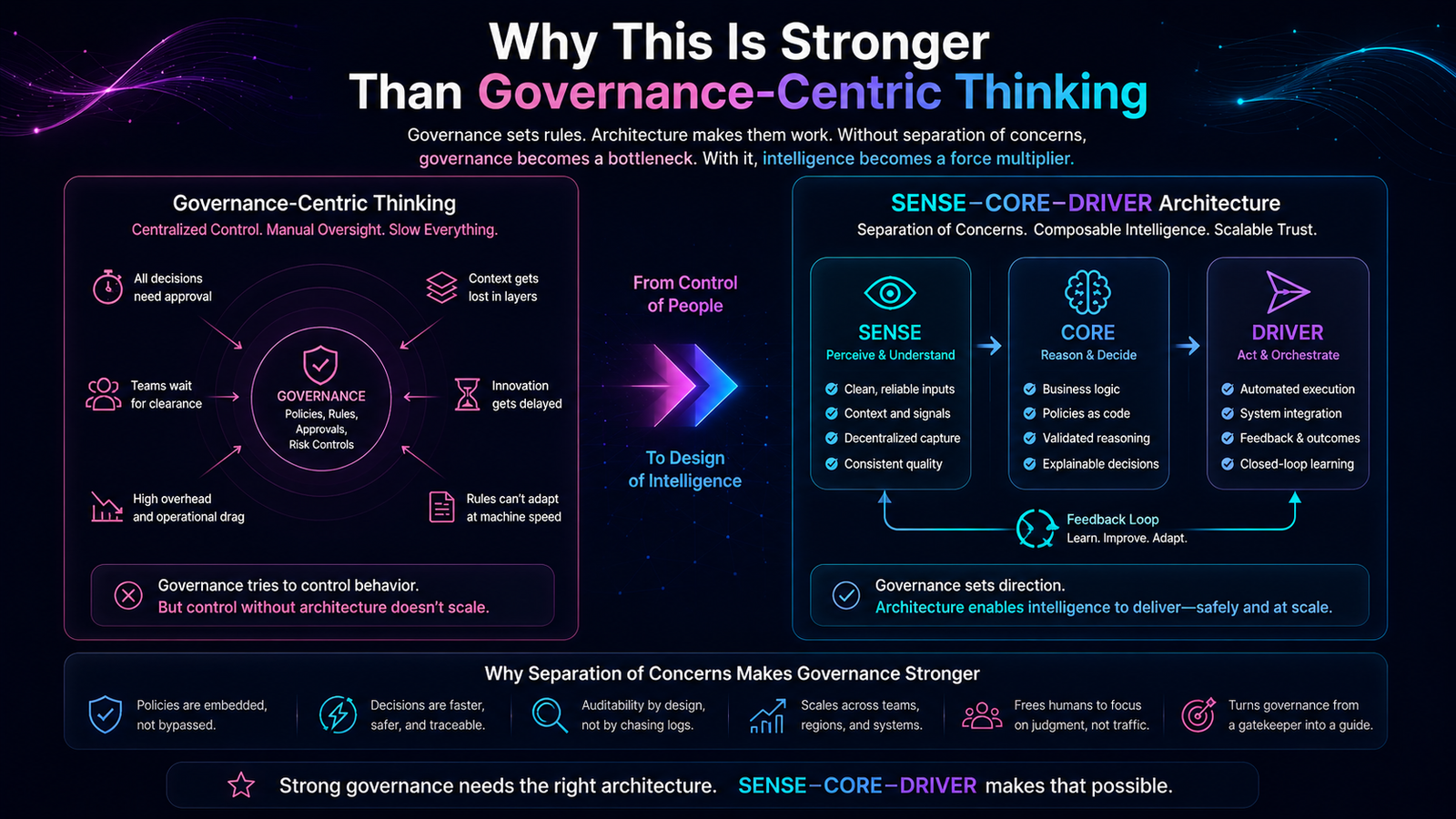
SENSE makes reality legible: signals, entities, state, and evolution.

CORE interprets reality: reasoning, optimization, prediction, planning, and judgment.

DRIVER governs action: delegation, identity, verification, execution, and recourse.

Cognitive routing sits inside CORE, but it depends deeply on SENSE and DRIVER.

It depends on SENSE because the system must understand the task context before choosing a route.

It needs to know: what entity is involved, what state it is in, what signals are available, what has changed, and what relationships matter.

It depends on DRIVER because the route cannot be chosen only for intelligence. It must also respect authority, risk, policy, accountability, and recourse.

For example, a low-risk summarization request may go directly to a fast model. A high-risk credit decision may need structured retrieval, policy validation, human approval, and audit logging. A cybersecurity action may need identity verification, tool authorization, and rollback capability.

So cognitive routing is not merely technical optimization.

It is institutional judgment encoded into architecture.

The main types of cognitive routing

The main types of cognitive routing

A strong cognitive routing architecture usually includes several routing layers.

  1. Model routing

Model routing decides which model should handle a task.

Not every task needs the largest or most expensive model. Some tasks can be handled by smaller models, domain-specific models, or even deterministic systems.

A simple classification task may use a lightweight model. A complex strategy question may need a frontier model. A legal or regulatory task may require a domain-specialized model plus verification.

Microsoft’s enterprise AI updates have highlighted model router capabilities that automatically select cost-effective models for tasks, with the goal of optimizing performance and reducing inference cost. (IT Pro)

This is important because enterprise AI cost can rise sharply after adoption. If every task goes to the most expensive model, scaling becomes economically fragile.

Model routing makes AI more sustainable.

  1. Retrieval routing

Retrieval routing decides where the system should get context.

Should it search documents?
Should it query structured databases?
Should it use a knowledge graph?
Should it retrieve policies?
Should it call a live system?
Should it combine multiple sources?

Traditional RAG often retrieves semantically similar text chunks. But many enterprise questions need structured relationships and corpus-level understanding. Microsoft’s GraphRAG describes a structured, hierarchical retrieval approach that uses knowledge graphs and community summaries rather than relying only on naive semantic search. (Microsoft GitHub)

This matters because different questions require different retrieval paths.

A policy question may need document retrieval.
A dependency question may need graph retrieval.
A status question may need live database retrieval.
A risk question may need all three.

Cognitive routing decides the route.

  1. Tool routing

Tool routing decides which external tool, API, database, workflow, or function the AI should call.

A customer service agent may need a CRM tool.
A finance assistant may need an ERP query.
A developer assistant may need a code repository.
A cyber agent may need a SIEM system.
An HR assistant may need policy and workflow systems.

Tool-calling architectures are becoming central to agentic AI, because agents increasingly interact with APIs, databases, and external systems rather than merely generating text. (Medium)

But tool routing must be controlled. The system should not call every available tool. It should call the right tool, for the right reason, with the right permissions.

  1. Reasoning strategy routing

Not every task requires the same style of reasoning.

Some tasks need summarization.
Some need classification.
Some need planning.
Some need causal reasoning.
Some need multi-hop reasoning.
Some need simulation.
Some need verification.
Some need debate between agents.
Some need deterministic execution.

A cognitively routed system selects the reasoning strategy.

For example, “Summarize this contract” is not the same as “Tell me whether this contract creates risk under this new regulation.” The first needs summarization. The second needs legal context, policy comparison, exception detection, risk interpretation, and possibly escalation.

  1. Risk routing

Risk routing decides how much control the system needs before responding or acting.

Low-risk tasks can move quickly.
Medium-risk tasks may need verification.
High-risk tasks may need human approval.
Regulated tasks may need audit trails.
Irreversible tasks may need strict boundaries.

This is where cognitive routing enters DRIVER territory.

The same AI capability may be acceptable in one context and unacceptable in another.

Drafting a customer email is one thing. Sending it automatically to a high-value customer during a dispute is another. Suggesting a refund is one thing. Executing it is another.

Risk routing prevents intelligence from becoming uncontrolled action.

Why cognitive routing matters for enterprise AI

Cognitive routing solves five major problems.

  1. It reduces cost

A mature enterprise AI system should not use the most expensive model for every task.

Some tasks need precision. Others need speed. Others need low cost. Routing helps allocate compute intelligently.

This becomes especially important as enterprises move from pilots to thousands or millions of AI interactions.

  1. It improves reliability

The wrong reasoning path produces fragile answers.

If a task requires structured data but the system relies only on language generation, the answer may sound confident but be wrong. If a task requires policy validation but the system relies only on semantic retrieval, the result may miss an exception.

Routing improves reliability by matching the task to the right cognitive method.

  1. It improves explainability

When systems route through explicit paths, they can explain what they did.

They can say: I checked policy, retrieved customer state, verified transaction history, applied risk rules, and escalated because the case exceeded the authority threshold.

That is very different from a black-box answer.

  1. It improves governance

Routing allows enterprises to encode governance into the reasoning process.

High-risk tasks can automatically require additional validation. Sensitive data can be routed through approved systems. Certain actions can be blocked or escalated.

This makes governance operational, not merely documentary.

  1. It improves user trust

Users trust AI more when it uses the right kind of reasoning.

A finance leader does not want a creative answer to a compliance question. A maintenance engineer does not want a poetic summary of a machine failure. A board member does not want a shallow answer to a strategic risk question.

Cognitive routing makes AI feel more competent because it behaves more appropriately.

Cognitive routing vs orchestration

Cognitive routing and orchestration are related, but they are not the same.

Orchestration coordinates steps, agents, tools, and workflows.

Routing decides which path should be taken.

Think of orchestration as the conductor of an orchestra.

Think of cognitive routing as the judgment that decides which orchestra, which instrument, which score, and which tempo are appropriate for the situation.

Azure’s AI agent design guidance describes multiple orchestration patterns, including sequential, concurrent, handoff, and group-chat patterns. These patterns help teams choose how agents coordinate for different scenarios. (Microsoft Learn)

Cognitive routing can sit above or inside orchestration. It may decide whether the task should follow a sequential workflow, a parallel multi-agent workflow, a handoff pattern, or a simple single-model response.

In mature systems, routing and orchestration work together.

Routing chooses the path.
Orchestration executes the path.

What a cognitive routing architecture looks like

A practical cognitive routing architecture has several components.

Intent classifier

This detects what the user or system is trying to do.

Is it a lookup, summary, analysis, decision, recommendation, approval, execution, exception, or escalation?

Context analyzer

This reads the SENSE layer.

Which entity is involved? What state is it in? What relationships matter? What is the risk level? What changed recently?

Policy and authority checker

This reads the DRIVER layer.

Is the system allowed to answer? Is it allowed to act? Does the task require approval? Is the user authorized? Is the data sensitive?

Route planner

This selects the reasoning route.

It may choose a model, retrieval source, graph traversal, tool call, workflow, verification path, or human handoff.

Execution orchestrator

This runs the selected path.

It invokes tools, retrieves context, calls models, validates output, and manages intermediate steps.

Verification layer

This checks whether the answer or action is valid.

It may compare against rules, evidence, constraints, prior decisions, or human review requirements.

Learning loop

This improves routing over time.

Which routes worked? Which failed? Which were too expensive? Which caused escalation? Which produced trusted outcomes?

This learning loop is what turns routing from a static rules system into a cognitive infrastructure capability.

Examples across enterprise functions

Banking

A relationship manager asks: “Can we increase exposure to this client?”

A weak AI system generates a generic credit summary.

A cognitively routed system checks client identity, exposure history, sector risk, covenant status, collateral, transaction behavior, regulatory constraints, and credit policy. It routes financial calculations to risk engines, policy interpretation to a rules layer, qualitative summary to an LLM, and final approval to a human authority chain.

IT operations

An engineer asks: “Why is this application slow?”

A basic assistant searches logs.

A routed system checks telemetry, incident history, dependency graphs, recent deployments, infrastructure changes, user impact, and known problem records. It may route one path to log analysis, another to topology graph traversal, another to anomaly detection, and another to remediation recommendation.

Procurement

A category manager asks: “Which supplier should we prioritize for renegotiation?”

A simple system retrieves supplier contracts.

A routed system checks spend, delivery reliability, contractual flexibility, alternate suppliers, risk exposure, geopolitical signals, sustainability obligations, and business criticality. It routes structured analysis to databases, relationship reasoning to graphs, and strategy synthesis to a language model.

Legal and compliance

A team asks: “Can we launch this offer in this market?”

A basic AI system summarizes regulations.

A routed system checks product terms, jurisdiction, customer segment, consent requirements, disclosure obligations, risk controls, precedent decisions, and approval rules. It may produce a recommendation, but it may also force escalation.

This is cognitive routing in practice.

The failure modes of cognitive routing

Cognitive routing can fail in several ways.

Wrong intent detection

If the system misunderstands the task, the rest of the route is wrong.

A request that appears informational may actually imply action. A question that appears simple may carry legal or financial risk.

Bad context

If the SENSE layer is weak, routing decisions will be weak.

The system may choose the wrong model, retrieve the wrong records, or miss the risk level.

Over-routing

Not every task needs complex routing.

If every simple question triggers ten tools and three agents, the system becomes slow and expensive.

Under-routing

If the system treats serious tasks as simple tasks, it becomes dangerous.

This is especially risky in finance, healthcare, cybersecurity, law, and critical operations.

Hidden routing bias

If routing rules are trained on past behavior, they may preserve outdated organizational habits.

A system may route too many cases to humans, or too few. It may overuse certain models, ignore certain evidence, or under-escalate certain risks.

Poor route observability

If the enterprise cannot see why a route was chosen, the routing layer becomes another black box.

That defeats the purpose.

Metrics for cognitive routing

Enterprises will need new metrics.

Not just model accuracy.

They need routing quality.

Useful metrics include:

Route accuracy: Did the system choose the right path?

Route cost: Was the path economically appropriate?

Route latency: Did it respond within the required time?

Route risk alignment: Did the path match the task’s risk level?

Route explainability: Can the system explain why this path was chosen?

Route override rate: How often did humans correct the route?

Route failure rate: Which routes produce bad or incomplete outcomes?

Route learning rate: Is the system improving its choices over time?

These metrics matter because cognitive routing becomes a core operating capability. It is not a hidden technical feature. It is how the enterprise allocates intelligence.

Why cognitive routing is strategic

The first wave of enterprise AI asked:

Can AI answer?

The second wave asks:

Can AI act?

The next wave will ask:

Can AI choose the right way to think before it answers or acts?

That is a deeper question.

An enterprise that can route cognition well will use intelligence more efficiently. It will spend less on unnecessary model calls. It will reduce errors. It will govern action better. It will preserve human attention for the problems that truly need judgment.

This becomes a competitive advantage.

In a same-model world, where many firms can access similar AI capabilities, advantage shifts to the firm that can compose, route, verify, and govern intelligence better.

That is why cognitive routing is not just an AI architecture pattern.

It is a new managerial capability.

Cognitive routing and the Representation Economy

In the Representation Economy, the most important firms will not simply own intelligence. They will own better ways of representing reality and routing action through that reality.

Cognitive routing is the CORE-layer mechanism that connects representation to reasoning.

SENSE tells the system what reality looks like.
CORE decides how to reason over that reality.
DRIVER determines what action is legitimate.

Without SENSE, routing is blind.
Without CORE, routing has no intelligence to allocate.
Without DRIVER, routing may create unsafe action.

Cognitive routing is therefore one of the missing bridges between enterprise AI demos and enterprise AI production.

It turns AI from a single conversational interface into an adaptive reasoning system.

Conclusion: the future belongs to enterprises that can route intelligence

The next breakthrough in enterprise AI will not be only a better model.

It will be a better system for deciding when to use which model, which tool, which retrieval path, which graph, which workflow, which verification layer, and which human authority.

That is cognitive routing.

It is how enterprise AI becomes more accurate, more economical, more explainable, and more governable.

The organizations that master it will not treat AI as one universal brain. They will build a system of many reasoning paths, each suited to a different kind of problem.

That is how intelligent institutions will work.

They will not just ask AI for answers.

They will teach AI how to choose the right way to think.

And in the Representation Economy, that may become one of the deepest sources of advantage.

Further reading

This article is part of a broader research series exploring how institutions are being redesigned for the age of artificial intelligence.

Together, these essays examine the structural foundations of the emerging AI economy — from signal infrastructure and representation systems to decision architectures and enterprise operating models. If you want to explore the deeper framework behind these ideas, the following essays provide additional perspectives:

Stanford HAI (Human-Centered AI) blog, which explains the evolution of AI reasoning:
Stanford HAI – The Future of AI Reasoning

Together, these essays outline a central thesis:

The future will belong to institutions that can sense reality, represent it clearly, reason about it intelligently, and act through governed machine systems.

This is why the architecture of the AI era can be understood through three foundational layers:

SENSE → CORE → DRIVER

Where:

  • SENSE makes reality legible
  • CORE transforms signals into reasoning
  • DRIVER ensures that machine action remains accountable, governed, and institutionally legitimate

Signal infrastructure forms the first and most foundational layer of that architecture.

AI Economy Research Series — by Raktim Singh

Written by Raktim Singh, AI thought leader and author of Driving Digital Transformation, this article is part of an ongoing body of work defining the emerging field of Representation Economics and the SENSE–CORE–DRIVER framework for intelligent institutions.

This article is part of a larger series on Representation Economics, including topics such as Representation Utility Stack, Representation Due Diligence, Recourse Platforms, and the New Company Stack.

AI does not create value by intelligence alone. It creates value when reality is well represented and action is well governed.

Author box

Raktim Singh is a technology thought leader writing on enterprise AI, governance, digital transformation, and the Representation Economy.

Reversible AI Systems: Why Enterprise AI Needs an Undo Button Before It Can Scale

Reversible AI Systems:

AI is moving from recommendation to execution.

For years, enterprise AI mostly suggested actions. It ranked leads, detected anomalies, summarized documents, predicted demand, or recommended next steps. A human still decided what to do.

That world is changing.

AI agents can now draft emails, update records, trigger workflows, generate code, approve requests, escalate incidents, place orders, change configurations, and interact with enterprise systems.

This creates a new question for every serious enterprise:

What happens when AI does the wrong thing?

What happens when AI does the wrong thing?

Not in theory. In production.

What if an AI agent updates the wrong customer record?
What if it sends the wrong communication?
What if it approves an exception incorrectly?
What if it changes a configuration that breaks another system?
What if it acts on outdated data?
What if it follows the right instruction but applies it to the wrong entity?
What if it makes a decision that is technically efficient but institutionally unacceptable?

In traditional software, enterprises have learned to engineer backups, rollback, access controls, logs, approvals, incident response, disaster recovery, and change management.

AI now needs the same discipline.

This is where reversible AI systems become essential.

A reversible AI system is not an AI system that never makes mistakes. That is unrealistic. A reversible AI system is one where mistakes can be detected, explained, contained, corrected, and, where possible, undone.

In the age of enterprise AI agents, reversibility is not a feature. It is a foundation.

Why Reversibility Is Becoming a Strategic AI Requirement

Why Reversibility Is Becoming a Strategic AI Requirement

The enterprise conversation around AI has focused heavily on capability.

Can the model reason?
Can it code?
Can it summarize?
Can it plan?
Can it use tools?
Can it call APIs?
Can it work across systems?

These are important questions. But they are not sufficient.

The more important enterprise question is:

Can the system recover when intelligence fails?

This is where many AI programs are underprepared.

A chatbot that gives a weak answer is a quality issue.
An AI agent that executes a wrong action is an operational risk.
An AI system that cannot explain, reverse, or correct that action is a governance failure.

NIST’s AI Risk Management Framework emphasizes the need to manage AI risks to individuals, organizations, and society. It is not only about building AI capability; it is about identifying, measuring, managing, and governing risk across the AI lifecycle. (NIST)

ISO/IEC 42001, the international standard for AI management systems, also places AI inside a management discipline covering risk, accountability, monitoring, and continual improvement. (ISO)

The message is clear: enterprise AI cannot be governed only at design time. It must be governed at runtime.

And runtime governance requires reversibility.

The Simple Idea: AI Must Have an Undo Button

Why Reversibility Is Becoming a Strategic AI Requirement

Everyday digital life has taught us the value of undo.

We undo a typing mistake.
We restore an older version of a document.
We recover deleted files.
We reverse a failed deployment.
We cancel a transaction before settlement.
We roll back a software release.

Enterprise systems have long understood that action without recovery is dangerous.

But many AI systems are being designed as if the answer is the final product.

That was acceptable when AI was mostly used for insight. It is not acceptable when AI becomes an actor.

When AI can act, enterprises need the equivalent of an undo button.

But in enterprise AI, “undo” is not a single button. It is an architecture.

It includes logs, permissions, state tracking, compensating actions, approvals, versioning, audit trails, rollback plans, escalation paths, and human review.

Reversibility is not one mechanism. It is a system property.

Reversibility Is Not the Same as Safety

Reversibility Is Not the Same as Safety

Many organizations use the word “safe AI” broadly. But safety and reversibility are different.

Safety tries to prevent harm before it happens.
Reversibility manages what happens after something goes wrong.

Both are necessary.

A safe AI system may block certain actions.
A reversible AI system can recover from actions that should not have happened.

A safe AI system may use guardrails.
A reversible AI system also uses audit trails, state snapshots, rollback procedures, and correction workflows.

A safe AI system tries to reduce risk.
A reversible AI system accepts that risk will never be zero.

This distinction matters because enterprises often overinvest in prevention and underinvest in recovery.

They build policies, filters, prompts, approval flows, and access controls. But they do not always ask: if this still fails, what is the recovery path?

That is the missing discipline.

The Enterprise Problem: AI Errors Are Not Like Human Errors

The Enterprise Problem: AI Errors Are Not Like Human Errors

Human errors usually happen at human speed.

AI errors can happen at machine speed.

A person may update one wrong record.
An AI agent may update thousands.

A person may misunderstand one policy.
An AI workflow may apply that misunderstanding across an entire process.

A person may send one incorrect message.
An AI system may trigger a campaign, escalate tickets, create tasks, and update multiple systems before anyone notices.

This is why reversibility becomes more important as autonomy increases.

The risk is not only that AI makes mistakes. The risk is that AI scales mistakes.

The enterprise question is no longer only “How accurate is the AI?”

It is also:

How far can a wrong action spread?
How quickly can it be detected?
Can it be isolated?
Can the affected state be restored?
Can the decision path be reconstructed?
Can the customer, employee, supplier, or system be corrected?
Can the organization learn from the failure?

These questions define the maturity of reversible AI.

Reversible AI and the Representation Economy

Reversible AI and the Representation Economy

In the Representation Economy, AI systems do not act on reality directly. They act on representations of reality.

If the representation is wrong, the action can be wrong.

A customer may be represented incorrectly.
A supplier may be linked to the wrong risk profile.
A patient record may be incomplete.
A software dependency may be outdated.
A policy exception may be misclassified.
A payment status may be stale.
A document may be interpreted without its full context.

This is why reversibility belongs inside the SENSE–CORE–DRIVER framework.

SENSE makes reality machine-legible. It captures signals, entities, states, and changes over time.

CORE reasons over that represented reality.

DRIVER governs how decisions become actions, who authorized them, what evidence supported them, how they were executed, and what happens if they were wrong.

Reversibility is mainly a DRIVER capability. But it depends on SENSE.

You cannot reverse what you did not record.
You cannot correct what you did not represent.
You cannot recover a state you never captured.
You cannot explain an action if the evidence path was never preserved.

That is why reversibility is not just an operational feature. It is a representation problem.

Enterprises that represent actions, states, identities, permissions, and consequences clearly will be able to recover better.

Enterprises that do not will have AI systems that act faster than they can govern.

What Makes an AI System Reversible?

A reversible AI system needs several core capabilities.

  1. Action Traceability

The enterprise must know what the AI did.

Not just the final answer. The actual action.

Which system was accessed?
Which API was called?
Which record was changed?
Which workflow was triggered?
Which message was sent?
Which file was created?
Which approval was used?
Which tool executed the action?

Without action traceability, there is no reversibility.

Traceability is also becoming central to AI governance. Current enterprise AI governance discussions increasingly emphasize audit trails, monitoring, human oversight, and control mechanisms for autonomous agents. (Kore.ai)

  1. State Awareness

The system must know the before and after state.

Before the AI changed the customer record, what was the original value?
Before it generated the contract clause, what version was active?
Before it escalated the incident, what was the severity?
Before it modified the configuration, what dependency existed?

A rollback is impossible without state awareness.

For enterprise AI, state is not a technical detail. It is the memory of reality before action.

  1. Identity-Bound Execution

The system must know under whose authority the AI acted.

Did the AI act as itself?
Did it act on behalf of a user?
Did it act under a team role?
Did it use delegated authority?
Was the user allowed to approve the action?
Was the agent allowed to call that tool?

This is crucial because reversibility is not only about restoring data. It is about accountability.

An action must be tied to identity, authority, and scope.

  1. Permissioned Tool Use

AI agents become risky when they can use powerful tools without bounded access.

A reversible system limits what tools an agent can use, under what conditions, with what parameters, and with what approval levels.

For example, an AI assistant may be allowed to draft a refund recommendation but not issue the refund. Another agent may be allowed to update a ticket but not close it. A third may be allowed to create a purchase request but not approve a vendor payment.

Reversibility improves when AI actions are bounded.

  1. Human Intervention Points

Not every AI action should be automatic.

Some actions need human approval before execution.
Some need human review after execution.
Some need escalation only when confidence is low.
Some need sampling-based oversight.
Some need automatic pause when anomalies appear.

Human oversight remains an important theme in AI governance, especially for consequential decisions and compliance-sensitive systems. (Maxim AI)

The best reversible systems do not insert humans everywhere. They insert humans where reversibility requires judgment.

  1. Compensating Actions

Not every action can be literally undone.

If an AI sends a wrong email, the email cannot be unsent. But the enterprise can send a correction.

If an AI approves a request, the approval may need to be reversed through a formal process.

If an AI changes a configuration, rollback may be possible.

If an AI provides a customer recommendation, the customer may need to be notified.

This is why enterprises need compensating actions.

Reversibility is not always restoration. Sometimes it is correction, explanation, compensation, or recourse.

  1. Auditability

A reversible AI system must preserve evidence.

What context did the AI use?
What prompt or instruction was active?
What model version was used?
What data was retrieved?
What policies were applied?
What confidence score was assigned?
What tool calls were made?
What human approvals were recorded?
What changed after execution?

Auditability is the memory of governance.

Without auditability, reversibility becomes guesswork.

The Four Levels of Reversible AI

The Four Levels of Reversible AI

Enterprises can think of reversibility in four levels.

Level 1: Explain

At the first level, the system can explain what happened.

It can show the input, output, context, model, tool call, and decision path.

This does not reverse the action yet. But it allows investigation.

Level 2: Correct

At the second level, the system can correct the result.

It can update the wrong classification, revise the recommendation, fix the generated content, or mark the decision as invalid.

This is common in human-in-the-loop systems.

Level 3: Recover

At the third level, the system can restore a previous state or trigger a recovery workflow.

For example, it may restore a record, reopen a ticket, revert a configuration, or reassign a workflow.

This requires state history.

Level 4: Learn

At the fourth level, the system improves from the correction.

It updates rules, improves prompts, changes retrieval logic, adjusts confidence thresholds, modifies permissions, or changes escalation patterns.

This is where reversibility becomes institutional learning.

The mature enterprise does not only reverse AI errors. It learns why they happened.

Simple Example: AI in Customer Service

Imagine an AI agent in a customer service process.

A customer asks for a refund. The AI reviews the order history, policy, shipping status, prior complaints, and customer tier. It decides to approve the refund and triggers the workflow.

Now suppose the AI made a mistake. It missed a policy condition. The refund should have required manual approval.

A non-reversible AI system creates a mess. Teams may not know why the refund was approved, what data was used, or how many similar refunds were processed.

A reversible AI system behaves differently.

It records the decision path.
It captures the policy version used.
It logs the customer state before the decision.
It records the approval authority.
It identifies similar decisions made under the same condition.
It pauses future similar decisions.
It routes the case to a human reviewer.
It triggers a correction workflow if required.
It updates the rule or retrieval path that caused the error.

This is not just better AI. It is better enterprise control.

Simple Example: AI in Software Operations

Consider an AI agent used in IT operations.

It detects a production issue and recommends restarting a service. Later, it is allowed to execute the restart automatically.

The agent notices abnormal latency and restarts a service. But the service was part of a dependency chain. The restart causes another system to fail.

A non-reversible system leaves teams struggling to reconstruct the incident.

A reversible system records:

What signal triggered the action.
Which dependency map was used.
Which service was restarted.
Which systems were affected.
What configuration existed before the restart.
Which runbook was followed.
Whether rollback was available.
Which human was notified.
What recovery action was taken.

In this case, reversibility depends on context graphs, dependency maps, observability, and operational memory.

AI cannot safely act in complex systems if it does not understand the blast radius of its actions.

Reversibility and AI Agents

Reversibility and AI Agents

AI agents make reversibility urgent because agents operate through sequences.

A chatbot gives one response.
An agent may take ten steps.

It may search a knowledge base, read a document, call an API, update a system, generate a message, create a ticket, notify a team, and schedule a follow-up.

If step seven is wrong, the enterprise needs to know what happened in steps one through six.

This is why agentic AI requires execution logs, tool-call histories, policy checks, and rollback mechanisms. Recent enterprise discussions on agentic AI governance emphasize guardrails, audit trails, monitoring, and oversight as necessary controls for autonomous systems. (Kore.ai)

Agentic AI without reversibility is like giving a junior employee system access, decision authority, and no supervision log.

It may work most of the time.

But “most of the time” is not enough for enterprise systems.

Why Reversibility Is Harder in AI Than in Traditional Software

Traditional software usually follows predefined logic.

If this condition is true, do this.
If that condition is false, do that.

AI systems are more probabilistic. They may produce different outputs depending on prompts, context, model versions, retrieval results, tool states, and user instructions.

This makes reversibility harder.

The enterprise must track not only the action, but the reasoning environment around the action.

That includes:

The model version.
The prompt template.
The retrieved documents.
The user instruction.
The agent plan.
The tool permissions.
The policy constraints.
The confidence score.
The data state at that moment.
The external system response.

Without this, the organization may know what happened but not why it happened.

That is not enough.

Reversible AI requires reproducibility as far as possible, and explanation where exact reproduction is not possible.

Reversibility and Regulation

Regulators are increasingly concerned with AI accountability, human oversight, documentation, monitoring, and risk management.

This does not mean every AI system needs the same controls. A marketing draft generator does not need the same reversibility as a credit decision workflow, medical triage assistant, cybersecurity response agent, or financial transaction system.

But the direction is clear.

High-impact AI systems will need stronger evidence of governance.

ISO/IEC 42001 defines a management-system approach for organizations that develop, provide, or use AI systems, helping them manage AI risks while supporting trust and accountability. (ISO)

The practical implication is that enterprises should design AI systems as auditable operating environments, not isolated model deployments.

Reversibility will become one of the visible signs of responsible AI maturity.

The Architecture of a Reversible AI System

A reversible AI system needs a layered architecture.

The first layer is identity. The system must know who or what is acting.

The second layer is context. The system must know which entity, state, policy, and relationship are relevant.

The third layer is permission. The system must know what action is allowed.

The fourth layer is execution. The system must perform the action through controlled tools or workflows.

The fifth layer is observability. The system must record what happened.

The sixth layer is recovery. The system must support rollback, correction, or compensating action.

The seventh layer is learning. The system must improve from failure.

This architecture changes how enterprises should think about AI.

The model is not the system.
The prompt is not the system.
The agent is not the system.

The system includes the representation layer, governance layer, execution layer, observability layer, and recovery layer.

That is what makes AI enterprise-grade.

The Role of Context Graphs and Identity Graphs

Reversibility becomes much stronger when AI systems are connected to context graphs and identity graphs.

An identity graph helps the AI know which real-world entity it is acting on.

Is this the same customer?
Is this the correct supplier?
Is this the right employee?
Is this the same asset?
Is this account linked to another account?

A context graph helps the AI understand the relationships around that entity.

Which policies apply?
Which dependencies exist?
Which events changed the state?
Which systems are affected?
Which prior decisions matter?
Which approvals are required?

Together, identity graphs and context graphs create the SENSE foundation for reversible AI.

If the system does not know the entity, it cannot safely act.
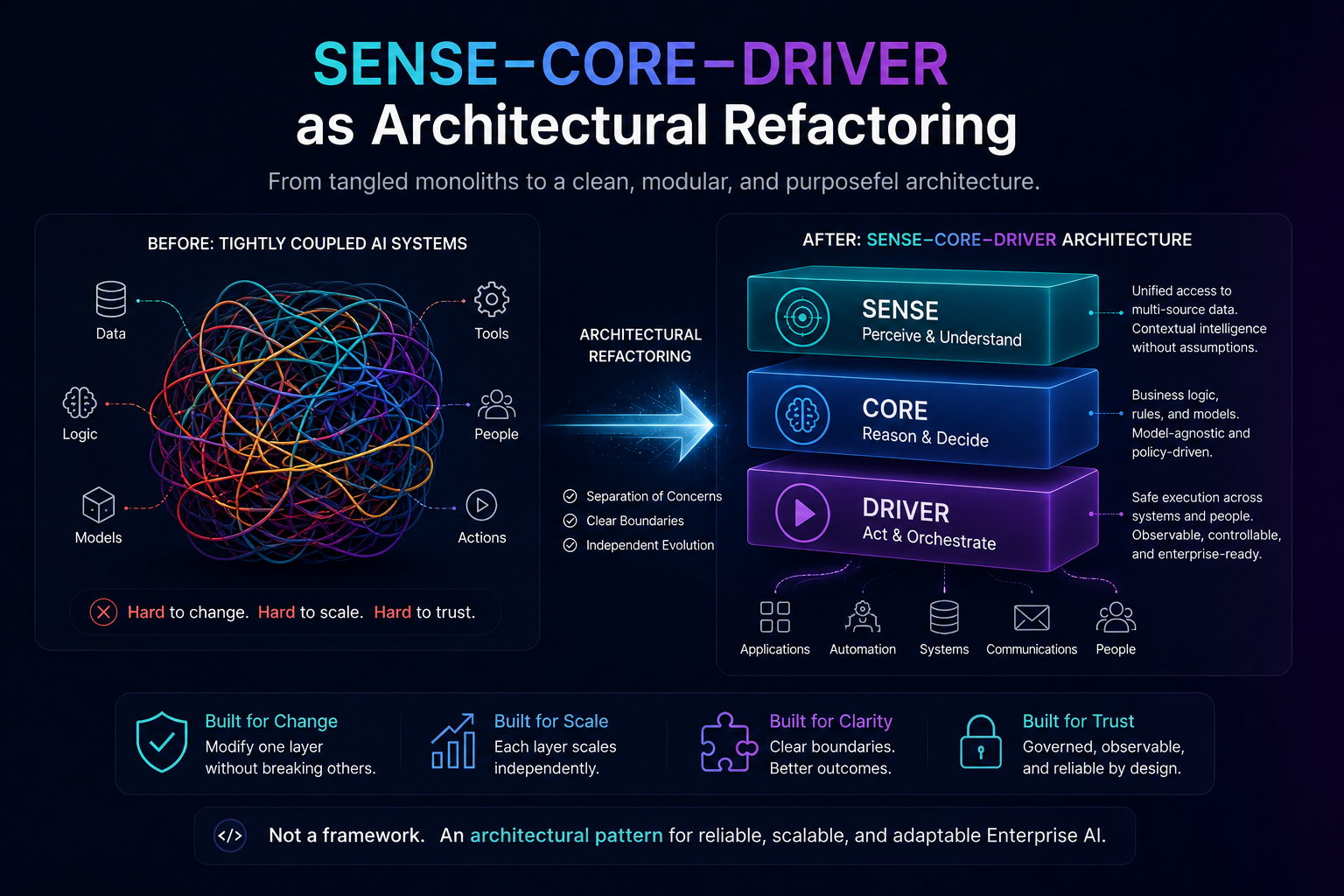
If it does not know the context, it cannot safely decide.
If it does not preserve the state, it cannot safely reverse.

This is why reversibility is not just a runtime feature. It begins with representation quality.

The Most Important Design Principle: Bound the Blast Radius

Every AI action has a blast radius.

A content suggestion has a small blast radius.
A customer communication has a larger blast radius.
A financial approval has a larger one.
A system configuration change can have a very large one.
A security action may affect entire operations.

Reversible AI systems should be designed to limit the blast radius of mistakes.

This can be done through:

Small initial permissions.
Stepwise autonomy.
Confidence thresholds.
Human approval for high-impact actions.
Sandbox execution.
Dry-run mode.
Canary deployment.
Rate limits.
Policy-based tool access.
Automatic pause on anomaly detection.
Rollback-ready workflows.

The goal is not to stop AI from acting.

The goal is to make AI action governable.

The Enterprise Maturity Model for Reversible AI

Most organizations will move through five stages.

Stage 1: AI Gives Answers

The AI provides recommendations or summaries. There is limited execution risk.

Stage 2: AI Drafts Actions

The AI prepares messages, workflows, code, or decisions, but humans approve execution.

Stage 3: AI Executes Low-Risk Actions

The AI performs bounded tasks such as updating non-critical fields, routing tickets, or generating reports.

Stage 4: AI Executes Conditional Actions

The AI acts under policy constraints, confidence thresholds, and escalation rules.

Stage 5: AI Executes with Reversibility by Design

The AI can act, explain, pause, escalate, correct, recover, and learn.

This final stage is where enterprise AI becomes truly scalable.

Not because it is perfect, but because it is governable.

Why Reversibility Creates Competitive Advantage

Many executives see governance as a brake on innovation.

That is the wrong frame.

Good governance enables scale.

A company that cannot reverse AI actions will be afraid to deploy AI deeply. It will keep AI limited to low-risk use cases.

A company that can trace, correct, recover, and govern AI actions can give AI more responsibility.

This creates a powerful competitive advantage.

Reversibility allows more autonomy.
More autonomy allows more productivity.
More productivity creates more learning.
More learning improves the system.
A better system earns more trust.
More trust allows deeper deployment.

This is the enterprise AI flywheel.

In the Representation Economy, the firms that win will not be the firms that use AI everywhere carelessly. They will be the firms that can let AI act because they have engineered accountability into action.

The New Leadership Question

Boards and executives should stop asking only:

“How many AI use cases do we have?”

They should also ask:

Which AI actions are reversible?
Which actions are not reversible?
Where do we need human approval?
Where do we have rollback?
Where do we only have compensation?
Where do we have no recovery path?
Who owns AI-caused errors?
Can we reconstruct an AI decision?
Can affected parties appeal or correct the outcome?
Can we pause an AI agent quickly?
Can we prove what happened?

These questions separate AI experimentation from AI institutionalization.

Conclusion: The Future of Enterprise AI Is Not Just Autonomous. It Is Reversible.

AI autonomy will keep increasing.

Models will become better. Agents will become more capable. Tools will become more integrated. Enterprises will automate more decisions and workflows.

But autonomy without reversibility will create fragile organizations.

The future of enterprise AI will not belong to firms that simply let AI act faster. It will belong to firms that know how to make AI action accountable.

Reversible AI systems give enterprises a way to engineer undo, recovery, correction, auditability, and institutional learning.

They make AI safer not by pretending mistakes will disappear, but by designing systems that can recover when mistakes happen.

That is the real mark of enterprise maturity.

In the Representation Economy, intelligence is only one part of the story.

The deeper advantage comes from representing reality accurately, acting responsibly, and correcting course when representation or reasoning fails.

The best AI systems will not be the ones that never make mistakes.

They will be the ones that can explain, correct, recover, and learn.

That is why reversible AI systems will become one of the defining foundations of enterprise AI.

FAQ

What is a reversible AI system?

A reversible AI system is an AI-enabled system designed to undo, roll back, or recover from AI-driven actions, decisions, or workflow changes when outputs are incorrect, harmful, or undesired.

Why is reversibility important in AI?

As AI systems become autonomous and agentic, mistakes can propagate rapidly across workflows and enterprise systems. Reversibility enables organizations to recover safely and maintain trust.

Is reversibility the same as AI safety?

No. Safety aims to prevent harmful actions before they happen. Reversibility focuses on recovering after an incorrect action has already occurred.

How do enterprises build reversible AI systems?

Typical mechanisms include:

  • Audit trails
  • State versioning
  • Transaction rollback
  • Workflow checkpointing
  • Human approval gates
  • Deterministic replay systems

Why is reversibility critical for AI agents?

AI agents execute multi-step autonomous workflows. Without reversibility, one wrong decision can trigger cascading downstream failures across systems.

Reference and further Reading

  1. NIST AI Risk Management Framework
    https://www.nist.gov/itl/ai-risk-management-framework
  2. Google SRE / Rollback Engineering Concepts
    https://sre.google/
  3. AWS Well-Architected Reliability Pillar
    https://aws.amazon.com/architecture/well-architected/
  4. Microsoft Responsible AI Documentation
    https://www.microsoft.com/ai/responsible-ai
  5. Martin Fowler – Event Sourcing / Auditability Concepts
    https://martinfowler.com/eaaDev/EventSourcing.html

Further reading

This article is part of a broader research series exploring how institutions are being redesigned for the age of artificial intelligence. Together, these essays examine the structural foundations of the emerging AI economy — from signal infrastructure and representation systems to decision architectures and enterprise operating models. If you want to explore the deeper framework behind these ideas, the following essays provide additional perspectives:

Together, these essays outline a central thesis:

The future will belong to institutions that can sense reality, represent it clearly, reason about it intelligently, and act through governed machine systems.

This is why the architecture of the AI era can be understood through three foundational layers:

SENSE → CORE → DRIVER

Where:

  • SENSE makes reality legible
  • CORE transforms signals into reasoning
  • DRIVER ensures that machine action remains accountable, governed, and institutionally legitimate

Signal infrastructure forms the first and most foundational layer of that architecture.

AI Economy Research Series — by Raktim Singh

Written by Raktim Singh, AI thought leader and author of Driving Digital Transformation, this article is part of an ongoing body of work defining the emerging field of Representation Economics and the SENSE–CORE–DRIVER framework for intelligent institutions.

This article is part of a larger series on Representation Economics, including topics such as Representation Utility Stack, Representation Due Diligence, Recourse Platforms, and the New Company Stack.

AI does not create value by intelligence alone. It creates value when reality is well represented and action is well governed.

Author box

Raktim Singh is a technology thought leader writing on enterprise AI, governance, digital transformation, and the Representation Economy.

Context Graphs for AI: How Relationships, Dependencies, and Meaning Make AI Smarter

Context Graphs for AI:

AI systems are becoming more powerful, but many of them still suffer from a simple weakness: they do not truly understand the world around a question.

They can summarize a document. They can answer a prompt. They can generate a report. But when the answer depends on relationships, dependencies, history, policy, ownership, sequence, authority, and meaning, many AI systems begin to struggle.

A customer is not just a row in a CRM system.
A supplier is not just a name in an ERP table.
A loan application is not just a document.
A hospital patient record is not just a file.
A software incident is not just a ticket.
A business decision is not just an output.

Each of these exists inside a web of relationships.

Who is connected to whom?
Which system is dependent on which process?
Which policy applies to which decision?
Which event happened before another event?
Which exception changed the meaning of the rule?
Which piece of evidence can be trusted?
Which entity is being represented correctly?

This is where context graphs become important.

A context graph is a structured representation of entities, relationships, events, rules, evidence, and meaning. It helps AI systems move beyond isolated data retrieval and toward connected understanding.

In simple language, a context graph gives AI the ability to see not just the information, but the relationships around the information.

That distinction will define the next phase of enterprise AI.

Why AI Needs More Than Data

Why AI Needs More Than Data

Most enterprises already have enormous amounts of data. They have databases, documents, emails, contracts, policies, logs, tickets, workflows, customer records, supplier records, product catalogs, transaction histories, and operational dashboards.

But data alone does not create understanding.

A document can say that a vendor is approved.
A transaction system can show that an invoice was paid.
A contract can define payment terms.
A risk system can assign a rating.
An email thread can contain an exception approval.

Each system holds part of the truth. But the meaning emerges only when these pieces are connected.

This is the real problem with many AI deployments. The model is not always the bottleneck. The bottleneck is the missing context around the model.

That is why context engineering has become such an important topic in AI. Anthropic describes context engineering as the practice of building effective, steerable agents by giving them the right context, not simply larger prompts. (Anthropic) Neo4j similarly describes context engineering as the discipline of designing, storing, and retrieving context so agents remain grounded, explainable, and auditable. (Graph Database & Analytics)

The deeper point is this: AI does not become enterprise-ready merely by adding more tokens, more documents, or more prompts. It becomes enterprise-ready when the surrounding reality is represented properly.

That is the role of context graphs.

What Is a Context Graph?

What Is a Context Graph?

A context graph is a connected model of reality built for AI consumption.

It connects entities such as customers, employees, suppliers, applications, assets, products, policies, locations, events, transactions, documents, and decisions. It also connects the relationships between them.

A simple context graph may show:

A customer owns an account.
The account is linked to a loan.
The loan is governed by a policy.
The policy changed on a certain date.
The customer raised a complaint.
The complaint was handled by a team.
The resolution depended on an exception.
The exception was approved by a specific authority.

Now the AI system does not just see isolated facts. It sees a connected situation.

This is very different from simply searching documents. Traditional retrieval-augmented generation, or RAG, often retrieves relevant text chunks. That is useful, but it may not be enough when the question depends on multi-step relationships. Microsoft’s GraphRAG work highlights this limitation and combines text extraction, graph construction, network analysis, and LLM summarization to understand private datasets more richly. (Microsoft)

A context graph can be seen as the next maturity layer above ordinary retrieval. It does not merely retrieve content. It organizes meaning.

Simple Example: Why a Context Graph Matters

Simple Example: Why a Context Graph Matters

Imagine an AI assistant in a bank.

A relationship manager asks:

“Can we offer this customer a higher credit limit?”

A basic AI system may retrieve the customer’s income, account balance, credit score, and repayment history.

A better AI system may summarize the customer’s profile.

But a context graph-enabled AI system can examine relationships:

The customer owns two accounts.
One account is linked to a business entity.
The business entity has delayed supplier payments.
The customer is a guarantor on another loan.
A policy exception was granted six months ago.
The risk score improved recently, but only after a restructuring.
A new regulatory rule applies to this product category.
A complaint is still unresolved.

This answer is not just more detailed. It is more meaningful.

It helps the AI understand the context around the decision.

This is why context graphs are not merely a data architecture idea. They are decision architecture.

Context Graphs and the Representation Economy

Context Graphs and the Representation Economy

In the Representation Economy, competitive advantage will come from how accurately organizations represent the world before acting on it.

AI does not act on reality directly. It acts on representations of reality.

If the representation is shallow, the decision will be shallow.
If the representation is fragmented, the decision will be fragmented.
If the representation is outdated, the decision will be outdated.
If the representation is biased toward one system, the decision will inherit that bias.

Context graphs strengthen the SENSE layer of the SENSE–CORE–DRIVER framework.

SENSE makes reality machine-legible. It captures signals, attaches them to entities, represents their state, and updates that state as reality changes.

A context graph is one of the most important forms of SENSE infrastructure because it connects signals to entities, entities to relationships, relationships to state, and state to change over time.

The CORE layer — the AI reasoning engine — becomes stronger when it can reason over connected context.

The DRIVER layer — the governance and execution layer — becomes safer when decisions can be traced back to evidence, rules, authority, and recourse.

In other words, context graphs help AI systems know what they are looking at, why it matters, and what constraints should govern the next action.

Context Graphs vs Knowledge Graphs

Context Graphs vs Knowledge Graphs

Context graphs are closely related to knowledge graphs, but they are not exactly the same in practical enterprise AI design.

A knowledge graph represents entities and relationships in a structured way. For example, it may show that a supplier provides a component, that a component belongs to a product, and that a product is sold in a region.

A context graph goes further. It is optimized for AI reasoning, context assembly, provenance, relevance, decision support, and dynamic use.

Neo4j describes a context graph as a knowledge graph containing the information necessary to make organizational decisions, with decision traces connected to entities, policies, and precedents. (Graph Database & Analytics) TrustGraph similarly describes context graphs as knowledge graphs engineered for AI model consumption, including token efficiency, relevance ranking, provenance tracking, and hallucination reduction. (TrustGraph)

The practical difference is this:

A knowledge graph says, “These things are connected.”
A context graph says, “These are the relevant connections the AI needs now to understand, reason, decide, explain, and act.”

That “now” is important.

Enterprise AI does not need all context all the time. It needs the right context for the right task under the right constraints.

Why Vector Search Alone Is Not Enough

Why Vector Search Alone Is Not Enough

Vector search is extremely useful. It helps AI systems find semantically similar content. If a user asks about refund policy, the system can retrieve relevant policy documents even if the exact words are different.

But vector similarity is not the same as relationship understanding.

A vector database may retrieve documents that sound similar. A context graph can show how things are connected.

For example, suppose an AI assistant is investigating a production outage.

Vector search may retrieve incident reports, log summaries, and troubleshooting guides.

A context graph can show:

Which service failed first.
Which downstream systems depended on it.
Which customer journeys were affected.
Which deployment happened before the incident.
Which team owns the affected component.
Which rollback procedure applies.
Which previous incident had the same dependency pattern.

This is a different level of intelligence.

Vector search helps AI find relevant content.
Context graphs help AI understand connected meaning.

The future enterprise AI architecture will likely use both. Vector search will help locate relevant entry points. Graph traversal will help understand relationships and dependencies. GraphRAG approaches already point in this direction by combining semantic retrieval with graph reasoning. (memgraph.com)

The Technical Core of Context Graphs

A context graph has several important components.

First, it needs entities. These are the things that exist in the enterprise world: customers, products, suppliers, contracts, invoices, applications, APIs, employees, assets, risks, policies, and incidents.

Second, it needs relationships. These define how entities are connected: owns, reports to, depends on, supplies, approves, violates, triggers, governs, replaces, affects, escalates, and resolves.

Third, it needs attributes. These describe the current state of an entity: status, risk level, owner, location, validity, lifecycle stage, priority, and confidence level.

Fourth, it needs time. Context changes. A customer’s risk profile changes. A policy changes. A supplier’s rating changes. A system dependency changes after a release. Without time, the graph can become misleading.

Fifth, it needs provenance. AI must know where a fact came from. Was it from a contract, a system record, a human approval, an audit log, or a third-party source?

Sixth, it needs permissions. Not every user, agent, or workflow should see every relationship. Context must be governed.

Seventh, it needs confidence. Some connections are certain. Others are inferred. AI systems must distinguish between verified relationships and probable relationships.

These features are what turn a graph from a static knowledge map into living context infrastructure.

How Context Graphs Help AI Agents

AI agents are not just answer generators. They plan, call tools, retrieve data, trigger workflows, and sometimes act across systems.

This makes context even more important.

An AI agent that writes a summary can tolerate limited context.
An AI agent that changes a customer record cannot.
An AI agent that approves a claim cannot.
An AI agent that escalates a security event cannot.
An AI agent that recommends a financial action cannot.

Agents need to know the environment in which they are acting.

A context graph helps an agent answer questions such as:

What entity am I dealing with?
What is its current state?
Which systems are connected to it?
Which policies apply?
What happened before?
Who has authority?
What evidence supports this action?
What could be affected if I proceed?
What should be logged for audit?
What should be reversible?

This is where context graphs connect directly with DRIVER.

For AI agents, governance cannot be an afterthought. The agent must operate within a represented world of identity, authority, constraints, evidence, and recourse.

Without that, agentic AI becomes automation without accountability.

Context Graphs Reduce Hallucination — But Not Magically

Context Graphs Reduce Hallucination — But Not Magically

Many people say knowledge graphs and context graphs reduce hallucination. That is directionally true, but it should be understood carefully.

A context graph does not make an AI model perfect.
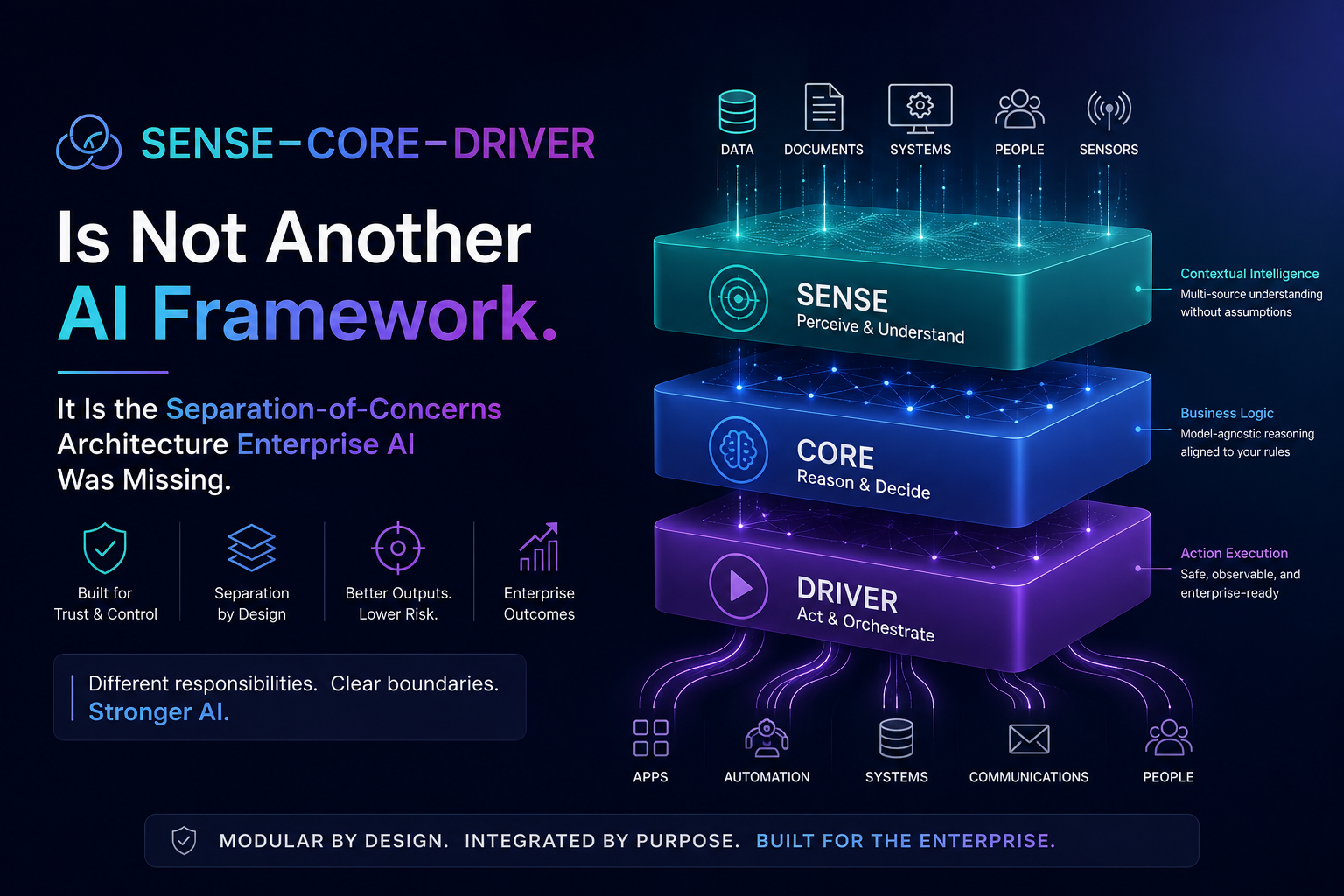
What it does is reduce ambiguity.

It gives the model structured facts, connected evidence, and relationship paths. It helps the model avoid guessing when the answer depends on enterprise-specific reality.

For example, if a model is asked, “Can this supplier be used for this project?” it may generate a generic answer from policy documents.

A context graph can ground the answer:

This supplier is approved for one category but not another.
The approval expires next month.
The supplier has an unresolved quality issue.
The project belongs to a regulated business unit.
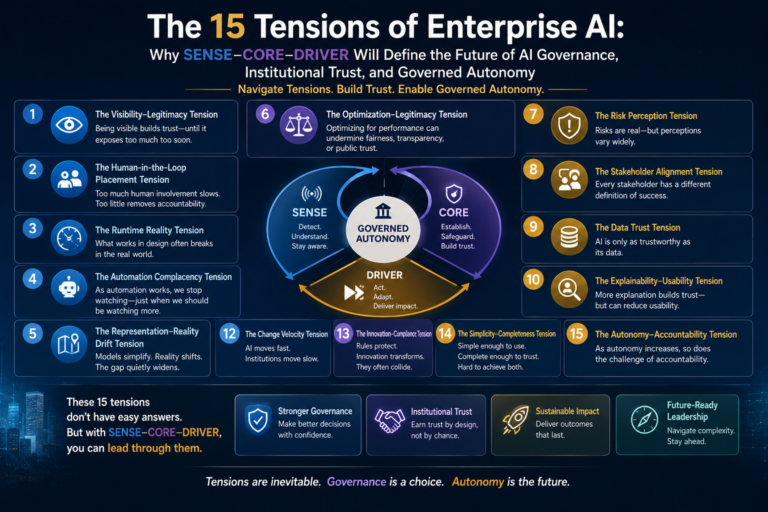
The policy requires additional review.
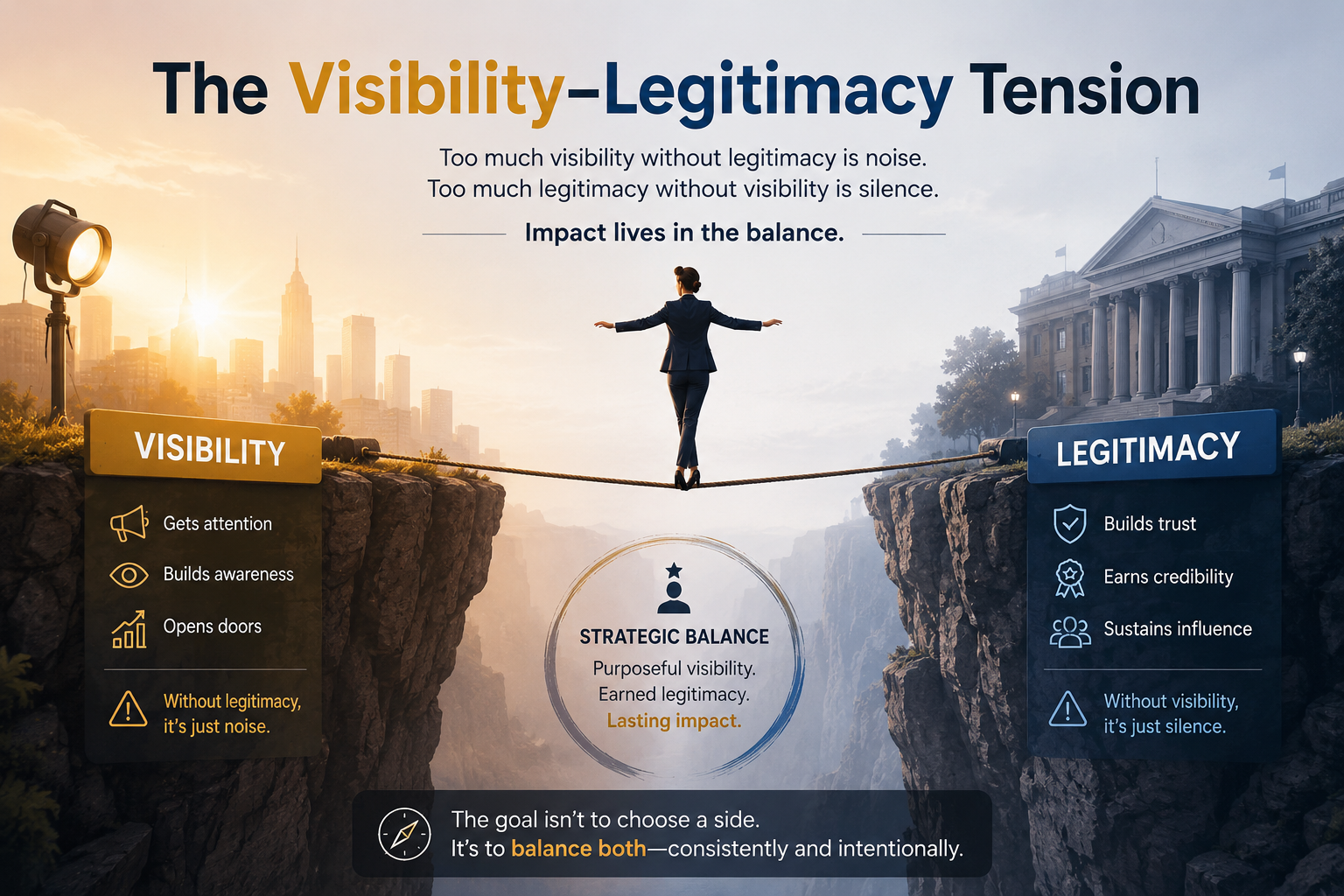
The last exception was denied.

The model is less likely to hallucinate because it is no longer reasoning only from language. It is reasoning from structured context.

Atlan notes that combining knowledge graphs with LLMs helps integrate structured relationships with language understanding and can improve accuracy and reduce hallucinations. (Atlan)

The real benefit is not just fewer wrong answers. It is better explainability.

The Most Important Output: Explanation Paths

In enterprise AI, the answer is often not enough.

A business user wants to know why.
A compliance team wants to know based on what evidence.
A regulator wants to know which rule was applied.
An auditor wants to know who approved the exception.
A customer wants to know how to appeal.
A manager wants to know what changed.

Context graphs can provide explanation paths.

Instead of saying, “The supplier is high risk,” the AI can say:

The supplier is high risk because it is connected to three delayed shipments, two unresolved quality issues, one expired certification, and a dependency on a region currently under disruption review.

This changes the nature of AI output.

The system is no longer producing a black-box answer. It is producing a connected explanation.

That is critical for trust.

Context Graphs and Enterprise Memory

Most organizations do not lack information. They lack institutional memory.

Important knowledge is scattered across documents, dashboards, emails, tickets, meetings, contracts, and people’s heads. When employees move, teams reorganize, systems change, or vendors rotate, context gets lost.

A context graph can become a form of enterprise memory.

It remembers not only what happened, but how things were connected.

Why was a decision made?
Which options were rejected?
Which policy was interpreted differently?
Which dependency caused the risk?
Which exception became a precedent?
Which customer segment was affected?
Which workflow failed repeatedly?

This is especially important for long-running enterprise processes. AI systems cannot become reliable institutional partners if every interaction begins with context loss.

The next generation of enterprise AI will not only retrieve knowledge. It will preserve context.

Context Graphs as Strategic Moats

In the AI era, models may become increasingly available. Tools may become easier to access. Interfaces may become commoditized.

But a company’s context graph will be hard to copy.

Why?

Because it is built from years of relationships, decisions, exceptions, process history, operational dependencies, customer interactions, governance rules, and domain-specific meaning.

Competitors may buy similar models.
They may use similar cloud platforms.
They may deploy similar agents.
But they cannot easily replicate the living context of another enterprise.

This is why context graphs can become strategic moats.

The deepest advantage will not come from having the most data. It will come from having the most accurate, connected, governed, and usable representation of reality.

This is the heart of the Representation Economy.

The Risk: Bad Context Graphs Can Make AI Worse

A weak context graph can be dangerous.

If entities are wrongly resolved, the AI may attach the wrong history to the wrong customer.

If relationships are outdated, the AI may act on old dependencies.

If provenance is missing, the AI may treat weak evidence as strong evidence.

If permissions are not enforced, the AI may expose sensitive connections.

If inferred relationships are not marked clearly, the AI may present assumptions as facts.

If temporal validity is ignored, the AI may apply a policy that no longer exists.

This is why context graphs must be governed carefully. They are not just technical assets. They are representation assets.

A bad context graph creates bad institutional memory.

And bad institutional memory at AI speed can create serious business risk.

How Enterprises Should Build Context Graphs

Enterprises should not start by trying to graph everything.

That usually fails.

They should start with decision-critical use cases.

For example:

Customer risk assessment.
Supplier risk management.
Software incident resolution.
Claims processing.
Regulatory compliance.
Enterprise search.
Cybersecurity investigation.
Agentic workflow execution.
Product lifecycle management.
Employee knowledge discovery.

For each use case, the enterprise should ask:

Which entities matter?
Which relationships matter?
Which decisions depend on those relationships?
Which policies constrain the decision?
Which systems contain the evidence?
Which events change the state?
Which users or agents need access?
Which explanation paths are required?

This use-case-led approach prevents context graph projects from becoming abstract data exercises.

The goal is not to build a beautiful graph.
The goal is to build a usable representation layer for better AI decisions.

The Architecture: From Documents to Decisions

A mature context graph architecture may include several layers.

The first layer is ingestion. It brings data from documents, databases, APIs, logs, tickets, policies, contracts, and workflows.

The second layer is entity resolution. It identifies whether different records refer to the same real-world entity.

The third layer is relationship extraction. It detects connections between entities, events, rules, and actions.

The fourth layer is graph storage. It stores entities, relationships, attributes, time, provenance, and permissions.

The fifth layer is retrieval and traversal. It retrieves not only text chunks but connected subgraphs relevant to a question.

The sixth layer is AI reasoning. The model uses the graph context to answer, summarize, plan, recommend, or act.
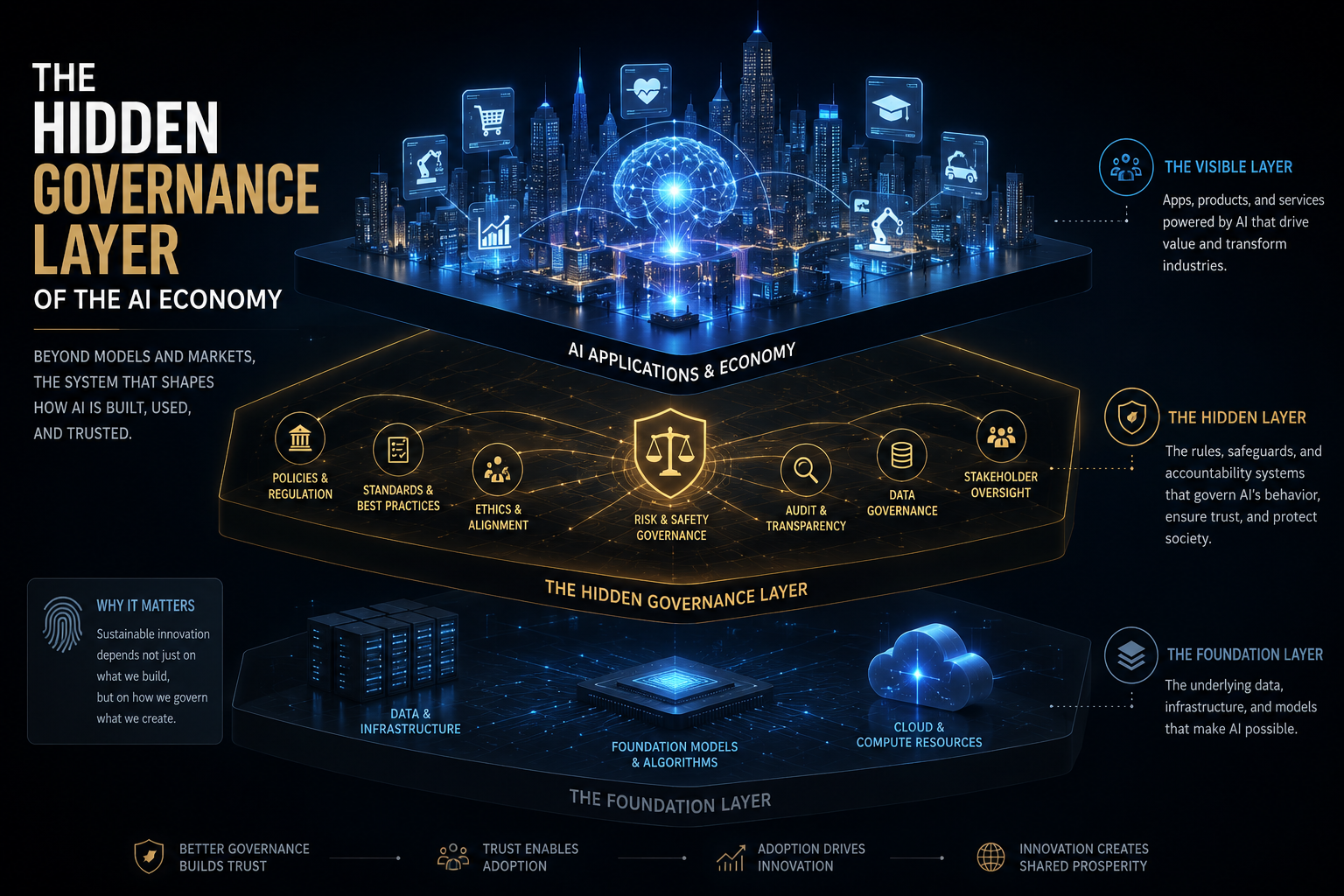
The seventh layer is governance and feedback. It records what context was used, what decision was made, what evidence supported it, and what changed afterward.

This is the movement from document retrieval to decision intelligence.

Why Context Graphs Matter for GEO and AI Search

Context graphs are also important for Generative Engine Optimization, or GEO.

As AI search engines and answer engines become more influential, they will favor content that is clearly structured, entity-rich, well-connected, and easy to cite.

A website, company, or author that represents concepts clearly will be easier for AI systems to understand and cite.

This matters for thought leadership.

If an article defines context graphs clearly, connects them to related terms such as knowledge graphs, GraphRAG, context engineering, entity resolution, AI agents, enterprise memory, and governance, and explains the relationships among these ideas, it becomes more machine-readable.

In other words, GEO is not only about keywords. It is about representation quality.

The better your ideas are represented, the more likely AI systems are to retrieve, summarize, and cite them correctly.

The Future: Context Graphs Will Become AI Infrastructure

Today, many companies are still experimenting with AI at the application layer. They build chatbots, copilots, assistants, and agents.

But the real battle will move deeper.

The next competition will be over context infrastructure.

Who can represent customers better?
Who can represent operations better?
Who can represent risk better?
Who can represent dependencies better?
Who can represent decisions better?
Who can represent reality in a way AI can use safely?

Context graphs will become one of the core foundations of this shift.

They will sit between data and decision.
They will connect SENSE to CORE.
They will give DRIVER the evidence and legitimacy needed for action.

The best AI systems will not simply answer questions. They will understand the connected world behind the question.

That is the promise of context graphs.

And that is why they matter.

Conclusion: The Future Belongs to Firms That Can Represent Context

AI models are becoming more capable. But enterprises will not win merely by adopting better models.

They will win by building better representations.

Context graphs are a major step in that direction. They help AI systems understand relationships, dependencies, evidence, time, authority, and meaning. They turn scattered enterprise knowledge into connected intelligence.

In the Representation Economy, this is not a technical detail. It is a strategic foundation.

Because the future of AI will not be decided only by who has the most data or the largest model.

It will be decided by who can represent reality well enough for AI to reason, decide, explain, and act responsibly.

That is the real power of context graphs.

FAQ Section

What is a context graph in AI?

A context graph is a structured representation of entities, relationships, dependencies, and surrounding situational information that helps AI systems understand meaning rather than just raw data.

How is a context graph different from a knowledge graph?

Knowledge graphs model relatively stable world knowledge, while context graphs capture dynamic, situational, and relevance-based relationships for real-time reasoning and decision-making.

Why are context graphs important for AI?

They improve retrieval accuracy, reduce hallucinations, enhance reasoning, and help AI systems understand how pieces of information relate to each other.

Do context graphs replace vector search?

No. Context graphs complement vector search by adding structure, relationships, and causal understanding to semantic similarity retrieval.

Can context graphs reduce hallucinations?

Yes—but not completely. They reduce hallucinations by grounding AI in structured relationships, though data quality and model reasoning still matter.

Glossary

Context Graph

A structured graph that models entities, relationships, dependencies, and situational context to help AI systems understand meaning beyond isolated data points.

Entity

A distinct person, object, organization, event, concept, or asset represented as a node in a graph.

Relationship

A connection between entities that defines how they are associated, such as “works for,” “owns,” “depends on,” or “caused by.”

Dependency

A special type of relationship showing that one entity, process, or event relies on another.

Semantic Similarity

A measure of how closely two pieces of content are related in meaning, often used in vector search systems.

Vector Search

A retrieval technique that finds semantically similar content by comparing embedding vectors rather than exact keywords.

Embedding

A numerical representation of data (text, image, etc.) in vector space used by AI models for similarity and semantic reasoning.

Knowledge Graph

A structured graph of curated facts and relationships about entities, typically representing relatively stable world knowledge.

GraphRAG

A Retrieval-Augmented Generation architecture that combines graph structures with LLM retrieval to improve grounding and reasoning.

Hallucination

When an AI system generates plausible-sounding but incorrect or fabricated information.

Grounding

The process of anchoring AI outputs in verifiable data, facts, or structured context.

Representation Layer

The architectural layer responsible for modeling reality in machine-readable form before reasoning or decision-making occurs.

Machine-Legible Reality

A state where real-world entities, events, and relationships are represented in structured formats that machines can reliably interpret.

Contextual Retrieval

Information retrieval enhanced with situational, relational, or temporal context rather than semantic similarity alone.

Graph Database

A database optimized for storing and querying graph-structured data such as nodes and relationships.

Reference and further reading

Foundational Graph / Knowledge Graph References

GraphRAG / Context + Retrieval

Enterprise / Technical Architecture References

Hallucination / Grounding / RAG Research


Further reading

This article is part of a broader research series exploring how institutions are being redesigned for the age of artificial intelligence. Together, these essays examine the structural foundations of the emerging AI economy — from signal infrastructure and representation systems to decision architectures and enterprise operating models. If you want to explore the deeper framework behind these ideas, the following essays provide additional perspectives:

Together, these essays outline a central thesis:

The future will belong to institutions that can sense reality, represent it clearly, reason about it intelligently, and act through governed machine systems.

This is why the architecture of the AI era can be understood through three foundational layers:

SENSE → CORE → DRIVER

Where:

  • SENSE makes reality legible
  • CORE transforms signals into reasoning
  • DRIVER ensures that machine action remains accountable, governed, and institutionally legitimate

Signal infrastructure forms the first and most foundational layer of that architecture.

AI Economy Research Series — by Raktim Singh

Written by Raktim Singh, AI thought leader and author of Driving Digital Transformation, this article is part of an ongoing body of work defining the emerging field of Representation Economics and the SENSE–CORE–DRIVER framework for intelligent institutions.

This article is part of a larger series on Representation Economics, including topics such as Representation Utility Stack, Representation Due Diligence, Recourse Platforms, and the New Company Stack.

AI does not create value by intelligence alone. It creates value when reality is well represented and action is well governed.

Author box

Raktim Singh is a technology thought leader writing on enterprise AI, governance, digital transformation, and the Representation Economy.


Identity Graphs for Enterprise AI: The Missing Layer Between Data and Decision

Identity Graphs for Enterprise AI:

Why AI Systems Fail When Enterprises Cannot Resolve Identity at Machine Speed

Enterprise AI has a hidden dependency few executives discuss:

Before an AI system can reason correctly, recommend correctly, or act correctly, it must first answer a more primitive question:

What real-world entity does this data actually refer to?

That question sounds trivial.

It is not.

Across most enterprises, the same customer, vendor, employee, asset, product, machine, location, or contract exists in dozens of fragmented representations:

  • Different identifiers
  • Different spellings
  • Different schemas
  • Different source systems
  • Different ownership hierarchies
  • Different timestamps
  • Different contextual roles
  • Different confidence levels

AI models are increasingly capable of reasoning over vast context windows.

But they remain fundamentally constrained by one issue:

They can only reason over the representation of reality they are given.

If enterprise reality is fragmented, duplicated, stale, or structurally inconsistent, even the most advanced AI system will reason over a distorted map.

This is why identity graphs are emerging as one of the most critical but underappreciated infrastructure layers in enterprise AI.

They are not customer-360 tools.

They are not simply graph databases.

They are not merely MDM 2.0.

They are the representation substrate that allows enterprise AI systems to operate on coherent entities rather than disconnected records.

The Core Technical Problem: Records Are Not Entities

The Core Technical Problem: Records Are Not Entities

Most enterprise systems store records, not entities.

That distinction is foundational.

A CRM stores a customer record.
An ERP stores a billing record.
A support platform stores a ticket record.
A finance platform stores an invoice record.
An IAM platform stores a user record.
An IoT platform stores a device record.

But none of those systems intrinsically know whether their record refers to:

  • the same real-world entity as another record,
  • a related but distinct entity,
  • a historical version of an entity,
  • or a derived/aggregated representation.

This creates a structural mismatch:

Enterprise systems optimize for transactional integrity within bounded domains.
AI systems require unified semantic representations across domains.

Identity graphs solve this mismatch.

They introduce a persistent entity abstraction layer between raw operational data and downstream reasoning systems.

What an Identity Graph Actually Is 

What an Identity Graph Actually Is 
What an Identity Graph Actually Is

At technical depth, an identity graph is:

A continuously evolving probabilistic graph of resolved entities, identifiers, relationships, state, provenance, and confidence metadata used to maintain machine-legible representations of real-world enterprise actors and objects.

That definition matters.

Because an enterprise-grade identity graph is not just a graph of “nodes and edges.”

It includes:

  1. Canonical Entity Layer

Persistent enterprise-level entity IDs abstracted from source-system IDs.

Example:

Entity: ENT_SUPPLIER_84721

Mapped to:

SAP Vendor ID: V-29182

Oracle Supplier ID: S-8472

Procurement Alias: WHITEJUNNE PRIVATE LIMITED

This canonical layer becomes the persistent machine-facing identity anchor.

  1. Identifier Resolution Layer

Stores all known identifiers associated with an entity.

Supports:

  • deterministic matching
  • probabilistic matching
  • fuzzy/semantic matching
  • temporal disambiguation
  • survivorship logic

This enables systems to distinguish between:

  • current identifier
  • deprecated identifier
  • alias
  • regional variant
  • merged/acquired entity ID
  1. Relationship Topology Layer

Captures graph-structured relationships:

Examples:

  • Supplier → owns → Subsidiary
  • Employee → reports_to → Manager
  • Device → installed_in → Factory
  • Customer → belongs_to → Household
  • Contract → governs → Vendor
  • AI Agent → acts_on_behalf_of → Department

This transforms flat records into connected enterprise context.

  1. State Representation Layer

Stores current operational and semantic state.

Examples:

  • Risk Score = High
  • Consent = Revoked
  • Device Status = Degraded
  • Customer Tier = Platinum
  • Contract Status = Pending Renewal

This enables AI systems to reason over live entity state, not merely historical data.

  1. Provenance / Confidence Layer

Every resolved link requires explainability.

Stores:

  • source of assertion
  • confidence score
  • matching rationale
  • timestamp of resolution
  • human validation flag
  • model version used for matching

Without this, enterprise identity graphs become ungovernable.

Why Identity Resolution Becomes Hard at Enterprise Scale

Why Identity Resolution Becomes Hard at Enterprise Scale

The naive assumption is:

“Just match names and IDs.”

Reality is far more complex.

Problem 1: Schema Heterogeneity

Different systems model the same entity differently.

Example:

CRM:

{

“customer_name”: “ABC Industries”

}

ERP:

{

“legal_entity”: “ABC Industries Pvt Ltd”

}

Support Platform:

{

“account_alias”: “ABC Ind”

}

Identity graphs must normalize heterogeneous schemas before resolution.

Problem 2: Temporal Drift

Identity is not static.

Entities evolve.

Examples:

  • People change names
  • Vendors merge
  • Employees change roles
  • Devices move locations
  • Contracts expire
  • Ownership structures change

Thus identity resolution cannot be one-time.

It must be continuously recomputed.

Problem 3: Contextual Identity

An entity may appear differently in different contexts.

Example:

A person may simultaneously be:

  • Employee
  • Customer
  • Vendor Contact
  • Shareholder
  • Board Member

Traditional MDM models struggle here because they assume one dominant master identity.

Identity graphs support multi-role representation.

Problem 4: Relationship Ambiguity

Sometimes identity cannot be resolved through attributes alone.

Relationships provide disambiguation.

Example:

Two “RABC Kumar” records may be distinct.
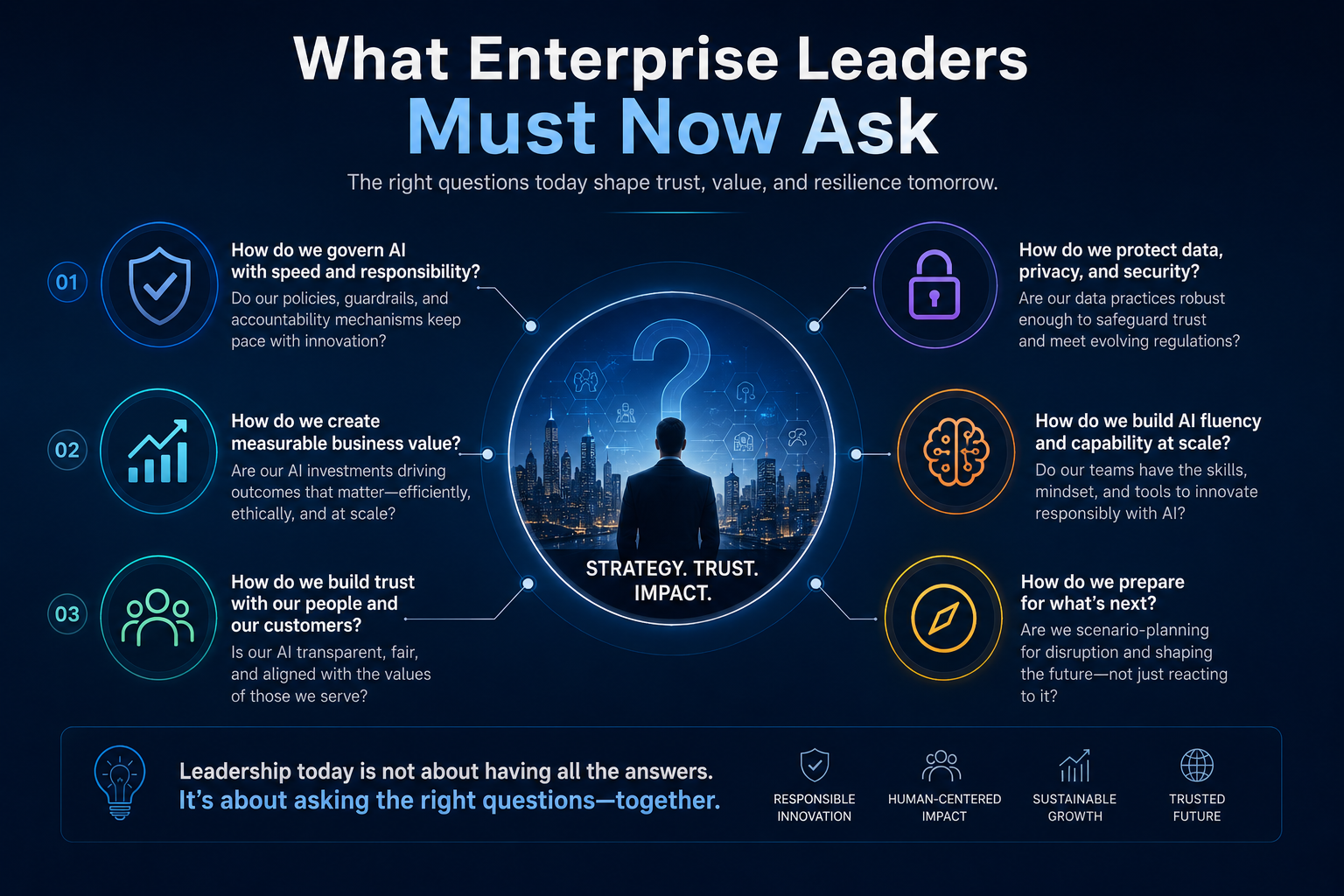
But if one is connected to:

  • InABC  Bangalore
  • Manager ID X
  • Project Y

and another is connected to:

  • InABC Pune
  • Manager Z
  • Project Q

graph topology helps separate them.

Why This Matters for Enterprise AI Architectures

Why This Matters for Enterprise AI Architectures

AI systems increasingly require:

  • structured context
  • relationship awareness
  • grounded retrieval
  • memory persistence
  • action traceability
  • delegation boundaries

Identity graphs improve all of them.

Identity Graphs Improve Graph RAG

Traditional RAG retrieves semantically similar text chunks.

That works for document search.

It fails for entity-centric enterprise reasoning.

Example query:

“Show me all critical vendors affected by delayed shipments whose parent entities also have open compliance risks.”

Vector search alone struggles.

Identity graphs enable:

  • entity expansion
  • relationship traversal
  • constraint filtering
  • topology-aware retrieval
  • contextual grounding

This is why Graph RAG is becoming important in enterprise architectures.

Identity Graphs Improve Agentic AI

Agents require persistent memory and situational awareness.

Without identity graphs:

Agents see fragmented records.

With identity graphs:

Agents can reason over:

  • unified entity context
  • historical interactions
  • relationship networks
  • prior decisions
  • delegated authority chains

This significantly improves agent reliability.

Identity Graphs as SENSE Infrastructure

Identity Graphs as SENSE Infrastructure

Within the SENSE–CORE–DRIVER framework:

SENSE Requires Entity Resolution Before Intelligence

Signals without identity are noise.

Example:

An IoT sensor says:

Temperature = 91°C

Useful only if AI knows:

  • Which machine?
  • Which factory?
  • Which maintenance contract?
  • Which customer order depends on it?
  • Which technician is assigned?

Identity graphs convert raw signals into contextualized enterprise state.

CORE Becomes More Accurate

Models reason over connected representations rather than isolated data.

This improves:

  • recommendation quality
  • planning quality
  • anomaly detection
  • forecasting
  • summarization
  • causal inference

DRIVER Gains Accountability

Identity graphs enable action traceability:

  • Which agent acted?
  • On behalf of whom?
  • Against which entity?
  • Under which authority?
  • Using which representation?

This becomes critical in governed AI systems.

Why Identity Graphs Create Strategic Moats

Why Identity Graphs Create Strategic Moats

Identity graphs are difficult to replicate because they encode:

  • years of operational history
  • institutional disambiguation logic
  • business-specific entity semantics
  • relationship topology
  • trust/confidence heuristics
  • governance policies
  • exception handling knowledge

Competitors can buy models.

They cannot easily buy your enterprise’s resolved representation layer.

That makes identity graphs a durable strategic asset.
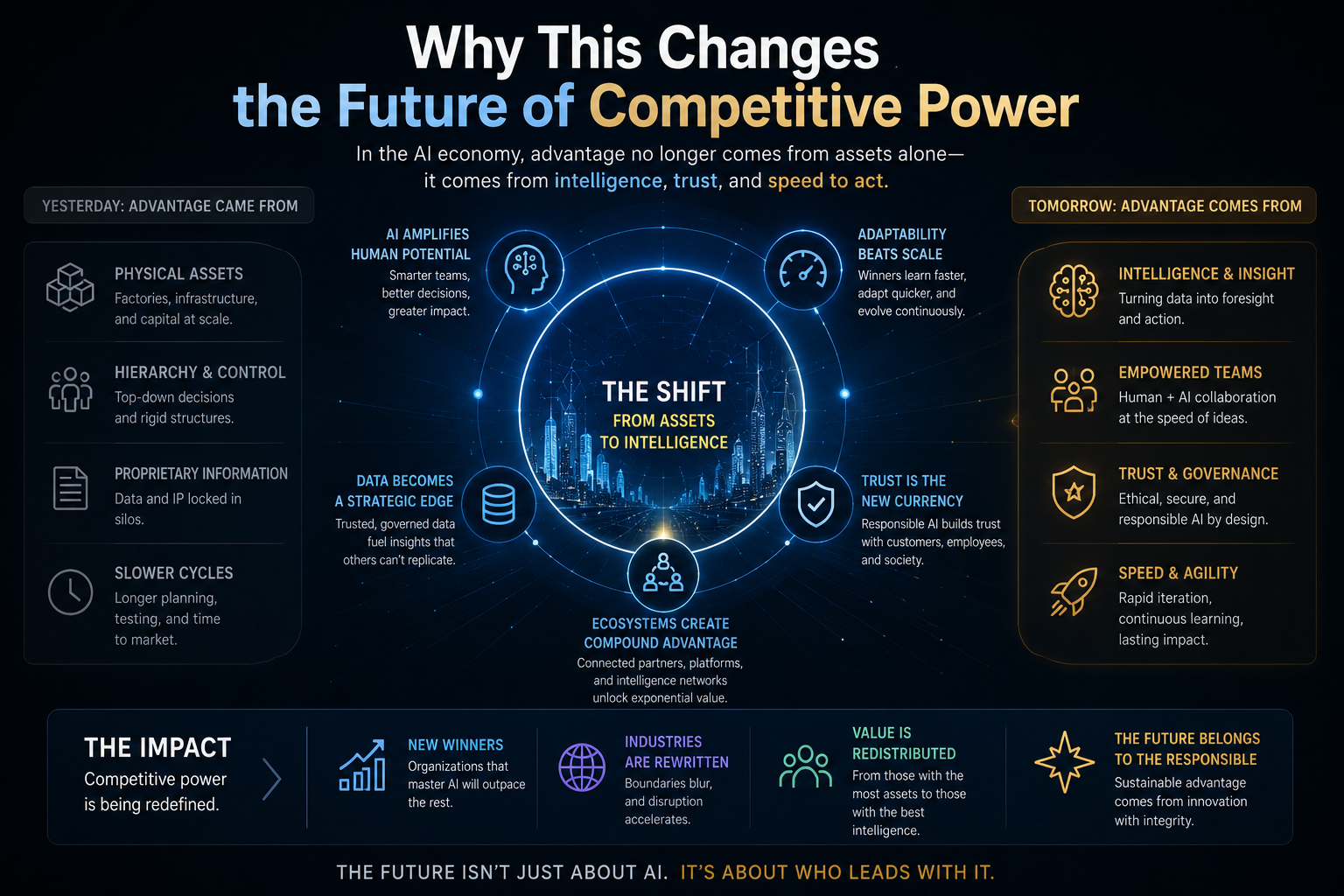
The Emerging Shift: From Data Architecture to Representation Architecture

From Data Architecture to Representation Architecture

Historically, enterprises built:

  • Data Warehouses → for reporting
  • Data Lakes → for storage
  • Lakehouses → for analytics
  • MDM → for consistency

The next layer is:

Representation Architecture

Architecture whose purpose is not storing data—

but ensuring machines possess coherent, contextual, governable representations of reality.
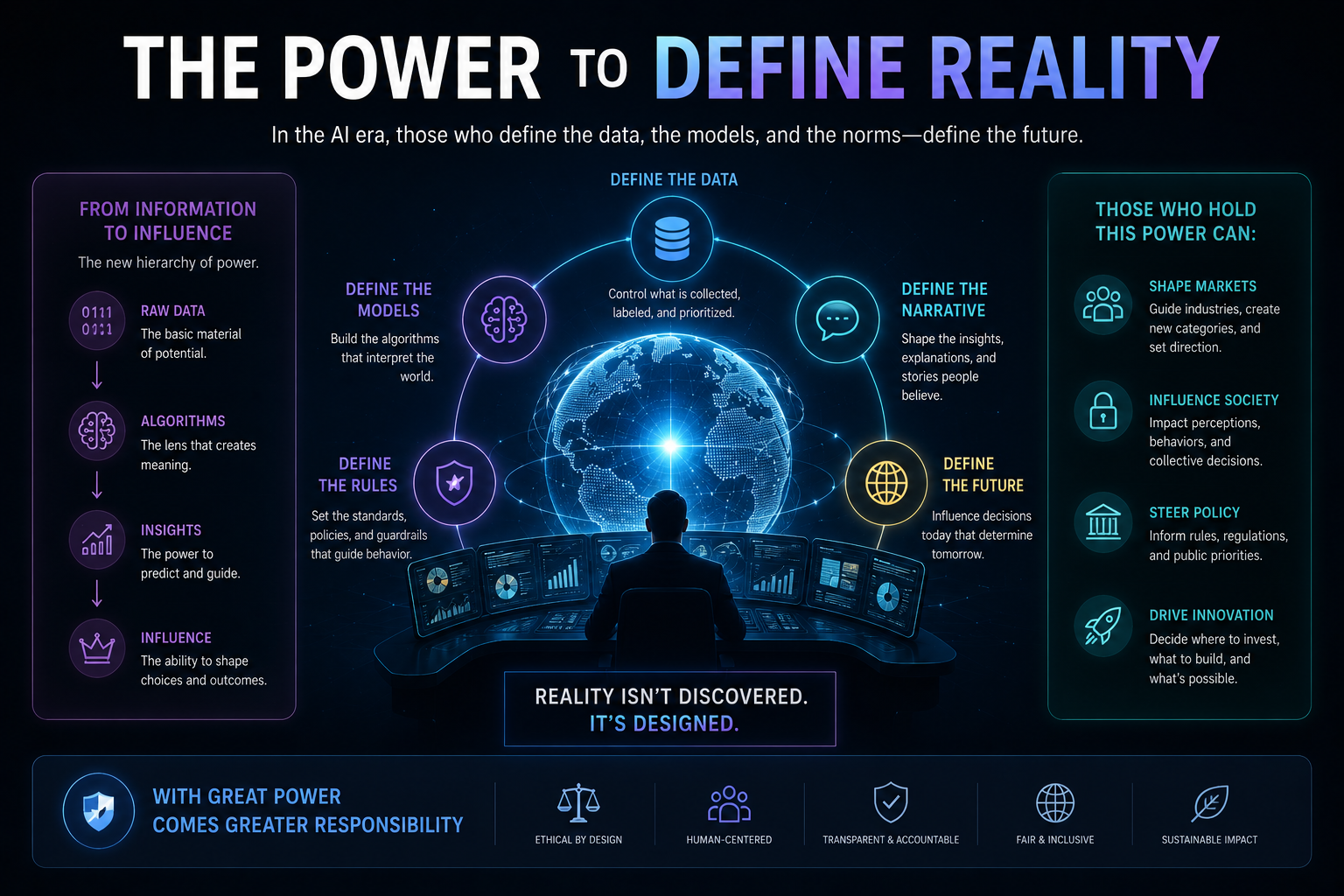
Identity graphs are the first major primitive of that architecture.

Final Insight: The Best AI Systems Will Not Belong to Firms With the Most Data

The Best AI Systems Will Not Belong to Firms With the Most Data

They will belong to firms with the most machine-resolvable reality.

Because AI does not operate on data.

AI operates on representations.

And identity graphs determine whether those representations correspond to reality—or merely to fragmented records.

In the Representation Economy:

The enterprise that best resolves identity will often outperform the enterprise with the best model.

Because before intelligence can scale—

reality must first become resolvable.

Closing Thesis

Identity graphs are not an enhancement to enterprise AI.

They are foundational infrastructure.

They are the missing layer between data and decision because they transform fragmented enterprise records into coherent machine-legible entities that AI systems can trust, reason over, and act upon.

The firms that build this layer well will not merely deploy better AI.

They will build enterprises AI can actually understand.

FAQ

What is an identity graph in enterprise AI?

An identity graph is a persistent, connected data structure that links multiple records, identifiers, attributes, and relationships to a single real-world entity, enabling AI systems to understand who or what an entity truly is across fragmented enterprise systems.

Why are identity graphs important for AI?

AI systems require context, relationships, and trusted entity understanding—not just raw records. Identity graphs provide this unified representation, improving personalization, fraud detection, analytics, and autonomous decision-making.

How is an identity graph different from a database?

Traditional databases store records in tables. Identity graphs model entities and relationships dynamically, enabling connected, contextual understanding rather than isolated record retrieval.

What is the difference between identity resolution and identity graphs?

Identity resolution is the process of determining which records belong to the same entity. An identity graph is the persistent system that stores and manages the resolved entity and its relationships over time.

Why do identity graphs create competitive advantage?

Because they improve continuously as more data, interactions, and relationships are added—creating proprietary contextual intelligence that competitors cannot easily replicate.

Glossary

Identity Graph
A graph-based representation of real-world entities and their relationships across systems.

Identity Resolution
The process of determining when multiple records refer to the same real-world entity.

Entity Resolution
A broader technical term for matching and merging records that represent the same entity.

Representation Architecture
An architectural approach focused on modeling real-world entities, context, and relationships rather than merely storing data.

Machine-Legible Reality
Reality translated into structured digital representations understandable by AI systems.

SENSE Infrastructure
The systems and layers responsible for making the world observable, identifiable, and representable for AI.

Entity-Centric Architecture
Architecture organized around entities and relationships rather than application silos or data tables.

Reference and Further Read

  1. Neo4j – Enterprise Identity Graph / Graph Data Science

Explaining graph-based identity relationships and enterprise graph modeling
https://neo4j.com/use-cases/identity-and-access-management/

  1. Gartner – Identity Resolution / Customer Data Platforms / Master Data Trends

Analyst validation of identity resolution importance
https://www.gartner.com/en/marketing/topics/customer-data-platforms

  1. IBM – Entity Resolution / Master Data Management

Enterprise-grade explanation of entity resolution challenges
https://www.ibm.com/topics/entity-resolution

  1. AWS – Graph Databases / Knowledge Graph Concepts

Technical infrastructure explanation
https://aws.amazon.com/nosql/graph/

  1. Stanford HAI / Research on Data-Centric AI

Broader context on why data quality/representation matters
https://hai.stanford.edu/research/data-centric-ai

  1. McKinsey / BCG / Deloitte on AI Data Foundations

Executive/business validation of foundational data requirements
https://www.mckinsey.com/capabilities/quantumblack/our-insights

  1. Google Cloud – Customer 360 / Identity Resolution Concepts

Enterprise implementation examples
https://cloud.google.com/solutions/customer-360

Further reading

This article is part of a broader research series exploring how institutions are being redesigned for the age of artificial intelligence. Together, these essays examine the structural foundations of the emerging AI economy — from signal infrastructure and representation systems to decision architectures and enterprise operating models. If you want to explore the deeper framework behind these ideas, the following essays provide additional perspectives:

Together, these essays outline a central thesis:

The future will belong to institutions that can sense reality, represent it clearly, reason about it intelligently, and act through governed machine systems.

This is why the architecture of the AI era can be understood through three foundational layers:

SENSE → CORE → DRIVER

Where:

  • SENSE makes reality legible
  • CORE transforms signals into reasoning
  • DRIVER ensures that machine action remains accountable, governed, and institutionally legitimate

Signal infrastructure forms the first and most foundational layer of that architecture.

AI Economy Research Series — by Raktim Singh

Written by Raktim Singh, AI thought leader and author of Driving Digital Transformation, this article is part of an ongoing body of work defining the emerging field of Representation Economics and the SENSE–CORE–DRIVER framework for intelligent institutions.

This article is part of a larger series on Representation Economics, including topics such as Representation Utility Stack, Representation Due Diligence, Recourse Platforms, and the New Company Stack.

AI does not create value by intelligence alone. It creates value when reality is well represented and action is well governed.

Author box

Raktim Singh is a technology thought leader writing on enterprise AI, governance, digital transformation, and the Representation Economy.

Entity Resolution as Competitive Advantage: Why Trusted Entity Infrastructure Will Define the Winners of Enterprise AI

Entity Resolution as Competitive Advantage: Where Enterprise AI Actually Breaks

Most enterprise AI systems do not fail because of poor models.

They fail because the system cannot answer a deceptively simple question with confidence:

“Which real-world entity does this data point belong to?”

Not approximately.
Not probabilistically.
But in a way that can survive execution, audit, compliance, and automation.

Inside a large enterprise, this question becomes non-trivial almost immediately.

A single customer may exist as:

  • multiple CRM entries
  • multiple billing accounts
  • multiple support identities
  • multiple contractual representations
  • multiple regulatory identifiers

A single supplier may exist as:

  • a legal entity in procurement
  • a vendor ID in ERP
  • a counterparty in risk systems
  • a node in a supply chain graph

A single asset may exist as:

  • a physical object in operations
  • a financial record in accounting
  • a maintenance object in engineering systems

These are not duplicates.

These are multiple, conflicting, partial representations of the same underlying entity.

Enterprise AI does not operate on the entity.

It operates on these representations.

And unless those representations are resolved, aligned, and governed, AI is not reasoning about reality.

It is reasoning about noise.

Definition:

Entity Resolution is the enterprise capability of identifying, linking, and maintaining accurate machine-readable representations of real-world entities across fragmented systems.

Reframing the Problem: Entity Resolution as Representation Infrastructure

Reframing the Problem: Entity Resolution as Representation Infrastructure

Entity resolution is often framed as a data quality problem.

That framing is outdated.

At scale, entity resolution is representation infrastructure.

It determines:

  • how signals attach to entities
  • how entities persist across systems
  • how state is constructed
  • how identity evolves over time

In your SENSE–CORE–DRIVER framing:

  • Signal → events, transactions, logs, interactions
  • ENtity → the anchor that those signals attach to
  • State Representation → the current view of that entity
  • Evolution → how identity and state change over time

Entity resolution is not a preprocessing step.

It is the binding layer of reality.

If this layer is weak, everything above it becomes unstable.

Why This Problem Explodes at Scale

At small scale, entity resolution looks solvable.

At enterprise scale, four forces make it exponentially harder.

  1. Identity Fragmentation Across Systems

Every system creates its own identity abstraction.

CRM creates “customer”
ERP creates “account”
Risk systems create “counterparty”
Support systems create “user”

These are not aligned by default.

They are optimized for local use, not global coherence.

  1. Context-Dependent Identity

The same entity behaves differently depending on context.

A company may be:

  • a customer in one relationship
  • a supplier in another
  • a partner in a third

Even within the same enterprise.

Entity resolution must therefore handle multi-role identity, not just matching.

  1. Temporal Drift (Identity Over Time)

Entities are not static.

  • Companies merge, split, rename
  • Customers change addresses, contact points, ownership
  • Products evolve across versions
  • Assets get refurbished, relocated, reclassified

So the question is not just:
“Are these the same entity?”

It becomes:
“Were these the same entity at time T?”

  1. Incomplete and Conflicting Signals

Real enterprise data is:

  • missing fields
  • inconsistent formats
  • manually entered
  • duplicated
  • partially structured

Two records may share:

  • name similarity
  • address similarity
  • transaction linkage
  • shared identifiers

But none of these alone are sufficient.

Entity resolution becomes a multi-signal inference problem.

The Technical Core of Entity Resolution

The Technical Core of Entity Resolution

At scale, entity resolution is not a single algorithm.

It is a system composed of multiple layers.

  1. Candidate Generation (Blocking)

You cannot compare every record with every other record.

The computational cost explodes.

So systems first generate candidate pairs using:

  • phonetic similarity (e.g., Soundex-like techniques)
  • token-based indexing
  • hashed keys
  • domain-specific blocking rules

This reduces the search space.

  1. Similarity Computation

For each candidate pair, multiple similarity signals are computed:

  • string similarity (names, addresses)
  • structural similarity (hierarchies, relationships)
  • behavioral similarity (transaction patterns)
  • identifier overlap (tax IDs, emails, device IDs)

Modern systems combine:

  • deterministic rules
  • statistical scoring
  • machine learning models
  1. Decision Layer (Match / Non-Match / Possible Match)

Instead of binary decisions, mature systems use:

  • hard match (high confidence)
  • non-match (clear distinction)
  • possible match (requires review or downstream logic)

Confidence scoring becomes critical.

Because decisions propagate into business workflows.

  1. Clustering and Graph Construction

Entity resolution is not pairwise.

It becomes cluster formation:

  • linking multiple records into a single entity cluster
  • resolving transitive relationships
  • maintaining graph consistency

This is where graph-based approaches become powerful.

Entities are not isolated.

They exist in networks.

Relationships become signals for identity.

  1. Survivorship and Golden Record Creation

Once entities are resolved, the system must decide:

  • which attribute is authoritative
  • which source is trusted
  • how conflicts are resolved

This creates the “golden record”.

But in modern systems, this is evolving into:

“dynamic, context-aware representation” instead of a static golden record

Why Traditional Approaches Break

Why Traditional Approaches Break

Traditional enterprise approaches rely on:

  • Master Data Management (MDM)
  • Rule-based matching
  • Centralized golden records

These approaches struggle because:

They assume stability

Reality is dynamic.

They assume a single truth

Enterprises operate with multiple context-specific truths.

They assume centralized control

Modern architectures are distributed and composable.

They assume low change velocity

AI-driven enterprises operate in real-time.

The Shift: From Golden Records to Living Entity Graphs

The Shift: From Golden Records to Living Entity Graphs

The future of entity resolution is not a static master record.

It is a living entity graph.

Characteristics:

  • entities represented as nodes
  • relationships as edges
  • identity inferred from structure + signals
  • continuous updates as new data arrives
  • context-aware views of the same entity

This aligns directly with:

  • knowledge graphs
  • digital twins
  • enterprise ontologies

Instead of asking:

“What is the single correct record?”

We ask:

“What is the most accurate representation of this entity for this decision context?”

Entity Resolution in the Age of AI Agents

Entity Resolution in the Age of AI Agents

Agentic AI changes everything.

Earlier:
AI generated insights.

Now:
AI executes actions.

This means:

Entity resolution errors no longer stay in reports.

They propagate into execution.

Examples:

  • An AI agent negotiates with the wrong supplier entity
  • A risk model underestimates exposure due to fragmented identity
  • A personalization engine sends conflicting offers to the same customer
  • A compliance agent misses linked entities in a fraud network

This is where entity resolution becomes part of execution infrastructure, not just data preparation.

The New Requirements for Enterprise-Grade Entity Resolution

To support AI at scale, entity resolution systems must evolve.

  1. Identity-Bound Execution

Every action must be tied to:

  • a resolved entity
  • a confidence level
  • a traceable identity path
  1. Continuous Resolution (Not Batch)

Resolution must happen:

  • in real-time
  • during ingestion
  • during decision-making

Not just in periodic batch jobs.

  1. Context-Aware Identity

Different views for:

  • marketing
  • compliance
  • finance
  • operations

Same entity, different representation.

  1. Explainability

Every match must answer:

“Why were these records considered the same?”

This is critical for:

  • audit
  • governance
  • regulatory trust
  1. Governance and Recourse

When resolution is wrong:

  • how is it corrected?
  • how is it propagated?
  • how is impact reversed?

This directly connects to the DRIVER layer.

The Strategic Insight: Entity Resolution Defines Competitive Advantage

Entity Resolution Defines Competitive Advantage

In the Representation Economy, value does not come from models alone.

It comes from who represents reality better.

Firms that solve entity resolution at scale will:

  • build superior customer understanding
  • reduce risk through accurate exposure mapping
  • optimize operations through coherent asset views
  • enable reliable AI execution
  • create defensible data moats

Firms that do not will:

  • automate fragmented intelligence
  • amplify inconsistencies
  • lose trust in AI systems
  • struggle to scale agentic workflows

The Bottom Line

Entity resolution is not a backend problem.

It is not a data cleanup task.

It is not a one-time project.

It is the hardest foundation problem in enterprise AI.

Because it sits at the exact point where:

data becomes identity
identity becomes representation
representation becomes decision
decision becomes action

And in that chain, everything depends on whether the enterprise can answer one question with confidence:

“What is the real-world entity we are acting on?”

AI does not fail because it is not intelligent enough.
It fails because it does not know what is real.

FAQ

Q1: What is entity resolution in enterprise AI?
It is the process of identifying and linking records that refer to the same real-world entity across systems.

Q2: Why is entity resolution important for AI?
Because AI decisions depend on accurate representation of entities like customers, suppliers, and assets.

Q3: How is entity resolution different from deduplication?
Deduplication removes duplicates; entity resolution determines real-world identity using multiple signals and context.

Q4: What technologies are used in entity resolution?
Blocking, similarity scoring, machine learning models, graph databases, and knowledge graphs.

Q5: What is the future of entity resolution?
Living entity graphs, real-time resolution, and context-aware identity systems integrated with AI agents.

How does entity resolution create competitive advantage?

Strong entity resolution improves personalization, fraud detection, analytics, automation, compliance, and AI accuracy—creating compounding advantages across the enterprise.

What is the difference between golden records and living entity graphs?

Golden records are static consolidated records. Living entity graphs are dynamic, continuously updated networks of entities, relationships, behaviors, and contextual signals.

Why is entity resolution becoming strategic now?

Because AI agents and enterprise AI systems require trusted machine-readable representations of reality, making entity resolution foundational infrastructure rather than optional data cleanup.

Glossary

Entity Resolution

The process of identifying, matching, and linking records across systems that refer to the same real-world entity, such as a customer, supplier, product, or device.

Golden Record

A consolidated master record representing the best-known version of an entity, traditionally created by merging duplicate records from multiple systems.

Living Entity Graph

A dynamic, continuously updated graph of entities and relationships that evolves as new data, behaviors, and interactions emerge.

Trusted Entity Infrastructure

The foundational enterprise capability that creates accurate, connected, and machine-readable representations of real-world entities for analytics, AI, and operations.

Identity Resolution

A specialized form of entity resolution focused on linking identifiers and records related to the same person, customer, or account across channels and systems.

Canonical Representation

A normalized, standardized representation of an entity used consistently across systems and applications.

Representation Infrastructure

The systems and processes used to convert fragmented real-world signals into stable machine-readable representations that AI and software can trust.

False Positive Match

An incorrect match where two different entities are mistakenly linked as the same entity.

False Negative Match

A missed match where records belonging to the same real-world entity fail to be linked together.

Entity Graph

A network-based representation of entities and their relationships, attributes, and interactions.

Record Linkage

A statistical or algorithmic technique for matching records across databases that may refer to the same entity.

Master Data Management (MDM)

A discipline and technology stack used to create consistent, governed master records for critical business entities.

Feature Engineering

The process of transforming raw data into meaningful signals used by matching or machine learning algorithms.

Confidence Score

A probabilistic score indicating how likely two records refer to the same entity.

Explainable Matching

The ability to show why records were matched, including contributing attributes, signals, or rules.

Reference and Further Reading

On Entity Resolution / Record Linkage Foundations

Wikipedia – Record Linkage
https://en.wikipedia.org/wiki/Record_linkage

On Master Data Management / Golden Records

Gartner / MDM Overview (or vendor-neutral explainer)
https://www.ibm.com/topics/master-data-management

On Knowledge Graph / Entity Graph Concepts

Google Knowledge Graph Overview
https://developers.google.com/search/docs/appearance/structured-data/intro-structured-data

On Identity Resolution in Practice

AWS Identity Resolution Concepts
https://aws.amazon.com/what-is/identity-resolution/

On Graph Data / Relationship Modeling

Neo4j Knowledge Graph / Entity Resolution Resources
https://neo4j.com/use-cases/knowledge-graph/

On Responsible AI / Explainability

NIST AI Risk Management Framework
https://www.nist.gov/itl/ai-risk-management-framework

Further reading

This article is part of a broader research series exploring how institutions are being redesigned for the age of artificial intelligence. Together, these essays examine the structural foundations of the emerging AI economy — from signal infrastructure and representation systems to decision architectures and enterprise operating models. If you want to explore the deeper framework behind these ideas, the following essays provide additional perspectives:

Together, these essays outline a central thesis:

The future will belong to institutions that can sense reality, represent it clearly, reason about it intelligently, and act through governed machine systems.

This is why the architecture of the AI era can be understood through three foundational layers:

SENSE → CORE → DRIVER

Where:

  • SENSE makes reality legible
  • CORE transforms signals into reasoning
  • DRIVER ensures that machine action remains accountable, governed, and institutionally legitimate

Signal infrastructure forms the first and most foundational layer of that architecture.

AI Economy Research Series — by Raktim Singh

Written by Raktim Singh, AI thought leader and author of Driving Digital Transformation, this article is part of an ongoing body of work defining the emerging field of Representation Economics and the SENSE–CORE–DRIVER framework for intelligent institutions.

This article is part of a larger series on Representation Economics, including topics such as Representation Utility Stack, Representation Due Diligence, Recourse Platforms, and the New Company Stack.

AI does not create value by intelligence alone. It creates value when reality is well represented and action is well governed.

Author box

Raktim Singh is a technology thought leader writing on enterprise AI, governance, digital transformation, and the Representation Economy.

The Representation Moat: Why AI Strategy Fails Without a Board-Level Representation Strategy

The Representation Moat:

In the AI era, the real moat is not the model. It is how well a company makes reality visible, trustworthy, and actionable.

Every board today is hearing some version of the same message: move faster on AI, deploy copilots, automate workflows, redesign customer engagement, and capture productivity. That pressure is real. But it is also creating a dangerous illusion. Many organizations now believe AI strategy begins with choosing models, tools, vendors, and use cases.

It does not.

AI strategy fails when it starts with intelligence before it starts with reality.

That is the mistake many organizations are making right now. They are trying to automate judgment on top of incomplete records, fragmented customer data, weak identity, stale process maps, missing permissions, unclear accountability, and inconsistent definitions of what is actually happening inside the business. McKinsey’s latest global AI research shows that while companies are investing broadly, scaled maturity remains rare, and the organizations capturing more value are the ones redesigning workflows, strengthening leadership roles, and putting stronger governance in place rather than simply deploying models. (McKinsey & Company)

The next generation of winners will understand something deeper: in a world where intelligence becomes cheaper and more widely available, defensibility shifts away from models and toward representation.

That is the representation moat.

A representation moat is the durable advantage a company builds when it can represent the important parts of reality better than competitors can. It sees more clearly, updates faster, links identity more accurately, governs action more responsibly, and creates more trust in what machines are allowed to do. In the AI economy, that becomes more valuable than simply having access to the latest model.

This is why every board now needs a representation strategy before it needs an AI strategy.

A representation moat is a company’s durable competitive advantage created by how effectively it represents reality—through identity, context, state, governance, and trust—making AI decisions more accurate, scalable, and reliable.

Why AI strategy is becoming easier to copy

Why AI strategy is becoming easier to copy

For years, technology strategy rewarded firms that had better code, better infrastructure, or better access to scarce systems. AI changes that logic. Foundation models are spreading. Capabilities are diffusing. APIs are making advanced intelligence easier to access. Even investors and operators are increasingly debating where durable advantage will come from as model access broadens and software competition intensifies. (Andreessen Horowitz)

This does not mean all advantage disappears. It means the source of advantage changes.

If multiple firms can access similar models, then the question is no longer “Who has AI?” It becomes:

  • Who gives AI the best view of reality?
  • Who gives it the safest authority to act?
  • Who can verify, correct, and improve its actions fastest?

Those are not model questions. They are representation questions.

A bank does not win because it has a chatbot. It wins because it can correctly represent customer identity, transaction context, fraud signals, consent, risk state, dispute status, and regulatory boundaries in a machine-usable form.

A hospital does not win because it bought a large model. It wins because it can represent the patient safely: history, allergies, diagnoses, medications, consent, care pathways, escalation rules, and who is authorized to do what. A supply chain platform does not win because it uses AI to forecast demand. It wins because it can represent inventory, supplier reliability, shipment status, contracts, disruptions, and service-level commitments accurately and in real time.

In each case, the model is important. But the moat is not the model. The moat is the firm’s ability to make reality legible.

In the AI era, competitive advantage is shifting from access to intelligence to quality of representation.
Companies that make reality machine-legible, governable, and trustworthy will outperform those that only deploy AI models.

The real AI moat is not the model.
It is the system that makes reality visible, trustworthy, and actionable for machines.

The board-level mistake: treating AI as a technology program

The board-level mistake: treating AI as a technology program

Many boards are still approaching AI the way they approached earlier waves of enterprise software: budget the initiative, appoint a sponsor, choose platforms, run pilots, monitor risk, then scale what works. That mindset is understandable, but it is incomplete.

AI is not just another software layer. It is a decision-amplification layer. It changes how organizations observe, interpret, recommend, and increasingly act. That makes weak representation much more dangerous, because AI does not merely store bad assumptions. It operationalizes them.

This is why governance bodies are increasingly pushing organizations to treat oversight, mapping, measurement, and accountability as central to AI deployment. NIST’s AI Risk Management Framework puts governance as a cross-cutting foundation, not an afterthought, and emphasizes that organizations must map context, measure risk, and manage deployment in an ongoing way. (NIST) The OECD’s recent work on governing with AI similarly stresses that effective use depends on institutional capability, governance design, and lessons drawn from real implementation rather than AI enthusiasm alone. (OECD)

So the board’s job is not simply to approve an AI roadmap. Its job is to ask whether the enterprise is representationally ready for AI at all.

That is a different question.

What a representation strategy actually is

What a representation strategy actually is

A representation strategy is the board-level doctrine for deciding what reality the organization must be able to see, trust, model, update, govern, and delegate before it can scale AI safely and profitably.

It asks questions most AI strategies skip:

  1. What must the machine be able to see?

Which signals matter most? Customer behavior? Asset condition? Supplier performance? Exceptions? Consent? Risk drift? Human override patterns?

  1. What must the machine be able to identify?

Can the system reliably tie signals to the correct customer, product, machine, document, contract, employee, or location? Weak entity resolution breaks everything downstream.

  1. What state of reality must be modeled continuously?

Not just static data, but current condition. Is the customer in distress? Is the asset healthy? Is the claim disputed? Is the shipment delayed? Is the process in escalation?

  1. How quickly does reality change?

Some realities move slowly. Others mutate hourly. Representation strategy must decide where freshness is a competitive weapon and where stale state becomes dangerous.

  1. What can the machine be allowed to do?

This is not only a policy question. It is a legitimacy question. What is the scope of delegated action? What approvals are needed? What recourse exists if the machine gets it wrong?

This is where your SENSE–CORE–DRIVER framing becomes decisive.

  • SENSE is the legibility layer: signals, entities, state, evolution.
  • CORE is the intelligence layer: comprehension, optimization, reasoning, decision support.
  • DRIVER is the legitimacy layer: delegation, representation, identity, verification, execution, recourse.

Most AI strategies overinvest in CORE because intelligence is what everyone can see. But competitive strength increasingly depends on the quality of SENSE and the discipline of DRIVER. That is why AI projects often look impressive in demos and disappointing in production: the model is strong, but the representation is weak or the authority structure is unclear.

Why the representation moat is harder to copy than the AI stack

Why the representation moat is harder to copy than the AI stack

A company can buy the same model as its competitors. It can hire the same cloud vendor. It can license similar orchestration tools. What it cannot easily copy is the accumulated structure through which reality becomes usable inside that firm.

That structure includes:

  • clean and trusted identity systems
  • interoperable records
  • normalized event streams
  • well-defined decision rights
  • auditable process states
  • feedback loops from outcomes back into operations
  • recourse mechanisms when action goes wrong

These are slow, institutional capabilities. They are hard to build. They involve operations, governance, incentives, architecture, and organizational memory. They do not show up well in flashy demos. But over time they become the deepest moat in the system.

Think about digital payments. What scaled was not just an app experience. It was trusted infrastructure: identity, account linkage, standardized interfaces, authentication, settlement, dispute handling, and ecosystem-wide interoperability. The World Bank’s recent work on digital public infrastructure highlights how standardized APIs, trusted digital rails, and interoperable systems enable broad participation and new services at scale. India’s UPI is repeatedly cited as an example of standardized integration supporting extensive third-party participation. (World Bank)

The same logic now applies to AI. The firms that become easy for machines to work with will outperform the firms that merely install machine intelligence on top of messy institutional reality.

That is the representation moat.

Three simple examples

Retail

Two retailers deploy similar AI for demand forecasting and customer engagement. One has disconnected inventory systems, inconsistent product identifiers, patchy store-level data, and poor returns attribution. The other has unified product identity, real-time stock visibility, structured promotion metadata, and feedback loops from sales, returns, and customer support. The second firm does not just have better data. It has a better representation of reality. Its AI will learn faster, act more safely, and produce more compounding value.

Insurance

Two insurers deploy AI claims triage. One cannot reliably connect policy history, repair data, fraud indicators, customer communications, and escalation pathways. The other can. The second insurer will process faster, escalate better, reduce leakage, and defend decisions more credibly. The model may be similar. The moat is not.

Manufacturing

Two industrial firms deploy predictive maintenance. One captures sensor data but cannot tie it cleanly to maintenance history, technician interventions, warranty status, spare-parts logistics, and operating environment. The other can. The second company is not just doing AI. It is representing operational reality at a higher fidelity.

In all three cases, AI strategy without representation strategy produces partial gains. Representation strategy first creates a system that can compound.

Why this is now a board issue, not just a CIO issue

Boards do not need to manage model parameters. But they do need to govern competitive advantage, risk exposure, capital allocation, institutional trust, and long-term defensibility.

That makes representation strategy a board responsibility for three reasons.

First, it shapes value creation. If representation quality determines whether AI produces durable advantage, then it affects growth, margins, and speed of adaptation. McKinsey’s recent surveys and related research consistently show that value is tied not only to experimentation but to workflow redesign, leadership ownership, and stronger operating practices. (McKinsey & Company)

Second, it shapes risk. The EU AI Act is pushing firms toward more formal accountability, transparency, and human oversight in high-risk settings, and its phased implementation is making governance design more concrete, not less. (Digital Strategy) If a company cannot explain what reality its systems believed, what authority they had, and how errors can be corrected, it does not merely have a technology problem. It has a board problem.

Third, it shapes strategic position. The companies that build the strongest representation layer become easier for partners, customers, regulators, and AI systems to trust. That changes coordination costs across the ecosystem.

A board that asks only, “What is our AI strategy?” is asking too late in the chain.

The stronger question is: What is our representation strategy, and what moat does it create?

The five board questions that matter now

The five board questions that matter now

A serious board should begin asking management five questions.

  1. Where is our reality still invisible to machines?

    Not where data exists, but where usable representation does not.

  2. Where are we automating decisions on weak representation?

    These are the future failure points.

  3. Which parts of the business have high representation value?

    These are the places where better representation creates disproportionate advantage.

  4. What action rights are we delegating, and on what basis?

    AI without clear delegation produces fast confusion.

  5. What would make our representation layer a moat rather than a mess?

    The answer usually involves identity, standards, interoperability, process clarity, and recourse.

These are strategic questions, not compliance questions.

The future winners will not be the firms with the most AI. They will be the firms AI can trust most.

The future winners will not be the firms with the most AI. They will be the firms AI can trust most.

This is the shift many leaders still miss.

In the next phase of the AI economy, intelligence will continue to improve and spread. But as that happens, the bottleneck moves. The scarce asset is no longer raw compute alone, or model access alone. The scarce asset becomes high-trust, machine-usable representation of reality.

That is why AI strategy without board-level representation strategy is incomplete. It optimizes intelligence while neglecting legibility. It accelerates action without upgrading what the system can safely see. It invests in CORE while underbuilding SENSE and DRIVER.

And that is why the deepest moat in the AI era will not belong to the company with the loudest AI story. It will belong to the company that built the strongest representation system underneath it.

The winners will be easier for machines to understand, safer for machines to act within, and harder for competitors to replicate.

That is the representation moat.

And boards that understand this early will not just deploy AI better. They will redesign the firm for the next economy.

FAQ

What is the representation moat?
The representation moat is a company’s durable advantage in the AI era created by representing reality better than competitors can. That includes stronger identity, cleaner state, faster updates, clearer permissions, and better recourse.

Why is AI strategy failing in many firms?
Many firms start with models and tools instead of fixing the underlying representation of customers, assets, processes, permissions, and outcomes. That causes weak deployment, poor trust, and limited scaling. (McKinsey & Company)

What is a board-level representation strategy?
It is the doctrine for deciding what reality the enterprise must be able to see, trust, model, govern, and delegate before AI can create durable value.

Why is representation more defensible than the model itself?
Models are increasingly accessible through shared platforms and APIs. A firm’s representation layer is built through operational design, institutional memory, identity systems, process structure, and governance, which are much harder to copy. (Andreessen Horowitz)

How does SENSE–CORE–DRIVER fit this idea?
SENSE makes reality legible, CORE interprets and reasons, and DRIVER governs delegated action. Strong AI value comes when all three work together, not when CORE is optimized in isolation.

What is the representation moat?

The representation moat is a company’s ability to represent reality better than competitors, including identity, context, state, permissions, and governance, making AI systems more effective and trustworthy.

Why do AI strategies fail?

AI strategies fail because companies deploy models on top of weak, fragmented, or outdated representations of reality, leading to poor decisions and limited scalability.

What is a representation strategy?

A representation strategy defines what reality an organization must be able to see, trust, model, and govern before AI can create meaningful value.

Why is representation more important than AI models?

AI models are becoming widely accessible, but representation systems are built over time through data, processes, governance, and institutional knowledge—making them harder to copy.

What should boards focus on in AI?

Boards should focus on representation quality, governance, delegation of decision rights, and trust systems—not just AI adoption.

📘 Glossary: The Representation Moat & AI Strategy

Representation Moat

A durable competitive advantage created by how effectively an organization represents reality in a machine-usable form—across identity, context, state, governance, and trust—enabling AI systems to act more accurately, safely, and at scale.

Representation Strategy

A board-level doctrine that defines what reality an organization must be able to see, trust, model, update, govern, and delegate before AI can deliver meaningful and scalable value.

Representation Economy

An emerging economic paradigm where value creation shifts from owning intelligence to controlling high-quality representations of reality, including data, identity, context, and decision authority.

Machine-Legible Reality

A version of reality that is structured, contextualized, and continuously updated so that machines can interpret it reliably and act on it effectively.

Representation Quality

The accuracy, completeness, freshness, and trustworthiness of how real-world entities, states, and relationships are modeled within a system.

SENSE (Legibility Layer)

The layer that makes reality understandable to machines by capturing:

  • Signals (events and inputs)
  • Entities (who or what is involved)
  • State (current condition)
  • Evolution (how it changes over time)

CORE (Intelligence Layer)

The layer where AI systems:

  • Comprehend context
  • Reason and optimize
  • Generate recommendations or decisions
  • Learn from feedback

DRIVER (Legitimacy Layer)

The layer that governs how AI acts, including:

  • Delegation of authority
  • Identity and accountability
  • Verification mechanisms
  • Execution boundaries
  • Recourse when things go wrong

Entity Resolution

The ability to accurately link data, signals, or events to the correct real-world entity (customer, asset, contract, etc.), ensuring consistency across systems.

State Awareness

The capability to continuously track the current condition of an entity or process, rather than relying on static or outdated data.

Contextual Integrity

The alignment between data, its meaning, and its usage context, ensuring that AI decisions are made with the right interpretation of reality.

Delegated Machine Authority

The scope and boundaries of actions that an AI system is allowed to take autonomously, defined by governance rules, policies, and oversight mechanisms.

AI Governance

The frameworks, processes, and controls that ensure AI systems operate safely, ethically, transparently, and within defined boundaries.

Recourse Mechanism

The ability to detect, correct, reverse, or appeal decisions made by AI systems when errors occur or outcomes are disputed.

Representation Layer

The underlying system of data, identity, relationships, context, and governance that defines how reality is modeled and made usable for AI systems.

AI Stack

The combination of models, infrastructure, tools, and applications used to build AI systems. Increasingly modular and accessible, making it easier to replicate.

Representation Gap

The mismatch between real-world complexity and how it is captured in systems, leading to poor AI decisions, limited scalability, and reduced trust.

AI Strategy (Traditional View)

An approach focused primarily on models, tools, vendors, and use cases, often overlooking the foundational need for high-quality representation.

AI Strategy (Advanced View)

A strategy that prioritizes representation quality, governance, and decision authority before scaling AI capabilities.

Decision-Amplification Layer

AI’s role in organizations as a system that enhances how decisions are made, recommended, and executed, rather than just automating tasks.

Representation Advantage

The compounding benefit gained when an organization consistently improves how it represents reality, leading to better decisions, faster learning, and stronger trust.

Institutional Memory (in AI Systems)

The accumulation of historical data, decisions, feedback loops, and governance practices that improve the accuracy and reliability of AI over time.

Interoperability

The ability of systems to exchange and use information seamlessly, enabling consistent and unified representation across the enterprise.

Trust Infrastructure

The combination of identity, governance, verification, and recourse systems that ensures AI decisions are reliable, auditable, and acceptable to stakeholders.

In the AI era, the most valuable companies will not be those that own the most intelligence—
but those that define the most trusted version of reality.

Further reading

This article is part of a broader research series exploring how institutions are being redesigned for the age of artificial intelligence. Together, these essays examine the structural foundations of the emerging AI economy — from signal infrastructure and representation systems to decision architectures and enterprise operating models. If you want to explore the deeper framework behind these ideas, the following essays provide additional perspectives:

Together, these essays outline a central thesis:

The future will belong to institutions that can sense reality, represent it clearly, reason about it intelligently, and act through governed machine systems.

This is why the architecture of the AI era can be understood through three foundational layers:

SENSE → CORE → DRIVER

Where:

  • SENSE makes reality legible
  • CORE transforms signals into reasoning
  • DRIVER ensures that machine action remains accountable, governed, and institutionally legitimate

Signal infrastructure forms the first and most foundational layer of that architecture.

AI Economy Research Series — by Raktim Singh

Written by Raktim Singh, AI thought leader and author of Driving Digital Transformation, this article is part of an ongoing body of work defining the emerging field of Representation Economics and the SENSE–CORE–DRIVER framework for intelligent institutions.

This article is part of a larger series on Representation Economics, including topics such as Representation Utility Stack, Representation Due Diligence, Recourse Platforms, and the New Company Stack.

AI does not create value by intelligence alone. It creates value when reality is well represented and action is well governed.

Author box

Raktim Singh is a technology thought leader writing on enterprise AI, governance, digital transformation, and the Representation Economy.

The New Corporate Giants of the AI Era: Why Representation Companies Will Capture the Real Value

The New Corporate Giants of the AI Era:

Why the next wave of market power will come from firms that make reality machine-legible, governable, and actionable for AI

For the last two years, the market has been mesmerized by AI models.

Who has the biggest model?
Who has the smartest chatbot?
Who has the most impressive agent?

These are important questions. But they are no longer the most important ones.

The more consequential question is this: Who will build the systems that help machines understand reality well enough to act on it safely, consistently, and at scale?

That is where the next corporate giants will emerge.

My argument is simple: the most valuable companies of the AI era will not necessarily be the ones with the most powerful models. They will be the companies that make reality legible, usable, verifiable, and governable for machines. In other words, the biggest winners may be representation companies.

This is the core idea behind what I call the Representation Economy.

A representation company does not win merely by owning intelligence. It wins by building the structures through which intelligence becomes useful in the real world. It helps machines understand what is happening, to whom, in what state, with what authority, under which constraints, and with what recourse if something goes wrong.

That may sound abstract. It is not.

A company that helps AI understand the true status of a shipment, the identity of a supplier, the condition of a machine, the risk level of a loan, the authorization behind a medical order, or the compliance state of an insurance claim is doing something strategically more durable than simply deploying another model. It is turning the world into something machines can work with responsibly.

That is where the next layer of value creation will sit.

What are representation companies?
Representation companies are businesses that create value by owning access, trust, relationships, and distribution—rather than just building AI models. They connect talent, opportunities, and markets, capturing long-term value in the AI economy.

The strategic shift most leaders are still underestimating

The economics of AI are already changing. Stanford’s 2025 AI Index reported that the inference cost for systems performing at roughly GPT-3.5 level fell by more than 280-fold between November 2022 and October 2024. The same report also showed open-weight models rapidly narrowing the performance gap with closed models on some benchmarks. (Stanford HAI)

That matters because it changes the source of durable advantage.

When models become cheaper, more accessible, and increasingly comparable, model access alone stops being a long-term moat. The battleground shifts upward, into the layers that give intelligence context, structure, interoperability, memory, permission, and accountability.

In other words, advantage moves from raw intelligence to trusted representation.

This is why so many companies look impressive in AI demos and underwhelming in production. They are investing in reasoning engines before fixing the structure of the reality those engines are supposed to reason over.

McKinsey’s 2025 State of AI research reinforces this point. Organizations that capture more value from AI are stronger not only on technology, but also on management practices, data, adoption, and operating model. McKinsey also notes that risk and data governance remain among the most centralized elements of AI deployment. (McKinsey & Company)

Gartner makes the same point even more bluntly. In April 2026, Gartner said organizations with successful AI initiatives invest up to four times more, as a percentage of revenue, in foundational areas such as data quality, governance, AI-ready talent, and change management. (Gartner)

That is not a side observation. That is the signal.

The real scarcity in the AI era is not only compute. It is machine-legible reality.

If an enterprise has fragmented entities, inconsistent definitions, unreliable metadata, unclear permissions, weak provenance, and poor state tracking, then even very capable AI will struggle inside it. A brilliant model placed on top of a badly represented world becomes an expensive guessing engine.

The next wave of AI advantage will not come only from owning better models. It will come from building better representations of reality. As model intelligence becomes more available, the companies that create trusted context, machine-legible states, interoperable identity, governed permissions, and verifiable action will become the real control points of the AI economy. Those firms will not just support AI. They will shape what AI can safely see, decide, and do.

What a representation company actually does

What a representation company actually does

A representation company turns reality into something machines can safely and productively work with.

It does not merely store data. It structures the world.

That includes building or governing digital representations of:

  • identities
  • entities
  • states
  • relationships
  • permissions
  • workflows
  • provenance
  • context
  • audit trails
  • recourse paths

Some representation companies will look like vertical SaaS firms. Some will look like industrial software vendors. Some will look like trust and identity companies. Some will look like workflow orchestration platforms, compliance layers, digital twin providers, or public infrastructure builders.

But beneath the surface, they are solving the same problem: they are reducing the gap between the world as it is and the world as a machine can responsibly understand and act upon.

That gap will become one of the defining battlegrounds of the AI economy.

The easiest way to understand this: SENSE, CORE, DRIVER

The easiest way to understand this: SENSE, CORE, DRIVER

My broader framework for understanding AI value creation is SENSE–CORE–DRIVER.

It is not a branding device. It is a practical way to explain why some AI systems create durable enterprise value while others remain stuck in experimentation.

SENSE: making reality legible

SENSE is the layer where reality becomes machine-readable.

It includes:

  • Signal: what happened
  • ENtity: to whom or to what it happened
  • State representation: what condition that entity is now in
  • Evolution: how that state changes over time

This is where many firms are weaker than they realize.

Take a warehouse. A model can help optimize logistics only if the underlying environment is represented correctly. Which carton is where? Which inventory is already reserved? Which item is damaged? What has already left the dock? Which order has priority? What changed in the last ten minutes?

Without that layer, “AI intelligence” is often just elegant improvisation.

This is also why digital twins, synthetic environments, and operational context are becoming more important in industrial AI. NVIDIA’s recent enterprise positioning around digital twins and physical AI reflects the growing importance of structured, continuously updated representations of real-world systems. (World Bank)

CORE: reasoning over reality

CORE is the layer most people currently mean when they say AI.

It is the reasoning layer:

  • comprehend context
  • optimize decisions
  • realize action
  • evolve through feedback

CORE matters enormously. But CORE without strong SENSE is like putting a brilliant strategist in a control room filled with broken sensors, mislabeled dashboards, and outdated maps.

This is why many organizations overestimate what models alone can do. The model may be powerful, but the reality it is consuming is poorly structured.

DRIVER: governing action

Even if a system can understand reality and reason over it effectively, one final question remains:

Who allowed it to act, on whose behalf, using which version of reality, under what checks, and with what recourse?

That is DRIVER.

It includes:

  • Delegation: who authorized the action
  • Representation: what model of reality was used
  • Identity: which entity was affected
  • Verification: how the action is checked
  • Execution: how the action is carried out
  • Recourse: what happens if the system is wrong

This is the layer where enterprise AI stops being a clever interface and becomes an operating capability.

The global conversation is clearly moving this way. The World Economic Forum’s work on AI agent evaluation and governance emphasizes classification, oversight, evaluation, and progressive governance as agents move into real-world deployment. The OECD’s AI principles similarly stress trustworthy AI, human-centered values, transparency, robustness, accountability, and governance. (World Economic Forum)

That is why the future giants will not be built on CORE alone. They will be built by combining strong SENSE with credible DRIVER.

Why model companies may not capture all the value

Why model companies may not capture all the value

Model companies will still matter. Some will become very large. Some may become infrastructure giants in their own right.

But many may increasingly resemble engines inside larger business systems rather than the final holders of strategic control.

Think about electricity. It is essential, foundational, and transformative. But much of the highest strategic value historically accrued to those who built the networks, appliances, standards, and systems around it.

AI is moving in a similar direction.

Microsoft’s 2025 Work Trend Index described the rise of the “Frontier Firm” and showed leaders rethinking operations, workforce design, and agent-based work. PwC made a related point in its AI agent survey: using a few agents in isolation will not move the needle; organizations need orchestration, integration, and trust designed in from the start. (The Official Microsoft Blog)

That is the real transition.

As intelligence becomes more abundant, organized representation becomes more valuable.

Five examples of where representation companies will win

Five examples of where representation companies will win
  1. Supplier intelligence and resilient sourcing

Imagine a global manufacturer trying to reroute sourcing after a disruption. The AI layer is only as good as the representation layer beneath it. It needs to know which suppliers are real, active, approved, contractually eligible, financially stable, geographically exposed, and operationally capable right now.

The company that owns and maintains that trusted supplier reality will often create more strategic value than the company merely providing the model.

  1. Healthcare systems that machines can trust

Healthcare AI does not fail only because medicine is hard. It often fails because the environment is badly represented.

Who is the patient? Which record is current? Which medication list is authoritative? Which doctor is authorized? What consent has been granted? What changed after the last scan?

The company that solves those representation gaps creates durable value because it makes medical decision-support safer, more accountable, and more usable.

  1. Trusted enterprise context for agents

Salesforce has increasingly emphasized the need for an enterprise-wide metadata layer, trusted context, accuracy, and control for scaling agentic AI. PwC and Microsoft are pointing in similar directions through orchestration and operating-model redesign. (Salesforce)

Why is this so important?

Because an agent without shared business context is not truly autonomous. It is simply improvising on incomplete understanding.

The company that structures customer, policy, contract, service, and inventory context into a governed layer of enterprise reality may end up owning more value than the company supplying only the underlying model.

  1. Interoperable digital public infrastructure

The World Bank and other policy bodies have emphasized that digital public infrastructure is not just about software. It is about interoperable systems, governance frameworks, and trusted rails for identity, payments, and data exchange. (World Bank)

That should be a major clue for the AI era.

AI scales fastest where records, permissions, identities, and transactions can be trusted across institutions. The next giants may include companies that build these representation rails for governments, regulated sectors, logistics corridors, financial ecosystems, and cross-border trade.

  1. Industrial environments that become queryable

Factories, farms, mines, grids, ports, and warehouses are full of fragmented signals: sensor data, operator notes, maintenance histories, safety constraints, asset conditions, and workflow states.

The firm that unifies these into an evolving, trustworthy representation of operational reality gains an extraordinary position. It becomes the layer through which machines understand the physical world well enough to coordinate with it.

That is not “just software.” That is strategic control.

Why this creates giant firms, not niche utilities

Why this creates giant firms, not niche utilities

Some people hear the word representation and think of plumbing.

That is a mistake.

Representation is a control point.

The company that owns the trusted map of operational reality gains advantages in workflow orchestration, switching costs, compliance trust, ecosystem leverage, agent deployment, data network effects, and monetizable coordination.

In earlier eras, giant firms emerged by owning search, distribution, operating systems, cloud infrastructure, payments, or social graphs.

In the AI era, many giant firms may emerge by owning representation graphs.

Not just data lakes.
Not just dashboards.
Not just foundation models.

Representation graphs.

These firms will know not simply what data exists, but what it means, how fresh it is, which entity it belongs to, what state it implies, which actions it authorizes, and how those actions can be verified afterward.

That is a powerful strategic position in an agentic economy.

The question every board and CEO should now ask

For years, the standard strategic question was:

What is our AI strategy?

That question is now too narrow.

The better question is:

How well can our organization represent reality for machines?

Can we identify the right entities?
Can we track state changes in near real time?
Can we preserve provenance?
Can we expose governed context to agents?
Can we define permissions clearly?
Can we verify machine action and provide recourse?

If the answer is weak, then buying more AI will not solve the underlying problem.

It may simply magnify the mess.

Conclusion: the next giants will be trusted interpreters of reality

the next giants will be trusted interpreters of reality

The most valuable companies of the next decade may not call themselves AI companies at all.

They may describe themselves as logistics software firms, industrial intelligence providers, healthcare workflow platforms, compliance infrastructure companies, public digital rail builders, or enterprise context layers.

But beneath those labels, many of them will be doing the same thing.

They will be translating reality into forms machines can trust.

That is why I believe the new corporate giants of the AI era will be representation companies.

Because in a world where intelligence becomes cheaper, broader, and easier to access, the rarest and most defensible asset is not intelligence itself.

It is the ability to make reality legible, connected, governed, and actionable.

That is the real moat.
That is the real market.
And that is where the next giants will rise.

The biggest AI winners won’t just build intelligence.
They will control how reality is represented, trusted, and acted upon.

👉 The question is:
Are you building a model…
Or building a position in the future economy?

Further reading

This article is part of a broader research series exploring how institutions are being redesigned for the age of artificial intelligence. Together, these essays examine the structural foundations of the emerging AI economy — from signal infrastructure and representation systems to decision architectures and enterprise operating models. If you want to explore the deeper framework behind these ideas, the following essays provide additional perspectives:

Together, these essays outline a central thesis:

The future will belong to institutions that can sense reality, represent it clearly, reason about it intelligently, and act through governed machine systems.

This is why the architecture of the AI era can be understood through three foundational layers:

SENSE → CORE → DRIVER

Where:

  • SENSE makes reality legible
  • CORE transforms signals into reasoning
  • DRIVER ensures that machine action remains accountable, governed, and institutionally legitimate

Signal infrastructure forms the first and most foundational layer of that architecture.

AI Economy Research Series — by Raktim Singh

Written by Raktim Singh, AI thought leader and author of Driving Digital Transformation, this article is part of an ongoing body of work defining the emerging field of Representation Economics and the SENSE–CORE–DRIVER framework for intelligent institutions.

This article is part of a larger series on Representation Economics, including topics such as Representation Utility Stack, Representation Due Diligence, Recourse Platforms, and the New Company Stack.

AI does not create value by intelligence alone. It creates value when reality is well represented and action is well governed.

Author box

Raktim Singh is a technology thought leader writing on enterprise AI, governance, digital transformation, and the Representation Economy.

Glossary

Representation company

A company that creates trusted digital representations of reality so machines can understand and act responsibly across workflows, systems, and institutions.

Representation Economy

An economic view of the AI era in which competitive advantage comes from how well organizations make reality legible, structured, governed, and actionable for machines.

Machine-legible reality

A state in which real-world entities, events, relationships, permissions, and changes are represented clearly enough for software and AI systems to interpret and act on them reliably.

SENSE

The legibility layer of AI systems: Signal, ENtity, State representation, and Evolution.

CORE

The cognition layer of AI systems: comprehend context, optimize decisions, realize action, and evolve through feedback.

DRIVER

The governance layer of AI systems: Delegation, Representation, Identity, Verification, Execution, and Recourse.

Representation graph

A structured map of entities, states, relationships, permissions, and actions that allows machines to reason over operational reality instead of disconnected data points.

Agentic AI

AI systems that can pursue goals, use tools, coordinate tasks, and take actions with varying levels of autonomy.

Provenance

The traceable origin, lineage, and history of data, decisions, or actions.

Recourse

The mechanism through which a person or institution can challenge, reverse, correct, or respond to an AI-driven action.

  • AI Company: A firm focused primarily on building models or algorithms
  • Access Layer: The control point where opportunities and distribution are managed
  • Trust Capital: Reputation that compounds over time and drives decisions
  • Leverage: Ability to scale outcomes through networks and relationships

FAQ

What is a representation company in the AI era?

A representation company is a firm that helps machines understand the world in structured, trusted, and governable ways. It builds the layers that make entities, states, permissions, and workflows machine-readable.

Why are representation companies becoming more important than pure AI companies?

As AI models become cheaper and more widely available, durable advantage shifts toward the companies that provide context, trusted data structures, identity, governance, and interoperable operational reality.

How is a representation company different from a data company?

A data company may store, process, or analyze information. A representation company goes further by structuring reality so machines know what the data refers to, what state it implies, who is authorized, and what action is allowed.

What does machine-legible reality mean?

It means the real world is represented in ways that software and AI systems can interpret consistently, including entities, events, permissions, relationships, and changes over time.

Why do so many enterprise AI projects stall after the pilot stage?

Because strong models are often deployed on top of weak foundations: fragmented data, unclear entity definitions, poor state tracking, limited governance, and low-quality context.

What is the SENSE–CORE–DRIVER framework?

It is a way to explain how AI systems create value. SENSE makes reality legible, CORE reasons over that reality, and DRIVER governs machine action.

Will model companies still matter?

Yes. Model companies will remain essential. But in many sectors, the largest strategic value may accrue to firms that control the trusted representation, orchestration, and governance layers built around model intelligence.

Why should boards and CEOs care about representation now?

Because the next phase of AI competition will be won less by who experiments fastest and more by who structures operational reality well enough for AI to act safely, consistently, and at scale.

Q1. Why won’t AI companies capture all the value?

Because models are becoming commoditized, while access, trust, and distribution are harder to replicate and scale.

Q2. What is more important than AI models?

Access, relationships, trust, and positioning in the market.

Q3. What is a representation company example?

Talent agencies, investment firms, platforms, and ecosystem orchestrators that connect opportunities and influence outcomes.

Q4. Is AI still important?

Yes, but it is only one layer (CORE). Real value comes from how it is applied and governed.

Q5. What is the future of the AI economy?

The future belongs to companies that interpret reality, build trust, and control access—not just those who build models.

References and further reading

For the market and enterprise signals used in this article:

  • Stanford HAI, AI Index 2025, including the sharp decline in inference costs and narrowing open/closed model gaps. (Stanford HAI)
  • Gartner, April 16, 2026, on higher investment in data and analytics foundations among organizations with successful AI initiatives. (Gartner)
  • McKinsey, The State of AI 2025, on value capture, governance, operating model, data, and centralized AI-risk/data-governance patterns. (McKinsey & Company)
  • Microsoft, 2025 Work Trend Index, on the rise of the Frontier Firm and organizational redesign around AI and agents. (The Official Microsoft Blog)
  • PwC, AI Agent Survey, on orchestration, integration, and trust as conditions for agentic value creation. (PwC)
  • Salesforce, on trusted AI foundations, metadata layers, context, and control for the agentic enterprise. (Salesforce)
  • World Bank materials on digital public infrastructure, interoperability, governance, and trusted rails. (World Bank)
  • World Economic Forum and OECD materials on AI agent governance and trustworthy AI principles. (World Economic Forum)

The Representation Lifecycle of the Firm: Why Companies Must Redesign SENSE, CORE, and DRIVER to Win in the AI Era

The Representation Lifecycle of the Firm:

Artificial intelligence is forcing companies to confront a harder question than most leaders expected.

The question is not, Which model should we use?
It is not even, How fast can we automate?

The real question is this:

What kind of firm must we become when software no longer just processes information, but begins to interpret reality, recommend actions, and trigger decisions inside the organization?

That is the real challenge of the AI era.

Most companies still treat AI as an upgrade to software. They see it as a better interface, a faster assistant, a more powerful analytics layer, or an automation engine that can be placed on top of the existing enterprise.

That view is now becoming dangerously incomplete. As AI systems move from content generation to workflow execution, reasoning, orchestration, and action, the firm itself must be redesigned. Recent enterprise research points in exactly this direction: organizations are capturing more value when they redesign workflows, strengthen governance, improve data foundations, and adapt their operating model instead of merely deploying tools. (McKinsey & Company)

In other words, the AI era is not just changing products. It is changing the lifecycle of the firm.

That lifecycle can no longer be understood only through org charts, ERP systems, reporting lines, or software estates. It must be understood through a deeper architecture: how the firm sees, interprets, and acts.

That is why I believe the firms that survive and win in the AI era will be those that redesign themselves across three connected layers:

SENSE

How the firm captures signals from the world, links them to real entities, maintains state, and updates reality over time.

CORE

How the firm interprets those signals, reasons over them, makes decisions, and improves through feedback.

DRIVER

How the firm authorizes action, verifies legitimacy, executes decisions safely, and provides recourse when things go wrong.

Together, these three layers form the operating architecture of the Representation Economy.

And that is the central shift leaders must understand:

The AI-era firm is no longer just a company that owns assets and runs processes. It is a company that continuously represents reality, reasons over that representation, and acts on it with legitimate authority.

Why Most Firms Are Redesigning the Wrong Layer

Why Most Firms Are Redesigning the Wrong Layer

Many companies are investing heavily in the CORE layer without realizing it.

They are buying models, copilots, agents, orchestration tools, vector databases, and AI platforms. They are building prompt libraries, setting up LLM gateways, and experimenting with assistants across functions. All of that matters. But it is only one part of the story.

The harder truth is that many firms are trying to automate intelligence before they have upgraded reality.

That is why so many AI programs look impressive in demos and weak in production.

A model can summarize a contract. But can the company reliably connect that contract to the correct customer, the latest obligation, the active policy exception, the payment history, the jurisdiction, and the current dispute status?

A model can suggest inventory actions. But can the firm trust the real-time state of suppliers, warehouses, transport delays, demand volatility, substitutions, and compliance constraints?

A model can draft a lending recommendation. But can the institution prove that customer identity, income signals, fraud markers, risk context, consent boundaries, and appeal mechanisms are all represented correctly?

This is where many firms break.

The problem is not that the AI is weak.
The problem is that the firm’s representation of reality is weak.

That is why current enterprise guidance keeps returning to the same themes in different language: workflow redesign, governance, decision rights, proprietary data, risk mitigation, operating model clarity, and resilient execution. Those are not side issues. They are symptoms of a deeper need to redesign the firm as a representation system. (McKinsey & Company)

The First Redesign: SENSE

The legibility layer of the enterprise

The First Redesign: SENSE

Most companies underestimate how primitive their SENSE layer still is.

SENSE is the part of the firm that makes reality machine-legible.

It includes four things:

Signal — detecting events, changes, movements, requests, anomalies, interactions, and traces from the world.
ENtity — connecting those signals to a real customer, supplier, machine, employee, shipment, contract, or asset.
State — maintaining an up-to-date model of what is true right now.
Evolution — updating that state as the world changes.

This sounds abstract, but every company already struggles with it.

Take a simple insurance claim. A major weather event hits. Thousands of claim-related signals begin flowing in: images, location pings, customer calls, policy records, repair requests, payment details, sensor feeds, weather data, and fraud alerts. If the insurer’s SENSE layer is weak, the firm does not have one coherent reality. It has fragments: duplicate customers, missing state, delayed updates, and contradictory records.

At that point, adding a smarter model does not solve the problem. It accelerates confusion.

The same is true in manufacturing. A factory may have sensors everywhere, but if production state, machine condition, maintenance history, energy variability, supplier quality, and workforce availability are not linked into a reliable and evolving representation, then AI is not operating on truth. It is operating on fragments.

This is why the future of competitive advantage will not come only from better AI models. It will come from better reality infrastructure.

The strongest firms will build SENSE as a strategic asset. They will know which signals matter, which entities are mission-critical, how state should be represented, how often that state should be refreshed, and where ambiguity must be reduced before automation begins.

That is where the AI-era firm really begins.

What boards should ask about SENSE

Boards and executive teams should begin asking questions that sound deceptively basic:

  • Which business-critical realities are still poorly represented?
  • Where do we still rely on manual reconciliation?
  • Where are signals arriving faster than our systems can absorb them?
  • Which decisions are being made on stale or fragmented state?

Those questions often reveal the true bottleneck. The company does not lack intelligence. It lacks a dependable representation of reality.

The Second Redesign: CORE

The cognition layer of the firm

The Second Redesign: CORE

Once reality becomes legible, the next challenge is reasoning.

CORE is the cognition layer of the firm. It is where signals become judgments, predictions, choices, workflows, recommendations, and delegated decisions.

This is where much of the current AI conversation is focused, and for good reason. Models are getting better at summarizing, classifying, generating, planning, retrieving, and coordinating actions across systems. Organizations are also increasingly exploring agentic operating models that treat AI not as isolated tools, but as decision-capable participants inside workflows. (World Economic Forum)

But the CORE layer has to be understood properly.

It is not just “where the model sits.”
It is where the firm decides how it thinks.

That includes questions like these:

  • When should the system retrieve evidence before answering?
  • When should it ask for human review?
  • When should it act automatically?
  • When should it stop because confidence is too low?
  • When should a smaller domain model be used instead of a frontier model?
  • When should policy override optimization?
  • When should the system explain itself rather than simply execute?

A retailer, for example, may use AI to personalize promotions. A weak CORE optimizes for clicks. A stronger CORE reasons across profitability, margin, customer lifetime value, inventory constraints, fairness, and brand risk. That is not merely better analytics. That is better institutional cognition.

A hospital may use AI to streamline scheduling. A weak CORE optimizes slot utilization. A stronger CORE weighs urgency, continuity of care, no-show risk, staffing constraints, insurance requirements, and escalation needs.

A bank may use AI to triage credit cases. A weak CORE predicts repayment. A stronger CORE distinguishes between prediction, judgment, compliance, customer context, fraud exposure, and recourse.

This is the real lesson:

In the AI era, the winning firm will not be the one with the flashiest model. It will be the one that builds a CORE layer capable of combining reasoning with context, policy, economics, and institutional memory.

Why CORE is where many firms overestimate themselves

Many organizations think that once they have installed an LLM, an agent framework, or a retrieval layer, they have become intelligent.

They have not.

They have only increased their computational fluency.

Institutional intelligence is different. It requires memory, prioritization, escalation logic, evidence handling, cost-awareness, and the ability to operate inside the real decision boundaries of the firm. Research from McKinsey and HBR increasingly reinforces that AI value at scale comes from management practices, workflow redesign, leadership structures, and execution discipline, not from model access alone. (McKinsey & Company)

The Third Redesign: DRIVER

The legitimacy and execution layer

The Third Redesign: DRIVER

This is the layer most companies still do not fully understand.

DRIVER is not just governance in the narrow compliance sense. It is the architecture of legitimate action.

It answers six questions:

Delegation — who allowed the system to act?
Representation — what model of reality was used?
Identity — which customer, worker, supplier, asset, or account was affected?
Verification — how was the action checked?
Execution — how was the decision carried out?
Recourse — what happens if the system was wrong?

This is where AI stops being a software story and becomes an institutional story.

Consider a procurement AI agent that can compare bids, recommend vendor terms, trigger approvals, and place orders. The impressive part is not that it can write emails or rank options. The real issue is whether the firm can answer questions such as:

  • Did the agent have the right to act?
  • Which policy boundaries shaped the recommendation?
  • Which vendor record and contract version did it rely on?
  • Was the action reversible?
  • Can finance, audit, legal, and the business unit reconstruct what happened?
  • If the decision caused harm, what is the mechanism for correction, appeal, or rollback?

This is why governance can no longer be treated as an outer wrapper added after deployment. Trustworthy enterprise AI increasingly depends on governance being embedded into the operating mechanism itself, including model choice, proprietary data use, risk controls, and approval paths. (McKinsey & Company)

In the AI era, DRIVER becomes a source of competitive advantage.

A firm with a strong DRIVER layer can move faster because it knows where autonomy is safe, where human approval is required, where evidence must be logged, where identity must be bound, and where recourse must be available. It does not confuse speed with recklessness.

That matters because the moment AI starts acting in the world, trust becomes operational.

The New Lifecycle of the Firm

The New Lifecycle of the Firm

Put together, SENSE, CORE, and DRIVER redefine the firm’s lifecycle.

In the industrial era, firms were built around assets, labor, and process standardization.

In the software era, firms were redesigned around digitization, integration, and workflow automation.

In the AI era, firms must now be redesigned around a new sequence:

First, make reality legible.

Then, make decisions intelligent.

Then, make action legitimate.

That sequence matters.

If a company invests in CORE without SENSE, it gets fluent systems with shallow grounding.

If it invests in SENSE without CORE, it gets cleaner data with weak decision leverage.

If it invests in SENSE and CORE without DRIVER, it gets powerful systems that cannot be safely trusted at scale.

That is why the AI-era firm is not just a digital business with AI added on top. It is a firm whose operating model must be rebuilt around representation, reasoning, and governed action.

MIT CISR’s work on enterprise IT operating models in the AI era reinforces this broader point: leadership choices, governance structures, reuse, and decision speed now matter deeply to enterprise performance under AI conditions. (cisr.mit.edu)

Why This Matters at Board Level

This is not just a CIO issue. It is not just a CTO issue. It is not just a data issue.

It is a board issue.

Boards increasingly need to ask not only whether AI is being adopted, but whether the organization is becoming structurally fit for AI-led execution. That means asking whether the company has the capacity to represent reality well enough, reason responsibly enough, and act legitimately enough to scale autonomous or semi-autonomous systems without losing trust, control, or resilience. Governance and oversight are rapidly becoming central to AI value creation, not obstacles to it. (McKinsey & Company)

This is the real strategic divide now emerging between firms that are experimenting with AI and firms that are redesigning themselves for it.

A Practical Audit for CEOs, Boards, and C-Suite Leaders

Leaders do not need to begin with a grand theory. They can begin with a disciplined audit.

  1. Where is our SENSE layer weak?

Where do we still have fragmented signals, weak entity resolution, stale state, low traceability, or poor reality refresh?

  1. Where is our CORE layer shallow?

Where are we using AI to optimize outputs without enough context, memory, policy awareness, economic reasoning, or escalation design?

  1. Where is our DRIVER layer fragile?

Where do systems act without clear delegation, identity binding, verification, reversibility, or recourse?

These are not just technical questions. They are questions about the future shape of the firm.

Because in the years ahead, every board, CEO, CIO, COO, and regulator will run into the same truth:

AI does not merely automate tasks. It reorganizes what a company must be able to represent, understand, authorize, and defend.

The Firms That Survive Will Redesign Themselves Before AI Exposes Their Weakness

The firms most at risk are not always the least digital.

Sometimes they are the firms that look mature on the surface but remain structurally weak underneath. They have dashboards, models, data lakes, copilots, and automation programs. But they do not have a coherent representation lifecycle. They cannot reliably connect signals to entities, entities to state, state to decisions, or decisions to legitimate action.

That weakness will become more visible as AI moves from advising to acting.

And the firms that win will look different.

They will not simply have “more AI.”

They will have stronger SENSE layers, more disciplined CORE layers, and more trusted DRIVER layers.

They will know how to represent reality before optimizing it.
They will know how to reason before automating.
They will know how to delegate without losing legitimacy.

That is what survival will mean in the AI era.

And that is why the next great redesign of the firm will not be centered on software alone.

It will be centered on the Representation Lifecycle of the Firm.

Because in the age of AI, the most important question is no longer whether a company can process information.

It is whether it can see reality clearly enough, think responsibly enough, and act legitimately enough to deserve scale.


Why does this matter for enterprise AI?
Because most AI failures are not model failures. They are representation failures, reasoning failures, or execution-governance failures. Companies that redesign only the AI layer but ignore the underlying structure of reality, decision rights, and recourse will struggle to scale AI safely or effectively.

What is the Representation Lifecycle of the Firm?

The Representation Lifecycle of the Firm is a framework that explains how companies must redesign themselves for the AI era across three layers:

  • SENSE – Making reality machine-legible through signals, entities, and state
  • CORE – Turning that representation into reasoning, decisions, and intelligence
  • DRIVER – Converting decisions into legitimate, governed, and accountable action

It provides a practical way for enterprises to move from AI experimentation to scalable, trusted execut

Conclusion: The Firm Is Becoming a Representation System

The Firm Is Becoming a Representation System

The biggest mistake leaders can make right now is to treat AI as a tooling wave.

It is not.

It is a redesign wave.

The firm of the AI era will be defined not by how many models it uses, but by how well it turns messy reality into dependable representation, dependable representation into sound judgment, and sound judgment into governed action.

That is the progression from SENSE to CORE to DRIVER.

And it may become the defining operating logic of the next era of enterprise strategy.

The companies that understand this early will not just deploy AI more effectively. They will redesign themselves into institutions that can actually survive, scale, and lead in a world where software does more than inform work. It begins to shape it.

Further reading

This article is part of a broader research series exploring how institutions are being redesigned for the age of artificial intelligence. Together, these essays examine the structural foundations of the emerging AI economy — from signal infrastructure and representation systems to decision architectures and enterprise operating models. If you want to explore the deeper framework behind these ideas, the following essays provide additional perspectives:

Together, these essays outline a central thesis:

The future will belong to institutions that can sense reality, represent it clearly, reason about it intelligently, and act through governed machine systems.

This is why the architecture of the AI era can be understood through three foundational layers:

SENSE → CORE → DRIVER

Where:

  • SENSE makes reality legible
  • CORE transforms signals into reasoning
  • DRIVER ensures that machine action remains accountable, governed, and institutionally legitimate

Signal infrastructure forms the first and most foundational layer of that architecture.

AI Economy Research Series — by Raktim Singh

Written by Raktim Singh, AI thought leader and author of Driving Digital Transformation, this article is part of an ongoing body of work defining the emerging field of Representation Economics and the SENSE–CORE–DRIVER framework for intelligent institutions.

This article is part of a larger series on Representation Economics, including topics such as Representation Utility Stack, Representation Due Diligence, Recourse Platforms, and the New Company Stack.

AI does not create value by intelligence alone. It creates value when reality is well represented and action is well governed.

Author box

Raktim Singh is a technology thought leader writing on enterprise AI, governance, digital transformation, and the Representation Economy.

Glossary

Representation Economy

A framework for understanding how value in the AI era depends on what can be accurately represented, reasoned over, and acted upon.

Representation Lifecycle of the Firm

The end-to-end process by which a company makes reality legible, reasons over it, and turns it into governed action.

SENSE

The layer where reality becomes machine-legible through signals, entities, state, and evolution.

CORE

The layer where the firm interprets reality, reasons, prioritizes, predicts, decides, and improves through feedback.

DRIVER

The layer where decisions become legitimate action through delegation, representation, identity, verification, execution, and recourse.

Machine-legible reality

A condition in which the important parts of business reality are structured clearly enough for digital systems and AI models to interpret and act on.

Entity resolution

The process of linking signals, records, or events to the correct real-world person, asset, account, contract, shipment, or object.

Institutional cognition

The way an organization thinks through systems, policies, memory, context, reasoning, and escalation logic rather than through isolated tools.

Governed execution

Action taken by AI or software within clear boundaries of authority, verification, reversibility, and accountability.

Recourse

The ability to challenge, correct, reverse, or appeal an AI-assisted or AI-triggered decision.

FAQ

  1. What is the main argument of this article?

The article argues that AI is no longer just a software upgrade. It requires firms to redesign themselves across three layers: SENSE, CORE, and DRIVER.

  1. What does SENSE mean in enterprise AI?

SENSE is the part of the firm that makes reality machine-legible. It includes signals, entities, current state, and the evolution of that state over time.

  1. What does CORE mean in this framework?

CORE is the reasoning layer. It is where the firm interprets information, makes judgments, recommends actions, and improves through feedback.

  1. What does DRIVER mean in the AI era?

DRIVER is the legitimacy and execution layer. It ensures that AI actions are authorized, traceable, verified, and reversible when necessary.

  1. Why do many enterprise AI projects fail?

Many fail because firms automate intelligence before improving their representation of reality. The systems become fluent, but not sufficiently grounded, trusted, or governable.

  1. Why is this relevant for boards and C-suite leaders?

Because AI is changing decision rights, workflows, accountability, risk management, and organizational design. This makes AI a board-level operating model issue, not just a technology issue.

  1. How can a company start applying this framework?

A practical starting point is to audit where SENSE is weak, where CORE is shallow, and where DRIVER is fragile.

  1. Is this framework only for large enterprises?

No. The logic applies across firms of different sizes. Any organization using AI to shape decisions, workflows, or actions needs stronger representation, reasoning, and execution design.

  1. How is this different from a normal AI governance article?

Most governance articles focus on principles and controls. This framework explains how the firm itself must be redesigned so that governance becomes operational, not merely advisory.

  1. What is the strategic takeaway?

The winners in the AI era will not just deploy more AI. They will redesign the firm as a system that can see reality, think responsibly, and act legitimately.

Q1. What is the Representation Lifecycle of the Firm?
It is a framework that explains how companies must redesign their operating model across SENSE, CORE, and DRIVER to succeed in the AI era.

Q2. Why do enterprise AI projects fail?
Because companies focus on models (CORE) but ignore data reality (SENSE) and execution governance (DRIVER).

Q3. What is SENSE in AI architecture?
SENSE is the layer that captures signals, links entities, maintains state, and makes reality machine-readable.

Q4. What is CORE in enterprise AI?
CORE is the reasoning layer that interprets data, makes decisions, and improves through feedback.

Q5. What is DRIVER in AI systems?
DRIVER ensures decisions are executed with authority, verification, accountability, and recourse.

Q6. Why is AI now a board-level issue?
Because AI impacts decision-making, governance, risk, and organizational structure—not just technology.

References and Further Reading

This article’s framing is original, but it is aligned with broader shifts now visible in enterprise AI practice and management research: workflow redesign, stronger governance, operating model change, proprietary data use, and the rise of AI agents as active participants in workflows. For readers who want to go deeper, the following are useful starting points: McKinsey’s 2025 global survey on how organizations are rewiring to capture AI value, MIT CISR’s work on enterprise IT operating models in the AI era, the World Economic Forum’s writing on accurate and trustworthy enterprise AI, and recent Harvard Business Review work on scaling AI agents inside organizations. (McKinsey & Company)